Full Article
about Robledillo de Trujillo
Mountain village near Trujillo with a livestock-farming tradition
Hide article Read full article
Robledillo de Trujillo: un pueblo de la llanura
Robledillo de Trujillo se asienta en la penillanura trujillano-cacereña, a unos diez kilómetros al sur de la ciudad de Trujillo. Su altitud, cercana a los 600 metros, lo sitúa en un territorio de horizontes amplios y luz clara, donde el ritmo lo marcan los ciclos agrarios. El nombre del pueblo recuerda a los robles que debieron poblar la zona, aunque hoy el paisaje inmediato es de dehesa de encinas y algunas manchas de alcornoque.
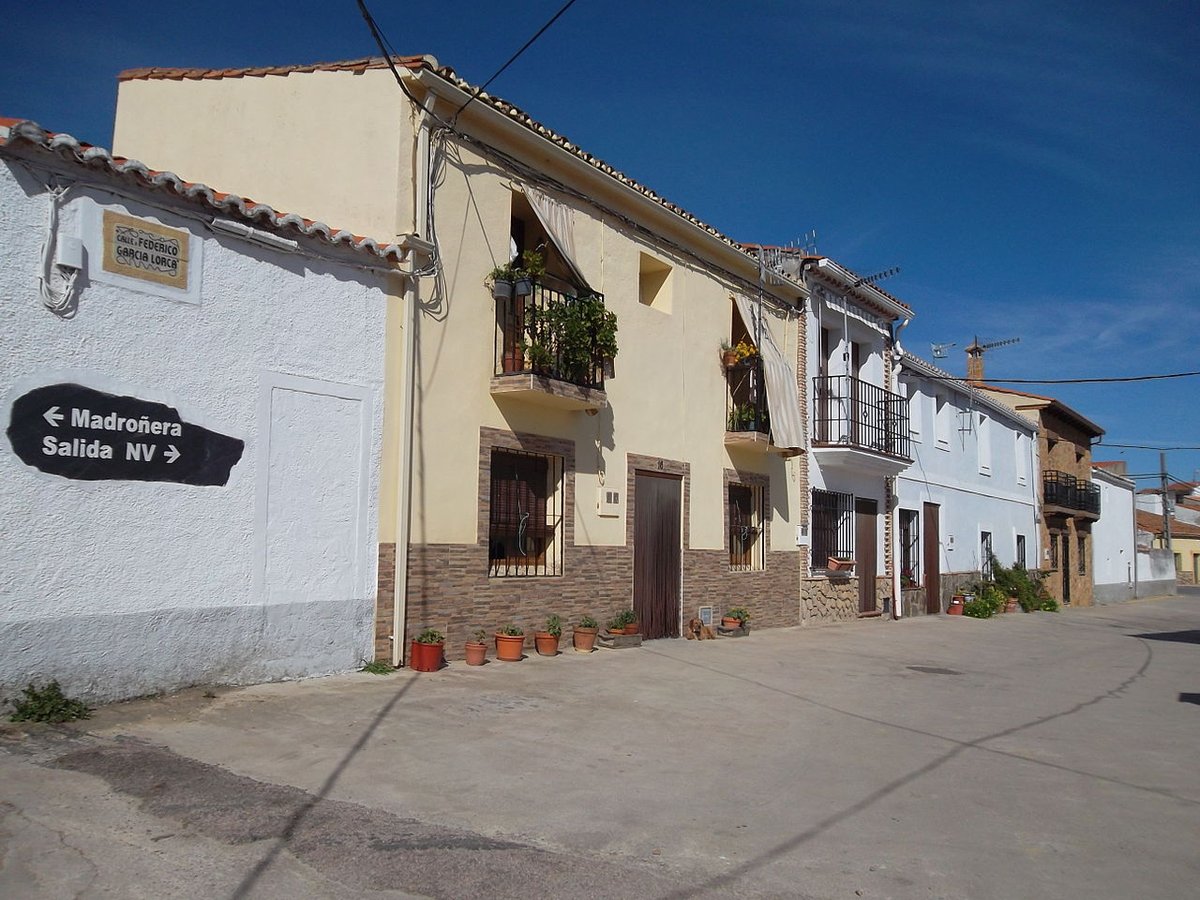
La arquitectura es la propia de estos núcleos: casas de mampostería con revoco blanco y teja curva, construidas con una lógica práctica que prioriza la durabilidad. No hay un trazado medieval laberíntico; las calles son breves y se ordenan en torno a la iglesia.
La iglesia de San Juan Bautista
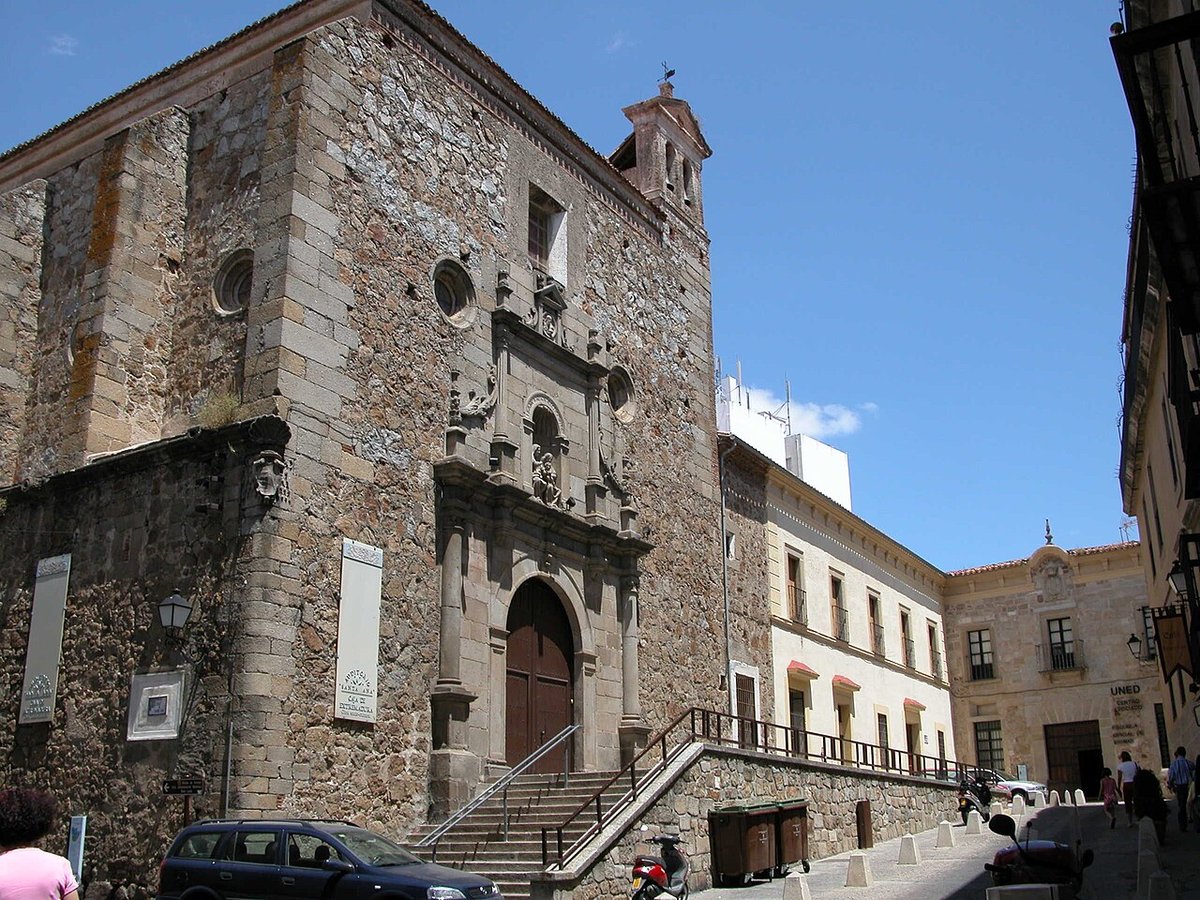
La parroquia de San Juan Bautista domina la plaza. Es un edificio de volumen sobrio, resultado de varias fases constructivas que suelen datarse entre los siglos XVI y XVIII. Su interés no reside en elementos artísticos singulares, sino en su función como eje organizador del espacio público.
El atrio elevado actúa como una antesala a la plaza mayor, un lugar desde el que se percibe con claridad cómo la vida del pueblo giraba en torno a este punto. Es una disposición común en los asentamientos rurales de la comarca, donde el templo era también lugar de reunión y concejo.
El paisaje de la dehesa
Lo que define a Robledillo es su relación con el campo. El término municipal se integra en el ecosistema de la dehesa, un sistema agroforestal donde conviven el pastoreo, el aprovechamiento del arbolado y los cultivos de secano. No es un paisaje natural, sino el resultado de una gestión secular del monte mediterráneo.
Por los caminos rurales que salen del pueblo se ven las parcelas de cereal, los muros de piedra seca, las charcas para el ganado y las agrupaciones de encinas que dan sombra a los cerdos ibéricos. Estos caminos no están señalizados como rutas de senderismo; son vías de servicio para las fincas. Caminar por ellos implica adentrarse en el espacio de trabajo.
En invierno, es frecuente ver bandadas de grullas en los alrededores, especialmente cerca de las charcas y embalses de la comarca. Su presencia estacional es un indicador del estado de conservación de estos hábitats.
Una cocina de aprovechamiento
La gastronomía local tiene su base en los productos de la matanza y en las recetas de aprovechamiento propias del mundo rural extremeño. Las migas, los guisos de garbanzos o de patatas y las sopas de pan son platos habituales, ligados a los ciclos del trabajo en el campo.
La matanza tradicional, aunque menos frecuente, se mantiene como una práctica colectiva en algunas familias. Más que un espectáculo folclórico, es un proceso familiar para obtener embutidos y carnes curadas que se consumirán a lo largo del año.
La sombra de Trujillo
La proximidad a Trujillo condiciona la vida en Robledillo. Para muchos trámites, servicios o suministros, los vecinos se desplazan a la ciudad. Esta dependencia ha marcado históricamente la relación entre el núcleo rural y el centro comarcal.
Sin embargo, Robledillo conserva una dinámica propia. El tráfico es escaso y la escala es doméstica. El contraste se nota al regresar desde la bulliciosa plaza mayor de Trujillo al silencio de las calles aquí.
Cómo visitar Robledillo
El pueblo se recorre en poco tiempo. El principal atractivo está en salir a pie por cualquiera de los caminos que llevan al campo. No hay rutas marcadas; la exploración es libre.
Conviene llevar agua y consultar un mapa básico o GPS para orientarse, pues los caminos pueden bifurcarse entre fincas. La mejor época para pasear es el otoño o el final del invierno, evitando las horas centrales del día en verano. La experiencia es la de caminar por un paisaje productivo, sin pretensiones escénicas añadidas.