Full Article
about Ruanes
One of the smallest villages; it keeps the charm of stone and quiet.
Ocultar artículo Leer artículo completo
The church bell strikes eleven and only two cars sit in the tiny plaza. From the stone bench outside the single bar, you can see straight through the village: one paved road, three side streets, and a horizon of cork oak trunks that look elephant-grey in the morning light. Ruanes has eighty-odd residents and sits 480 m above the baking plains of central Extremadura, high enough for the air to carry a faint herbal scent that disappears once you descend towards Trujillo thirty minutes later.
That altitude matters. In July the thermometer still nudges 38 °C, yet after sunset the temperature collapses by twelve degrees, so elderly villagers bring cardigans to their front steps. Frost is rare but not impossible; when it comes the dehesa grass turns silver and the village water tank can take an hour to thaw. If you arrive in January expecting Andalusian softness, you’ll be reaching for a proper jacket before your second coffee.
Stone, Adobe and the Smell of Holm Oak
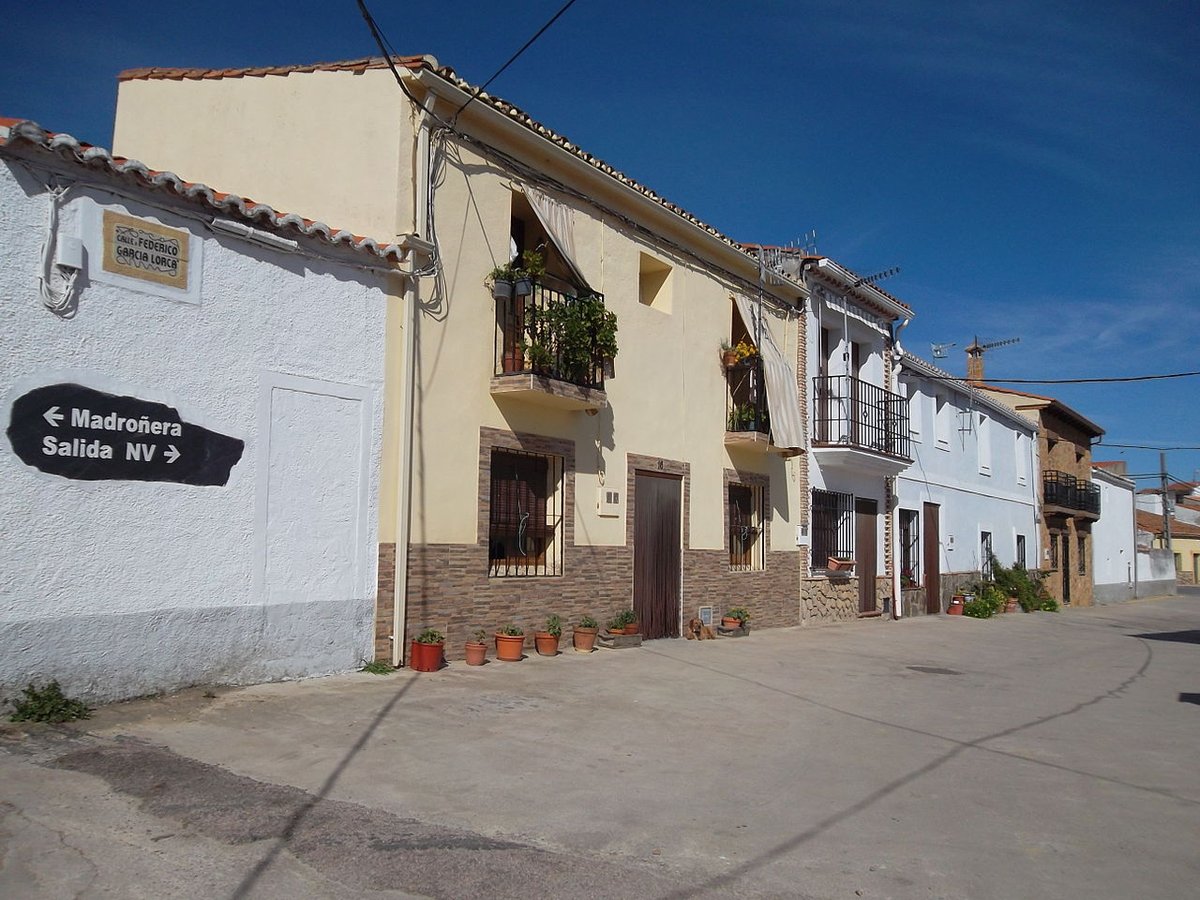
Most houses are single-storey, built from rust-coloured stone quarried a mile away, roofed with terracotta tiles that have gone lavender with age. Adobe patches show where later owners extended bedrooms or animal pens; the mud bricks are the exact colour of the soil, so walls seem to grow out of the ground. Iron grilles still guard ground-floor windows, though the pigs and goats moved out decades ago. Peer through the bars and you’ll glimpse interior patios no wider than a London double-decker is long, each with a stone wellhead and a single lemon tree in an oil drum.
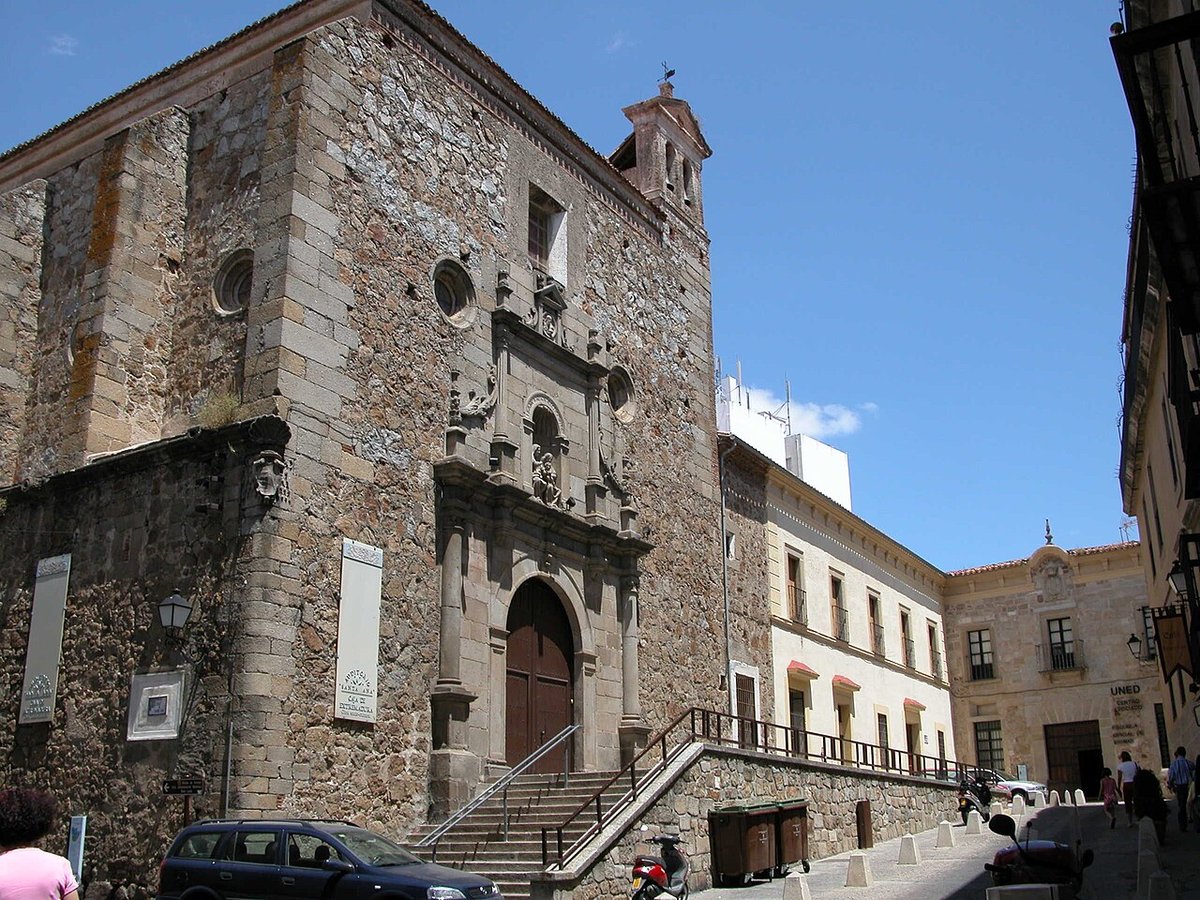
The church of San Juan Bautista doesn’t appear in guidebooks for the same reason it doesn’t charge entry: it is simply the village’s front room. The doorway is low enough that a tall man instinctively ducks, and the bell tower is more like a stout chimney. Inside, the alabaster altar is the only obvious flourish, shipped up from Mérida in 1894 after a fire scorched the original pine woodwork. Mass is advertised for 11 a.m. Sundays, but if no priest arrives (the nearest diocesan schedule covers seven villages), the caretaker locks up and conversation drifts back to the bar.
Walking Among Livestock, Not Tourists
Three signed footpaths leave the last street and dive between holm and cork oaks. They are old mule trails, so gradients are gentle enough for town shoes, though the surface is loose granite grit that crunches like broken biscuits. The shortest loop, marked with yellow paint daubs, swings south-east to an abandoned stone sheepfold exactly 1.7 km away and returns via the same track. Allow forty-five minutes, plus whatever time you spend watching imperial eagles that regularly patrol this ridge; the birds use the same thermals as the vultures from Monfragüe, thirty kilometres north.
If you fancy a longer outing, carry on past the sheepfold until the path drops into a shallow valley where a seasonal stream feeds a stone trough. Farmers still bring mares here in summer; they will watch you pass without greeting, but neither will they object if you refill a bottle from the trough, provided you replace the heavy stone lid to keep the water cool. From that point it is another 4 km to the hamlet of Herguijuela, where one house sells cold beer from a fridge on the porch at €1.50 a bottle. The return via the road is possible but dull; better to retrace your steps in late afternoon when every oak trunk glows copper.
What You’ll Actually Eat
There is no restaurant. The bar opens at seven for coffee and churros, closes at two, then unlocks again at eight for beer and tapas. On Fridays it serves cocido of chickpeas and cabbage, on Saturdays a plate of migas—fried breadcrumbs laced with garlic, pancetta and grapes that burst with sweet juice. If you want something more elaborate you need to order in advance; Conchi who runs the place will phone her sister-in-law who prepares gazpacho extremeño (not the cold soup, but a dense stew of partridge or rabbit) for €12 a portion. Vegetarians get a cheese board: three local sheep cheeses, each older and saltier than the last, plus a drizzle of olive oil pressed in Alcuéscar, fifteen minutes away. Breakfast, lunch and dinner combined will cost less than a single main course in Cáceres.
The Seasonal Calendar You Can’t Ignore
Come between mid-October and February and you may hear rifle shots: this is the montanera, when Iberian pigs are released to gorge on acorns. The animals stay behind estate walls, so you will not wander into a drove, but you will notice more 4×4 pickups and the faint tang of woodsmoke from drying sheds. Late February brings white blossoms on the almond terraces; by April the grass is knee-high and dotted with wild orchids. May is ideal for birdsong but also for ticks—long trousers recommended. August empties the village: anyone under forty disappears to coastal family flats, leaving a population closer to forty-five and a silence so complete you can hear the church clock gears whirr.
Getting There, Staying Over, Managing Expectations
From Cáceres take the N-521 east towards Trujillo, then the EX-390 south signposted to Alcuéscar; after 12 km turn right at a junction marked simply “Ruanes 8 km”. The final stretch is single-track asphalt with passing bays; if you meet a cattle lorry you will be reversing. There is no petrol station, cash machine or mobile shop: fill up in Trujillo and bring cash. Parking is unofficial—pull onto the gravel strip by the cemetery wall and walk the last hundred metres.
Accommodation is the sticking point. The village has no hotel, and the nearest casa rural is in Herguijuela (six double rooms, shared kitchen, €70 a night). Locals occasionally rent out spare bedrooms, but arrangements are word-of-mouth; ask in the bar and be prepared to accept a polite no. Most visitors base themselves in Trujillo or Cáceres and slot in Ruanes as a half-day escape. That is realistic: you can cover every street, walk the short loop, drink two coffees and still be back on the main road before lunch.
The Honest Verdict
Ruanes will not change your life. It offers no souvenir stalls, no sunrise yoga retreats, not even a postcard rack. What it does give is a calibrated sense of scale: eighty people, several thousand oaks, a church bell that marks the hours more faithfully than any phone signal. If you need constant stimulation, stay on the coast. If you are happy to sit on a stone bench, listen to swallows in the tower and taste olive oil that was pressed from trees you can point to, then the detour is worth the diesel. Just remember to check your fuel gauge before you leave the main road—and bring a jacket, whatever the month.