Full Article
about Santa Ana
Small mountain village with rural charm near Trujillo
Ocultar artículo Leer artículo completo
The church bell strikes four and the only reply is a stork clattering back to its nest atop the tower. At 570 metres above sea level, Santa Ana’s soundscape travels further than its houses: the clang carries over holm-oak crowns, across wheat terraces that drop eastwards towards the Alagón valley, and still has enough energy to bounce off the slate roofs on Calle de la Fuente. In this Trujillo-district hamlet—279 registered souls, perhaps a dozen more if the harvest contractors are still in town—silence is measured by how long the echo lasts.
A Village that Breathes with the Seasons
Winter arrives early on the plateau. November can bring the first dusting of snow, enough to turn the dehesa into a monochrome etching but rarely enough to block the EX-390 five kilometres away. Daytime highs sit around 8 °C; night-time readings dip below zero so regularly that older houses still have the stone bread-oven in the living room, now converted to burn olive prunings rather than dough. Come March the thermometer claws back into the teens, storks return to the bell-tower, and farmers walk the cereal plots prodding soil with a four-foot stick—if it goes in easy, planting starts next week; if not, they wait for the late rains that April sometimes forgets to send.
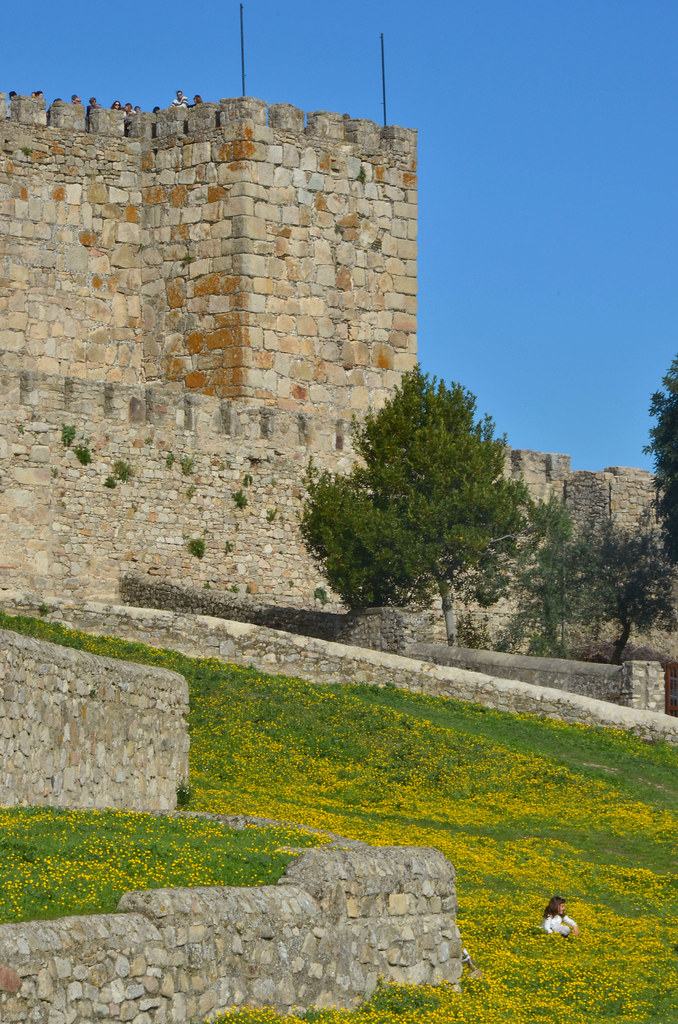
Summer is a different contract. Mid-July pushes 34 °C by late morning, yet the altitude keeps the nights breathable. British visitors who have wilted on the coast find they can still manage the 3 km circular track that leaves the plaza, skirts a cattle pond loud with frog song, and climbs gently onto the ridge of Cerro Gordo. The reward is a 270-degree sweep: north to the granite bulk of Trujillo castle, south over a carpet of oak scrub that runs all the way to the Guadiana River. Take water—there is no bar at the top, only a stone bench installed by the council in 2009 and already listing five degrees west.
Autumn is mushroom time. Local grandmothers guard their níscalos (saffron milk-caps) patches with the same discretion Scots apply to Highland trout streams. Politeness dictates you ask before forking the leaf litter; a simple “¿Hay rebollones por aquí?” usually elicits a smile and vague wave towards the far end of the wood. Prices in Trujillo’s Saturday market reflect the secrecy: £14 a kilo if the dealer senses city plates, £9 if you arrive with mud on your boots and know to greet her with “Buenos días, Doña Pilar.”
Stone, Lime and a Plaza that Still Works
Santa Ana has never needed a bypass because through traffic has never bothered to arrive. The single workable approach is the CC-18.2 county road, a wriggling strip of tarmac that leaves the EX-390 at kilometre 34, passes a stone cruicifix with half its nose missing, and deposits you in the plaza five minutes later. Parking is the empty stretch beside the fountain; on market day (Thursday, 10:00–13:00, one fruit van and a mobile fishmonger) you may have to nose the car against the lime-washed wall of number 17 and hope the owner doesn’t appear with a tractor.
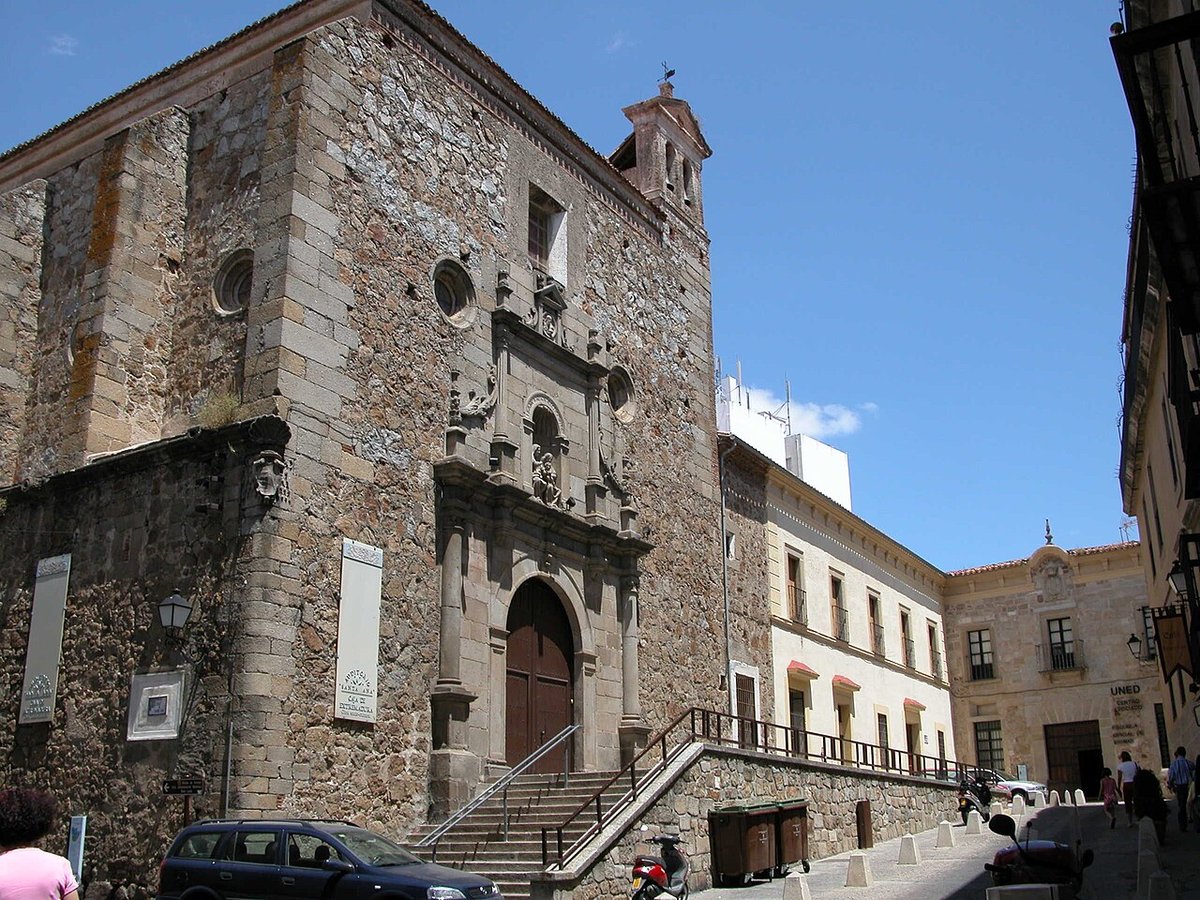
The plaza is not photogenic in the postcard sense. The fountain is concrete, 1964, and the church façade lost its Baroque portal in a nineteenth-century collapse. What makes the space work is proportion: four pistachio trees give shade without hiding the sky, the bar (single, open at 07:00 for farmers’ coffee, closed 15:00–18:00 for the siesta that refuses to die) occupies exactly one ground floor, and the benches face each other at gossip distance. Order a caña (£1.40) and within ten minutes someone will ask whether you are the English person staying in the old schoolhouse. News travels at walking pace.
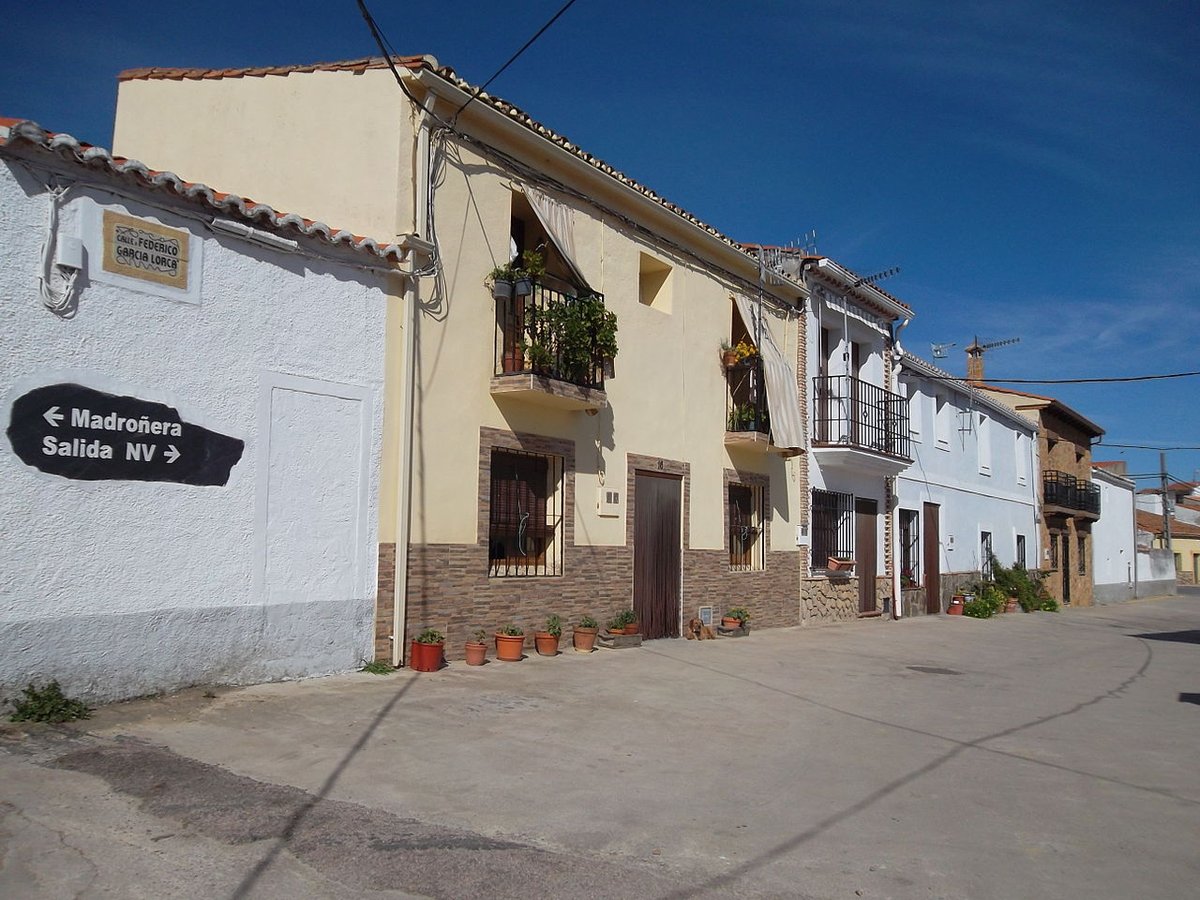
Behind the church, two parallel streets—Calle Real and Calle de los Hornos—contain the village’s architectural CV. Adobe walls two feet thick keep interiors cool; doorways are capped with granite lintels carved by masons who also worked on Trujillo’s Palacio de la Conquista in the 1560s. Number 8 Calle Real has an original timber balcony, the slats spaced so tightly that modern Spaniards call it “the virgins’ screen”—young women could watch processions without being watched themselves. The house is private, but if the shutters are open you can admire the hand-forged ironwork from the opposite pavement without trespassing.
Walking Routes without Way-markers
Santa Ana does not do signposts. The council’s entire budget for tourism last year was €3,200, most of it spent on pruning the pistachios. Instead, walkers rely on the traditional caminos that lace the dehesa: stone walls every 200 metres, a cattle grid, and the understanding that if you keep the village tower on your left shoulder you will eventually loop back to the road.
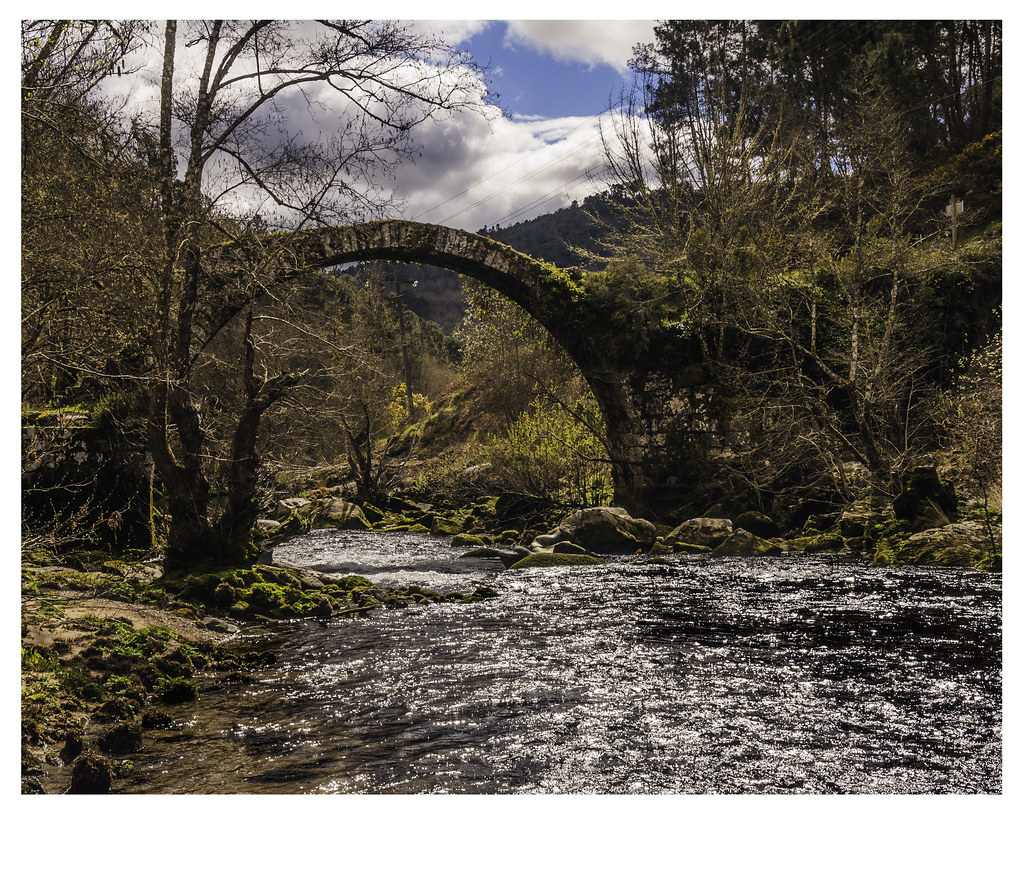
The easiest circuit (4 km, 70 min) leaves the plaza by the fuente, follows the concrete lane past the cemetery, then forks right onto a dirt track. Holm oaks give way to cork; look for the dark basal scar where bark was stripped last summer—locals still sell cork to Portuguese buyers at 30 cents a kilo. At the second junction bear left towards a concrete trough; stoop and you’ll see Bronze-Ag cup-marks, a six-inch circle that millennia of livestock have polished smoother. From here the path descends, crosses an intermittent stream (wellies after October), and climbs back to the tarmac 500 metres west of the village. No café, no ticket office, just the smell of lentisk and the possibility of a Spanish imperial eagle overhead.
Longer hikes link into the GR-88 long-distance trail, but beware summer logistics. The nearest potable water after Santa Ana is 11 km away at Villar de Plasencia; carry two litres per person from May onwards. Mobile coverage is patchy—Vodafone picks up on the ridge, EE vanishes after the first cattle grid.
What You’ll Eat (and What You Won’t)
There is no restaurant. The bar serves toasted mollete (soft bread roll) with tomato, olive oil and cured ham at £2.80, or a full plato de jamoncito—slow-fried pork shoulder with bay leaves and pimentón—if you order before 11:00 and don’t mind waiting while María finishes her coffee. Vegetarians get cheese from the shepherd who phones his wife to cut a wedge when a customer appears; expect a nutty raw-milk torta that oozes when you reach the centre, £7 for half a kilo.
Accommodation is similarly word-of-mouth. Three village houses have been restored as casas rurales; the largest sleeps six and has a roof terrace that catches the evening breeze. Expect oak beams, Wi-Fi that flickers when the microwave is on, and a note from the owner asking you to separate rubbish because the council collection is Tuesday only. Low-season weekday rate is £70 per night for the whole house; Easter and September weekends jump to £120. Book through the regional platform, but follow up with a WhatsApp message—Spanish hosts regard email as quaint.
Getting Here, Leaving, and the Things Nobody Tells You
Public transport is a single bus on Wednesday and Friday, departing Trujillo’s Avenida de la Constitución at 13:15 and returning at 06:45 next day. The timetable is optimised for pensioners collecting pensions, not for British hikers. A taxi from Trujillo costs £22; add another tenner if you want the driver to wait while you locate your rental keys under the flowerpot.
Car hire is straightforward at Madrid airport (2 hr 15 min, mostly motorway), but remember to refuel before the last junction. The village garage closed in 2011; the nearest pump is 19 kilometres south in Torrecillas de la Tiesa and closes at 20:00 sharp. Diesel runs about 5 pence cheaper than the UK, but credit-card readers have a 50 % failure rate—carry cash.
Rain can arrive in April and October with the theatrical violence of a Cotswold cloudburst. The clay sub-soil turns slick; if you are parked on the slope beside the plaza, engage reverse and edge down rather than hoping front-wheel drive will claw you uphill. In July the risk is fire. Barbecues are banned outside built-up areas between 15 June and 15 October; even a discarded cigarette can summon a helicopter water-bomb squad whose bill finds its way to the offender faster than you can say “travel insurance.”
Leave time for the return journey. The CC-18.2 is narrow enough that meeting a combine harvester means reversing 300 metres to the nearest passing bay. Spanish drivers wave thanks with one finger lifted from the steering wheel; Brits who attempt the full forearm salute are recognised immediately as tourists and usually offered first go at the tarmac.
Santa Ana will not change your life. It offers no ruins to tick off, no Michelin stars to chase, no sunset selfie that hasn’t already been filtered to death. What it does provide is a calibration point: a place where the day is measured by how far the storks have drifted on the thermals, where bread arrives still warm if you reach the bar before eight, and where the altitude means you can walk for an hour without meeting anyone except the shepherd who nods and says, “Buen camino,” as if you were already a neighbour.