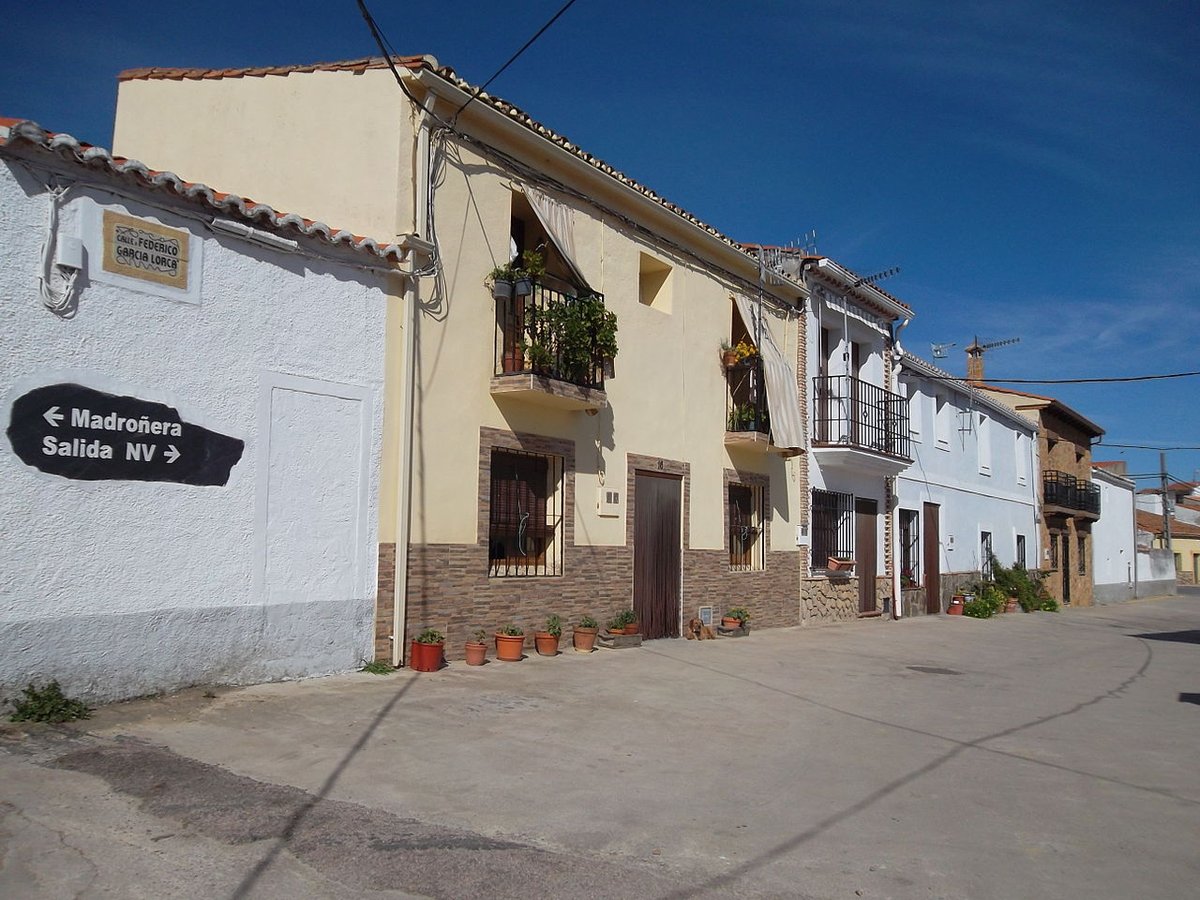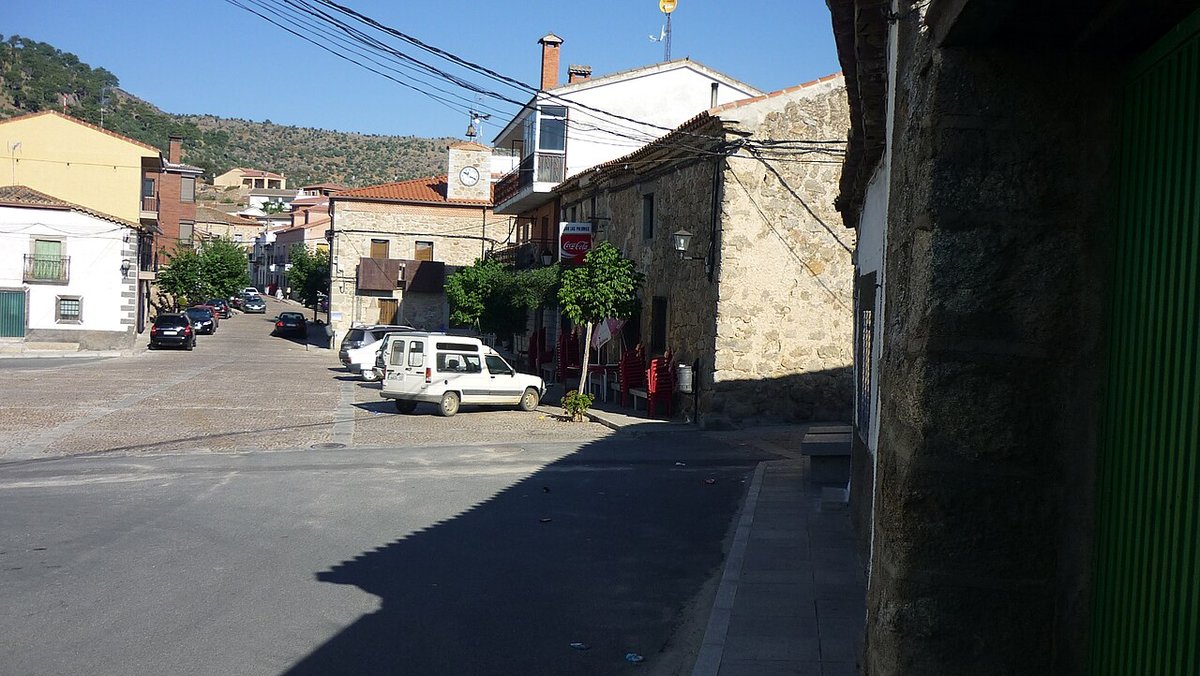
Santa Cruz de Pinares plaza.JPG
LauraFarina · Public domain
Extremadura · Meadows & Conquerors

Santa Cruz de la Sierra

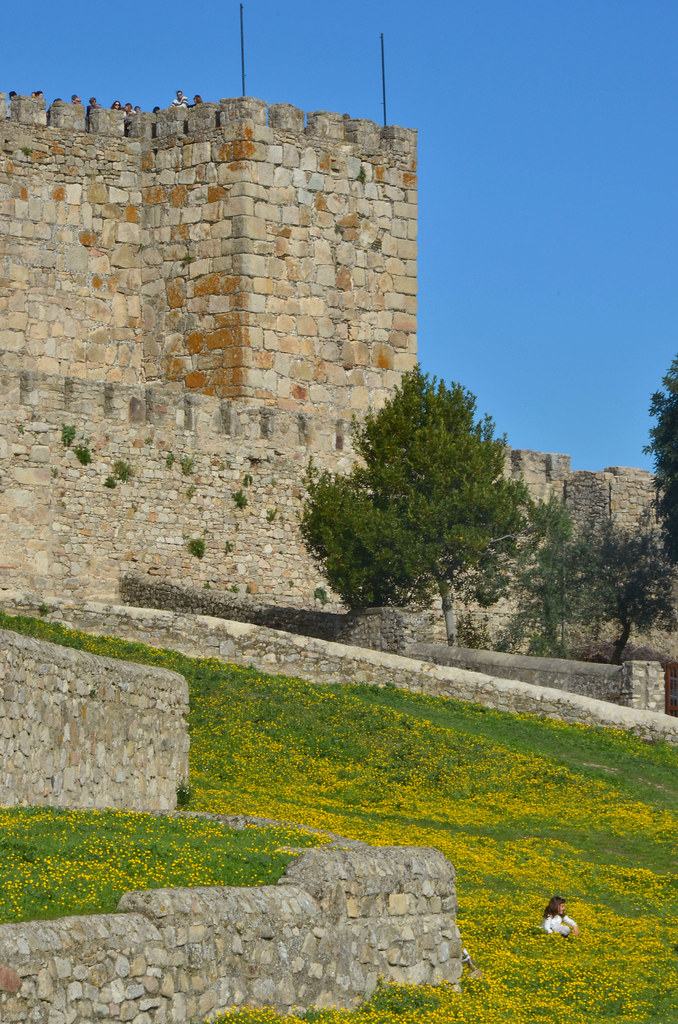
The stone tower of Santa Cruz de la Sierra appears long before the village itself. It rises from wheat-coloured grassland at 600 metres, a solitary...

317 inhabitants · INE 2025
600m Altitude

Why Visit

Mountain Ruins of the convent on the summit Climb to the Sierra

Best Time to Visit

spring

San Agustín Festival (August) agosto

Things to See & Do
in Santa Cruz de la Sierra

Heritage

  • Ruins of the convent on the summit
  • Church of the Vera Cruz

Activities

  • Climb to the Sierra
  • panoramic views

Festivals
& & Traditions

Fecha agosto

Fiestas de San Agustín (agosto)

Las fiestas locales son el momento perfecto para vivir la autenticidad de Santa Cruz de la Sierra.

Full Article
about Santa Cruz de la Sierra

Set on the slopes of the Sierra de Santa Cruz, with the ruins of an Augustinian convent at the summit.

Ocultar artículo Leer artículo completo

The stone tower of Santa Cruz de la Sierra appears long before the village itself. It rises from wheat-coloured grassland at 600 metres, a solitary punctuation mark in a sentence that runs uninterrupted to the edge of the province of Cáceres. From the EX-390 between Trujillo and Guadalupe, a driver who glances north will spot it—an angular parish belfry keeping watch over barely 300 souls and several thousand Iberian pigs.

A grid for sheep, not tourists

Santa Cruz was laid out for livestock, not visitors. Its single-storey houses form two rough streets that meet at a small square where the church sits; beyond this, lanes dissolve into farm tracks within 200 metres. Granite doorframes still carry the grooves of centuries of cart wheels, and many thresholds open straight into stables now converted into kitchens. Tractors park beside 16th-century walls, and the evening soundtrack is diesel engines cooling rather than flamenco.

There is no office of tourism, no gift shop, no interpretive panel. Opening hours are whatever time the church key-holder finishes milking, and the nearest cash machine is 18 kilometres away in Torrefresneda. In winter, weekday numbers drop below 200 as residents follow the grain harvest south; the bakery closes, the bar keeps irregular hours, and anyone arriving after 21:00 should bring their own supper.

What you can see when nothing shouts for attention

Modesty is the village’s style. The parish church of Nuestra Señora de la Asunción is a textbook of rural Extremadura: Romanesque bones, Gothic ribs, a Baroque altarpiece shoe-horned inside during the 1700s. The tower is built from local quartzite that changes colour with the light—oyster-grey at noon, honey-gold at dusk. Inside, a 14th-century baptismal font still carries the shallow depression where newborns were signed with cross and water; the wood-carved choir stalls smell unmistakably of beeswax and mouse.

Below the tower, the square measures 35 paces across. One side is taken up by the Casa de la Reina, a 17th-century manor whose coat of arms shows a sheep and a sheaf of wheat—honest symbols in a region that has never relied on silver fleets or American gold. The house is privately owned; its owner, an architect from Madrid, appears most Augusts and occasionally lets curious strangers peek at the arcaded courtyard where a stone well still draws drinkable water.

Walk east and you pass the old laundry trough, fed by a spring that never dries. Women once gathered here at dawn, sharing gossip while beating shirts against the stone; today the water runs clear, used mainly by shepherds filling plastic jugs for border collies. Beyond the last house, the lane becomes a camino de herradura, a bridleway that heads three kilometres to the ruins of two stone grain mills beside the Arroyo de los Molinos. They are roofless, ivy-filled, and fenced off after partial collapse, but the mill race is intact and kingfishers use it as a diving platform. Early mornings in April, nightingales make the place deafening.

Dehesa arithmetic: four trees to the sheep, one eagle to the square mile

Santa Cruz sits in the middle of the dehesa, the open oak savannah that covers much of south-western Extremadura. Each hectare carries between 20 and 40 holm oaks; under their shade graze Retinta cattle, merino sheep, and the black Iberian pigs whose haunches will become £180 legs of jamón in London delis. The system looks wild but is painstakingly managed: every six years the undergrowth is cleared by controlled fire, acorns are rationed by livestock density, and new oaks are grafted like vintage vines.

Public footpaths exist, but they are unsigned. The most reliable route starts opposite the cemetery gate on the EX-390. A farm track drops gently for 4 km through cereal fields and then climbs onto a limestone ridge that gives a 15-kilometre view towards the Sierra de San Pedro. Griffon vultures cruise at eye level; in May, stone curlews call like tearing cloth; if you sit quietly, a Spanish imperial eagle may appear, though a morning’s wait is not uncommon. Take water—there is none between the village and the ridge—and a map; phone signal vanishes after the first kilometre.

Eating what the land can spare

Hunger is easy to solve on Fridays and Saturdays, trickier the rest of the week. Mesón La Dehesa, the only restaurant, opens when the owner, Pepe, returns from checking his pig herds. A set lunch (€12) might include migas—fried breadcrumbs laced with garlic, paprika and diced pork—followed by caldereta de cordero, a clay-pot stew of local lamb thickened with bread and bay. His cheese comes from a niece who keeps 40 Payoya goats; the wine is a young tempranillo from the Tierra de Barros cooperative, served in a glass rinsed with water and no ceremony. Vegetarians can usually be offered huevos rotos con patatas—broken eggs over chipped potatoes—though advance warning is polite; Pepe shops only on Thursdays.

If the mesón is shut, the bar at the front of the grocery sells cold beer and plates of jamón cut to order. Prices are chalked on the fridge: 50 g of five-year-old bellota ham costs €7.50, cheaper than Madrid airport and sliced twice the thickness British delis dare. Buy a tomato, a loaf from the freezer, and you can assemble the classic Andalusian breakfast of pan con tomate on the bench outside while the delivery lorry driver tops up the cigarette machine.

When the village remembers it has neighbours

Santa Cruz wakes up three times a year. Around 14 September the fiesta patronal drags exiles back from Badajoz and Barcelona; the square hosts a communal paella for 400, a disco run by the same DJ who started here in 1987, and a procession in which the Virgin is carried at shoulder height through streets strewn with rosemary. Accommodation is impossible; visitors sleep in caravans parked in the football field or drive home at 04:00 when the music stops.

January brings the feast of San Antón. At 11:00 on the Sunday after 17 January, the priest sprinkles holy water on horses, hunting dogs, and the occasional pet rabbit. Farmers parade prize oxen whose horns have been polished with oil; children chase unleashed beagles between legs and hooves. The event lasts 45 minutes, after which everyone disappears inside houses for stew and the village returns to silence.

Easter is quieter: a barefoot penitent in a purple hood, a drum, a trumpet, and 30 faithful walking the Stations of the Cross projected onto whitewashed walls. The service starts at 21:00 so agricultural work can finish; temperatures in March can drop to 4 °C, so bring a coat.

Getting there, staying over, knowing when to leave

The village lies 48 km east of Cáceres and 32 km north of Trujillo. A car is essential; public buses were withdrawn in 2011. From Madrid, take the A-5 to Navalmoral de la Mata, then the EX-118 through sparse cork-oak country—90 minutes of empty road after you leave the motorway. Petrol stations are scarce; fill up in Navalmoral.

The only place to sleep is Casa Rural La Torre, a three-bedroom cottage opposite the church (€70 per night, minimum two nights). Heating is by pellet stove; hot water lasts ten minutes. Sheets are line-dried and smell of mint. There is no Wi-Fi and the television receives one channel in Catalan. Book via WhatsApp on +34 636 22 78 41; answers arrive after dark when the owner climbs the hill for signal.

Stay a single night and you will leave puzzled by the silence. Stay two and you start recognising the same magpie pair on the way to the spring. By the third morning, you understand that Santa Cruz de la Sierra is not a destination but a gauge: it measures how much noise you have been carrying in your head and begins, slowly, to dial it down. When the gauge hits zero, it is time to go—before the shops reopen, before the tower clock strikes twelve, while the dehesa is still wide enough to hold the quiet you borrowed.

Key Facts

Region
Extremadura
District
Trujillo
INE Code
10166
Coast
No
Mountain
Yes
Season
spring

Livability & Services

Key data for living or remote work

2024
Connectivity5G available
HealthcareHospital 12 km away
Housing~5€/m² rent · Affordable
Sources: INE, CNMC, Ministry of Health, AEMET

Planning Your Visit?

Discover more villages in the Trujillo.

View full region →

More villages in Trujillo

Traveler Reviews