Full Article
about Santa Marta de Magasca
Birdwatching paradise on the low plateau; prime spot for great bustards
Hide article Read full article
A village shaped by the dehesa
Santa Marta de Magasca sits on the plains of the Trujillo comarca, in Cáceres. Its geography is that of the dehesa, the managed oak pasture that covers much of western Extremadura. The municipality stretches across this gently rolling land, defined by holm oaks, drystone walls, and livestock estates.
Fewer than three hundred people live here. The rhythms are those of the countryside: farming, grazing, and the seasonal work that has structured life here for generations. You won’t find a monumental core. The village’s identity comes from the land it sits in, and from a way of using that land that dates back centuries.
The dehesa is an old system of agroforestry. Its logic—balancing tree cover, pasture, and livestock—explains both the open landscape and the dispersed settlement pattern. The village and its surroundings are a single unit; one cannot be understood without the other.
The church and the built fabric
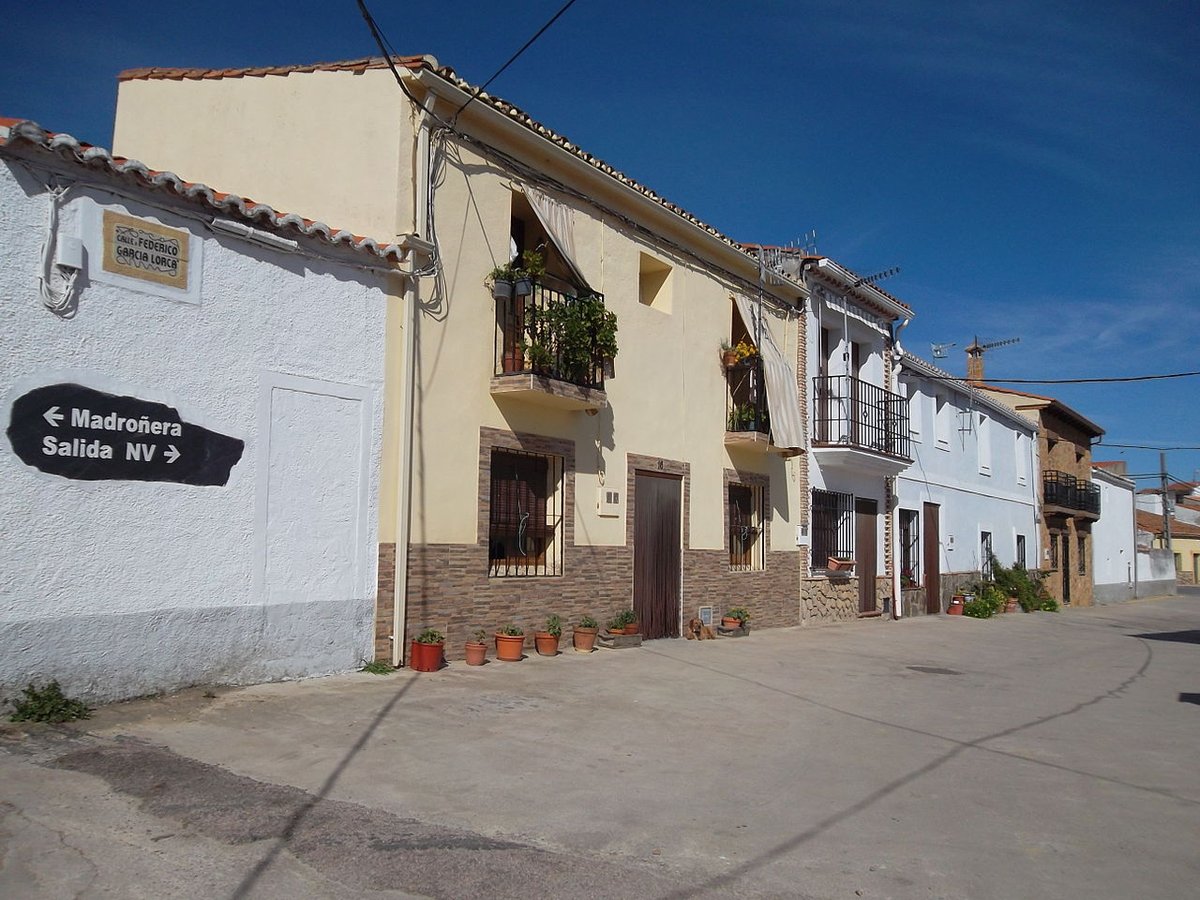
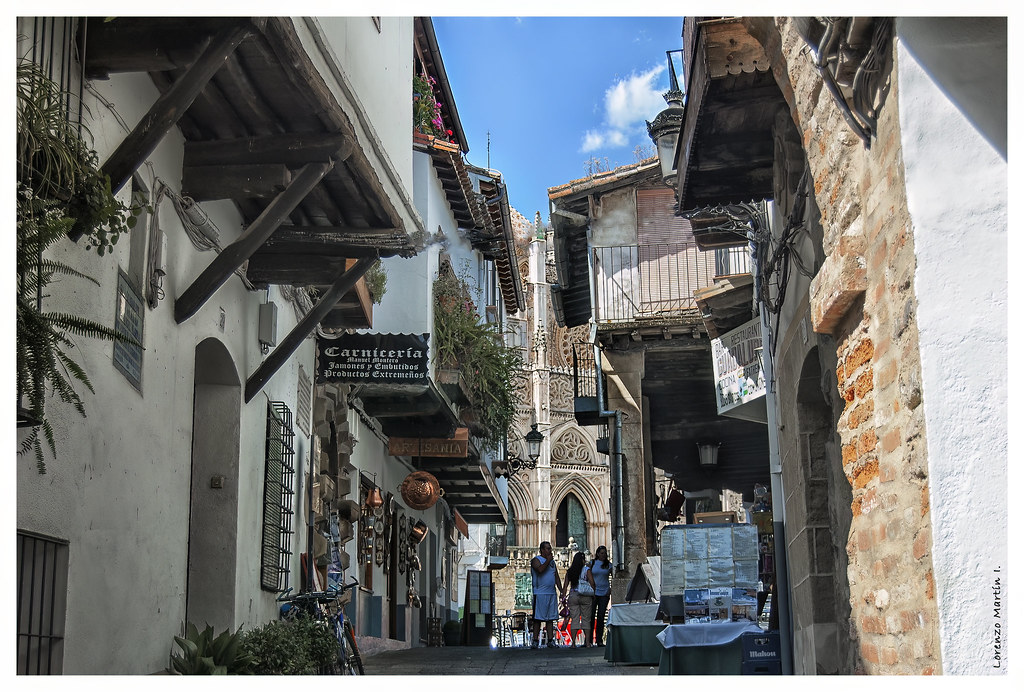
The built-up area is small. Short streets run between whitewashed houses, many with granite doorframes typical of this part of Extremadura. Some homes retain courtyards or outbuildings linked to farm work, a reminder of how closely domestic and agricultural life were tied.
At the centre is the parish church of Santa Marta. Its construction postdates the 16th century, with later modifications giving it its current form. The building is solid, built of masonry with a compact footprint. Its simple tower rises above the rooftops, serving as a visual marker in an otherwise flat and open setting.
The church’s significance is more communal than artistic. For centuries it has been the focal point for gathering and orientation, both social and visual. From its vicinity, the view opens directly onto the dehesa, where the boundary between village and countryside dissolves. The holm oaks stretch to the horizon in a pattern that feels unbroken.
On foot into the pasture
The character of Santa Marta de Magasca reveals itself on the tracks leading out of the village. These are working paths, used by tractors and herdsmen, not designed for visitors. There is no formal signage, but walking them slowly is the most direct way to understand how this land functions.
The holm oaks stand widely spaced, allowing grass to grow beneath for grazing. Cattle are common in some fields; in others, you may see fighting bulls, a livestock tradition particular to the region.
Birdlife is a constant. Large birds circle over the plain—griffon vultures, white storks, black kites—adding a layer of movement to a landscape that might at first seem static.
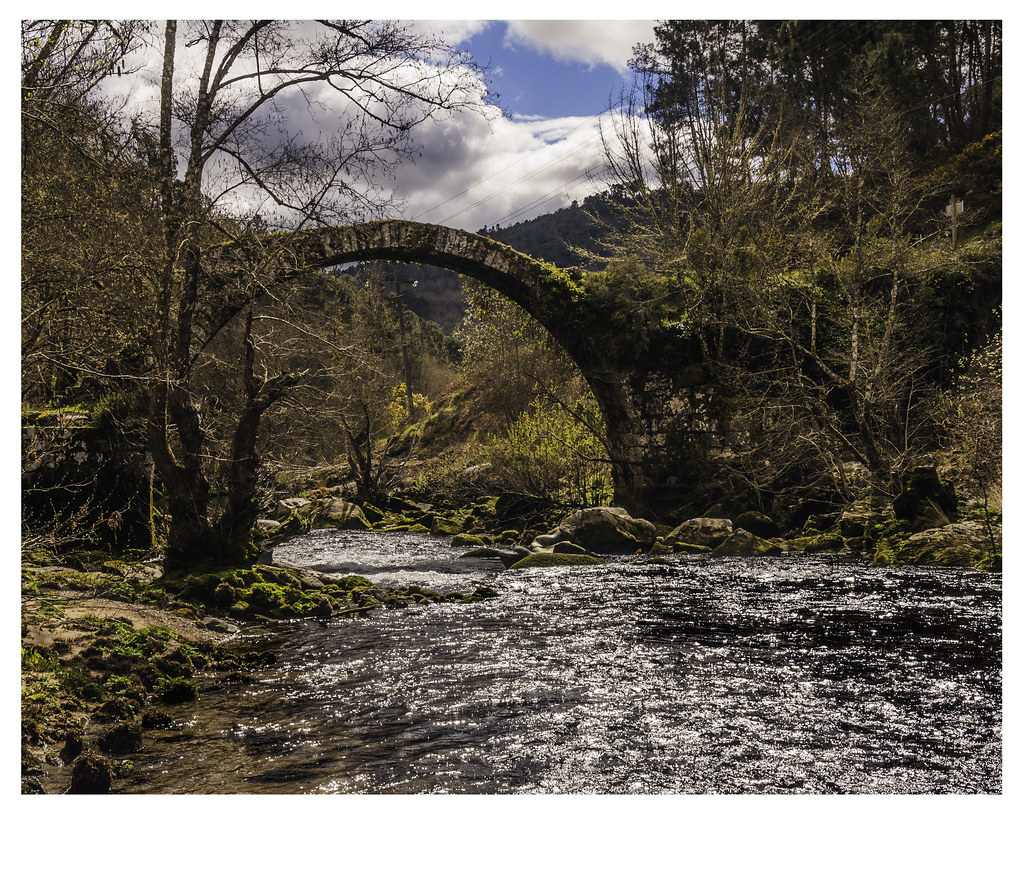
Near the streams, the scenery shifts. The vegetation thickens with ash trees and brambles, creating shaded patches that contrast with the dominant light and space of the open dehesa.
Calendar and community
The local calendar follows traditions tied to religion and the summer months, when former residents often return and the population swells temporarily.
The festivities for Santa Marta, the patron saint, are the main event. Processions take place, and the village square becomes a hub for communal gatherings. The events have a close-knit feel, blending residents and those who have come back.
Holy Week is observed modestly, in keeping with the village’s scale. Christmas also has its place, with neighbours organising carol singing or setting up small nativity scenes made by locals. The celebrations are simple, sustained by participation more than spectacle.
Practicalities and context
Santa Marta de Magasca is a short drive from Trujillo via local roads. The village itself can be walked in twenty minutes. The substance of a visit lies not in its streets but in its immediate context.
If the dehesa interests you, take one of the paths that start at the village edge. They provide a close view of a working landscape. Remember this is active farmland: close any gate you open and give livestock a wide berth.
Nearby towns like Trujillo or Madroñera offer historical counterpoint. Visiting them alongside Santa Marta provides balance—architectural heritage on one hand, and the rural system that underpinned it on the other.