Full Article
about Zorita
Agricultural town near bird-watching areas and a reservoir
Hide article Read full article
A day that begins with bells and mist
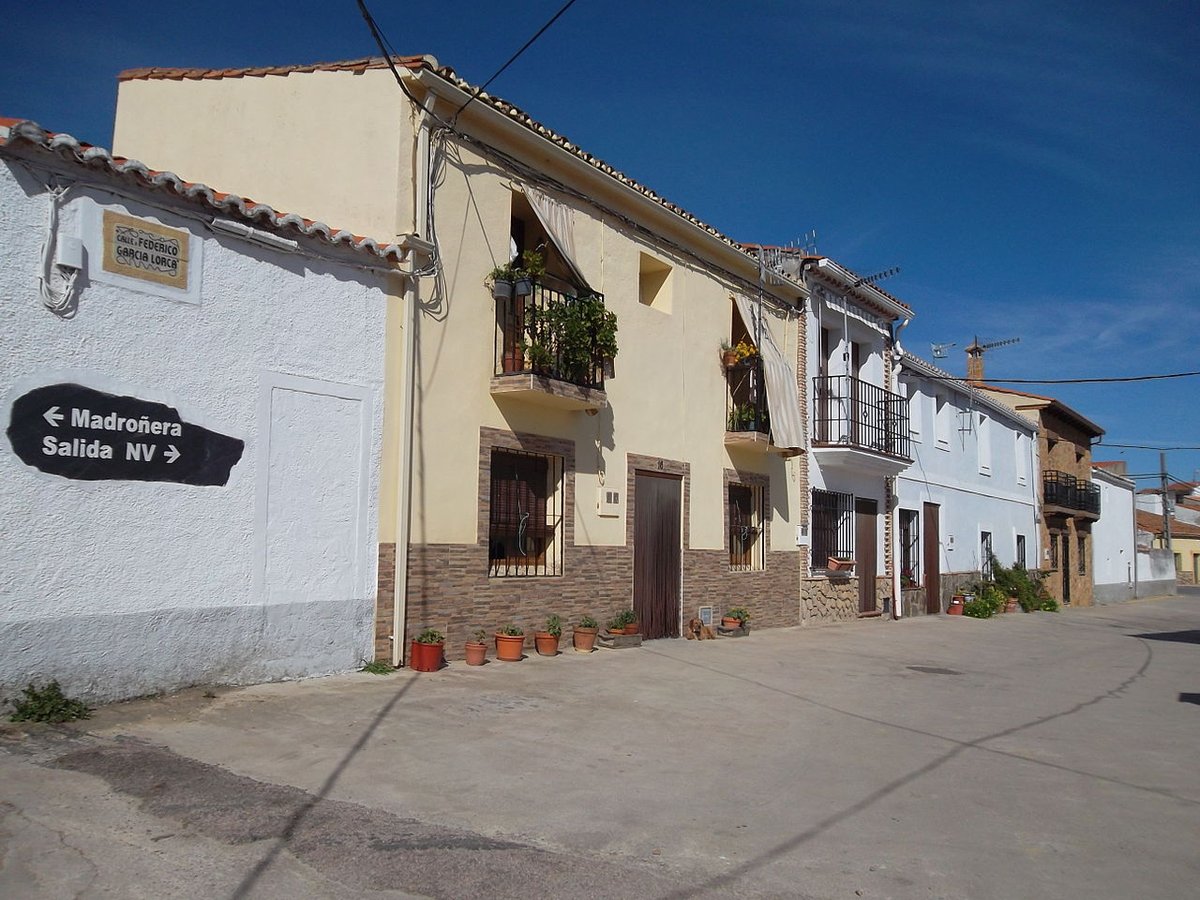
The bells of San Pablo start ringing at around half past seven, when the mist still clings to rooftops and the cornices of the taller houses. From the square comes the smell of fresh bread and coffee. The street slopes gently down towards the edge of the village, and in that cold early air there is also the dry scent of holm oak. In Zorita, the day tends to begin early, before the sun has fully lifted the haze from the surrounding fields.
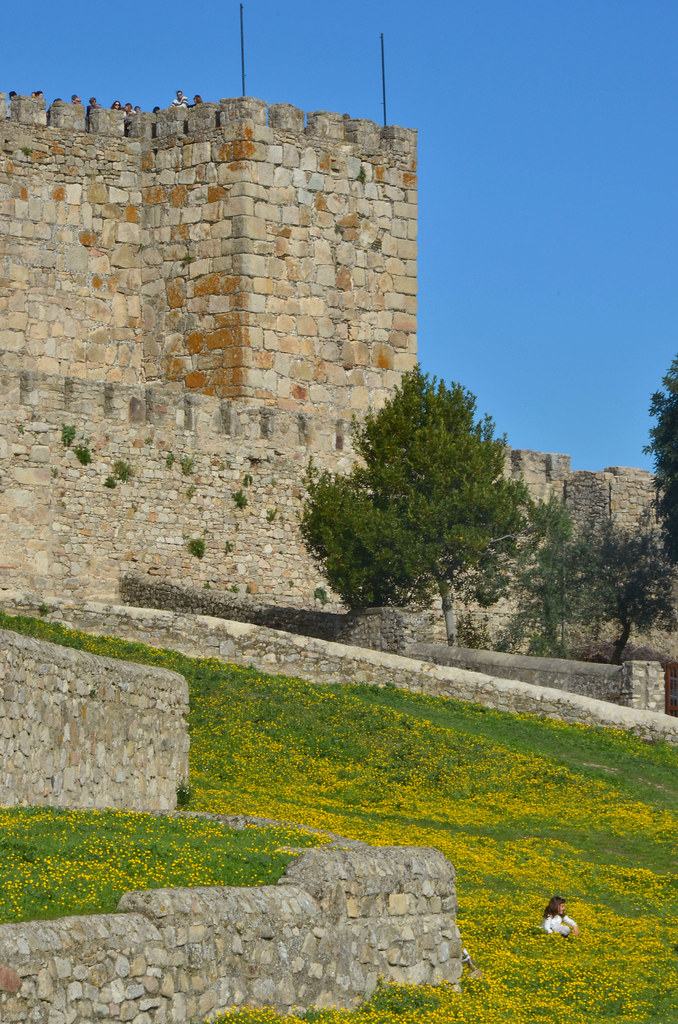
The village sits on a low rocky rise overlooking the land around it. Below, the Pizarroso stream cuts a greener strip through olive groves, stone enclosures and patches of dehesa, the traditional pastureland of Extremadura. Flocks of merino sheep still move slowly across it, their bells sounding unevenly as they go. White houses climb the hillside towards what remains of the castle, which has watched over Zorita for centuries.
Stone walls and long views
The walk up to the castle is short but uphill. The path winds between old walls and fragments of masonry that appear among the grass. What remains of the fortress includes several stretches of wall, part of a tower and a platform that makes its location easy to understand. From here the view reaches far across the plains around Trujillo and, on clear days, as far as the mountain ranges that close the southern horizon.
The castle has medieval origins and was altered over different periods, something visible in the mix of stonework and building techniques. Not everything is signposted, so it is worth allowing time and moving around slowly. By mid to late afternoon, the light falls sideways across the walls, picking out cracks, openings of former rooms and the remains of towers.
A short distance from the centre stands the ermita de Fuente Santa, a small rural chapel. In one of its walls there are reused stone pieces from earlier periods, a common feature in religious buildings in the countryside. At the foot of the chapel a small spring emerges, surrounded by vegetation. It remains a place where locals come for a walk.
Food that takes its time
By midday, the village smells of stews. In many homes, cooking still happens slowly, with pots left over the heat for hours. Caldereta de cordero, a lamb stew with a deep red colour from paprika, often appears at family gatherings and on special occasions. Its aroma can be noticed from the doorway.
Migas are also common, prepared differently in each household. This traditional dish, made from breadcrumbs, sometimes includes grapes or a touch of seasonal fruit. Sheep’s cheese from local farms usually appears on the table as well, served with thick-crusted bread.
During the autumn livestock fairs or the village festivities, food stalls and groups gathered around hotplates turn the square into a much noisier place than usual. The pace changes, and the quiet rhythm of daily life gives way to conversation and movement.
Short routes through open land
Several dirt tracks leave directly from the village, used daily by farmers and by those heading out for a walk. One of the most common climbs towards the rocky outcrop where the castle stands, then continues through areas of rockrose and thyme. In spring, the low scrub fills with flowers, and the warm scent of rockrose carries even when there is a bit of wind.
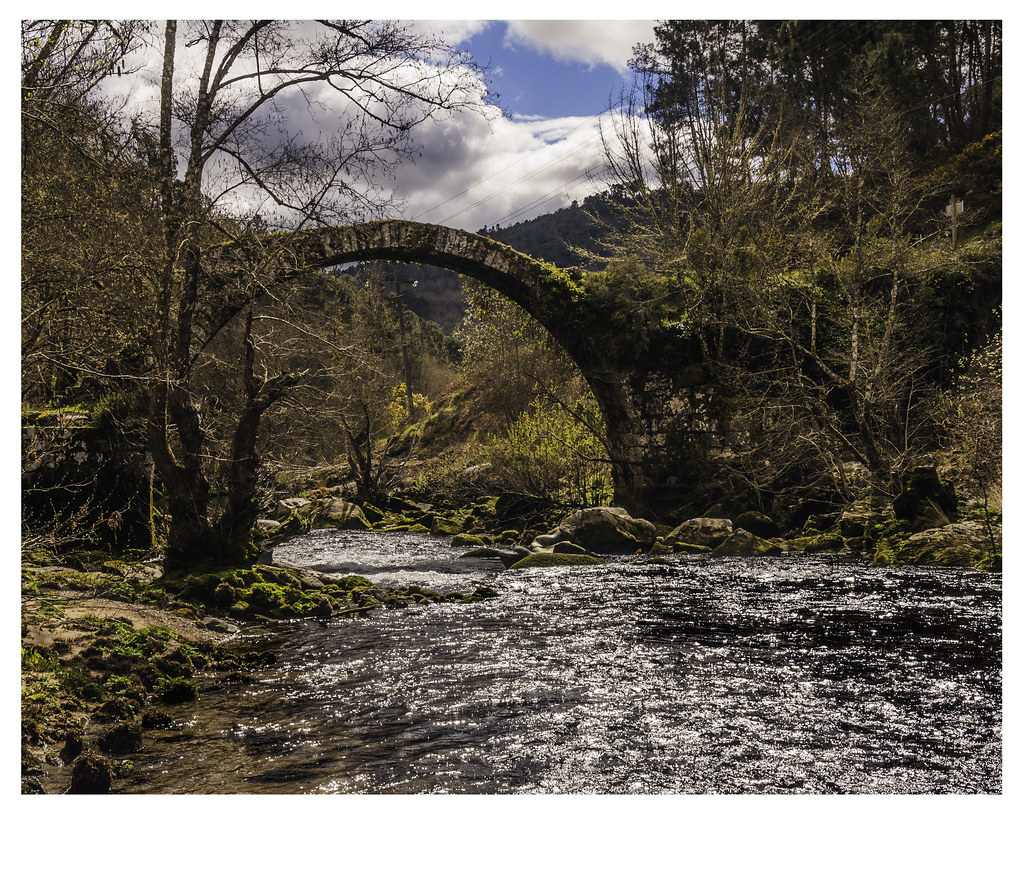
On the opposite side, the path that descends to the Pizarroso stream passes through old holm oaks and small pools where herons or ducks can sometimes be seen. It is not a long route, and it is not especially marked, but it is easy enough to follow as long as there has not been heavy rain.
For those interested in birdwatching, the Sierra Brava reservoir lies relatively close by car and is one of the important wetlands in the area.
A village shaped by change
In the mid 20th century, Zorita had a much larger population than it does today. Like many villages in Extremadura, it lost residents over decades due to migration. Even so, there is still steady activity: the town hall, the school, the bars around the square and the surrounding agricultural work keep things going throughout the year.
Some older buildings remain, including the pósito municipal, once used to store grain and manage shortages after poor harvests. In the oldest houses, dark wooden beams, inner courtyards and former animal pens can still be seen.
The main festivities tend to fall between spring and summer. The romería of the Virgen de Fuente Santa, usually held towards the end of May, brings together locals and families who return to the village for those days. Later, in summer, chairs fill the square as night falls, and conversations stretch on well into the early hours.
Spring is generally the most pleasant time to explore the surroundings. The dehesa turns green, flowers appear across the scrubland and the temperatures allow for walking without the intensity of summer heat.
In July and August, the sun is strong during the middle of the day. If heading up to the castle or along the nearby paths, early morning or late afternoon are more comfortable moments.
When the light fades, the village quietens again, returning to the slower rhythm that marks most days in Zorita.