Full Article
about Segura de Toro
Mountain village known for its stone Celtic Bull in the square and thousand-year-old chestnut trees.
Hide article Read full article
A village shaped by light and granite
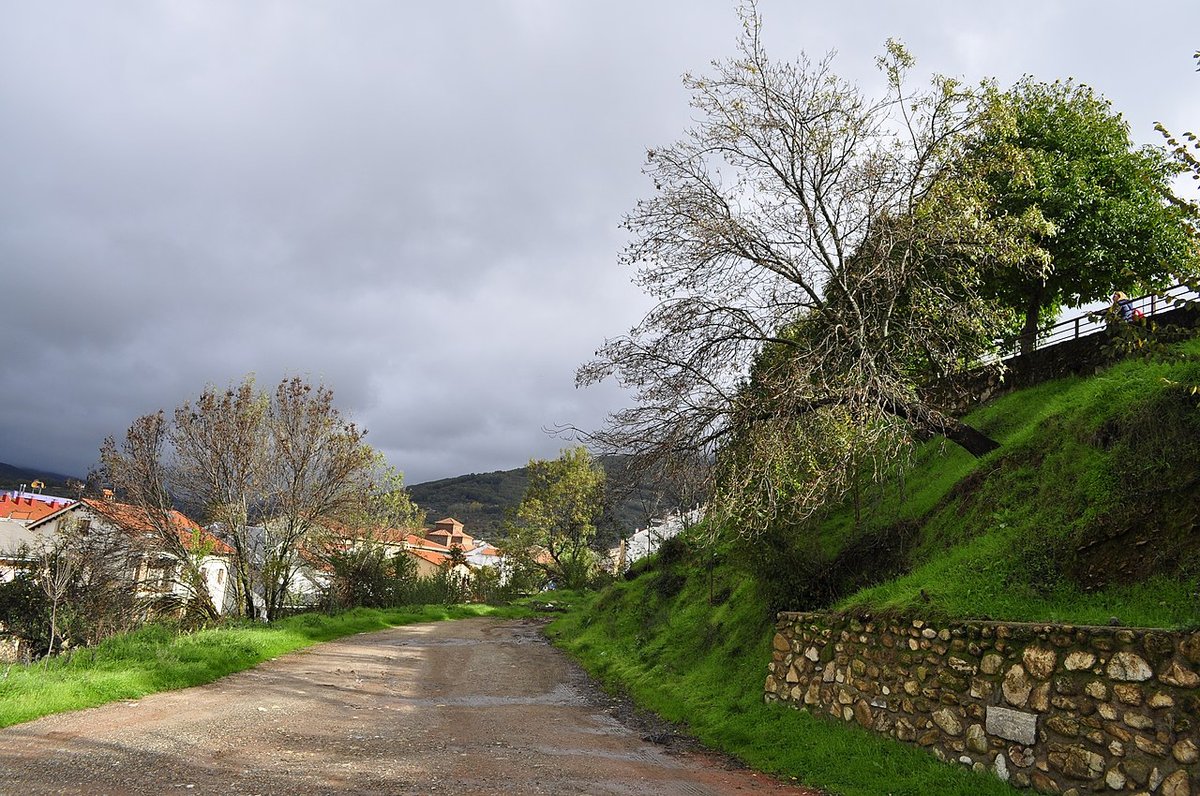
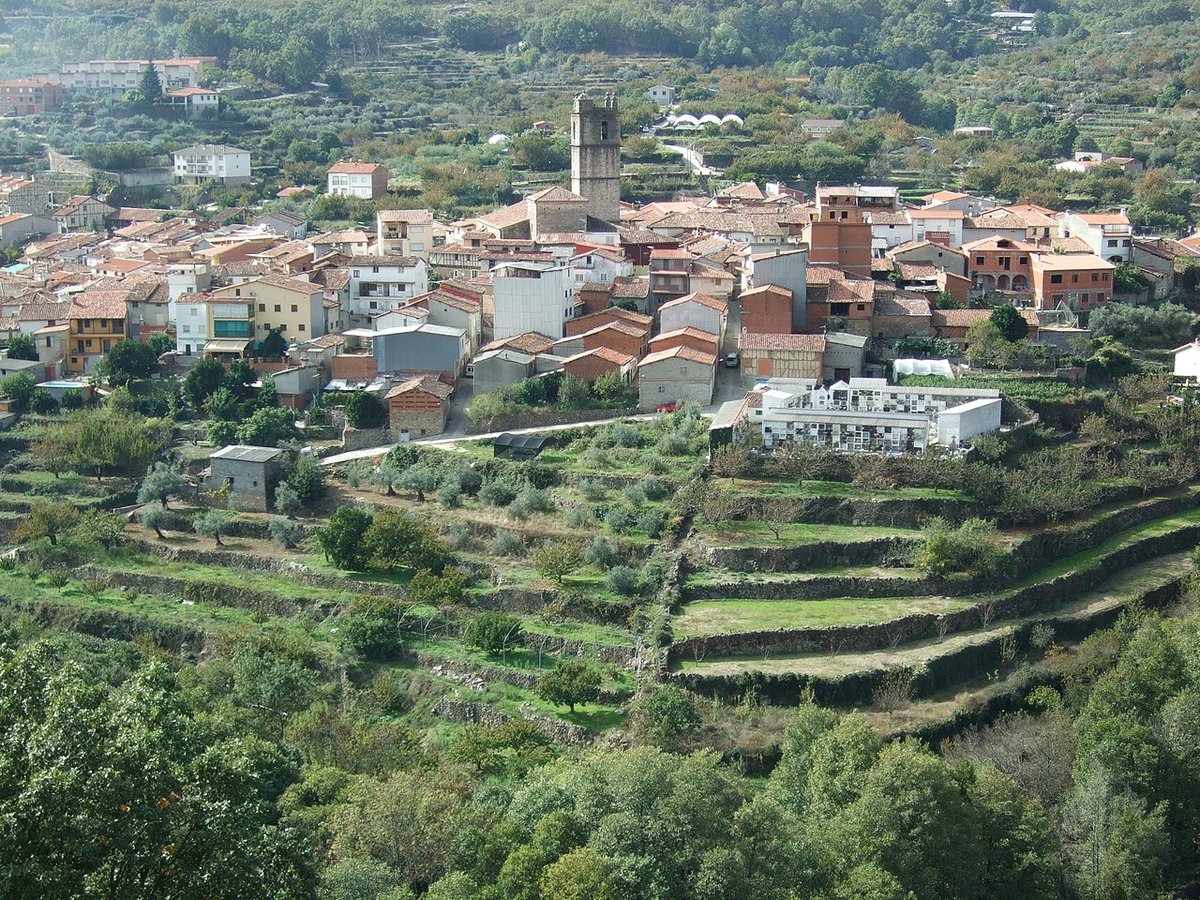
Towards evening, on the dirt tracks around Segura de Toro, the air often carries the smell of firewood and damp woodland. Low light filters through chestnut and oak trees and settles on the village’s stone walls. From a distance it looks compact and quiet, with dark roofs and pale façades standing out against the green of the Valle del Ambroz.
Inside, the streets are narrow and uneven, the kind that make you slow your pace and occasionally watch your footing. Granite is everywhere: in house fronts, worn steps, and the walls that enclose small yards. Some windows hold pots of herbs or simple flowers, others stay shut for much of the day. Sounds travel easily here, the crack of splitting wood, a door opening and closing, footsteps on stone.
Set in the heart of the Valle del Ambroz in northern Extremadura, Segura de Toro feels less like a place full of plans and more like somewhere to pause. Fewer than two hundred people live here, and that scale is immediately noticeable. It suits a visit without hurry, and if possible outside the peak heat of summer, when the sun presses hard on the cobbled streets.
The stone bull at the centre
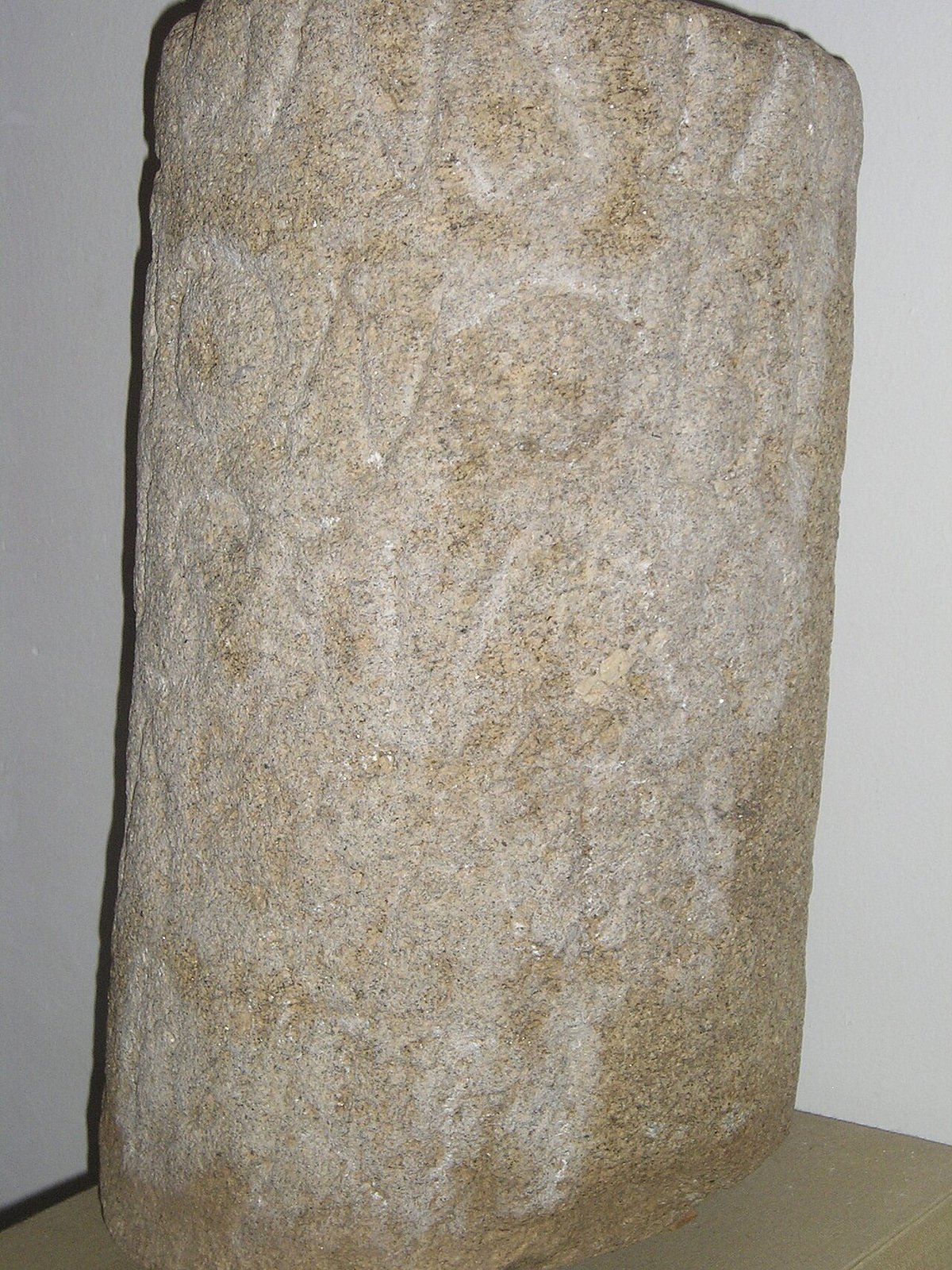
One feature draws attention even before the houses do: a stone verraco standing in the middle of the village. These verracos are ancient zoomorphic sculptures linked to the Vettones, a pre-Roman people who lived in this part of the Iberian Peninsula. This one was carved more than two thousand years ago. The granite is dark and worn, but the animal’s shape is still clear.
It is not fenced off or set apart as a distant monument. Instead, it sits within everyday life. People pass it on their way to buy bread or as they cross the square. That blend of archaeological piece and ordinary object gives it a kind of natural presence that is unusual elsewhere.
Close by stands the parish church, dedicated to the Assumption. Its position helps organise the small urban centre around it. The building has been altered over time, and inside it keeps altarpieces and several religious carvings still used during local celebrations throughout the year.
The layout of the village follows the slope of the land. Streets rise and fall, corners tighten, and conical chimneys appear above the rooftops. In winter, those chimneys make themselves known by the smell of smoke lingering in the cold morning air.
Paths beyond the last houses
A short walk out of the village leads to paths bordered by dry stone walls and small plots of land. Chestnut trees dominate much of the landscape. In autumn, the ground fills with fallen leaves and split husks, and the sound of walking changes underfoot, a mix of crunching and soft give beneath your boots.
Several traditional paths connect Segura de Toro with other villages in the valley or with areas of low mountain scrub. Not all of them are signposted, so it helps to have some form of reference if planning a longer walk.
Early in the day, low mist often settles in the valley while sunlight begins to reach the treetops. Later, the pattern reverses. Light drops from the west and the slopes darken, taking on a bluish tone as the day ends.
For those looking to go higher, the nearby Sierra de Béjar offers a different kind of terrain. The chestnut trees thin out, replaced by rocky ground and shrubland known locally as piorno. Walks here are more demanding and need a bit of preparation.
Cooking with the seasons
Food in this area remains closely tied to what the surroundings provide. In autumn, chestnuts appear in many forms, both in savoury dishes and in desserts. It is also the season for mushrooms in the nearby hills, though caution is essential if you are not familiar with them.
Winter brings more substantial cooking. Migas, made from fried breadcrumbs, are common, as are game meats when the season allows. There are also plenty of spoon dishes, stews and broths that make sense after a cold morning outdoors. The cooking is not complicated, but it follows the rhythm of local produce and the time of year.
When to go, and how to move around
Autumn is often one of the most rewarding times to visit Segura de Toro. The chestnut groves shift in colour and the valley carries the scent of damp leaves. Summer brings more people, especially at weekends and during the August festivities, when many former residents return for a few days.
If arriving by car, it is worth noting that the central streets are narrow. It is usually easier to leave the car in the lower part of the village and continue on foot. In any case, everything can be seen at a relaxed pace in a single walk.
Segura de Toro is not defined by major landmarks or constant activity. Its appeal lies elsewhere: sitting for a while in the square, listening to wind moving through the chestnut trees, or following a path without a fixed destination. Sometimes that is enough.