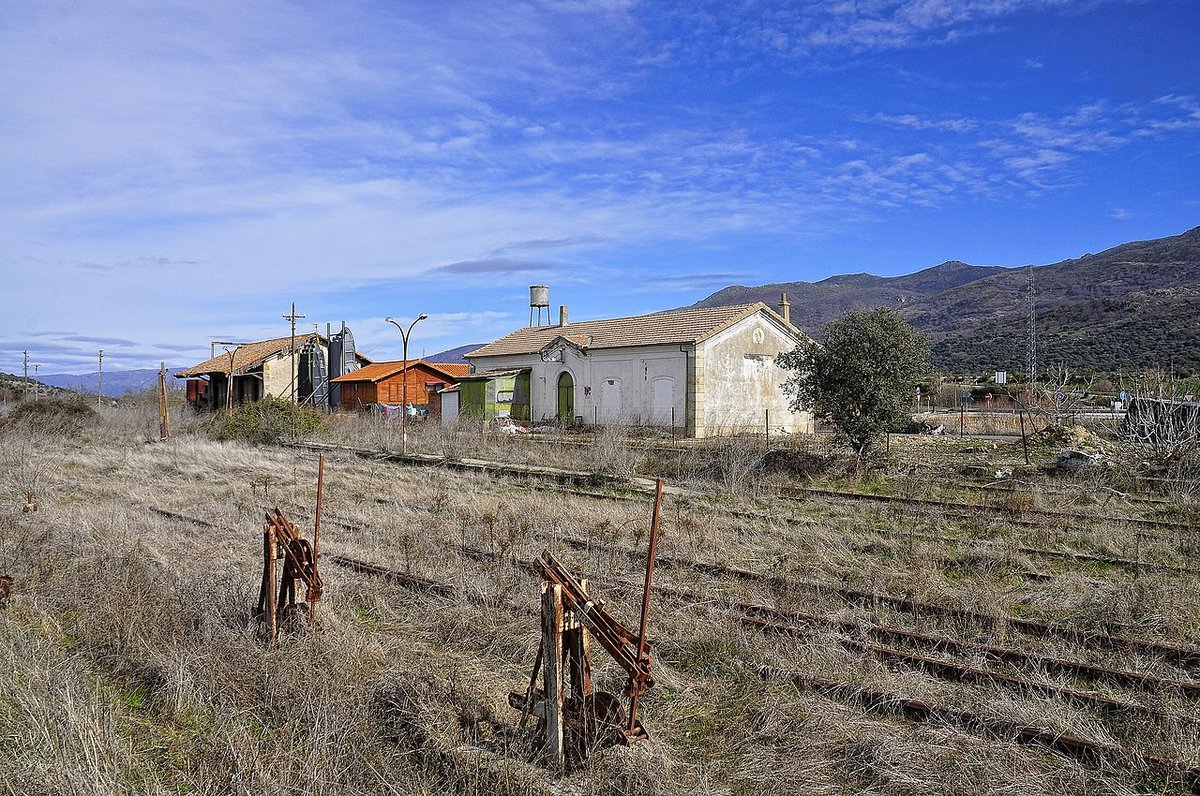
Villar de Plasencia Estación (39354014874).jpg
Frayle from Salamanca, España · CC0
Extremadura · Meadows & Conquerors

Villar de Plasencia

The church bell strikes eleven and nobody looks up. In Villar de Plasencia's single square, three elderly men continue their card game as if time w...

224 inhabitants · INE 2025
470m Altitude

Why Visit

Church of the Assumption Hiking on the Vía de la Plata

Best Time to Visit

spring

San Bartolomé Festival (August) agosto

Things to See & Do
in Villar de Plasencia

Heritage

  • Church of the Assumption
  • Silver Route

Activities

  • Hiking on the Vía de la Plata
  • Cycling tourism

Festivals
& & Traditions

Fecha agosto

Fiestas de San Bartolomé (agosto)

Las fiestas locales son el momento perfecto para vivir la autenticidad de Villar de Plasencia.

Full Article
about Villar de Plasencia

Village on the Vía de la Plata with a notable church and an abandoned railway tunnel.

Ocultar artículo Leer artículo completo

The church bell strikes eleven and nobody looks up. In Villar de Plasencia's single square, three elderly men continue their card game as if time were a neighbour who'd pop round later anyway. They're playing under a cedar that was already mature when their grandfathers returned from the Civil War, and the scene hasn't shifted much since.

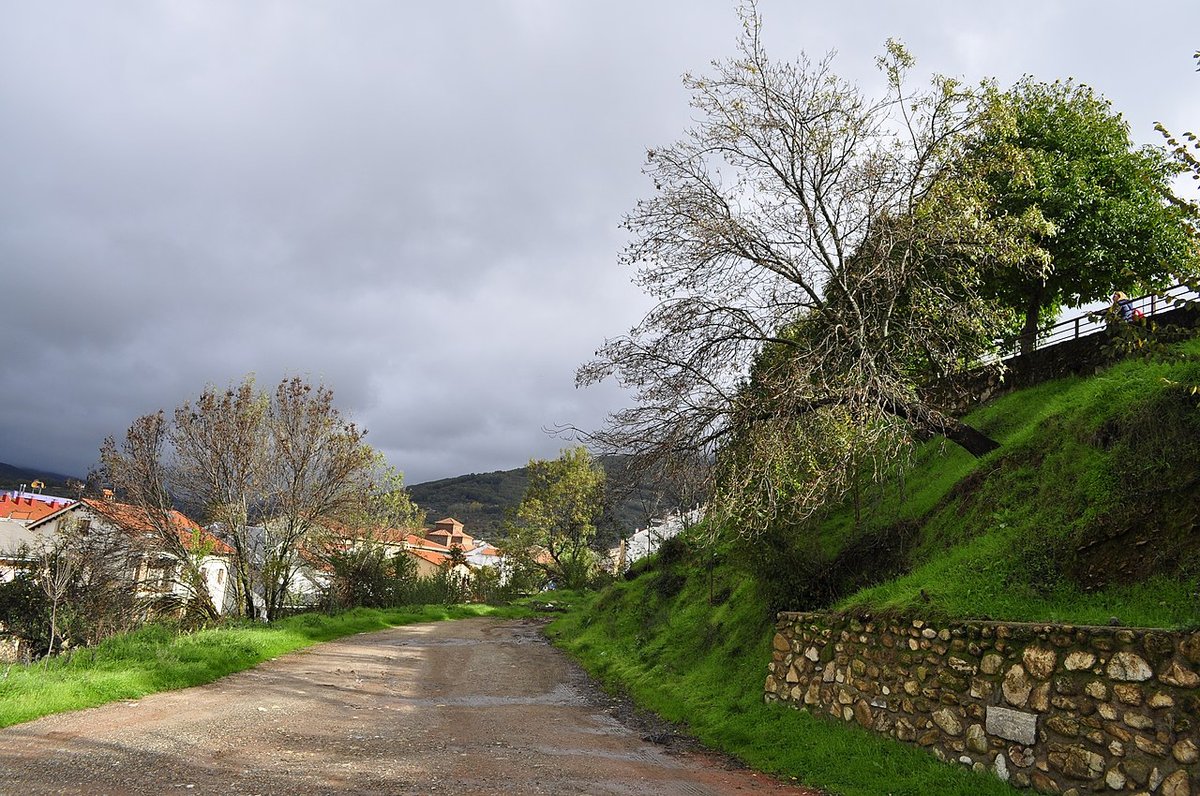
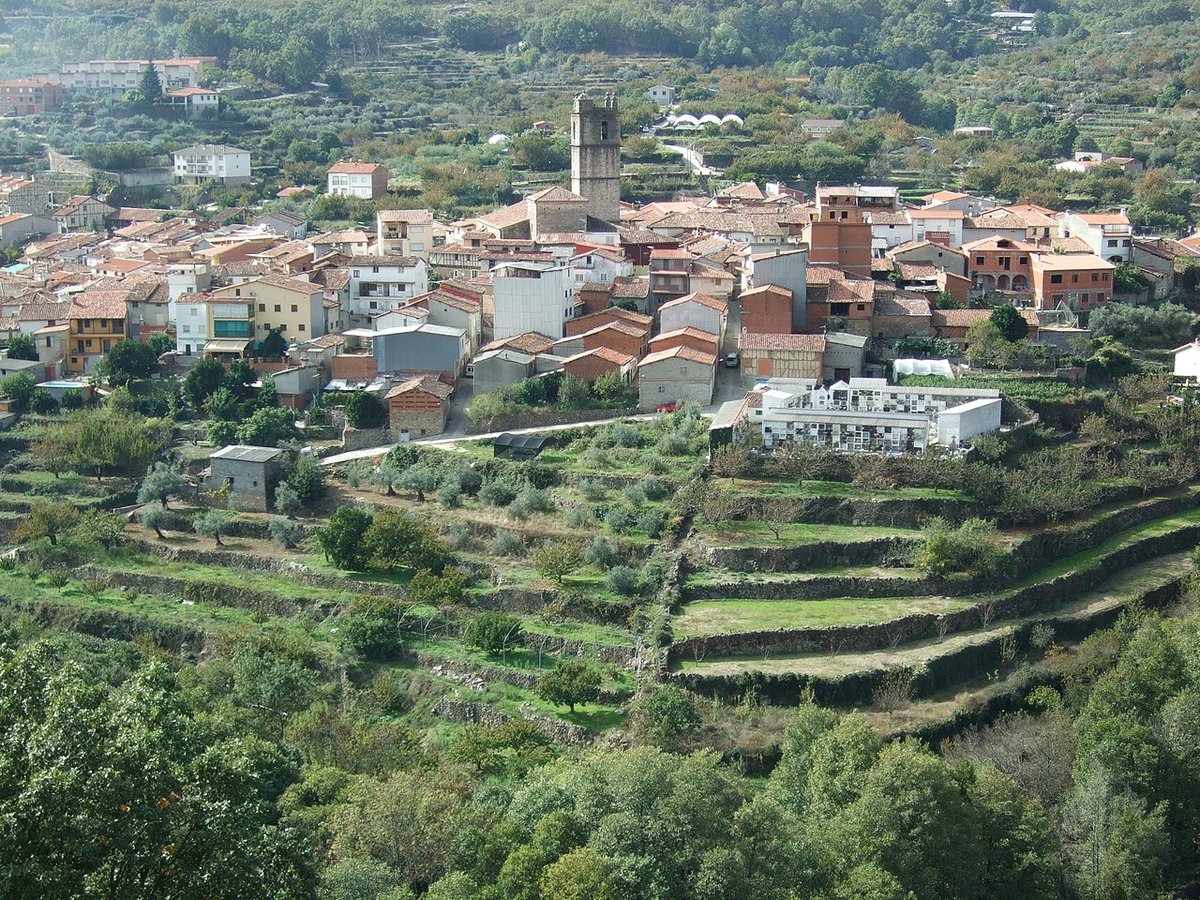
At 470 metres above the Ambroz Valley, this scatter of stone houses carries none of the manicured perfection that plagues better-known Spanish villages. Walls bulge where centuries of repairs have been slapped on with whatever came to hand—granite here, brick there, the occasional concrete patch that nobody bothered to disguise. It's refreshing, actually. No heritage committee has sanitised the place into a museum piece; people still live here, hang washing from iron balconies, and argue about where the mayor's putting the new bins.

The Architecture of Survival

Wandering the lanes demands concentration. Some are barely shoulder-width, others climb sharply enough to make calf muscles question holiday choices. The houses adapt to every contour, their ground floors three steps lower than the doorways opposite. Granite quoins jut from honey-coloured masonry, timber beams sag with the weight of terracotta tiles, and every so often a narrow pasadizo tunnels between buildings to reveal a courtyard where someone grows tomatoes in an old olive oil tin.

The sixteenth-century church of San Andrés squats at the highest point, its square tower more functional than beautiful. Inside, the altarpiece bears the scars of French troops who hacked off gold leaf during the Peninsula War; locals still point out the gashes with something approaching pride. The building stays unlocked during daylight hours, though visitors should note that morning mass runs until approximately 9.47am—timekeeping being another flexible neighbour here.

What distinguishes Villar de Plasencia from prettier counterparts is precisely this refusal to perform. There are no souvenir shops because nobody thought to open one. The nearest thing to retail therapy is the agricultural co-op on the road out, where you can buy cheese made three kilometres away and tins of olive oil with labels that peel if you look at them sternly.

Walking Through Four Seasons

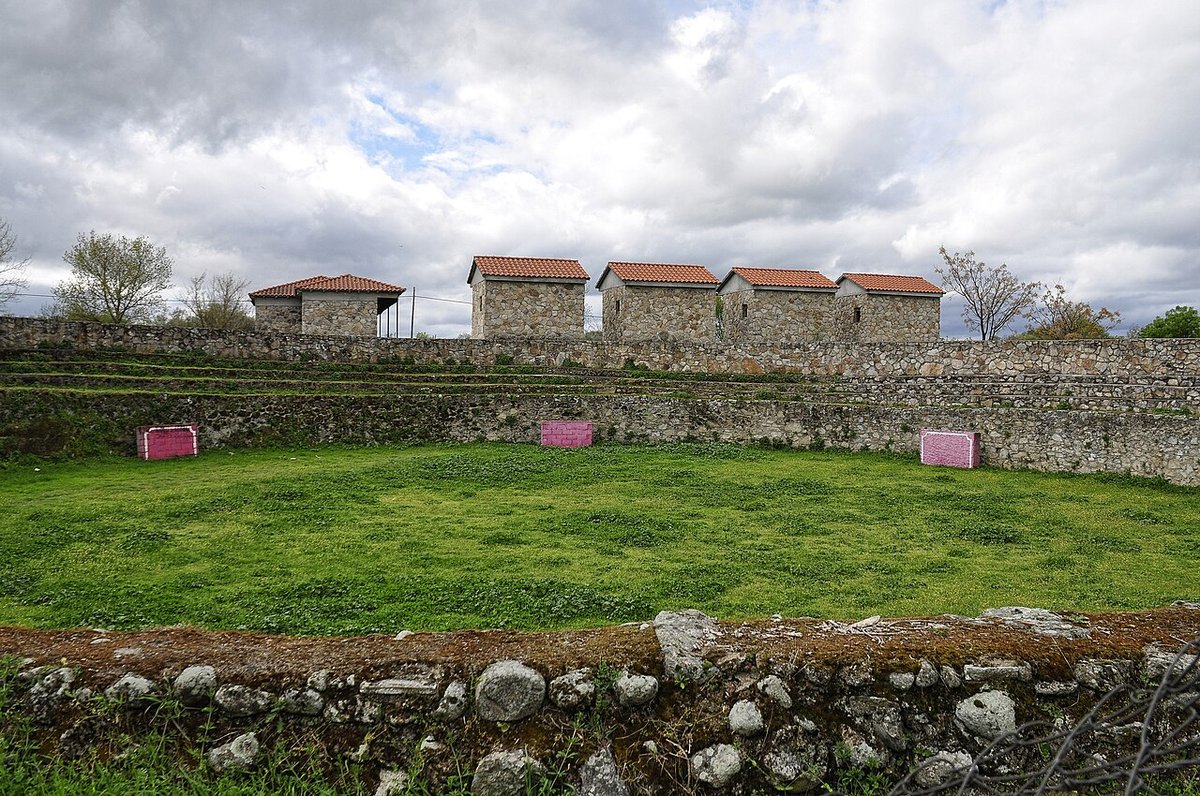
The real map of the village unfolds on foot. A five-minute stroll east brings you to the old threshing floors, stone circles where wheat was once trodden by oxen. Beyond them, a web of agricultural tracks threads through dehesa landscape—cork oak and holm oak spaced wide enough for sheep to graze beneath. These paths don't feature on tourist brochures because they were never meant for recreation; they're working routes connecting fields to farms, and you'll share them with the occasional tractor or shepherd on a moped.

Spring arrives late at this altitude. March can still whip up sharp winds that send clouds scudding across the valley, but by April the slopes blaze yellow with broom and the air fills with bees drunk on rosemary blossom. Temperatures hover around 18°C—perfect for the 6km circuit to the abandoned mills where, until the 1950s, villagers brought grain to be ground by water channelled from mountain springs. The mills lie in ruins now, their millstones cracked and ivy-choked, but stone retaining walls remain testament to engineering done without cement or machinery.

Summer proper kicks in during late June, pushing mercury towards 32°C. Shade becomes currency; the narrow streets suddenly make sense as cool tunnels between sun-bleached plazas. This is when swallows nest under eaves and the smell of wild thyme drifts down from hillsides. Evenings stretch until ten o'clock, by which time most visitors have retreated to rural houses with pools—there are three locally, none large enough for Olympic aspirations but perfectly adequate for escaping the mid-afternoon furnace.

Autumn brings the castaña harvest, the village's annual flirtation with industry. From mid-October onwards, families fan out into chestnut groves above the 600-metre contour, filling wicker baskets with fruit that will be roasted, pureed into soups, or ground into flour for cakes that taste distinctly of smoke and earth. The groves lie forty minutes' stiff climb from the church; follow the track past the cemetery and bear right at the split pine. If you're offered fresh chestnuts by someone wielding a smoke-blackened pan, accept. Refusing would mark you as certifiably mad.

Winter strips everything back. Days can be crystalline, the valley spread out like a contour map beneath your feet, but nights drop below freezing and the houses—built for summer heat—shiver. This is when you understand why every living room contains a wood-burner the size of a small car. Restaurants close, pensioners migrate to Plasencia for supplies, and the place turns inward. Access can be problematic; the EX-A1 is kept clear but minor roads ice over quickly. Unless you're renting a four-wheel-drive cottage with central heating, probably best to wait for March.

What Passes for Food Round Here

Don't arrive hungry expecting a tapas trail. The village supports one bar, El Cruce, open irregular hours that depend on whether Ángel's got enough customers to justify firing up the coffee machine. When it's operational, you can get a decent tostada with tomato and olive oil for €1.80, or a plate of jamón from pigs that lived considerably better lives than most of us manage.

For anything more substantial, you'll need wheels. Ten minutes' drive north, in Abadía, Restaurante La Perdíz serves cochinillo (suckling pig) that cracks like toffee, though you'll need to order ahead—roast meats aren't kept lounging around. Closer, at the roadside Hostal El Avión, the menu del día runs to €12 including wine and delivers exactly what you'd expect: filling, straightforward, heavy on the paprika. Vegetarians should lower expectations; even the green beans arrive topped with ham shavings.

Self-catering works better. The Tuesday market in Plasencia—eighteen kilometres away—sells produce grown within a thirty-mile radius: purple cauliflower, quince jelly, cheese wrapped in chestnut leaves that imparts a faint woodland funk. Most rural rentals come with kitchens designed for serious cooking; if yours doesn't include a proper knife, mention it to the owner, who'll probably lend you one sharp enough to sever a finger. Standards matter here.

Getting Lost Properly

Public transport exists in theory. One bus departs Plasencia at 2.15pm, arriving in Villar de Plasencia forty minutes later after stopping at every collection of houses that might conceivably contain a passenger. It returns at 6.30am the following day, a timetable devised by someone with little faith in tourism. Hire cars start at £28 daily from Plasencia station; without one you're essentially marooned.

Driving in presents its own theatre. The final approach involves a series of hairpins signed at 40kph that locals take at 70, honking melodiously before each blind bend. Ignore the urge to brake—momentum carries you up the incline. Park where the tarmac widens near the cemetery; anywhere closer to the centre risks blocking someone's great-aunt and provoking a lecture in rapid Extremaduran Spanish that sounds like Portuguese having an argument with itself.

Staying over means embracing silence. El Rincón del Villar offers three rooms from €75, each with beams rescued from a seventeenth-century granary and a hot tub positioned for valley sunsets. Alternatively, La Casa de Tía Emilia rents the entire townhouse to groups; at €140 for four people it works out cheaper than a Travelodge, though you’ll need to bring own soap and a tolerance for church bells every quarter-hour. Book directly—online platforms add 15% commission that goes straight to Silicon Valley rather than the family who’ve owned the property since 1847.

When to Cut Your Losses

Villar de Plasencia won't suit everyone. If you need nightlife beyond the occasional fiesta, stick to Cáceres. If the thought of shops closing for three hours after lunch induces panic, perhaps reconsider. The village rewards those comfortable with their own company, content to sit on a wall watching light shift across oak woodland while deciphering birdcalls. Bring walking boots, a Spanish phrasebook (older residents speak little English), and an ability to appreciate places that exist for themselves rather than your entertainment.

Come in late October when chestnut leaves turn the colour of burnt sugar and the air smells of woodsmoke and wet earth. Walk the old mule track towards Valdelastillas as the sun drops behind the sierra, then return to find the square lit by a single streetlamp and the card players still at their post. Someone will nod good evening. The bell will toll again. And you'll realise this is precisely enough.

Key Facts

Region
Extremadura
District
Valle del Ambroz
INE Code
10214
Coast
No
Mountain
No
Season
spring

Livability & Services

Key data for living or remote work

2024
Connectivity5G available
TransportTrain nearby
HealthcareHospital 6 km away
EducationElementary school
Housing~5€/m² rent · Affordable
CoastBeach 17 km away
Sources: INE, CNMC, Ministry of Health, AEMET

Planning Your Visit?

Discover more villages in the Valle del Ambroz.

View full region →

More villages in Valle del Ambroz

Traveler Reviews