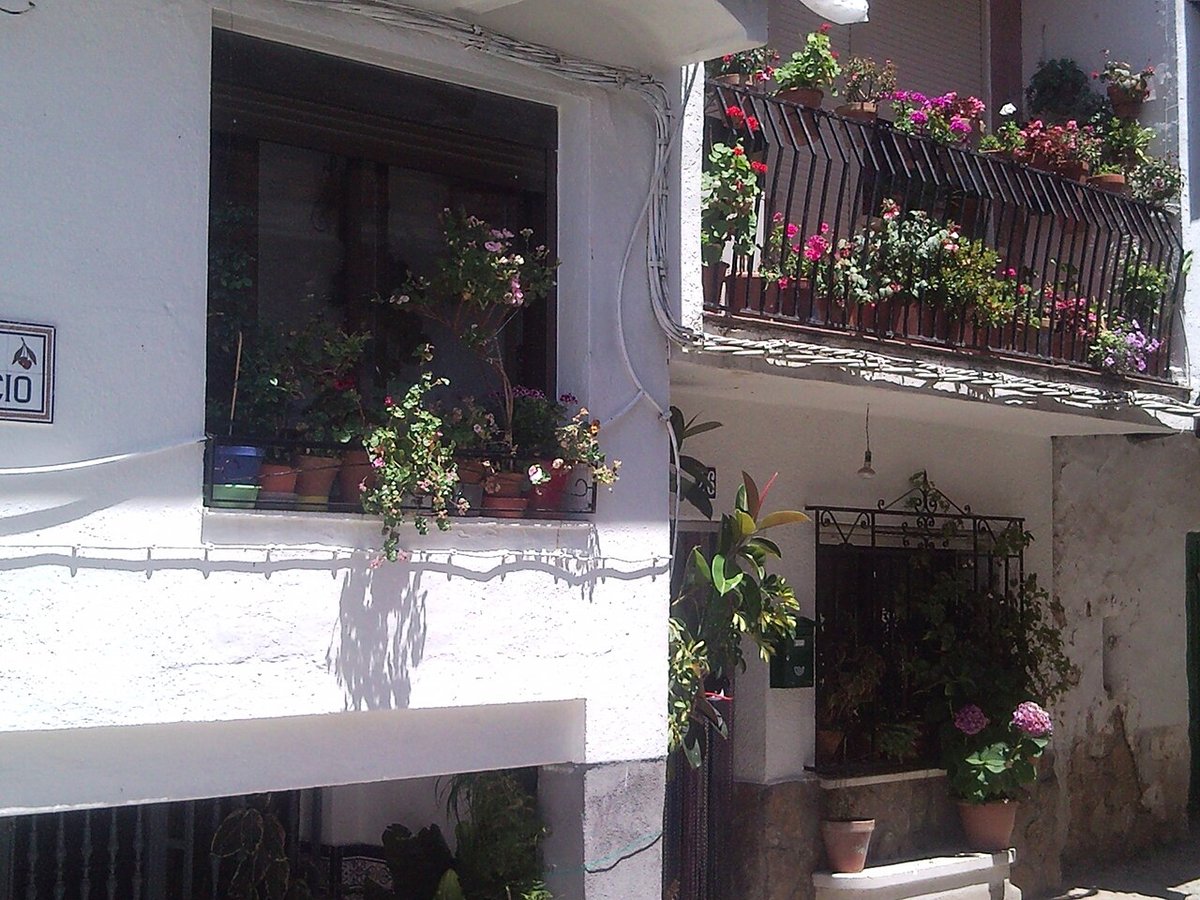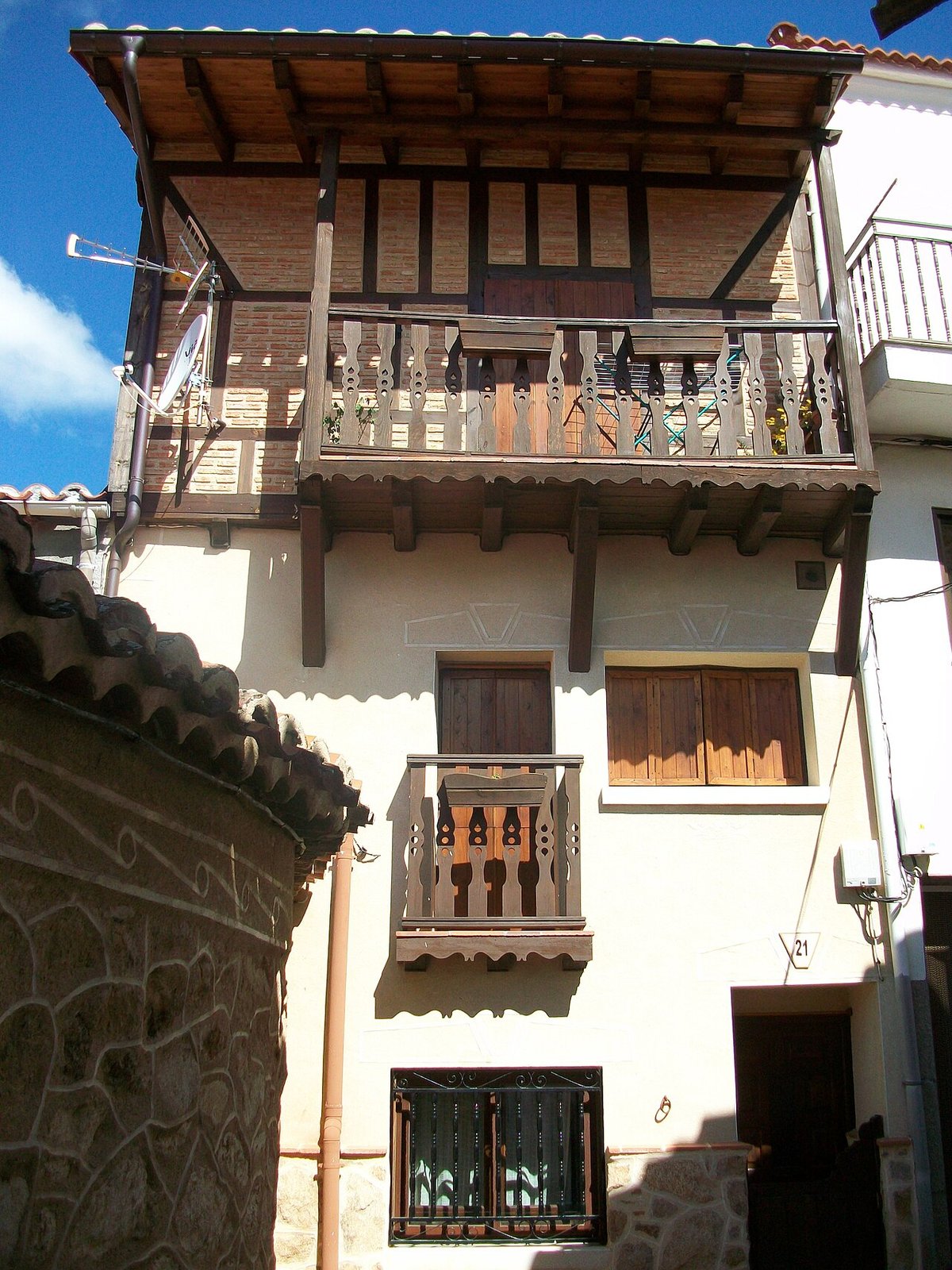
Casa barrado.jpg
Extremadura · Meadows & Conquerors

Barrado

The church bell strikes noon, and the only other sound is water tumbling down a slate gully towards the valley floor 800 metres below. Barrado has ...

383 inhabitants · INE 2025
804m Altitude

Why Visit

Mountain San Sebastián Church Waterfall Route

Best Time to Visit

spring

San Sebastián festivities (January) agosto

Things to See & Do
in Barrado

Heritage

  • San Sebastián Church
  • Solana Oak

Activities

  • Waterfall Route
  • Hiking through valleys
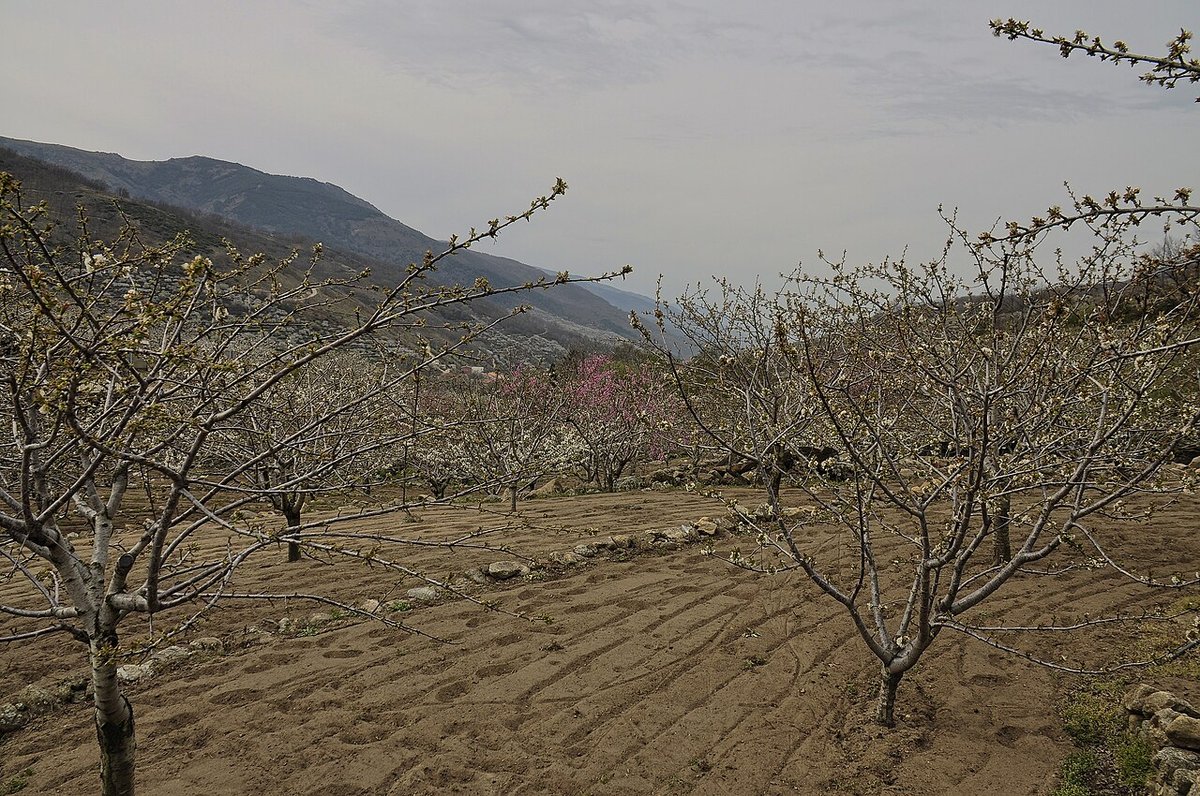
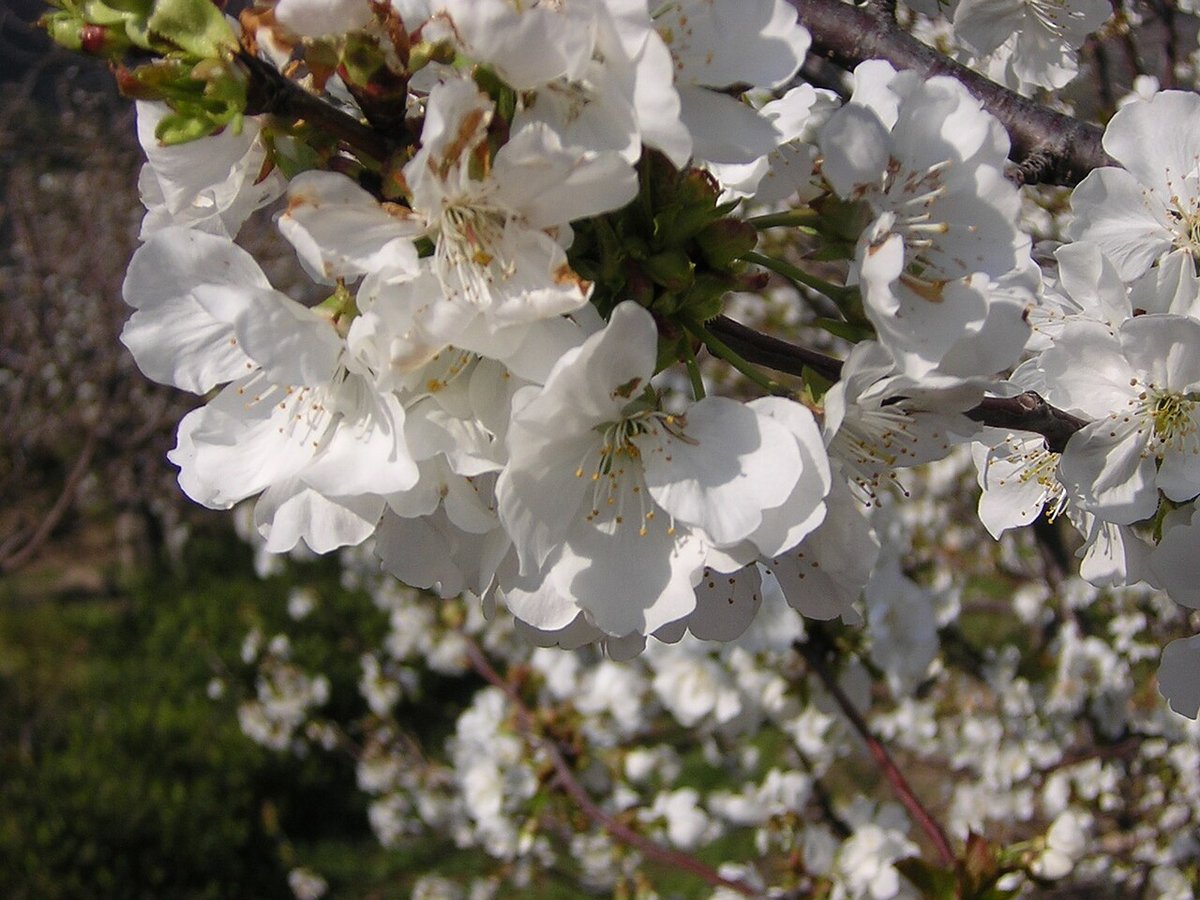
  • Cherry-tree photography

Festivals
& & Traditions

Fecha agosto

Fiestas de San Sebastián (enero), Virgen del Viso (agosto)

Las fiestas locales son el momento perfecto para vivir la autenticidad de Barrado.

Full Article
about Barrado

Natural lookout between the Jerte and Vera valleys, known for its oak groves and cherry trees; an authentic mountain village

Ocultar artículo Leer artículo completo

The church bell strikes noon, and the only other sound is water tumbling down a slate gully towards the valley floor 800 metres below. Barrado has that effect—time measured by shadows shortening on stone, not by mobile-phone clocks. At 804 metres above sea-level, this ridge-top settlement in the Valle del Jerte feels closer to the Sierra de Tormantos than to the cherry-farm brochures that dominate the regional tourist office. Come for blossom if you wish, but stay for the chestnut woods, the gorge pools and the satisfaction of a village that still makes its own rules.

Stone, slate and the smell of wet chestnut leaves

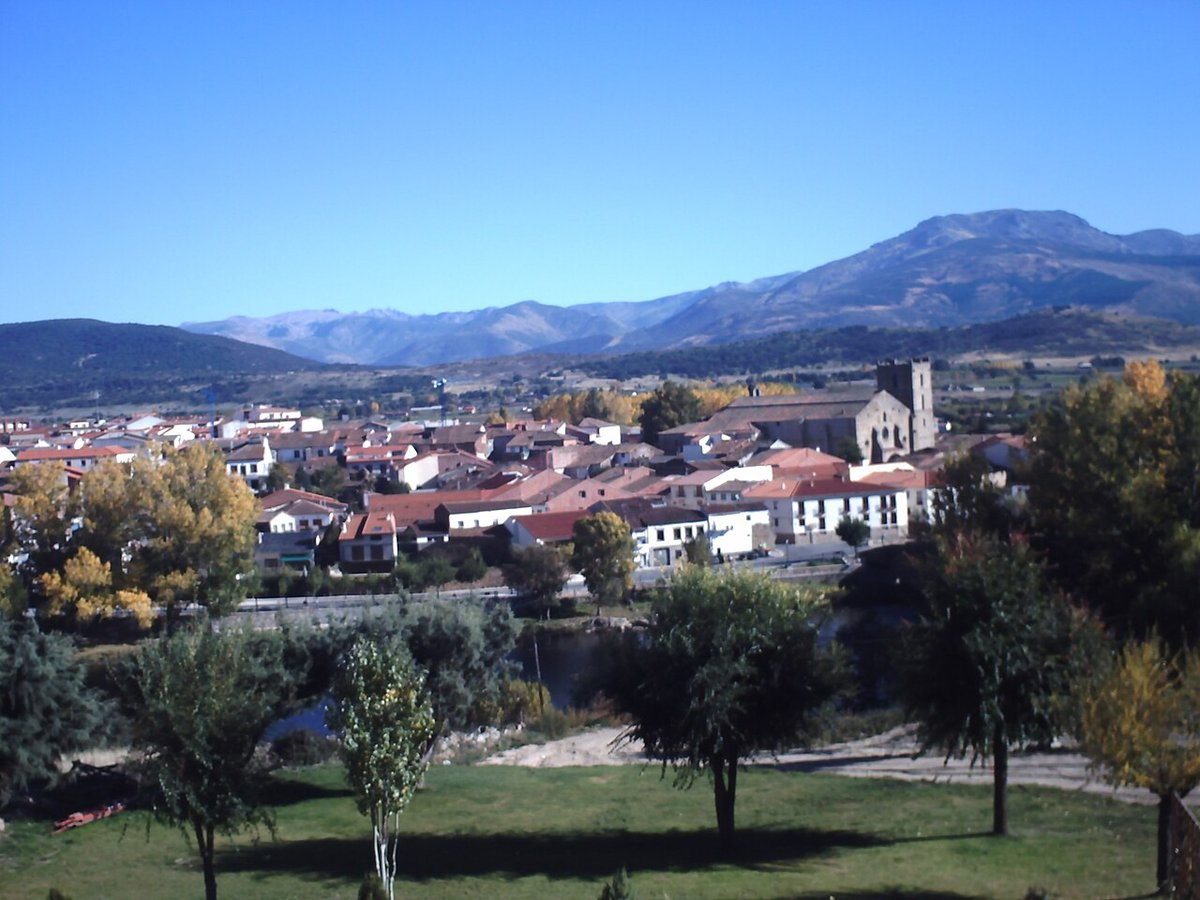
Barrado’s houses climb a south-facing fold in the mountain like barnacles on a rock. Roofs are layered grey slate; walls are chunkier granite hauled uphill centuries ago. Balconies—mostly wooden, some painted Republican red—throw geraniums into the monochrome. The streets are barely two mules wide, and the gradients punish anyone who ignored the training shoes advice. Park at the entrance sign: from there it is a five-minute calf-burner to the small plaza in front of the sixteenth-century Iglesia de San Sebastián. The building is plain, almost barn-like, but its bell tower is the compass point for every path in and out of town.

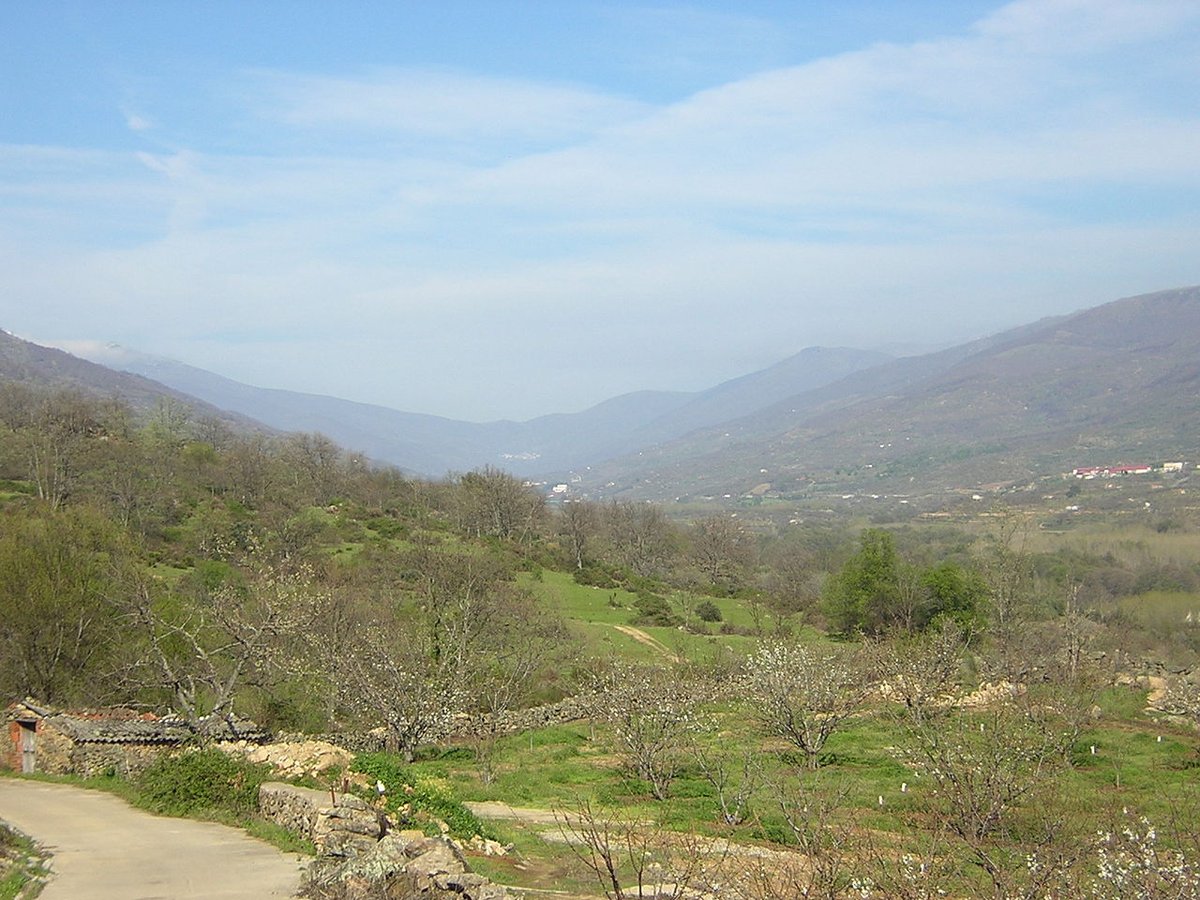
Look up during the walk and you will notice the valley view stealing through gaps in the houses: a green carpet of cherry terraces that ends at the almond-coloured stripe of the EX-204 far below. That panorama is Barrado’s unofficial income—weekenders from Madrid rent cottages here precisely because the village sits above the traffic, not in it.

Water, not blossom, is the summer draw

Cherry blossom brings coach parties to nearby valleys, yet up here the season is shorter and the trees fewer. Barrado’s trump card is the Garganta de Barrado, a side ravine that funnels a permanent stream into a chain of swimming holes. Ten minutes down a stony track east of the church, the water appears—first as a trickle between ferns, then as chest-deep pools big enough for a proper swim. The rock is smooth, the water temperature rarely climbs above 18 °C even in August, so arrive before 11 a.m. if you want solitude; by 1 p.m. Spanish families appear with cool-boxes and inflatable dolphins.

The full gorge walk takes about two hours each way, but few visitors bother. Turn back when the path narrows and the brambles start scratching—what matters is the sound of water echoing off slate and the relief of shade when the valley’s midday heat becomes oppressive.

Autumn gold and winter quiet

October transforms the upper slopes into a rust-coloured amphitheatre. Chestnut harvesting is still done with long canes and wicker baskets, and locals will tell you—politely but firmly—which groves are private. Several guesthouses organise accompanied collecting mornings; expect to pay €15–20 per person, which includes a kilo of chestnuts and instructions on how to roast them without turning the kitchen into a fireworks display. The same month sees the Feria de la Castaña in nearby Cabezuela del Valle: Barrado’s residents descend for the day, returning uphill at dusk with plastic bags bulging like Victorian balloons.

Winter is when the village remembers it has only 350 inhabitants. Snow is occasional but frost is guaranteed; night temperatures of –5 °C are common. Roads are gritted, yet the final 6 km from the valley floor can ice over. Chains are rarely needed, but a scraper and de-icer make the 08:30 dash to the bread van considerably less miserable. The reward is silence so complete you can hear a slate tile slip three roofs away.

Goat stew and timetable flexibility

Food is mountain-plain: migas fried in chorizo fat, kid goat slow-cooked with bay leaves, trout from valley farms when the water is high. Chestnuts reappear in everything—purée under a wedge of goat cheese, or candied and folded into thick custard called natillas. Do not expect a high street of restaurants; Barrado supports one bar, usually open Thursday to Sunday, and two rural houses that cook on request. Booking the day before is essential, and mealtimes slide to suit whoever is in the kitchen. If you need a 19:00 table, drive down to Jerte town; if you can eat at 21:30 when the mountain air smells of wood smoke, stay put.

Beds, bandwidths and bringing cash

Accommodation is limited to a handful of conversions. El Callejón de Barrado has seven rooms built into an alley so narrow guests can shake hands across it; thick stone walls mean Wi-Fi wheezes and mobile signal jumps between one bar and none. Las Calabazas is a single cottage 200 metres outside the centre—better for couples who want starlight without neighbour noise. Both places close January to mid-February while owners travel, so check before booking flights. Neither accepts American Express, and the nearest cash machine is 12 km away in Jerte town. Fill the wallet before the final climb.

Getting there—and away again

No UK airport offers direct flights to the region; most visitors land at Madrid, collect a hire car and head west on the A-5 for 180 km. Leave the motorway at Navalmoral de la Mata, pick up the EX-118, then snake north for 35 minutes until a brown sign points left to Barrado. The last stretch climbs 400 metres in 6 km; the road is wide enough for two small cars but not for two vans. Meeting a local delivery lizard requires reversing to the nearest passing place—polite flashing of hazards is the accepted thank-you. Public transport exists on Tuesdays and Fridays only: a bus leaves Plasencia at 14:00, returns at 07:00 next day. Miss it and you are sleeping among the chestnut trees whether you planned to or not.

What can go wrong

Summer visitors underestimate the sun at altitude; there is no beach umbrella rental and the single village shop sells factor 15 at airport prices. Spring hikers arrive expecting a cherry wonderland and find instead a scattering of blossom among green pasture—Instagram will survive the disappointment, but tempers fray when the car park is full of photographers who got the location wrong. In autumn, chestnut foraging without permission can lead to an €80 on-the-spot fine; the same woods are hunted for wild boar at weekends, so stick to marked tracks if you dislike the sound of rifle shot echoing off the gorge.

Worth the detour?

Barrado will never compete with Andalusian white villages for postcard perfection, nor with San Sebastián for culinary fireworks. What it offers is something British hikers claim to want but rarely choose: a functioning Spanish village that has not redesigned itself around coach toilets and souvenir tea-towels. Bring sturdy shoes, a tolerance for irregular meal times and a readiness to climb three flights of stone steps for a view. Do that, and the bell at San Sebastián might become your own midday reminder that clocks are optional when you live on a mountain.

Key Facts

Region
Extremadura
District
Valle del Jerte
INE Code
10025
Coast
No
Mountain
Yes
Season
spring

Livability & Services

Key data for living or remote work

2024
Connectivity5G available
HealthcareHospital 18 km away
EducationElementary school
Housing~5€/m² rent · Affordable
CoastBeach nearby
January Climate4.9°C avg
Sources: INE, CNMC, Ministry of Health, AEMET

Planning Your Visit?

Discover more villages in the Valle del Jerte.

View full region →

More villages in Valle del Jerte

Traveler Reviews