Full Article
about Cabezuela del Valle
Historic capital of the Jerte, with its old quarter declared a heritage site and natural pools in the river.
Hide article Read full article
A village that climbs the slope
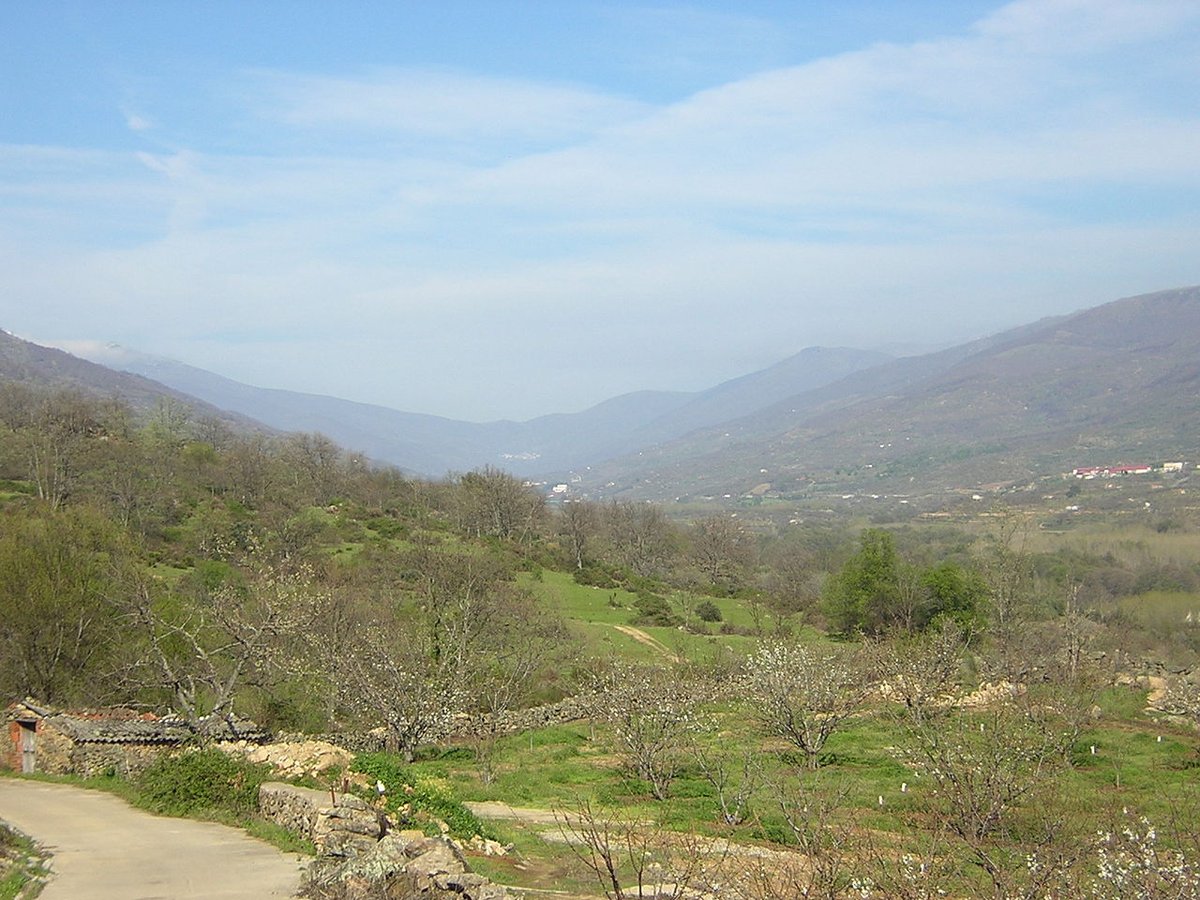
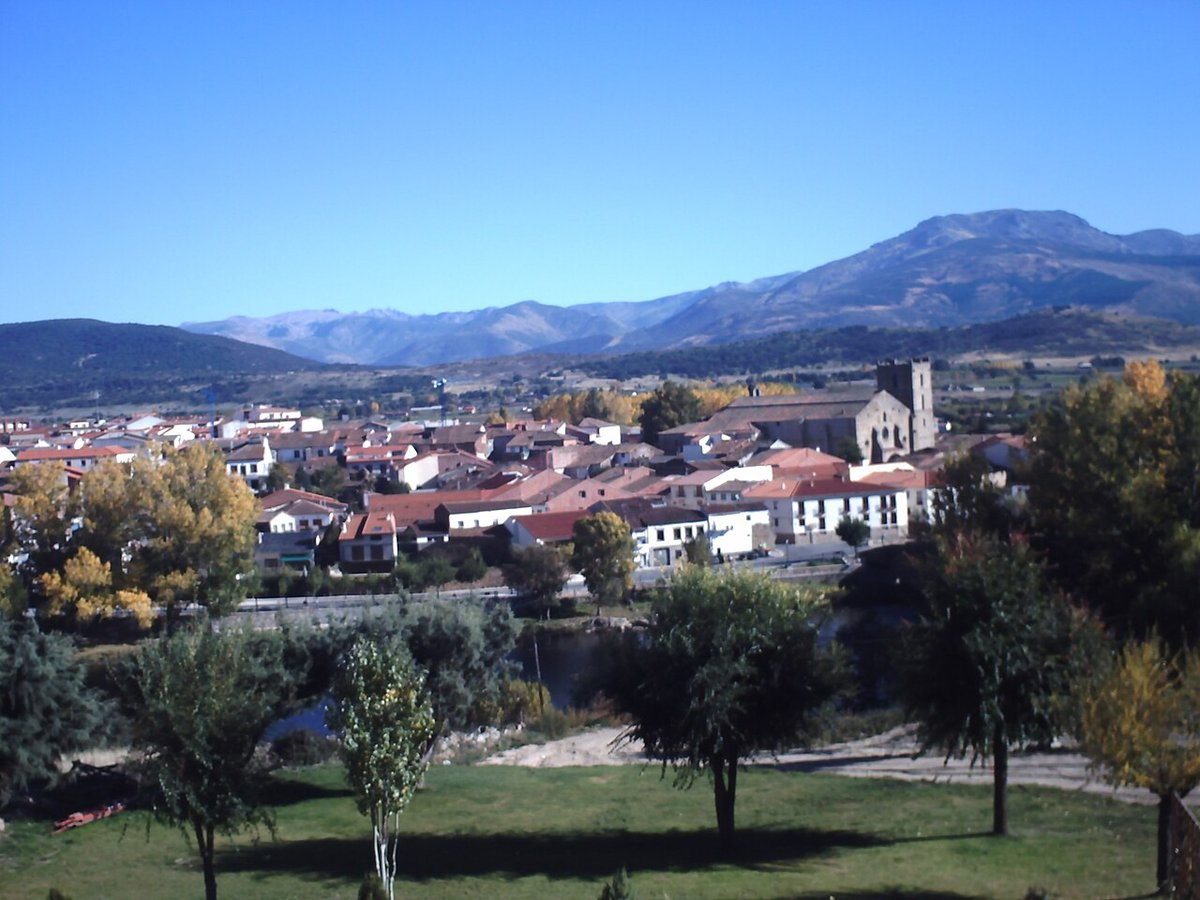
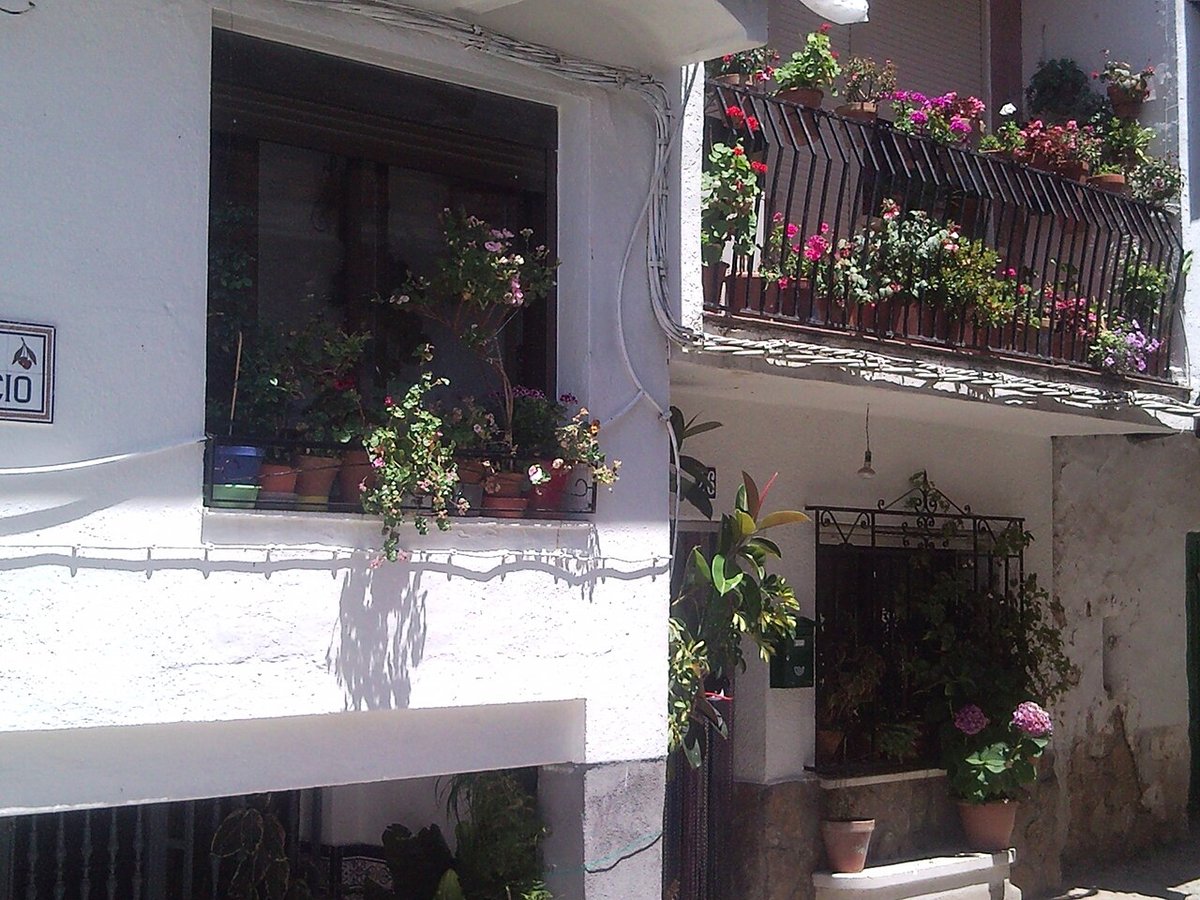
Some places make sense only after you arrive. Cabezuela del Valle works the other way round. Even before reaching it, the Jerte valley announces itself: the river nearby, orchards everywhere, and a sweet smell that at times suggests ripe fruit and damp wood. Then the village appears, set on the hillside, as if the houses had been placed one above another with patient care.
Cabezuela is the head of the valley, and it shows. While other Jerte villages stretch along the river, this one climbs. The streets are in a constant incline, the sort that makes you reconsider where you left the car.
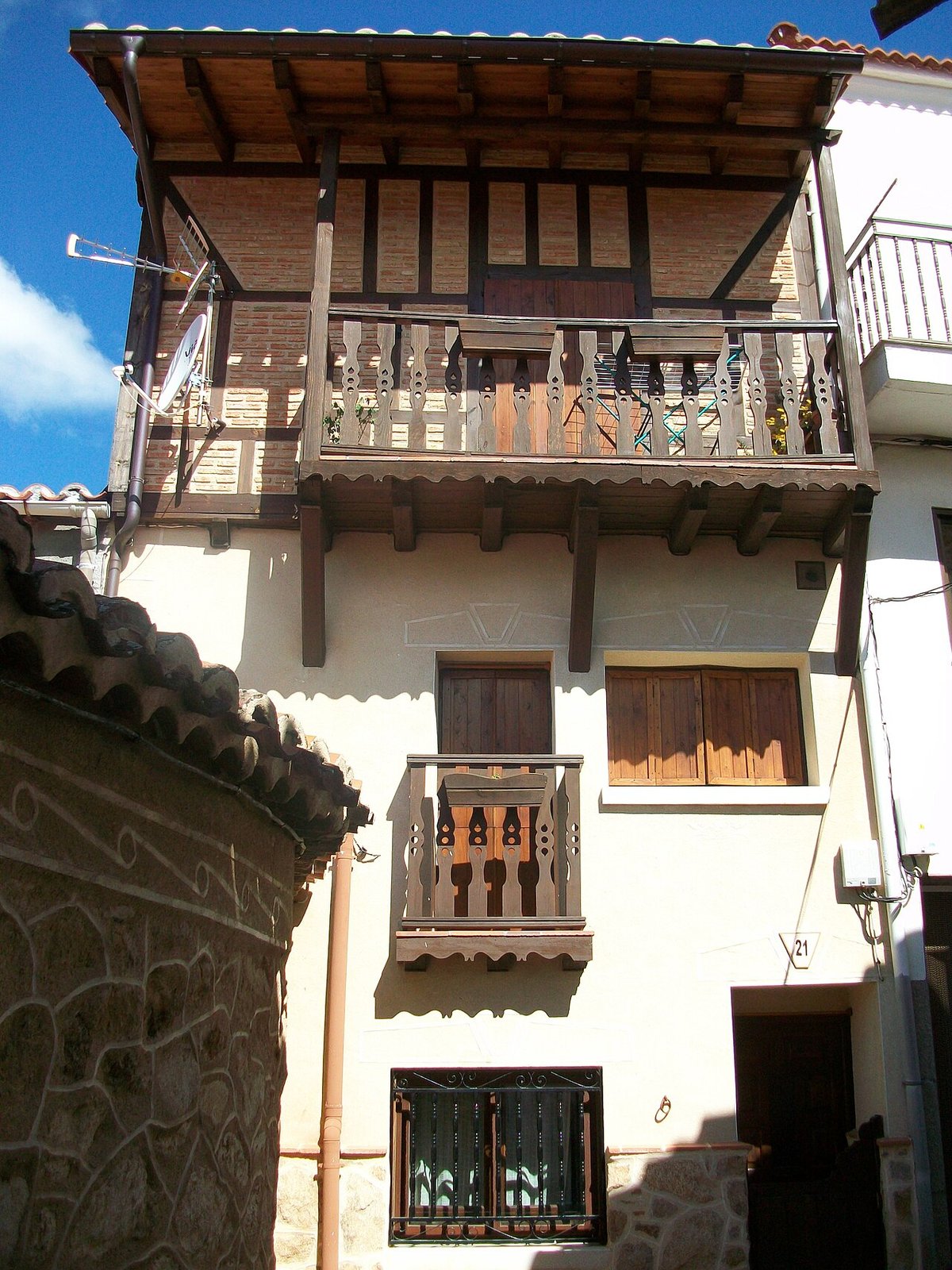
The old quarter brings together timber framing and stone, a combination seen across the valley but especially concentrated here. It is protected as a historic ensemble. Streets around the Portal Viejo and Calle de la Cárcel are often mentioned when talking about the village’s Jewish past, which left a clear mark on the layout.
In the Plaza Mayor stands the rollo de justicia, a stone column that symbolised the town’s jurisdiction. It was not exactly a gallows, despite what is sometimes said, but it made clear who held authority. Today the square is more a meeting point and a place people pass through.
The church of San Miguel dominates the centre. The current building took shape between the late Middle Ages and later centuries, with additions and alterations over time. Inside, a Baroque altarpiece catches the eye, competing in brightness with the light that comes through the windows.
When the valley turns white
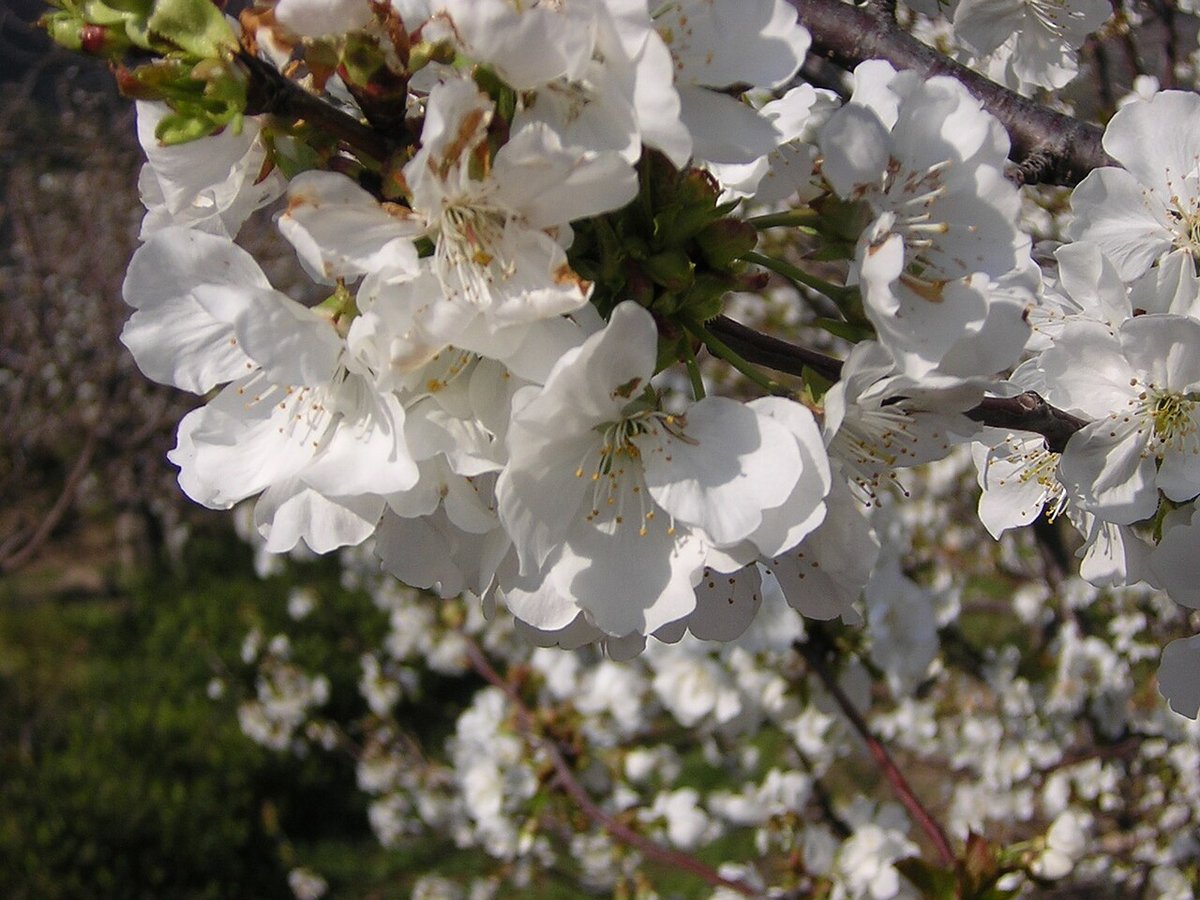
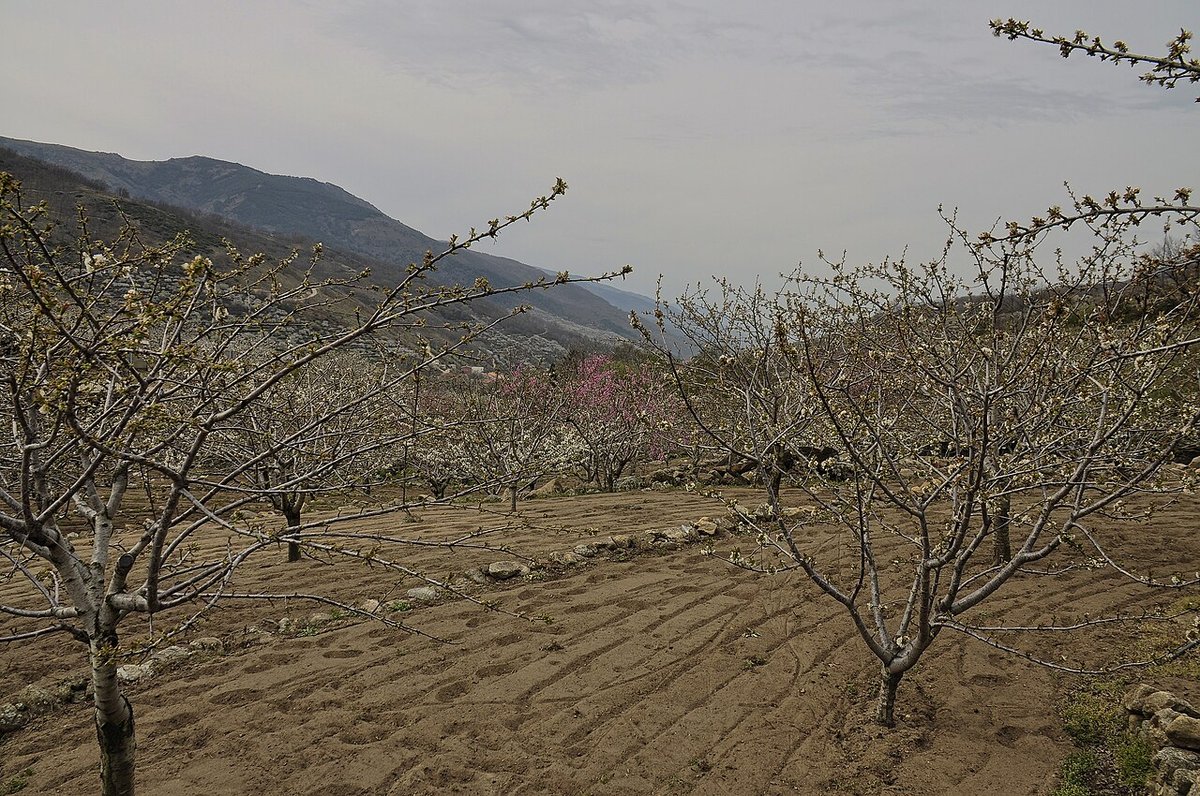
Spring brings the scene that made the Jerte famous: cherry blossom. For a few days, sometimes longer depending on the year, the slopes turn white and the whole valley feels transformed.
Cabezuela experiences that moment intensely. Cars arrive in large numbers, roads fill up, and the atmosphere has something of an improvised pilgrimage. In some years, activities and walking routes are organised around the blossom, though often the best plan is simply to walk along the paths between terraced plots.
Once the peak passes, the village returns to its usual pace. The Museo de la Cereza helps explain how central this crop is here: when trees are pruned, when cherries are picked, and why the picota del Jerte is so well known. Close by, there is also a small school museum set in a former school building, with wooden desks, old maps and classroom materials from past decades.
River life and easy walks
The river Jerte runs through the village and shapes daily life in summer. When the heat rises, locals talk about the river pools as if they were the beach. Names like La Picaza or Pescarona come up when someone asks where to cool off.
The water stays cold, even in July. It is the kind that makes you hesitate before getting in.
There are several walking routes in the surrounding area. One of the best known is the route of the miradores, a circular walk above the village that alternates between paths through cherry trees and viewpoints looking out across the valley. It is not a technical hike, though it does involve some climbs.
Another option is to walk up to the sanctuary of the Virgen de Peñas Albas, the village’s patron saint. It stands high in the mountains overlooking Cabezuela, and the path begins almost from the edge of the town. The ascent can be done at a relaxed pace, and the views over the valley make the effort worthwhile. Each September, a romería, a traditional pilgrimage and festival, is held there.
From river trout to patatera
Food in the valley keeps things simple, and it works. Trout from the Jerte appears frequently, usually prepared without much fuss.
There are also more substantial dishes. Migas extremeñas come with meat and, when in season, grapes. They are filling and tend to slow the pace for the rest of the day.
The picota del Jerte deserves its own mention. It is smaller and darker than other cherries and is usually picked without the stalk. It is used in jams, liqueurs and a range of homemade sweets.
Another distinctive product is patatera, a type of sausage made with paprika and potato. It can be surprising at first, yet it forms part of the traditional pantry here. In many homes, people still prepare tostón del Valle, a simple sweet made with almond and egg that often appears at celebrations.
A place to take at its own pace
Cabezuela del Valle is not a large village and does not try to be. It can be explored in a long morning, especially if wandering without a map and stopping at the viewpoints that appear between the houses.
It works well as a base for getting to know the valley. A walk through the old streets, a visit down to the river, an unhurried meal, and then time to head out towards nearby villages.