Full Article
about Cabrero
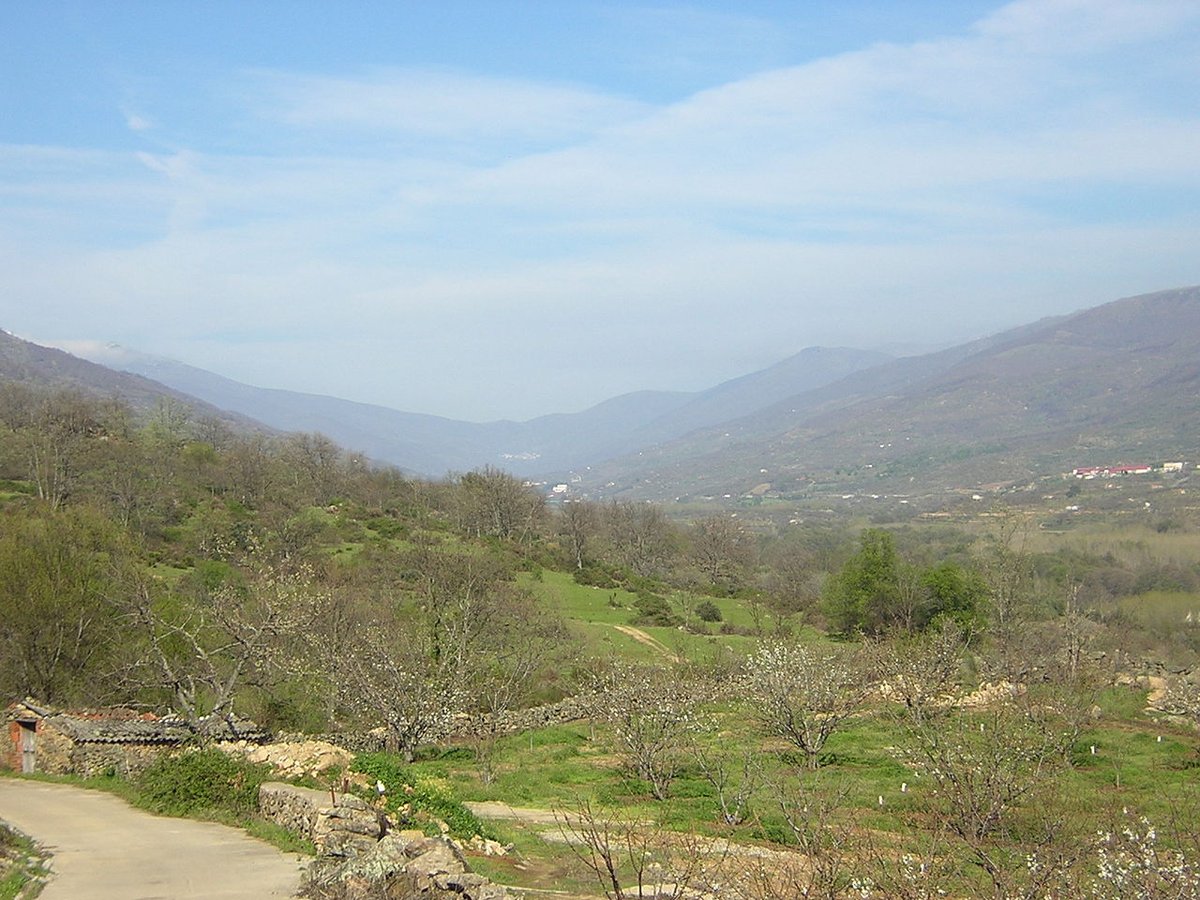
Small mountain town with well-preserved traditional architecture and views over the Jerte valley.
Hide article Read full article
A hillside village that wakes gently
Early in the morning, when the light still filters low through the chestnut trees, Cabrero takes its time. A door opens, a wooden shutter snaps into place, water can be heard running down the valley. From many points in the village, the slope comes into view, lined with terraces and trees. That mix of small खेती plots, woodland and stone says a lot about how life works here.
Tourism in Cabrero means stepping into a small village in the Valle del Jerte, sitting at around 735 metres above sea level, where the landscape still sets the pace. The population barely rises above three hundred, and that becomes obvious straight away. There are only a few streets, everything is close together, and each house seems part of the same old fabric that climbs and dips along the hillside.
Stone streets and houses shaped by the land
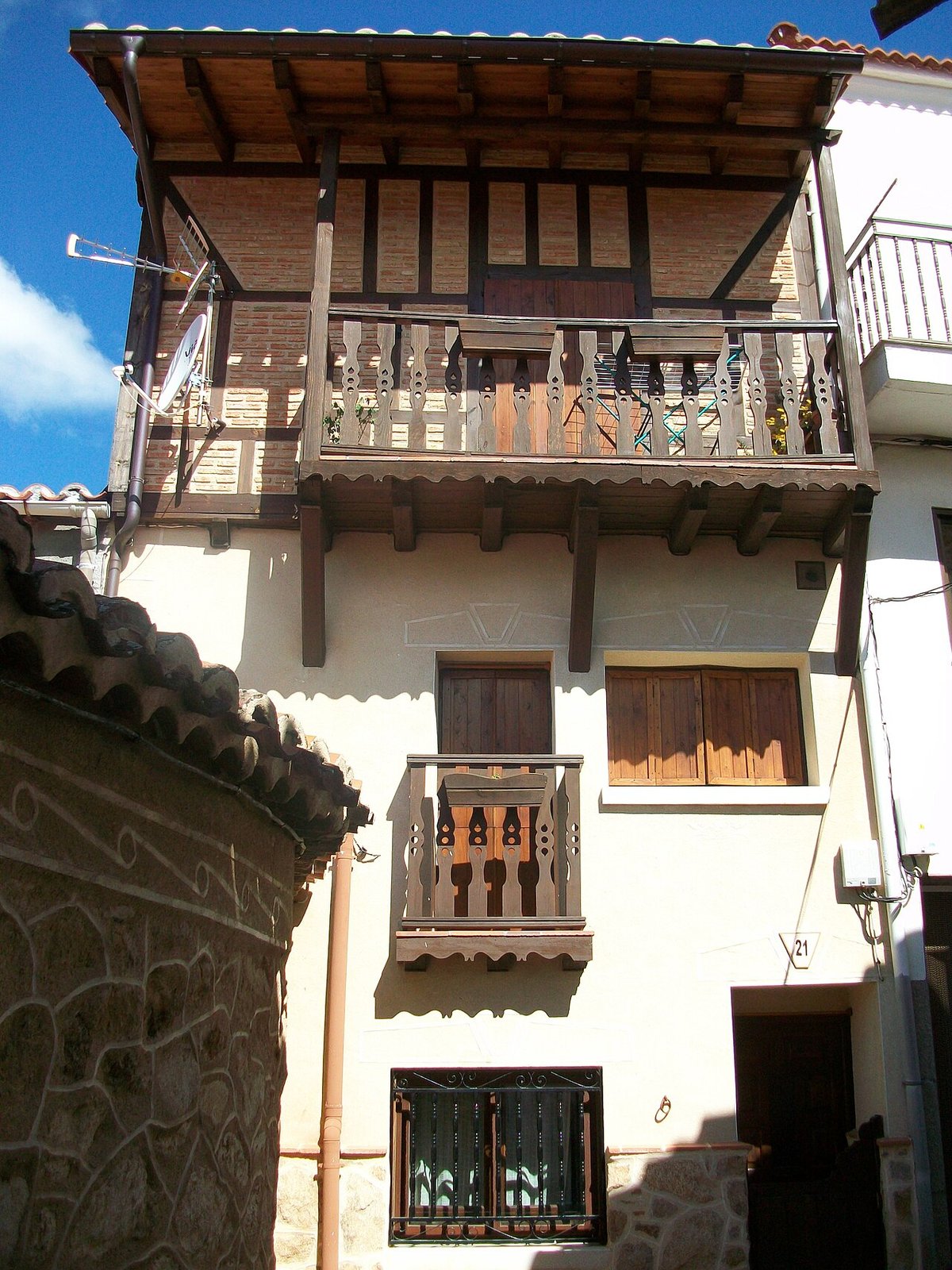
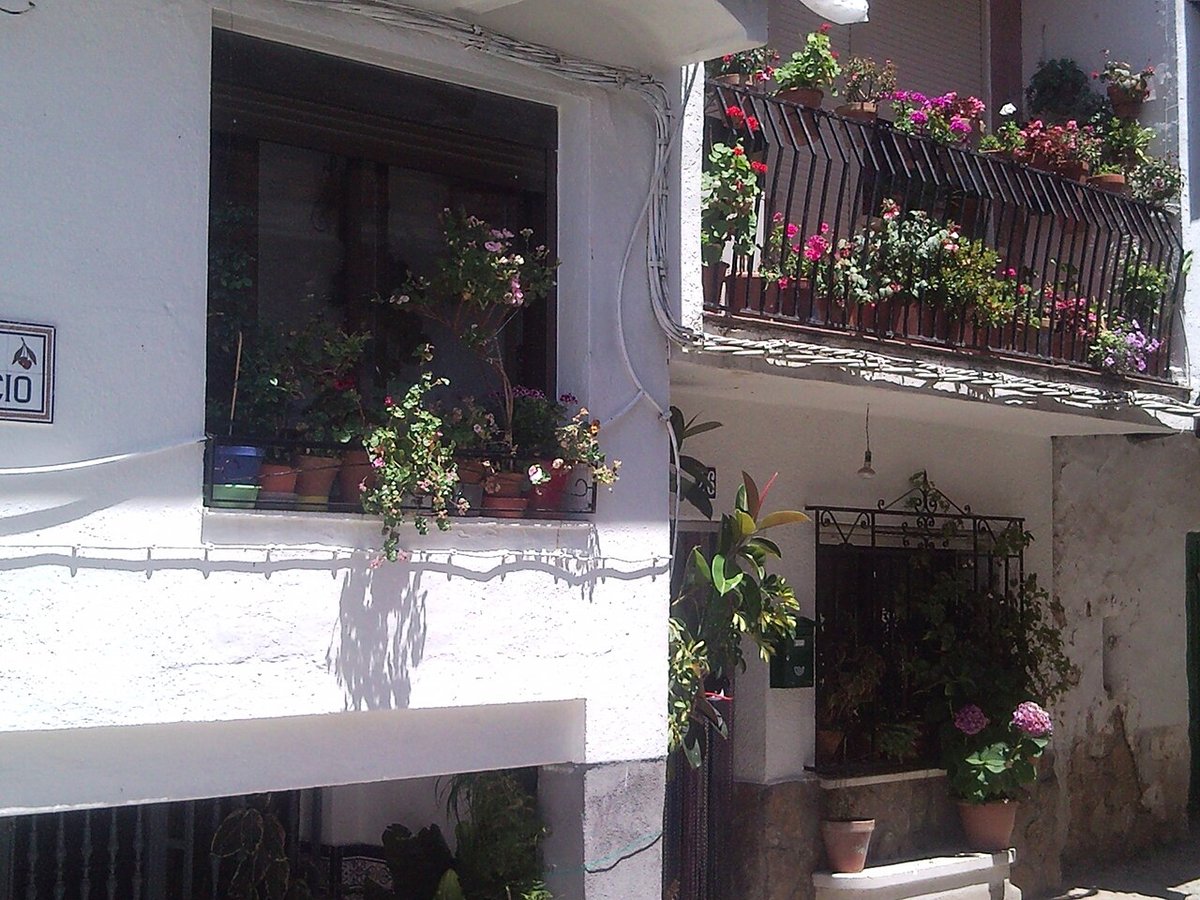
The centre is compact, but it rewards a slow walk. Streets are narrow and cobbled, with stretches that climb steeply, where façades nearly touch across the way. Many houses combine stone, adobe and dark wood, especially in balconies that jut out just enough to hang clothes or tools.
Some homes still have wide doorways and small animal enclosures built into the structure itself. For a long time, livestock was part of daily life, and that layout remains, even if its purpose has shifted.
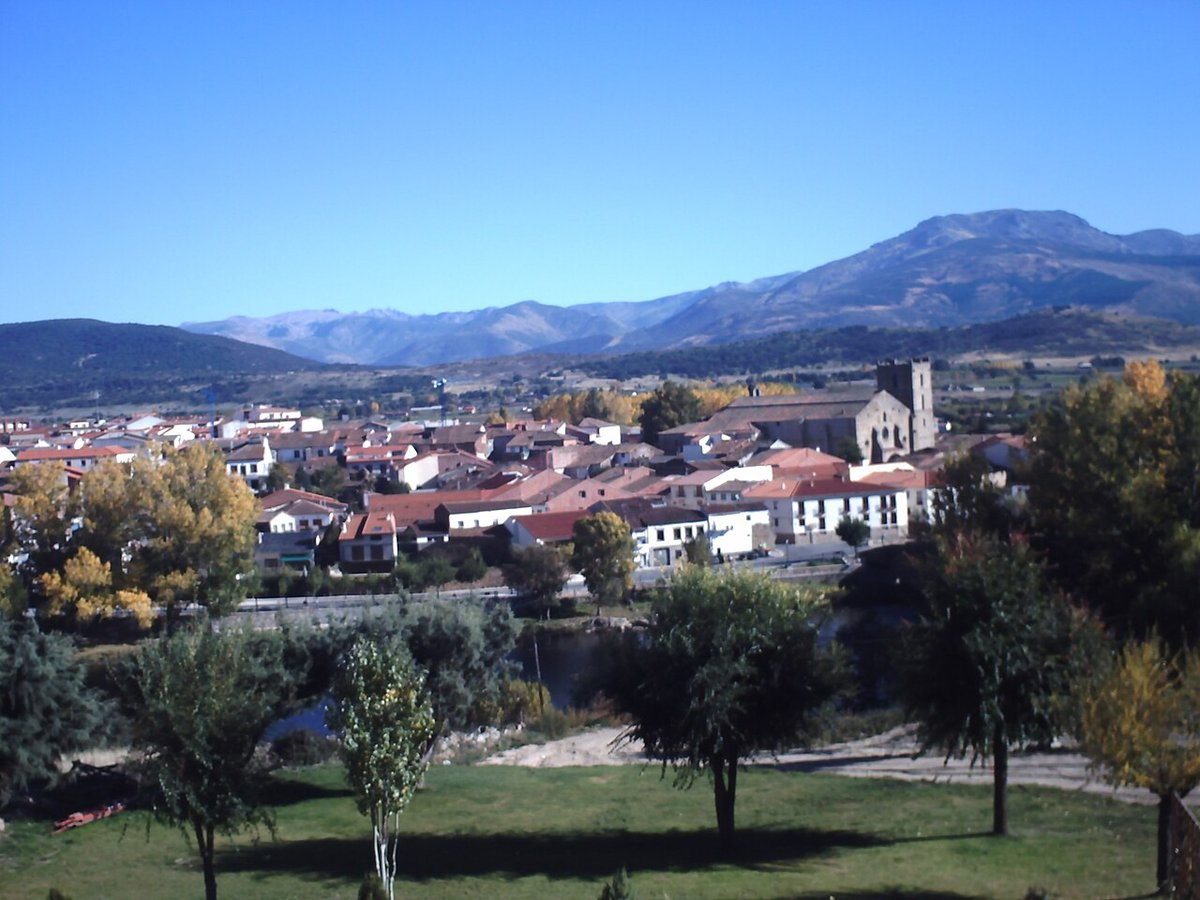
The church of San Bartolomé stands near the centre. Its stone walls are plain, and a square bell tower rises above the rooftops, visible from different parts of the village. It is not a monumental building. It works more as a point of reference, the place where neighbours cross paths and conversations unfold at different times of day.
Paths through chestnut and oak
Beyond the last houses, the paths begin. Within minutes, the ground changes from stone to earth, and large chestnut trees appear, some very old, with thick, twisted trunks.
Cabrero sits on the slope of the Sierra de Tormantos, and from here paths lead out towards other parts of the Valle del Jerte. Some descend towards the valley floor, while others climb into more open hillside. There are simple routes that can be done in a morning, and others that involve steeper climbs.
In autumn, the ground is often covered with dry leaves and opened chestnut husks. Walking brings a constant crunch underfoot. In spring, the green becomes much more intense, and the valley fills with movement as agricultural work picks up again.
If you plan to take less-used paths, especially after rain, it is worth asking in the village about current conditions. Some tracks can become slippery or overgrown.
A landscape shaped by the seasons
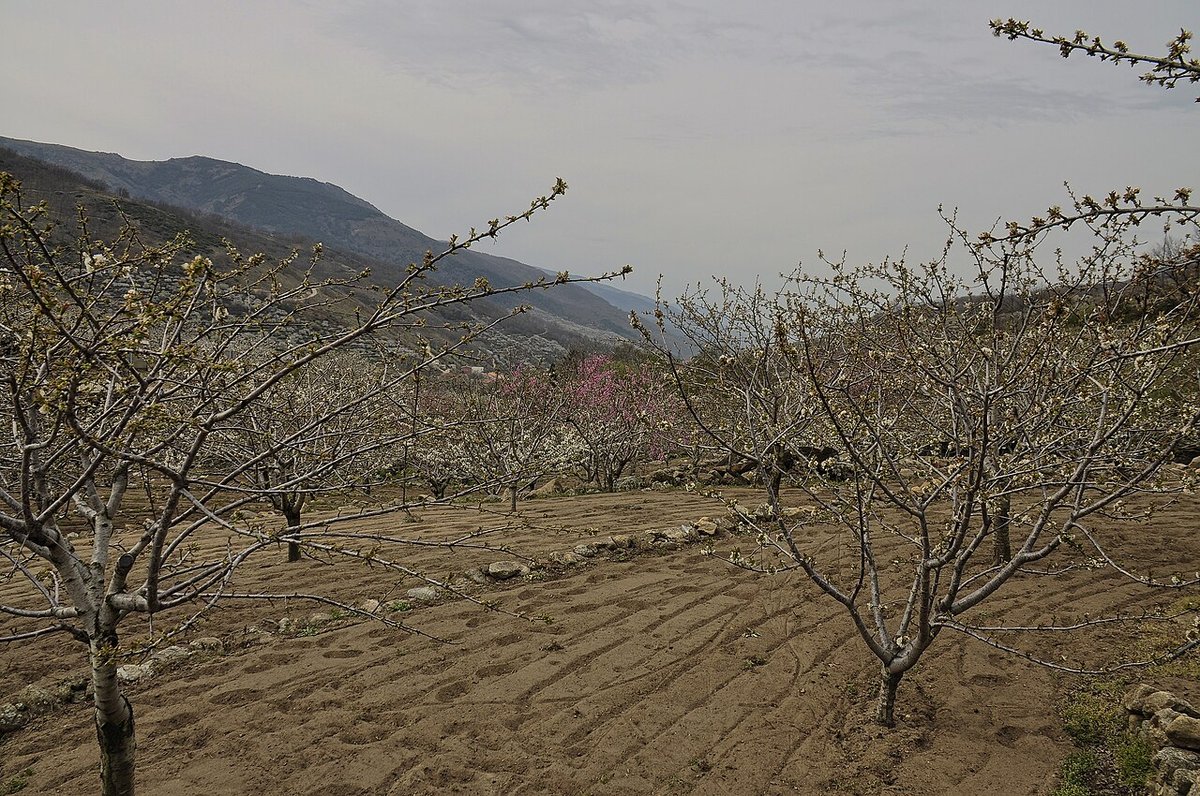
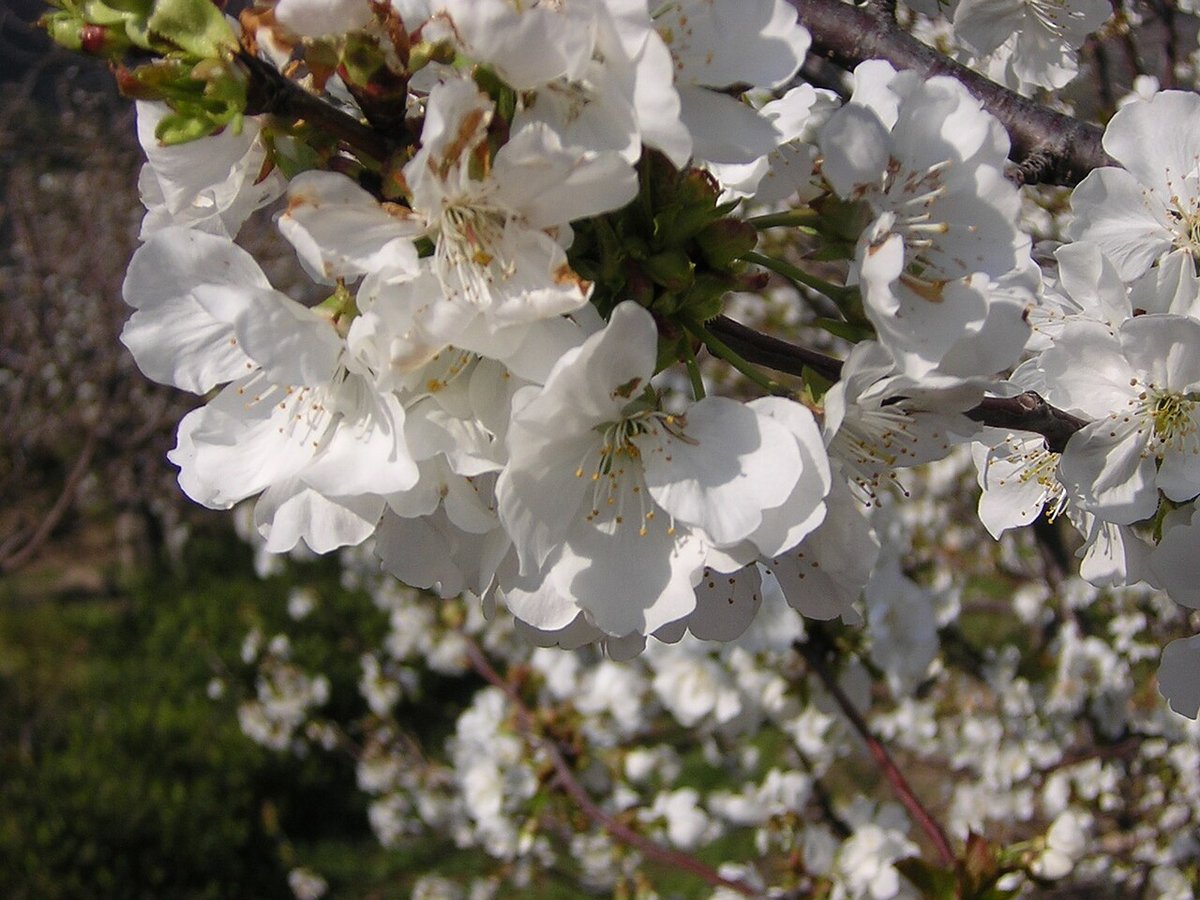
The Valle del Jerte is widely known for the cherry blossom, and the surroundings of Cabrero form part of that landscape. During those spring days, the valley fills with visitors, particularly at weekends. For a quieter walk, weekdays or early hours tend to be calmer.
In summer, the shade of the chestnut trees becomes welcome. There is often a bit more air movement here than on the valley floor, and the afternoons stretch out slowly, with a golden light that lingers on the façades.
Autumn may be the quietest time. Ochre tones take over, the air carries the smell of damp leaves, and groups gather to collect chestnuts in nearby plots.
Eating with the seasons
Food here remains closely tied to what is produced locally. Cherries appear when harvest time arrives in the valley, and in autumn chestnuts are roasted or used in different homemade dishes.
It is also common to find cured meats prepared in the area and goat’s cheeses made in small batches. There is no food scene designed for visitors. What exists is seasonal cooking and recipes that have moved between households for generations.
The rhythm of village life
The village calendar still follows agricultural work quite closely. In summer, festivities dedicated to San Bartolomé are usually held, when many residents who live elsewhere return and the streets become busier than usual. Traditions such as the winter pig slaughter and the autumn chestnut harvest are still present, often carried out collectively within families.
Outside these moments, Cabrero returns to its quieter rhythm. A few conversations in the square, only occasional cars, and the sound of wind moving through the trees on the slope. It is a small place, best understood by walking without hurry and letting the pace of the surroundings take over.