Full Article
about El Torno
Known as 'El Mirador del Valle' for its sweeping views over the Jerte
Hide article Read full article
A village that settles into the hillside
As evening falls, the air in El Torno carries the scent of damp earth and wet wood. Anyone arriving for tourism in El Torno tends to notice it straight away. The light slides slowly down the slope and clings to the stone façades, turning them a soft ochre for a few brief minutes. At that hour the streets are almost still. There is little more than the crunch of dry leaves underfoot or the faint sound of a small stream making its way towards the valley.
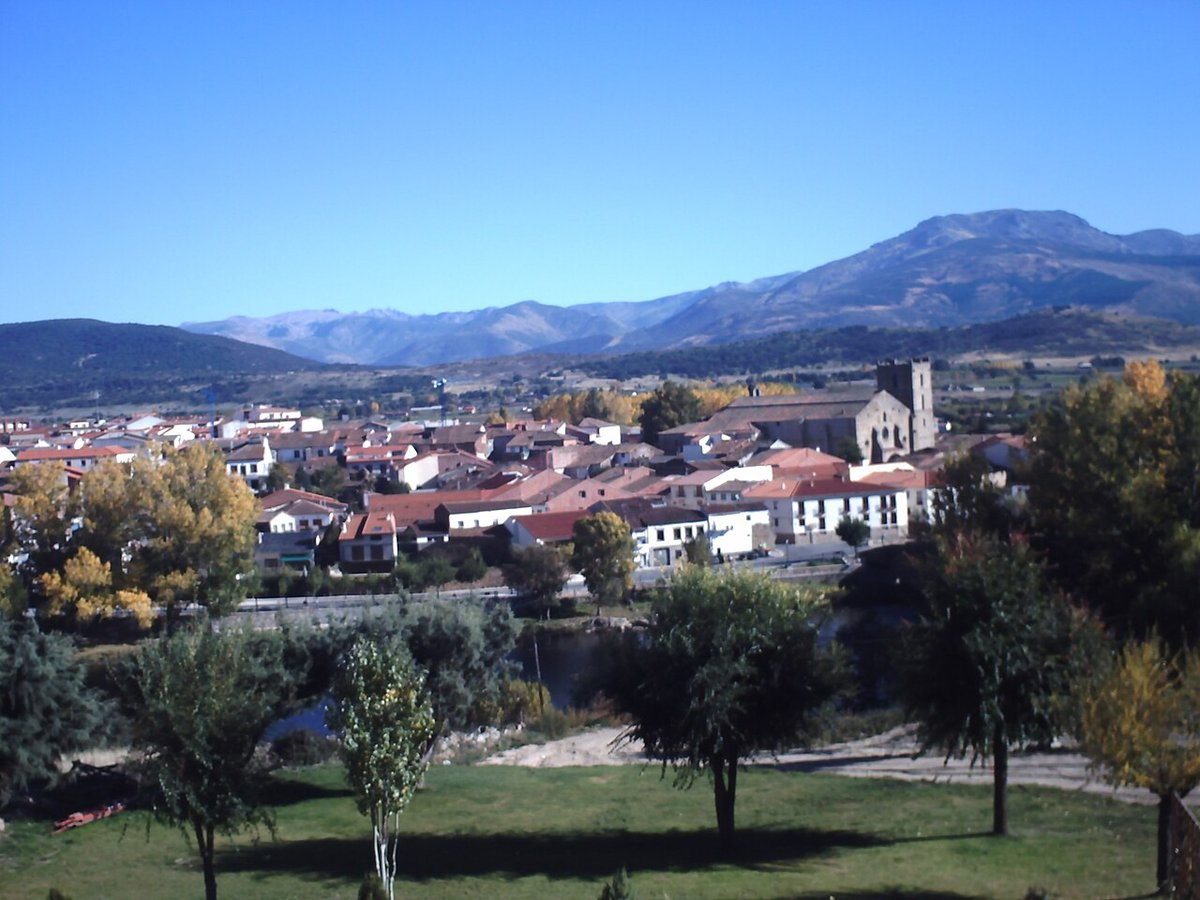
The village, with just over eight hundred registered residents, sits on a hillside facing directly across the Valle del Jerte, at around 760 metres above sea level. Its houses gather around the church of San Pedro Apóstol, a stone building that likely dates back to the 16th century. The bell tower rises above the rooftops and can be seen from several points in the village.
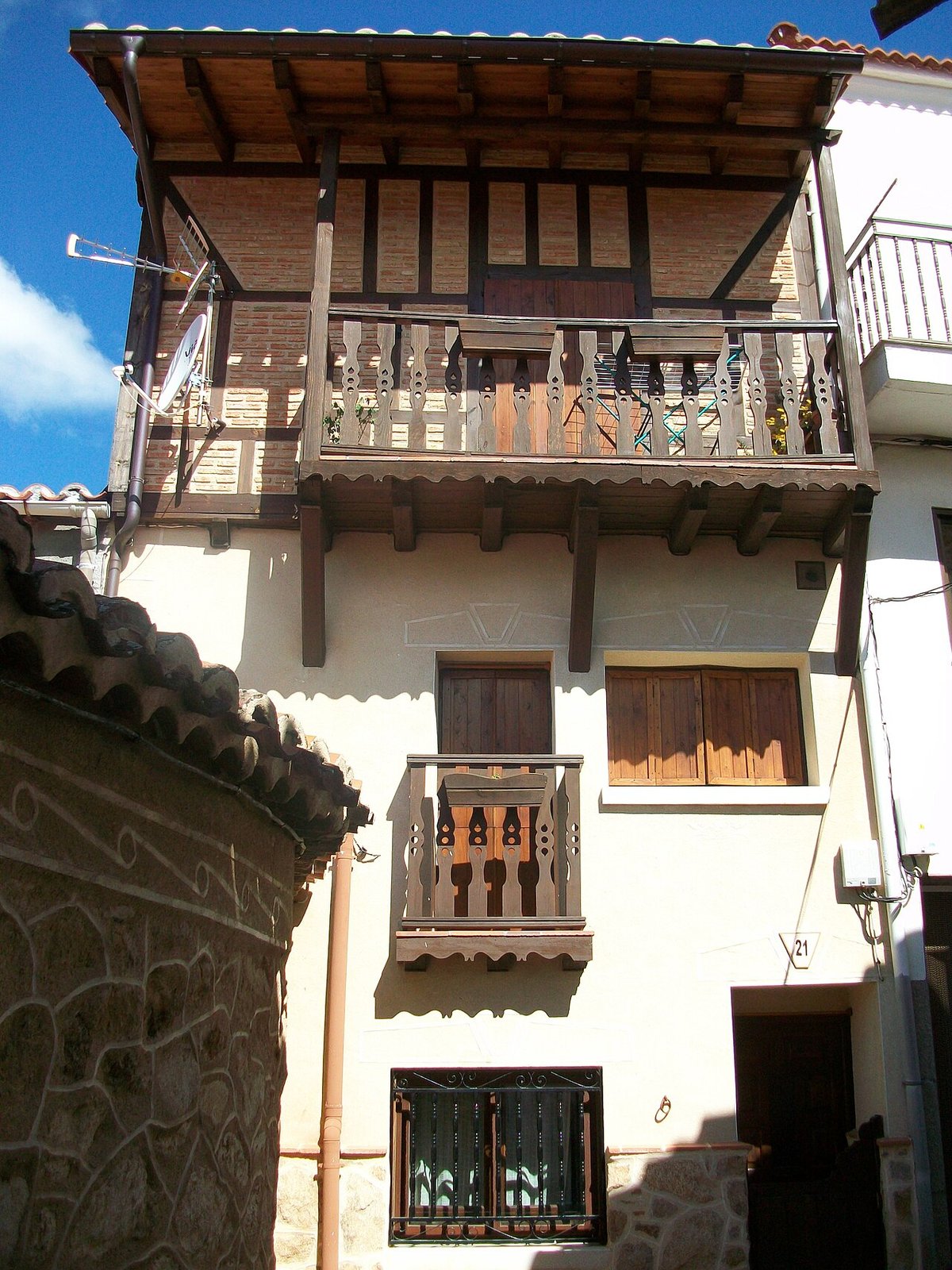
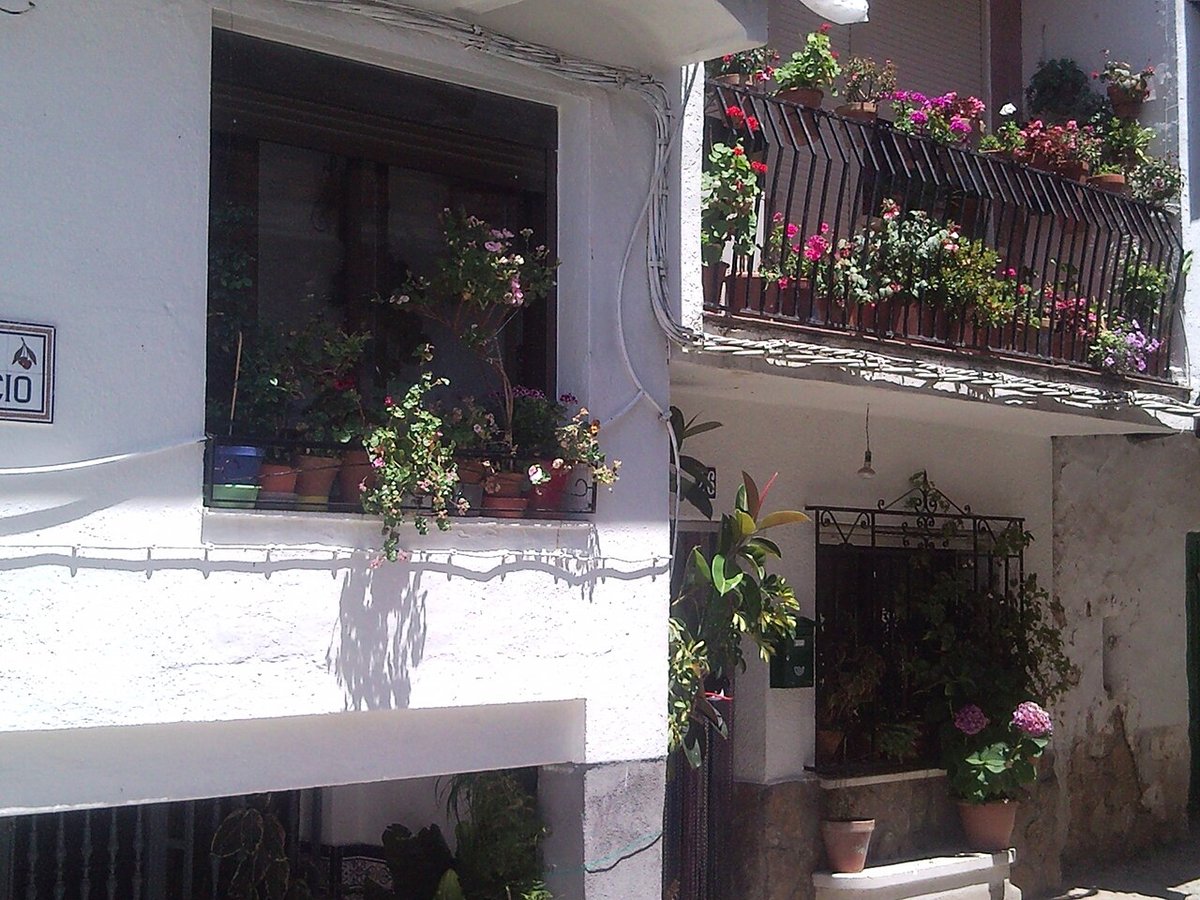
The streets are narrow and often steep. In some stretches, the ground still shows worn stone paving, smoothed by years of use. Between the houses, small courtyards appear, some still holding old animal pens, kitchen gardens and fruit trees. Cherry trees are the most common, alongside the occasional walnut and fig tree. In summer, figs add a faint sweetness to the air as the day draws to a close.
Looking out across the Jerte Valley
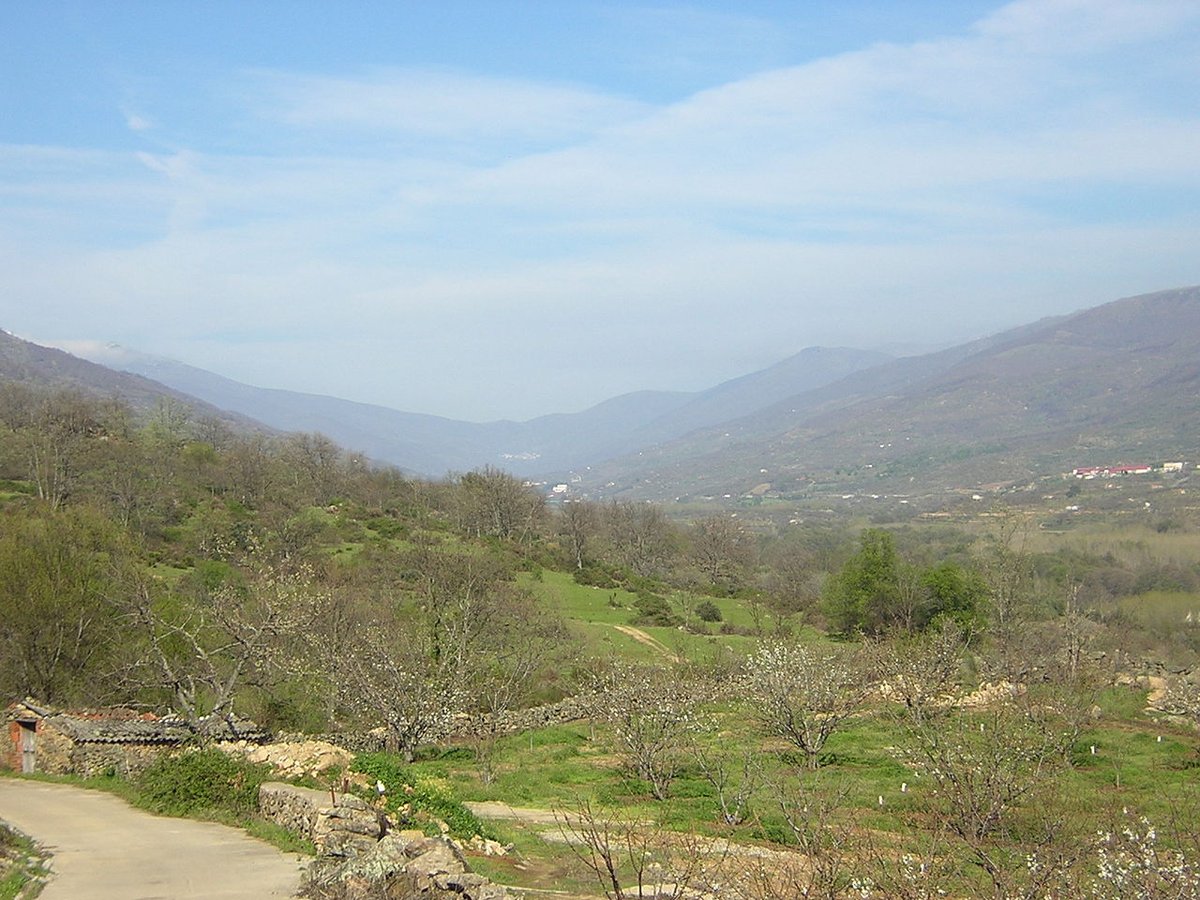
It only takes a short uphill walk along any of the rising streets to gain a wider view. From various edges of the village, places that locals sometimes call viewpoints even though there are no railings or signs, the valley opens up completely. The Jerte river winds along the bottom, while the slopes are covered with cherry trees.
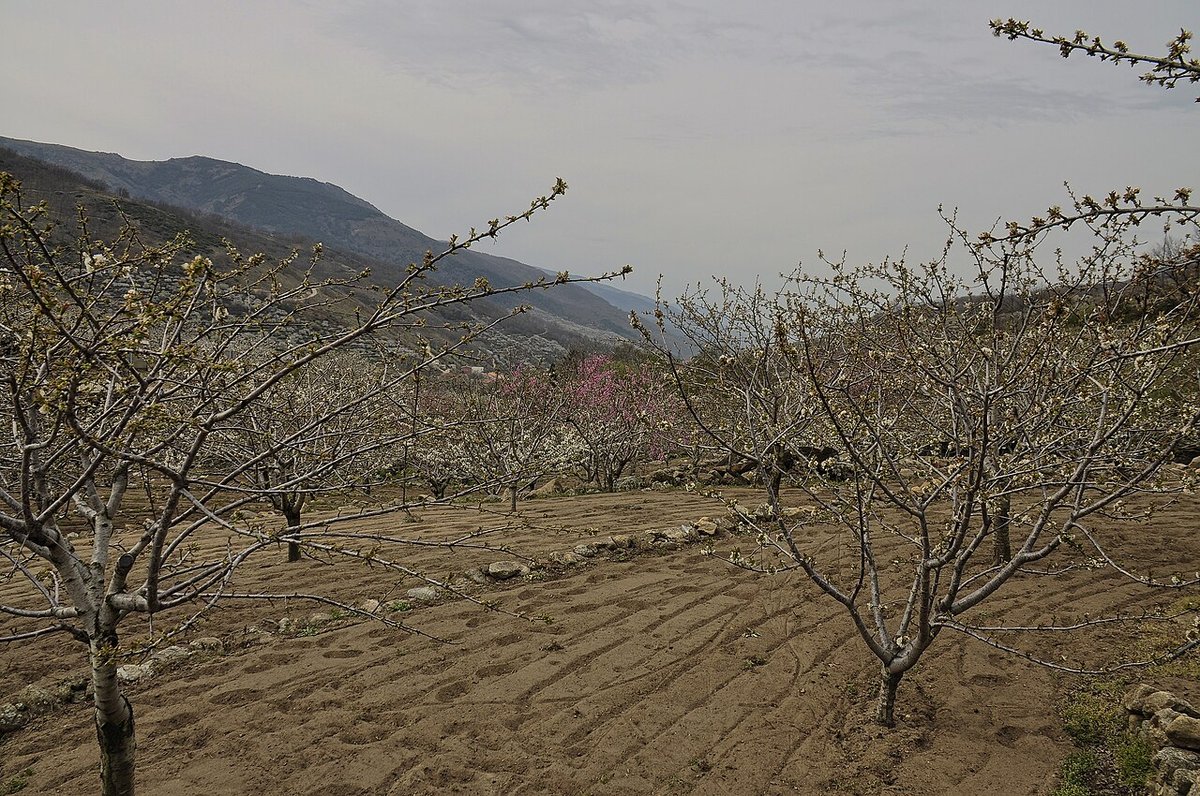
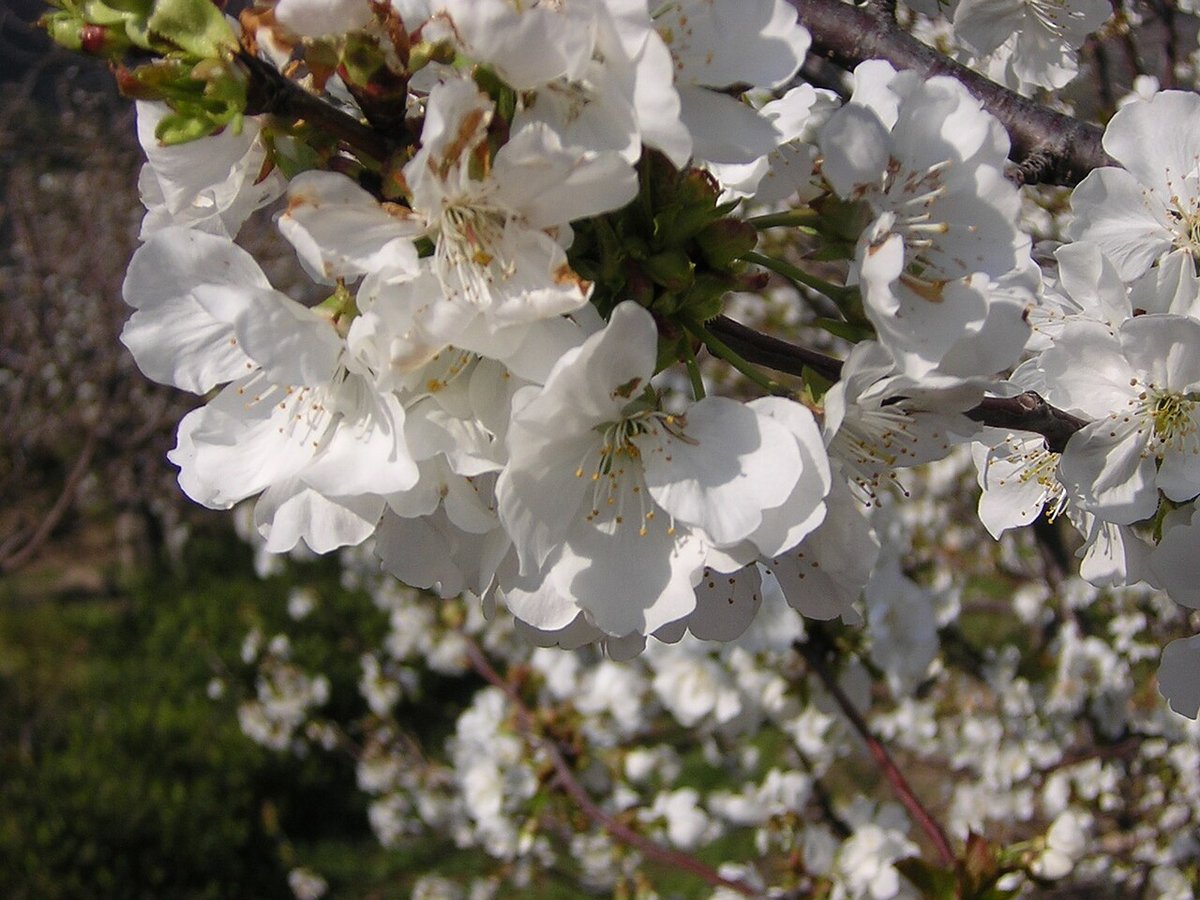
In spring, everything turns white for a few days. It is not a uniform blanket but rather uneven patches that move up and down the terraced fields. When there is a bit of wind, petals gather along the edges of small ditches and irrigation channels.
Autumn brings a different palette. The chestnut and oak trees surrounding the village shift to copper and gold tones. The ground becomes layered with leaves that crackle underfoot. It is a quieter time of year, with less movement than during the blossom season.
Short walks through chestnut groves and smallholdings
Paths leave directly from the village centre and lead out between terraces and small wooded areas. These are not long or particularly demanding routes. They are mainly agricultural tracks used by local people to reach their land. Even so, it is worth paying attention at junctions, as clear signposting is not always present.
Under the chestnut trees, the shade can be dense, especially in summer. It offers relief when the heat builds in the valley below. In winter, those same areas can be slippery with damp leaves and mud, so sturdy footwear makes a difference.
Within half an hour on foot, the sounds of the village fade away. What remains are old trees, dry stone walls marking out plots of land, and a sense of being folded into the landscape rather than standing apart from it.
Food shaped by the surrounding land
Local cooking here is closely tied to what grows nearby. When the season arrives, Jerte cherries take centre stage. They appear in jams, homemade liqueurs and simple desserts.
Outside those months, meals tend towards hearty dishes, often based on vegetables from small gardens, slow-cooked stews and meat such as kid goat or poultry. The approach is straightforward and rooted in what is available rather than elaborate preparation.
Autumn also brings mushrooms in the nearby hills. Gathering them is more often left to local residents than to occasional visitors, and it remains a quiet, practical activity rather than a tourist draw.
Festivities through the year
The festival of San Pedro takes place towards the end of June, at a time when the cherry harvest is already underway. During these days, the village sees more activity than usual, with a livelier atmosphere in the streets.
Cherry blossom season, typically at the beginning of spring depending on the weather, also shapes the rhythm of the wider valley. During those weeks, the villages of the Jerte receive a noticeable increase in visitors, and the smaller roads become busier than usual. For a calmer experience of the landscape, earlier mornings or weekdays tend to be quieter.
In autumn, local gatherings still take place around roasted chestnuts when the harvest arrives. These are simple, neighbourly occasions that reflect everyday life rather than organised events.
A brief stop in the Valle del Jerte
For those with only a few hours in El Torno, it makes sense to begin near the church of San Pedro Apóstol and wander without a fixed route through the streets that climb and dip along the hillside. Openings between houses soon appear, offering glimpses across the valley.
The light at the start and end of the day helps define the landscape. The river below takes on a silvery grey tone, the terraced fields step down the slopes, and the darker mass of the hills rises behind them.
A short walk towards the nearby chestnut groves rounds out the visit. There is no need to travel far. What stands out here is not a collection of major landmarks but the combination of small gardens, woodland and houses set closely against the hillside, shifting in appearance with each season.
El Torno works best when seen as part of the wider mosaic of the Valle del Jerte. Its scale is modest, and that is precisely how it is meant to be taken in.