Full Article
about Jerte
Heart of the valley that shares its name; known for its cherries and the Garganta de los Infiernos
Hide article Read full article
Jerte, o cuando el pueblo es solo la puerta
Llegué a Jerte un martes de octubre, buscando lo que queda después de la fiebre de la cereza. Lo que encontré fue un pueblo que parece más un vestíbulo que una sala principal. Un lugar donde te dan las llaves del valle, pero tienes que ser tú quien abra la puerta.
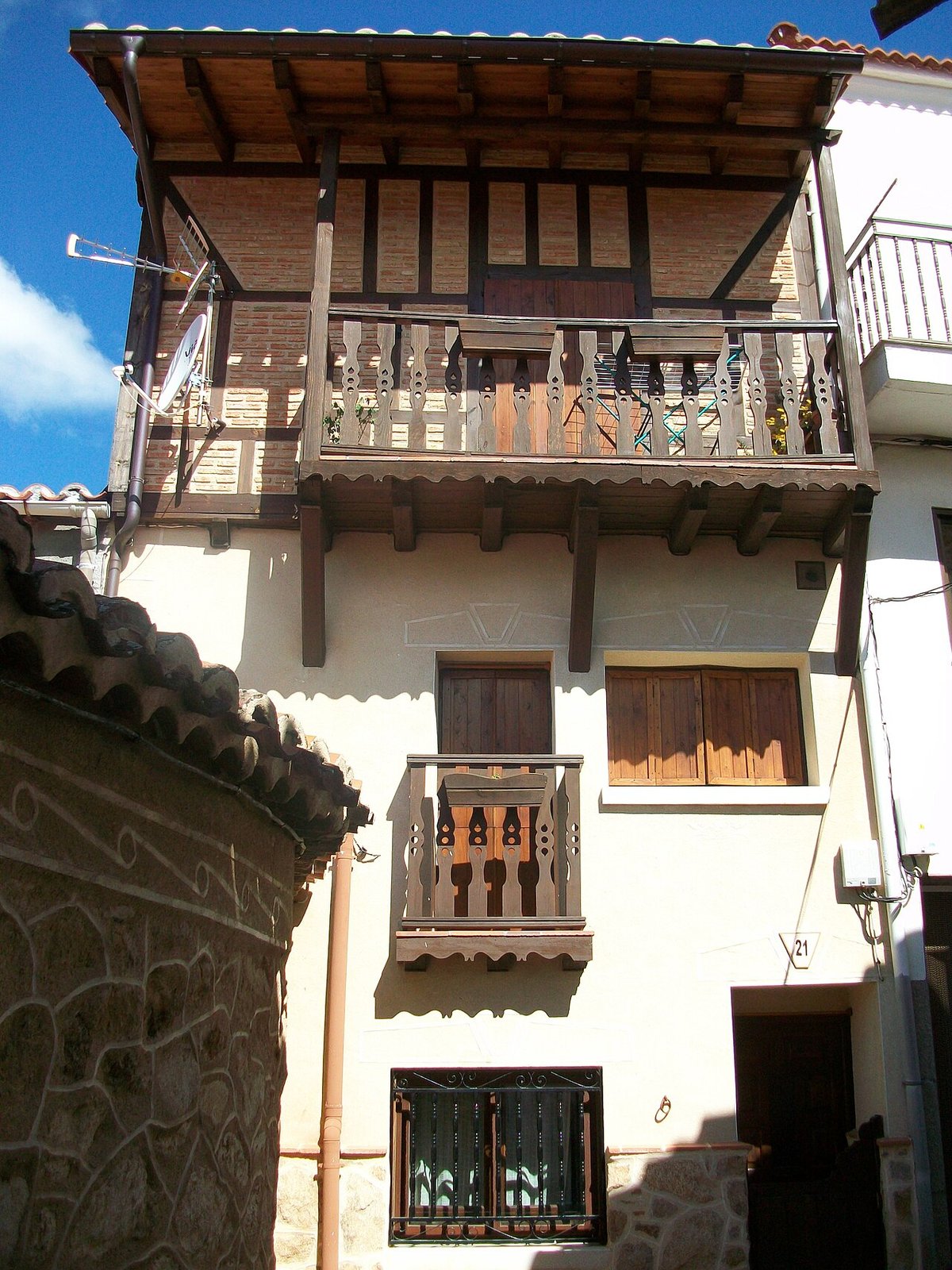
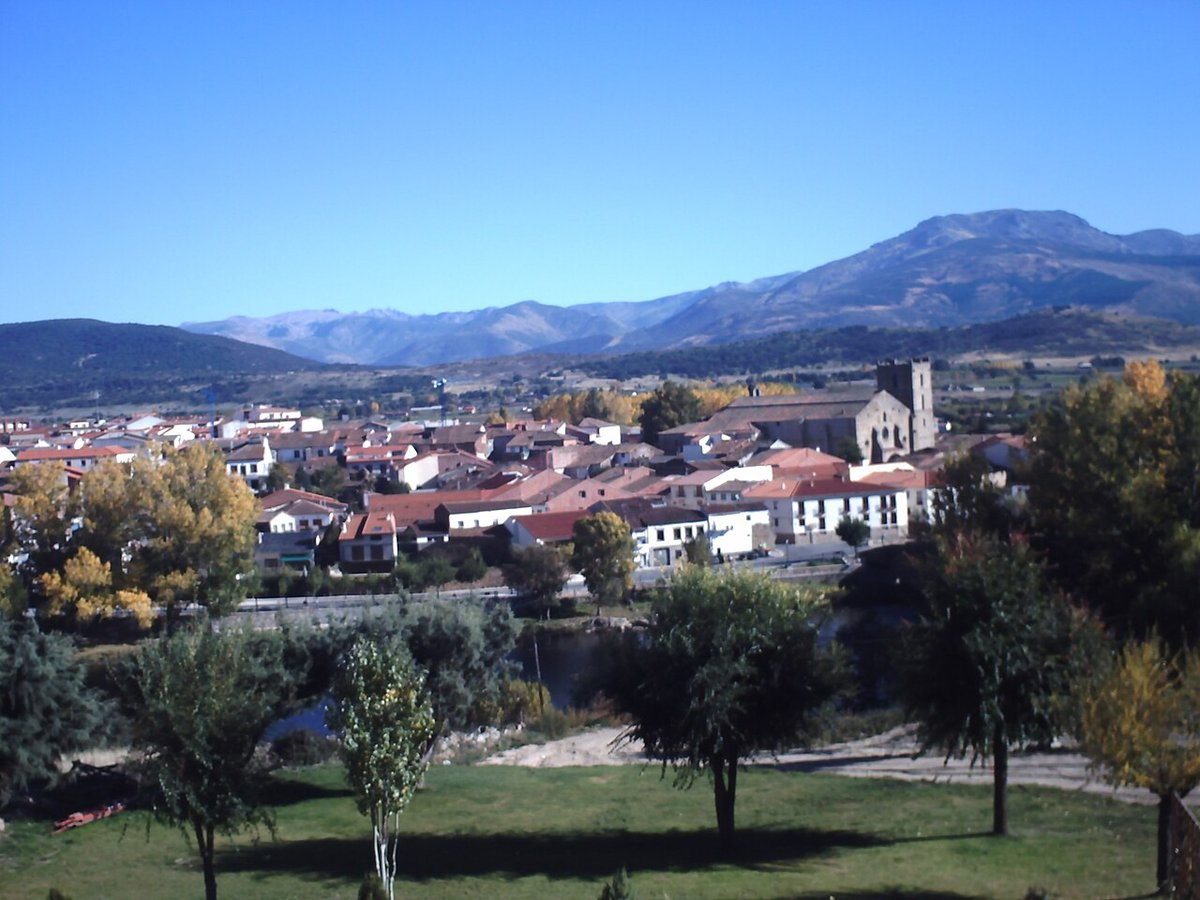
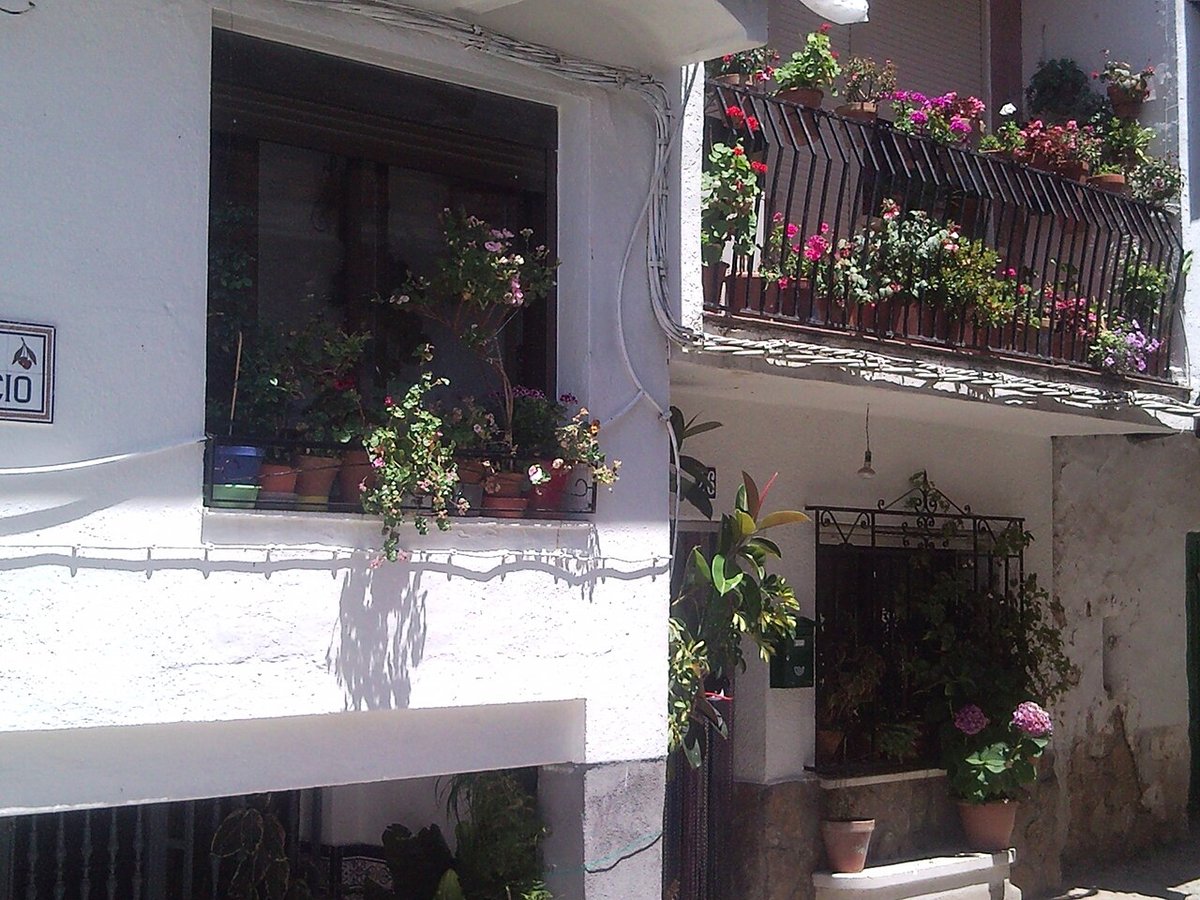
El núcleo es pequeño, funcional. Casas de piedra y pizarra para aguantar inviernos, calles estrechas donde aún se ven huertas tras una tapia. Hay una iglesia del siglo XVI con una torre que sirve de referencia desde lejos. Dentro, es sobria, como casi todo aquí. No es un museo al aire libre; es un pueblo donde la gente arregla fachadas y saca las sillas a la calle cuando el sol aprieta.
La verdad sobre el valle (y los cerezos)
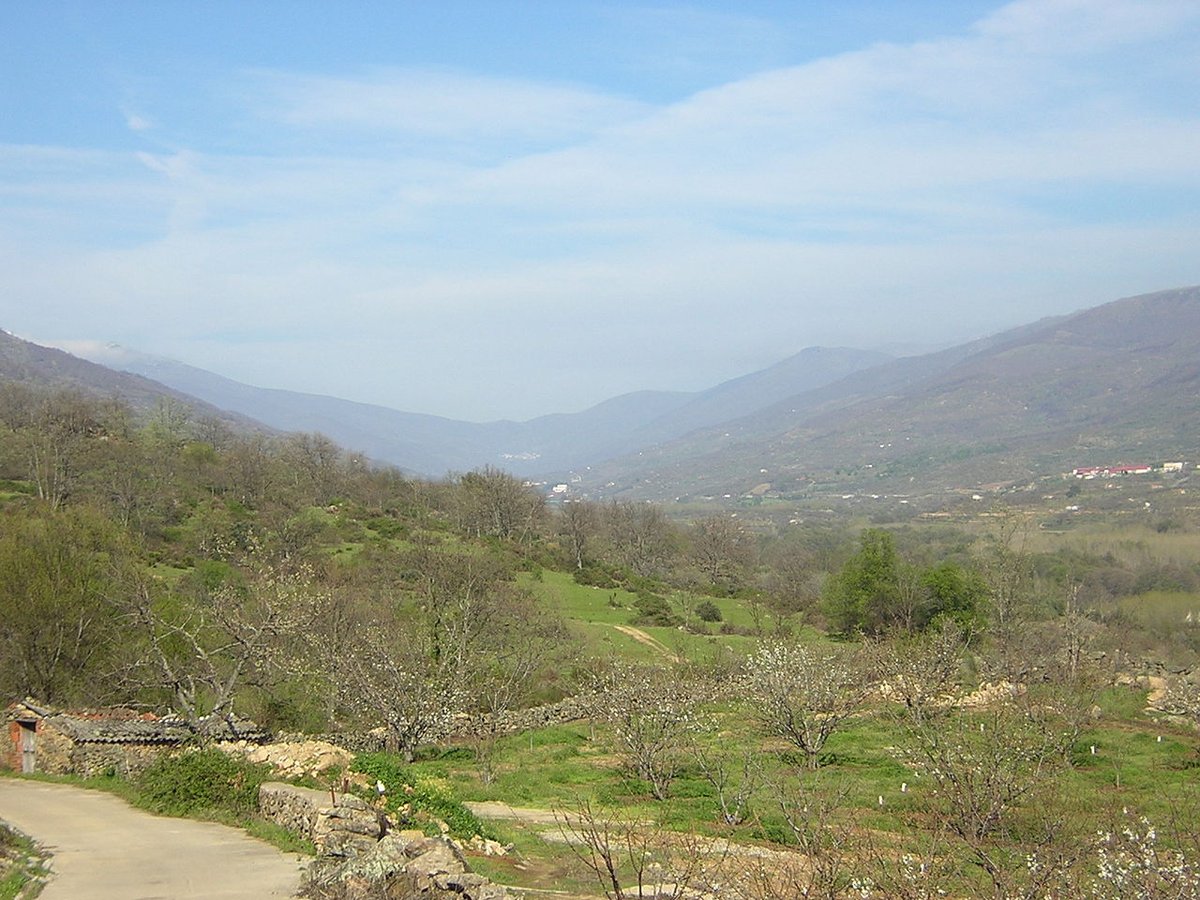
Todo el mundo habla del Valle del Jerte como si fuera una postal uniforme. No lo es. Jerte, el pueblo, es solo el principio. La gracia está en lo que se abre a sus espaldas: esa red de caminos, gargantas y bancales escalonados donde se trabaja.
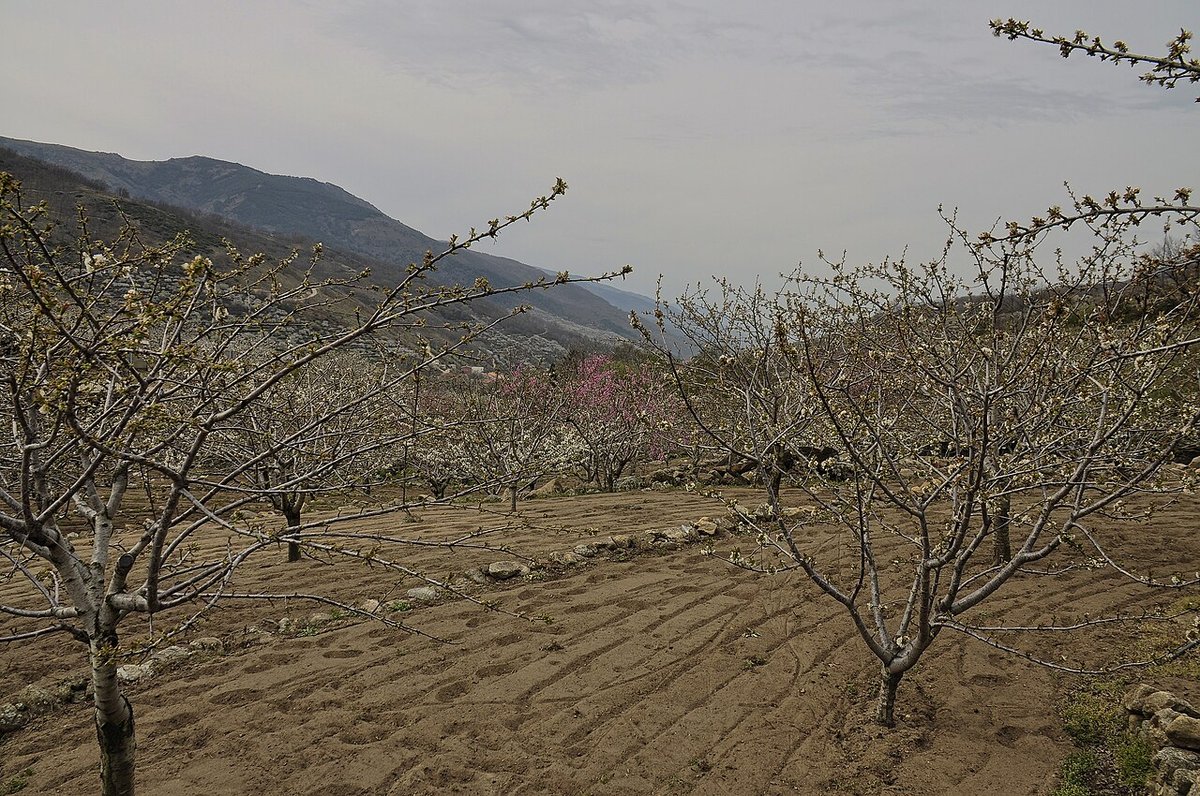
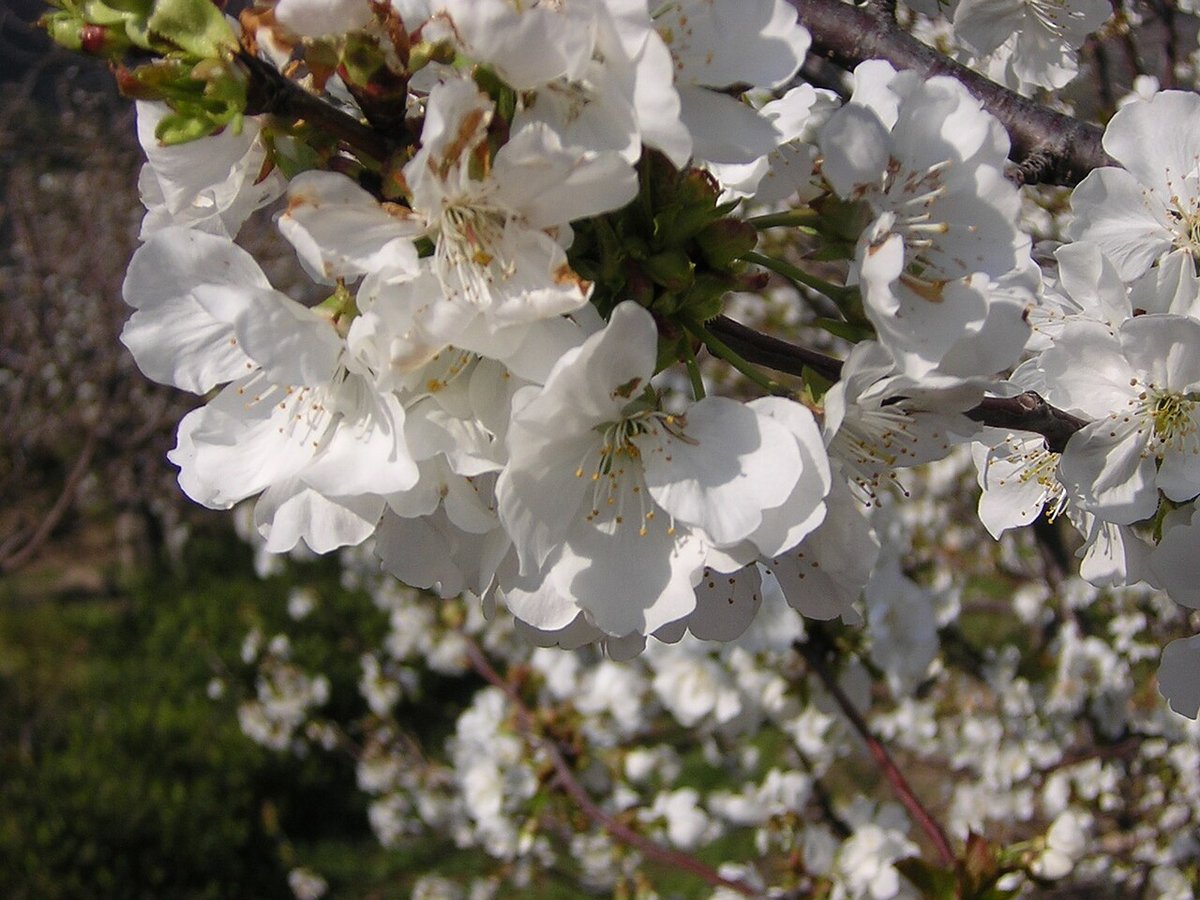
La floración es el espectáculo, sí. Pero si vienes esperando ver todo blanco de punta a punta un fin de semana concreto, te llevarás un chasco. Los cerezos no florecen por decreto. Depende de la cota, del sol, del frío de esa semana. A veces ves una ladera en flor y otra aún verde. Es mejor venir sin esa obsesión cronométrica y simplemente caminar. El paisaje, estallado o no, impone igual.
Caminar es la clave (y llevar buen calzado)
Si te quedas solo en la calle Mayor, te lo pierdes todo. Los senderos que salen del pueblo son la razón de ser. Algunos suben hacia la sierra, otros bajan a las gargantas.
La Garganta de los Infiernos suena épica, pero en verano parece a veces una piscina municipal natural. A mediodía hay cola para meterse en algunas pozas. La solución es madrugar o alejarse un poco más del acceso principal. Y esto es importante: lleva zapatillas con suela de agarre. Las piedras mojadas son traicioneras, y ver a gente intentando hacer equilibrio en chanclas es el deporte local no oficial.
En otoño e invierno estos caminos son otra cosa. Silencio, hojas marrones y el sonido constante del agua. No hay flor que valga más que tener un sendero solo para ti.
Comer según el calendario
Aquí el menú lo marca la temporada. En primavera y principios de verano, es el reino de la cereza con Denominación de Origen: frescas, en licor, en mermelada. Fuera de ese periodo, la cocina cambia hacia lo contundente: platos de cuchara, cabrito o trucha. No esperes alta gastronomía; espera comida de territorio.
Un consejo práctico sobre las horas y los coches
El aparcamiento en el propio pueblo es complicado. Las calles son angostas y están pensadas para vecinos. Es más inteligente dejar el coche en alguna zona más amplia en las afueras y empezar a andar desde ahí. Ganas tiempo y salud mental.
Los fines de semana de floración o verano hay una congestión real. Si puedes elegir día, ven entre semana. Si no puedes elegir día, madruga. La diferencia entre tener una garganta para ti solo y compartirla con cincuenta personas es abismal.
Lo que se te puede quedar
Jerte no te golpea con una belleza monumental. Te gana por desgaste lento. Es ese tipo de sitio donde lo que recuerdas al final no es una foto concreta, sino la sensación del ritmo: el sonido del agua corriendo por las regaderas de piedra junto a las casas, el olor a hierba húmeda en un sendero bajo castaños, o la imagen de los bancales escalonados subiendo por la montaña, cada uno cuidado como un jardín familiar. Vienes por los cerezos en flor, pero te llevas la memoria tranquila de cómo se vive junto a una sierra que nunca para de dar agua y trabajo