Full Article
about Navaconcejo
A long village on the banks of the Jerte; known for the Cascada de las Nogaledas.
Hide article Read full article
Arriving and getting your bearings
In Navaconcejo, the car usually ends up parked along the N‑110 or on one of the streets at the edge of the village. The centre is narrow, and it is not worth the effort of trying to drive through it. If you are visiting during cherry blossom season, it is best to arrive early. By mid-morning, coaches start appearing and the place gets noticeably busier.
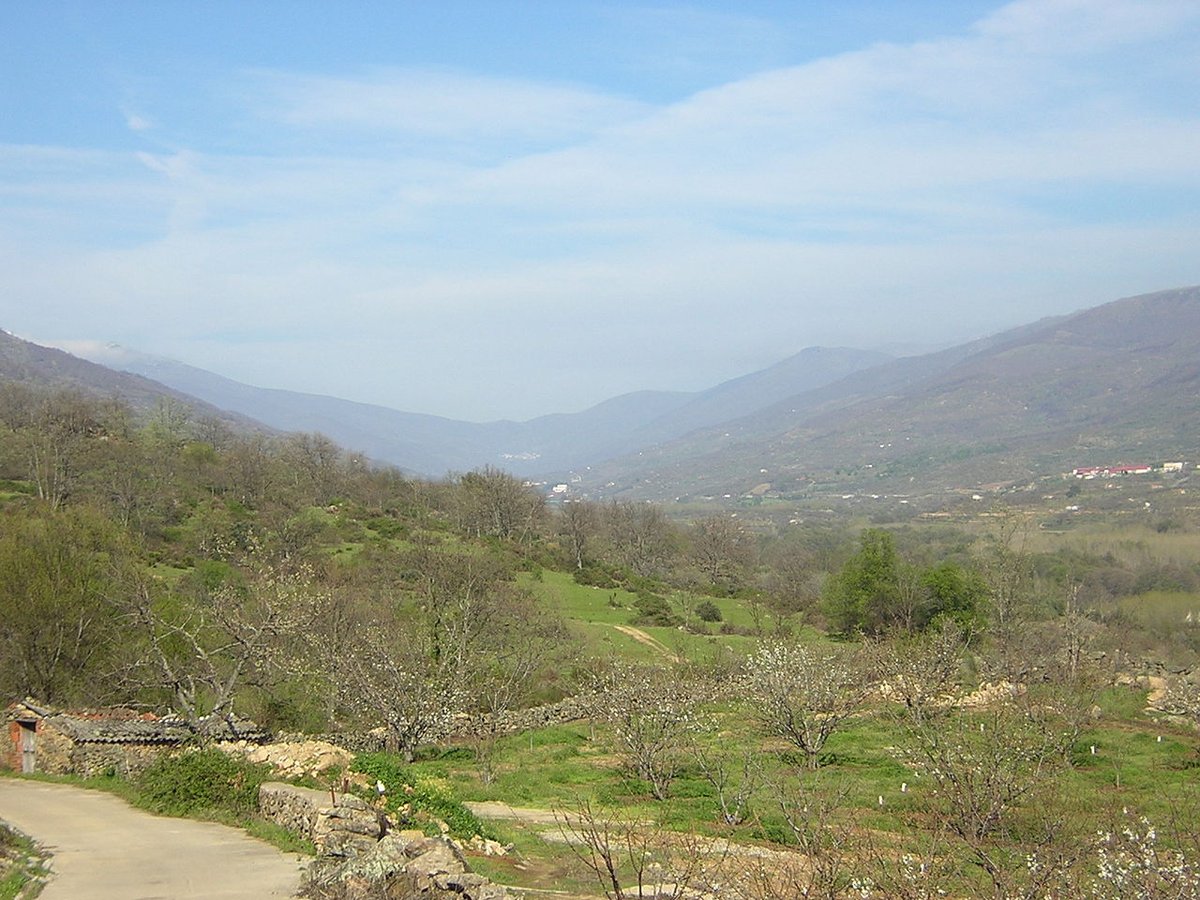
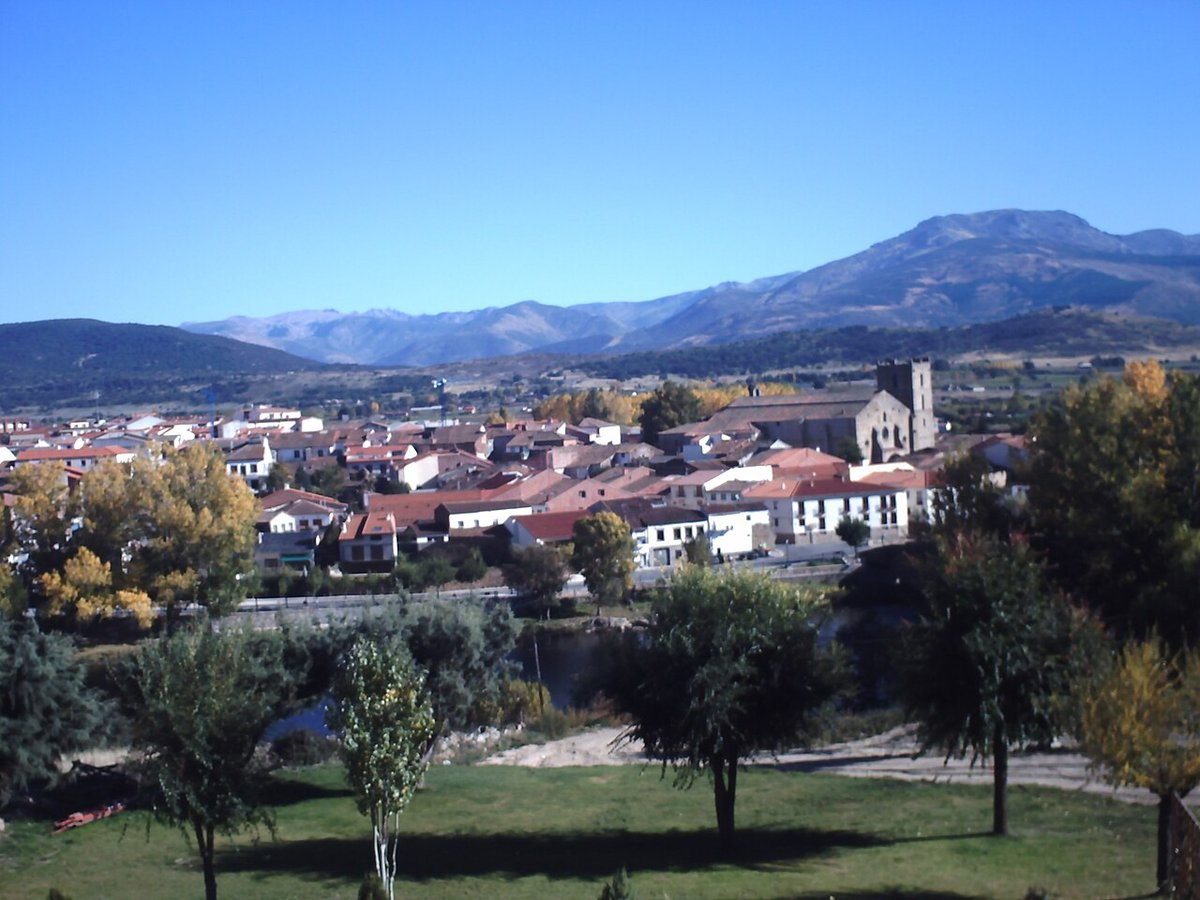
Navaconcejo sits in the Jerte Valley, around 25 kilometres from Plasencia. The road cuts through the valley, and the village stretches alongside the river. Just over two thousand people live here. Work revolves around what you would expect in this part of Extremadura: cherry trees, some weekend tourism, and a generally quiet pace for the rest of the year.
A village that moves at its own pace
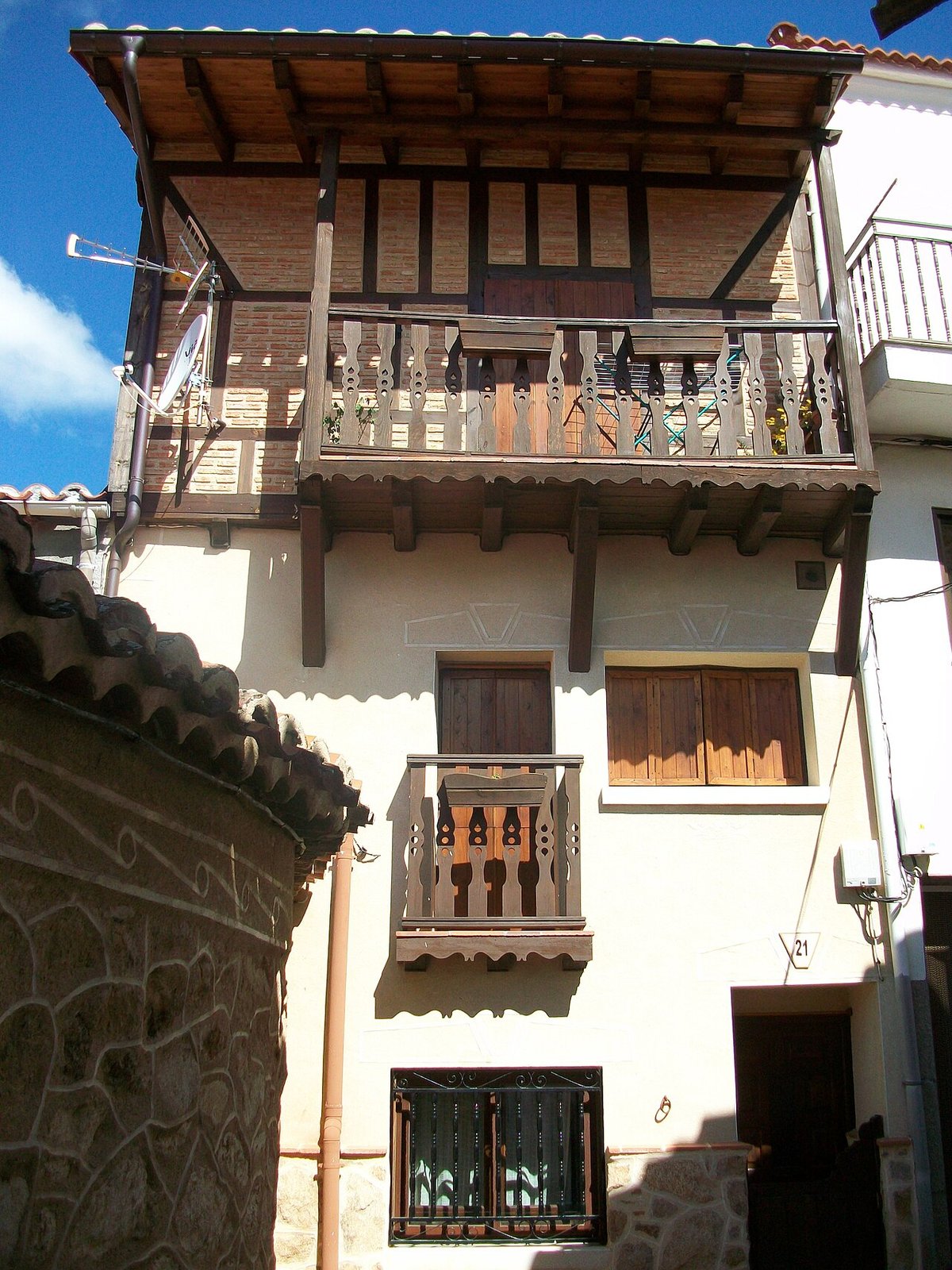
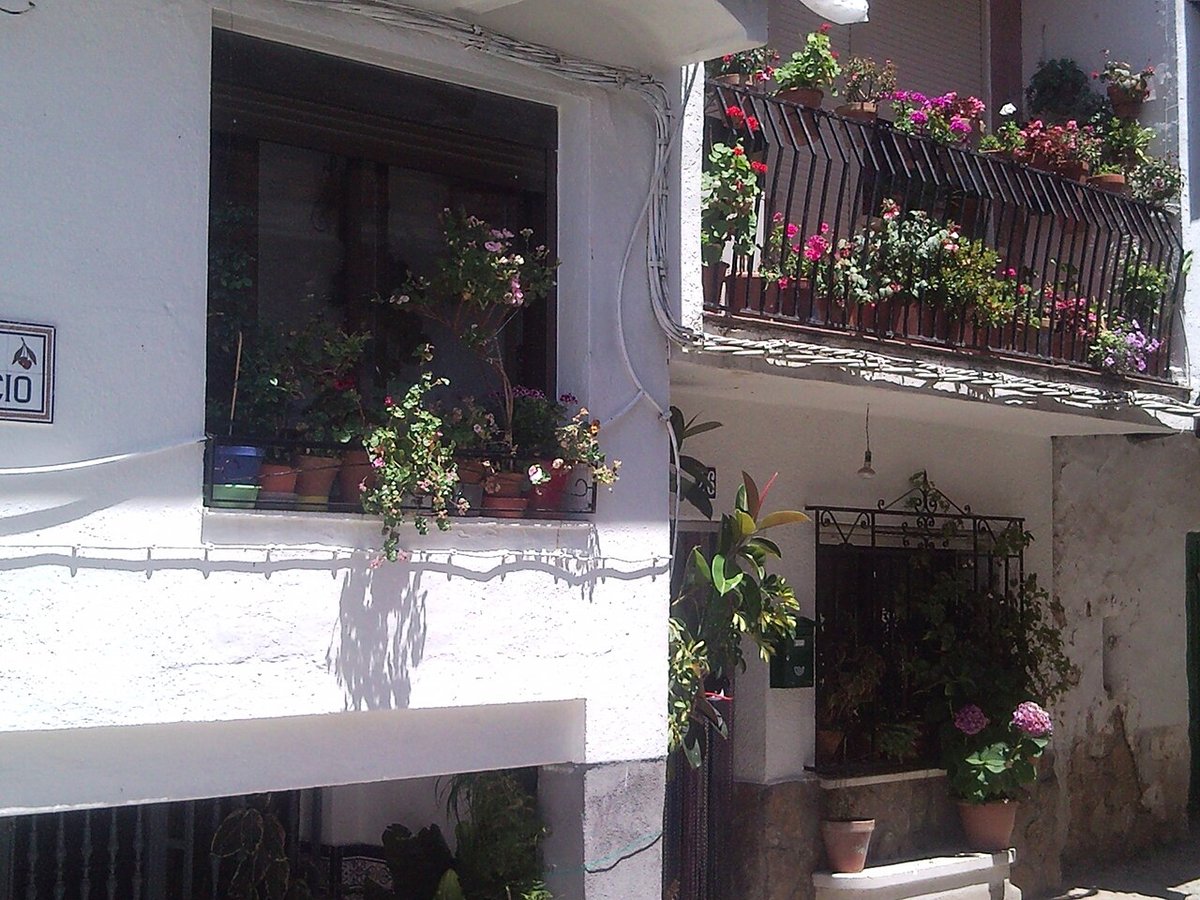
The old quarter is easy to cover in a short walk. Streets climb steeply, lined with stone houses, and there are quite a few signs advertising places to rent. The main square is simple: the town hall, the church, and a couple of terraces where locals sit mid-morning. Beyond that, there is not much else to dig into, and that is part of the point.
Life here does not rush. Outside peak times, the rhythm is slow and predictable. It is the kind of place where activity gathers in small pockets, then fades again, leaving the streets quiet.
Water, rock and the paths that make the visit worthwhile
What really justifies stopping in Navaconcejo lies just beyond the centre. The Garganta de las Nogaledas is only a few minutes away on foot. This is a walking path that climbs alongside the water, with stone sections and plenty of damp patches. After rain, or in spring, it can be slippery, so proper footwear helps.
There are several waterfalls along the route. The first one tends to attract the most attention and the most photos. The drop is high, and in summer people often get into the water despite warning signs nearby.
Another option is the Garganta de San Pedro. This is a longer walk, with stretches of well-preserved woodland and a noticeable sense of quiet once you move away from the main access point. It is worth bringing water and something to eat. In several sections, mobile signal disappears altogether.
These routes shape the experience of Navaconcejo more than the village itself. The sound of water, the shade from the trees, and the steady climb give the area its character.
Food that matches the setting
In the roadside bars and those in the centre, migas often appear at weekends. This is a traditional dish made with fried breadcrumbs, typical across parts of Spain. You will also come across patatas revolconas, a mashed potato dish usually served with paprika and other hearty additions. The food here is filling, the kind that naturally leads into a slow afternoon.
Cherry liqueur, aguardiente de cereza, is common across the Jerte Valley, and Navaconcejo is no exception. It often shows up after a meal. It goes down easily at first, then makes itself felt, so it is best not to overdo it if you still need to drive.
A brief look at the past
Navaconcejo was granted the status of a town in the late 17th century, when the Crown awarded it that rank. Before that, it was known as Nava del Concejo, a place where the villages of the valley would gather to deal with shared matters.
The parish church dates from the 17th century, and the tower appears to be from the same period. On the outskirts, there are remains of the old Franciscan convent of Tabladillas. There is also mention of a house linked to the Inquisition, surrounded by a rather dark story that has circulated locally for generations.
These details sit quietly in the background. They are there if you look for them, but they do not dominate the visit.
When it works, and when it doesn’t
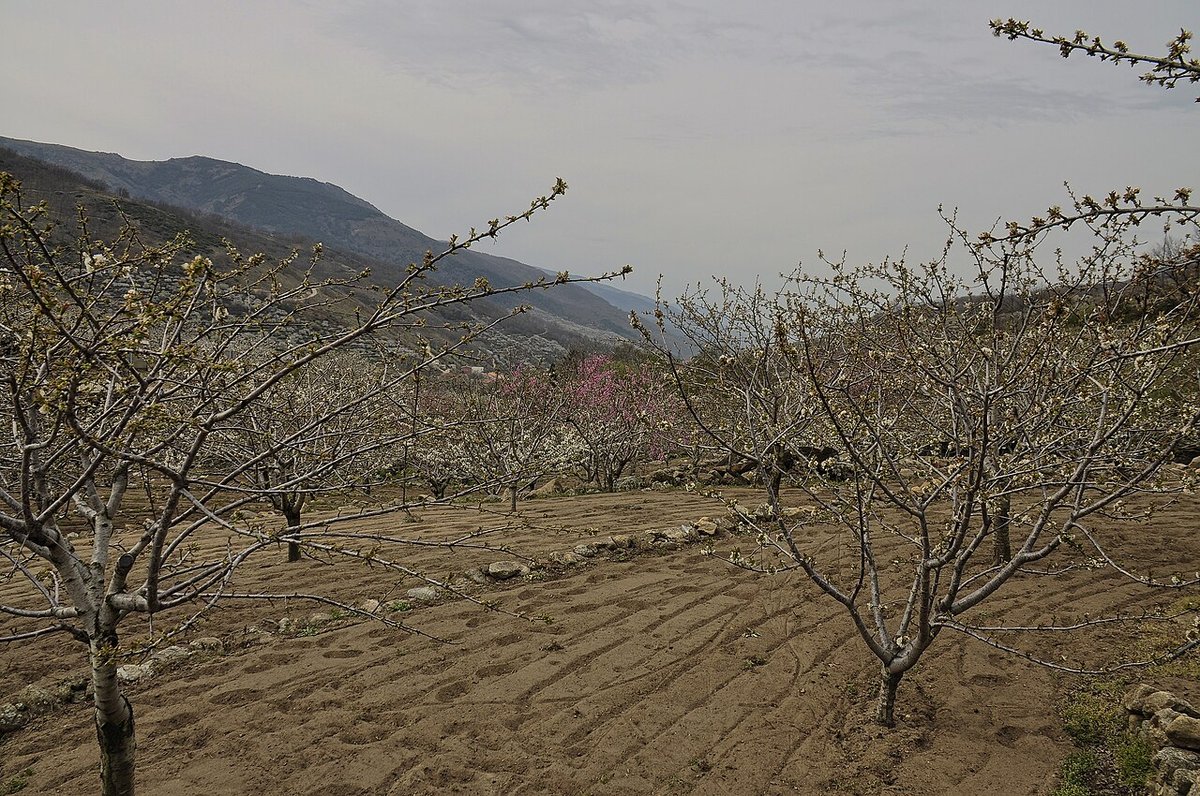
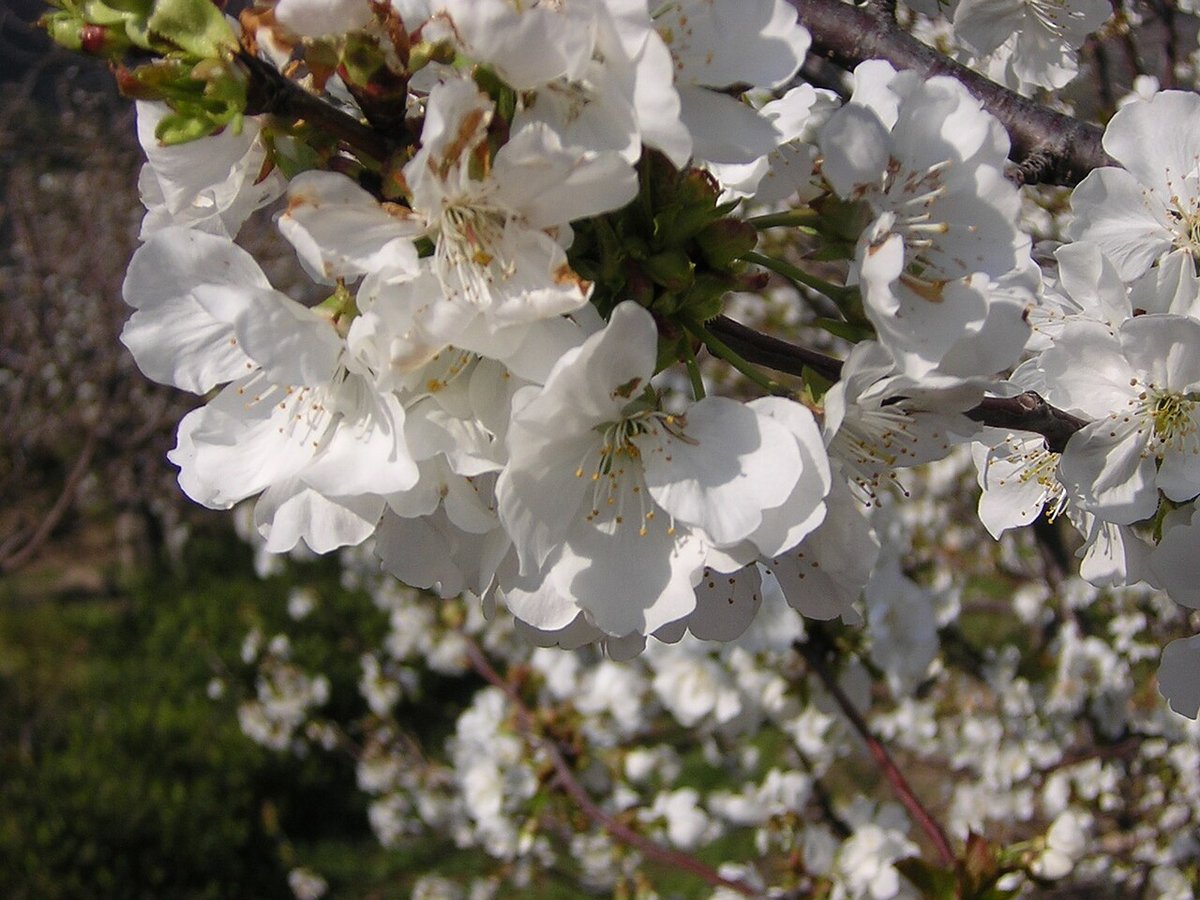
March and April bring the cherry blossom. The valley fills with white flowers, and at the same time, with cars. Weekends can make parking difficult, and the walking paths become crowded.
In summer, people head down to the natural pools of the Jerte River and the gorges. There is more atmosphere, and also more mosquitoes.
Winter is very calm. Many shutters stay down, and chimney smoke hangs in the air. The valley feels like it belongs almost entirely to its residents.
A good approach is to come on a weekday in spring or autumn. Park above the centre, walk down, head up to the Nogaledas, and make your way back to the car before the late afternoon traffic builds. Navaconcejo works well as a long stop rather than something to overplan.