Full Article
about Plasencia
The Pearl of the Valley; a monumental city with two cathedrals and walls; the hub of northern Extremadura
Hide article Read full article
Morning Light in the Plaza Mayor
Eight in the morning in the Plaza Mayor. The sun slips low through one of the arches that link to the city walls and suddenly lights up the golden stone blocks. A man crosses the square carrying a breakfast tray: coffee with milk and two slices of toast, leaving a faint trail of butter in the cool October air. Somewhere nearby, the bells of the two cathedrals, the Vieja and the Nueva, ring out as if they cannot quite agree on the time. This is how a day often begins when you take in Plasencia without rushing.
A City Reflected Twice
Plasencia is not a place for quick visits. Founded by Alfonso VIII at the end of the 12th century, its name was deliberately chosen, “Ut placeat Deo et hominibus”, meaning to please God and people. There is still something of that intention in its atmosphere, a sense of a city designed to be lived in rather than passed through.
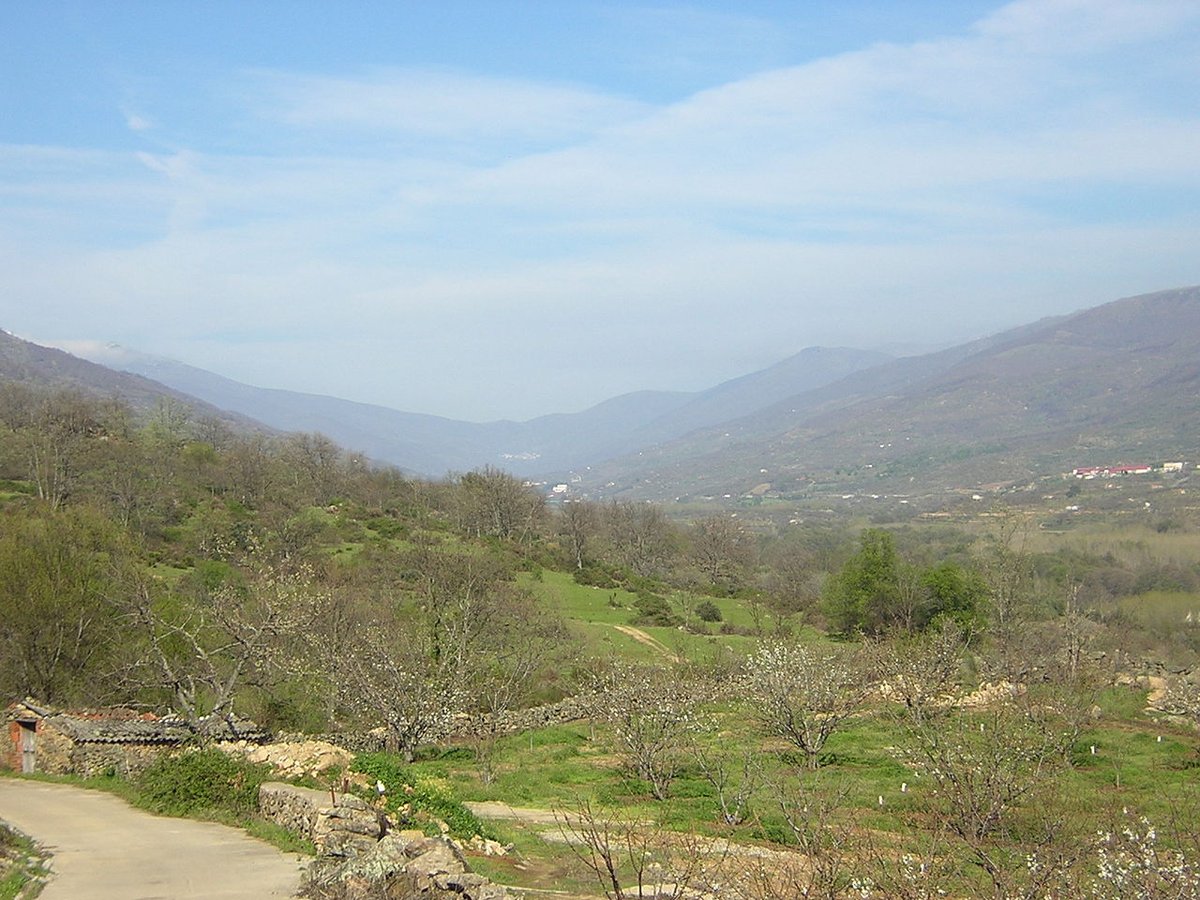
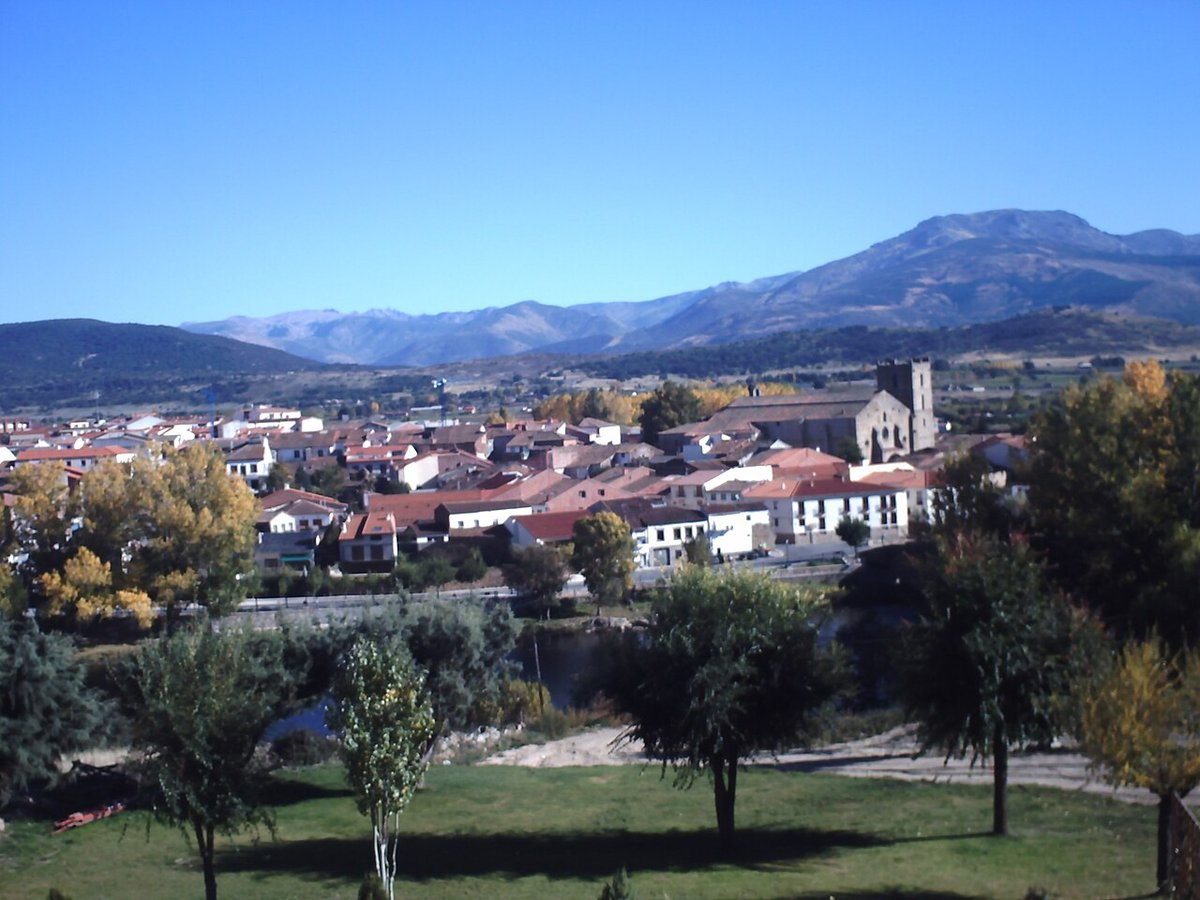
The medieval wall, almost two kilometres of stone with dozens of towers, encircles a network of streets where Renaissance palaces stand alongside ordinary homes with laundry hanging from windows. Many visitors begin by climbing one of the accessible sections of the wall. From there, the city opens out. On a clear day, the green of the Jerte Valley can be made out in the distance. To one side lies the park known as Parque de los Pinos, where peacocks and crows make themselves heard. Below, narrow streets carry the smell of fresh bread and, at times, pimentón de la Vera warming in a kitchen.
It is a dry, smoky scent that stays with you. Later, far from here, it can resurface unexpectedly in a shop and for a moment bring these streets back.
Two Cathedrals, One Faith
Plasencia has two cathedrals built side by side, which can feel surprising at first. The Vieja, begun in the 13th century, is austere, with thick stone walls and dim light. Inside, there is often the scent of old incense and cool dampness, the kind found in buildings that have stood for centuries.
The Nueva began at the end of the 15th century, during a period of prosperity for the city. It is more ambitious, with high vaults and a carved wooden choir filled with expressive figures. There is also the impression of a grand project that was never entirely finished.
Between the two lies a quiet courtyard planted with orange trees. At certain times of day, the air carries a mix of green leaves and damp stone. From here, the layout of the city becomes clear. One direction leads to Calle de la Sinagoga, a reminder of the Jewish quarter that existed before 1492. In another, religious buildings and palaces with Gothic windows face the street with a certain reserve.
Standing still for a while, what stands out is the sound of air moving through the spaces and the echo of occasional footsteps.
The Taste of the Dehesa
By midday, the centre begins to smell of melted cheese and grilled meat. On many counters appears Torta del Casar, a soft cheese typical of Extremadura. The top is cut open and the inside eaten almost with a spoon. It has a slight bitterness from the use of vegetable rennet, something that may not appeal immediately but often grows on people.
In some traditional shops in the old town, it is still wrapped in brown paper. Shopkeepers sometimes mention that it should not go straight into the fridge, as it loses its texture.
Local cooking draws heavily on produce from the dehesa, the landscape of open woodland and pasture typical of the region. Beef, Iberian pork and roasted peppers all feature, often with the smoky note of oak. Simple dishes also appear, such as caldillo de bacalao, a cod stew tinted red with pimentón, especially welcome on colder days.
When to Go, When to Step Back
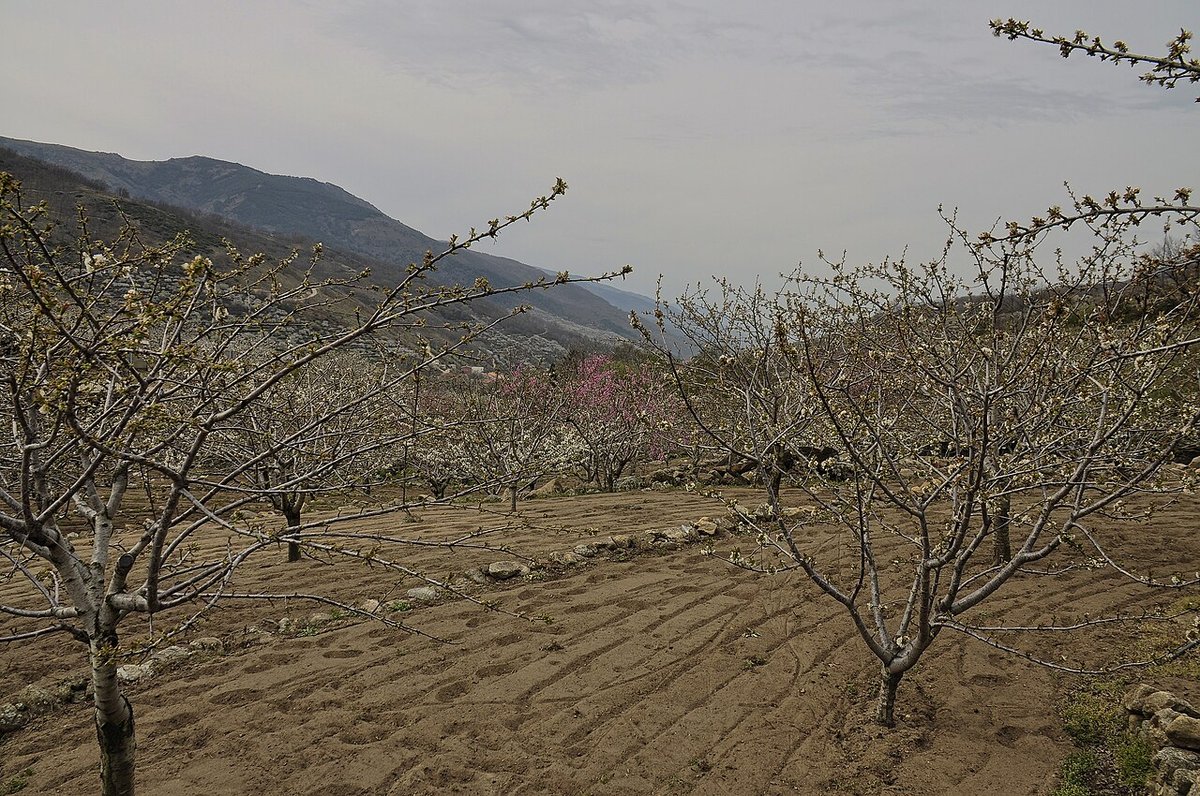
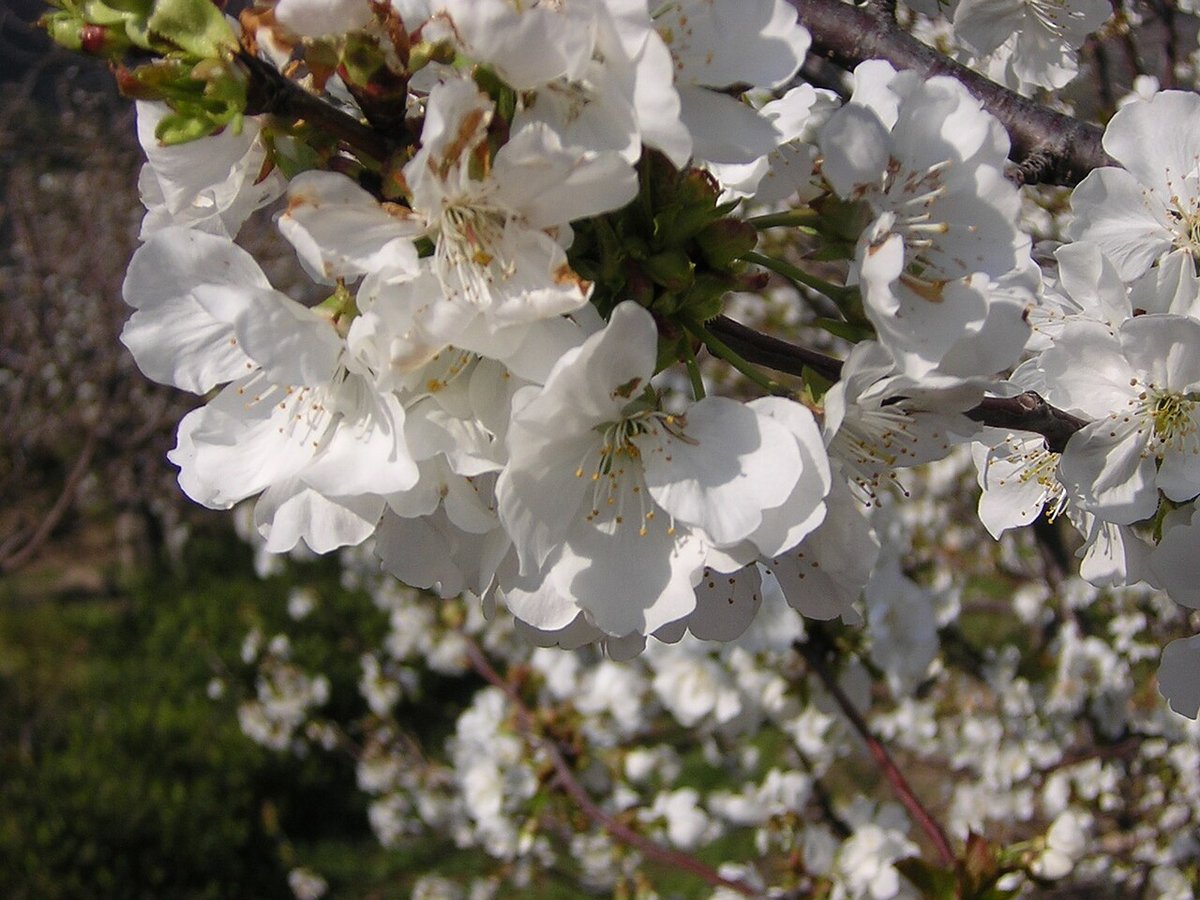
In spring, the city becomes noticeably busier, particularly when it coincides with the cherry blossom season in the Jerte Valley. Many travellers use Plasencia as a base for exploring the surrounding area, so weekends can feel livelier in the historic centre.
For a quieter visit, January and February are usually calm months. Some mornings begin with fog clinging to the rooftops, and the city reveals itself gradually as the sun lifts it away.
August brings a different mood. The festivities of the Virgen del Puerto fill the streets with music, stages and crowds. It can be enjoyable for those who like a lively atmosphere, though those looking for quiet may prefer another time of year.
The Aqueduct at Dusk
Towards evening, the aqueduct at one of the entrances to the city takes on an ochre tone. With more than fifty arches aligned in a long stretch, its scale becomes especially striking when seen from the side in the low light.
Below it, daily life carries on. Children play with a ball, people walk from one neighbourhood to another, often without paying much attention to the monument above them. This contrast, centuries-old stone overhead and everyday movement beneath, feels very much part of Plasencia.
From nearby, the towers of churches can be seen, along with the tall trees of the park moving in the late breeze. When you leave, these are the images that tend to linger.