Rebollar - Flickr
JMart Jose Manuel P Saavedra · Flickr 4
Extremadura · Meadows & Conquerors

Rebollar

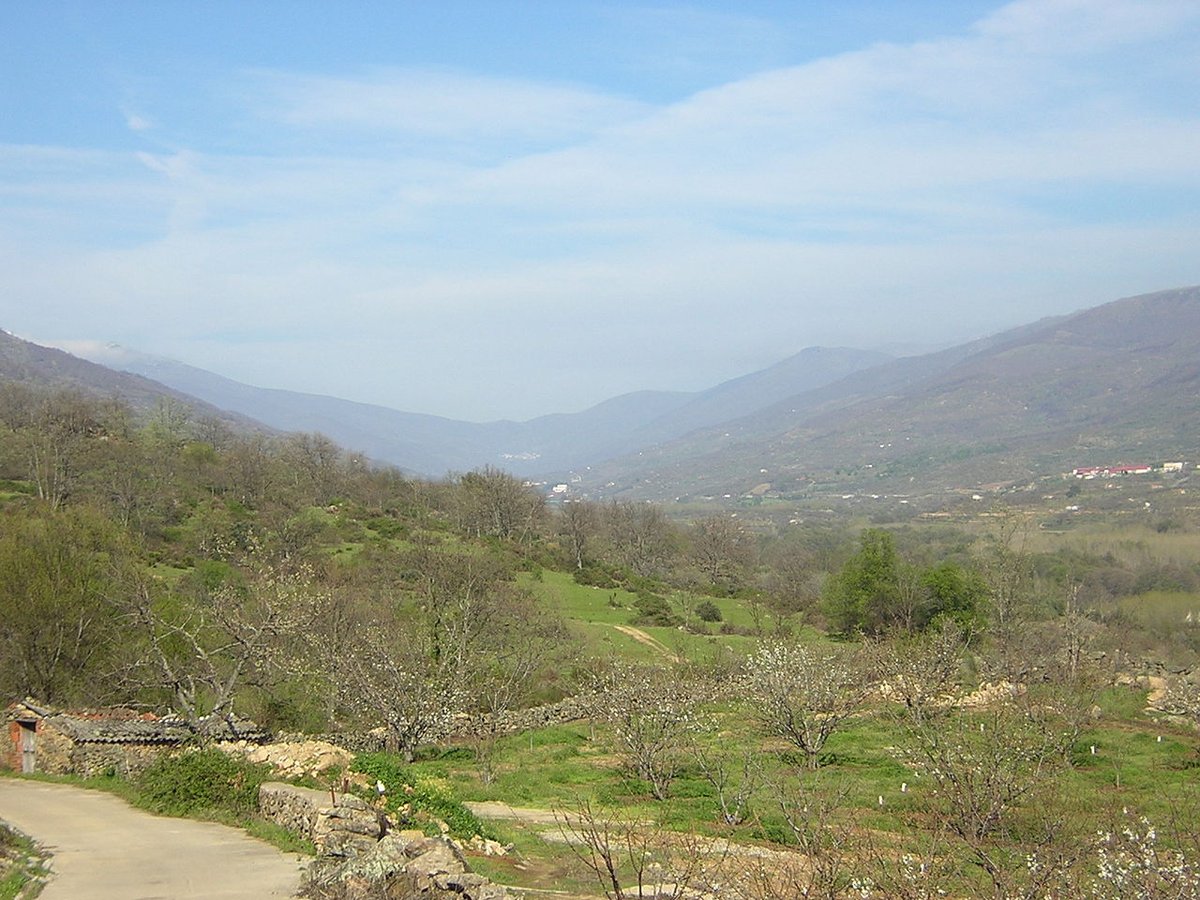
The morning mist clings to Rebollar at 622 metres, thick enough to obscure the chestnut trees that anchor the village to the mountainside. By eleve...

203 inhabitants · INE 2025
622m Altitude

Why Visit

Mountain Canchal Houses Hiking

Best Time to Visit

spring

Santa Catalina Festival (November) agosto

Things to See & Do
in Rebollar

Heritage

  • Canchal Houses
  • Valley views

Activities

  • Hiking
  • landscape photography

Festivals
& & Traditions

Fecha agosto

Fiestas de Santa Catalina (noviembre)

Las fiestas locales son el momento perfecto para vivir la autenticidad de Rebollar.

Full Article
about Rebollar

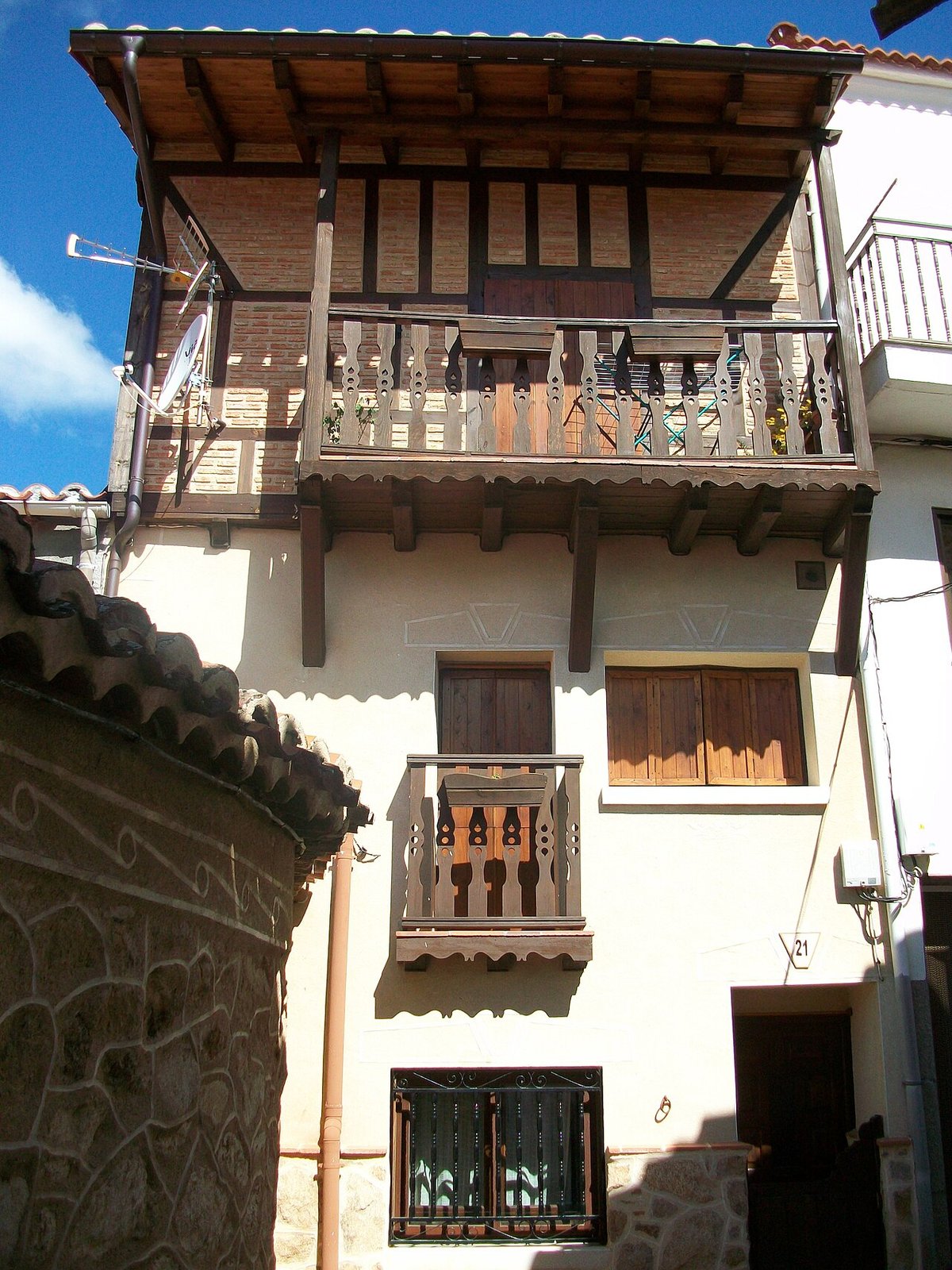
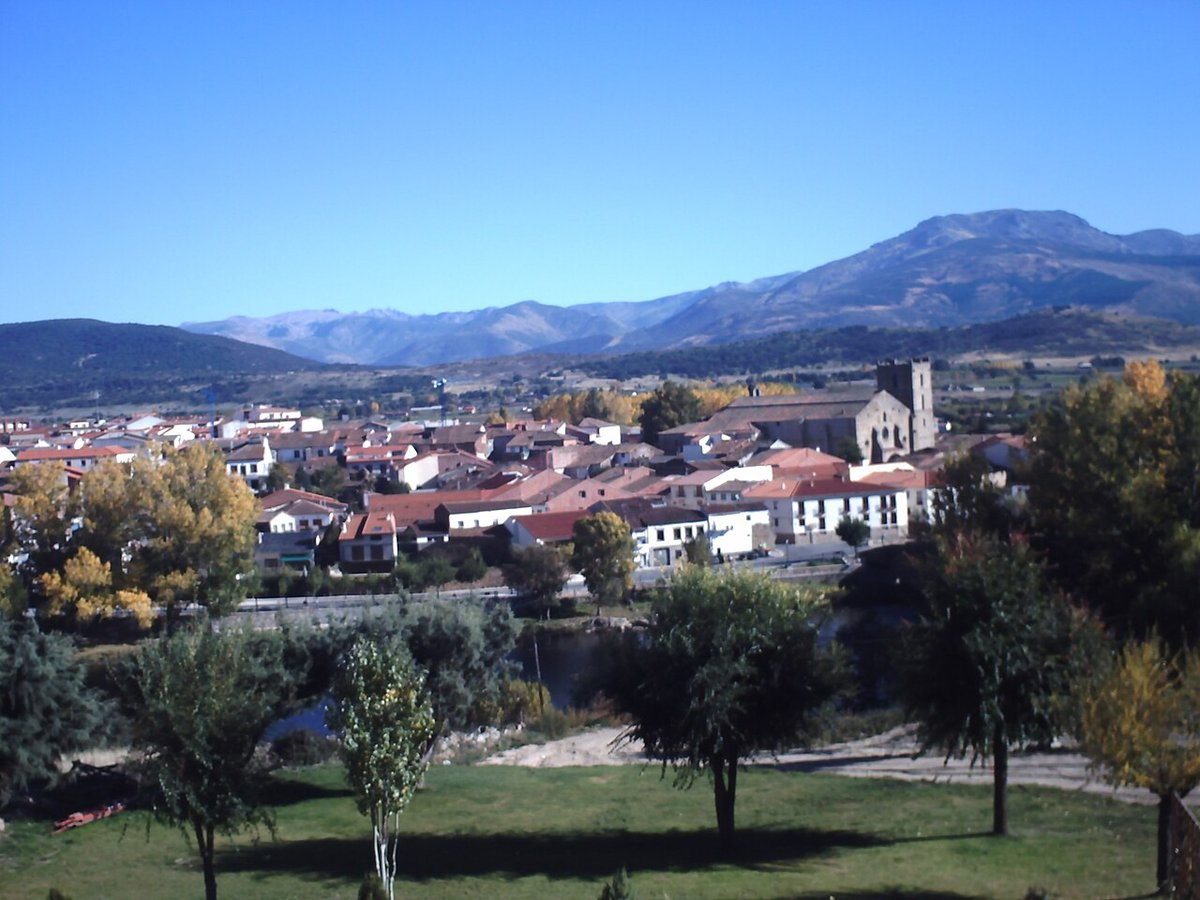
Balcony village over the Jerte, its houses built in mountain vernacular style.

Ocultar artículo Leer artículo completo

The morning mist clings to Rebollar at 622 metres, thick enough to obscure the chestnut trees that anchor the village to the mountainside. By eleven it burns off, revealing the Valle del Jerte spread below like a crumpled green quilt. At this altitude, the air carries a faint metallic tang—snowmelt, granite, and something that might be wild rosemary. It's noticeably cooler than the valley floor, a difference that becomes crucial when summer temperatures down below nudge 40°C.

Stone, Timber and the Sound of Water

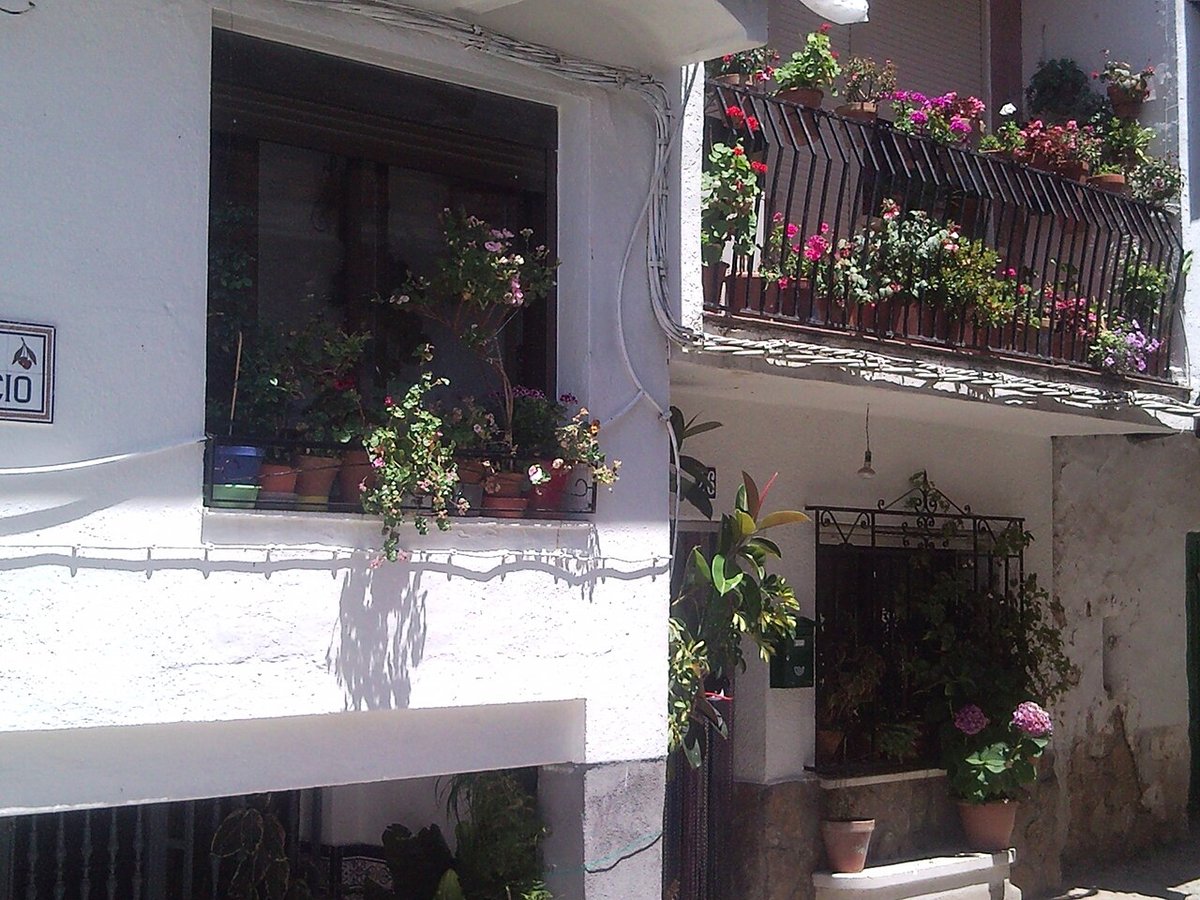
Rebollar's houses huddle along a single main lane that snakes uphill until the tarmac gives way to a dirt track. The architecture is resolutely practical: granite masonry walls two feet thick, timber beams darkened by centuries of wood smoke, and those distinctive truncated-cone chimneys that look like stone beehives. Some properties still have their original wooden balconies, though many have been replaced with ironwork that clangs softly in the mountain breeze.

The parish church squats at the village centre, its bell tower disproportionately large for a congregation that now numbers barely two hundred. Inside, the atmosphere is sparse—whitewashed walls, simple wooden pews, and a single baroque altarpiece whose gold leaf has dulled to the colour of autumn chestnuts. It's the sort of building that has witnessed everything from plague to broadband, and wears its history lightly.

Water is never far away. Gargantas—narrow mountain gorges—surround the village, their streams feeding a network of stone washing troughs that still see use on Mondays. The sound of running water follows you everywhere, a constant presence that locals barely notice but visitors find oddly soothing.

Walking the Old Ways

The paths radiating from Rebollar predate both Google Maps and the Guardia Civil. They connect to neighbouring hamlets—Tornavacas, Piornal, Villanueva—following routes that sheep, mules and traders have used for a millennium. Waymarking is sporadic: occasional yellow dashes on boulders, cairns at junctions, the knowledge that generally what goes down must eventually come up.

A sensible circuit heads south-west towards the Sierra de Tormantos, climbing through mixed forest of sweet chestnut and Pyrenean oak. After ninety minutes you reach a col at 1,100 metres where the views open northwards across the valley. On clear days you can pick out Plasencia's cathedral, thirty kilometres distant, its sandstone glowing amber in afternoon light. Griffon vultures ride thermals above the escarpment; with patience you might spot a golden eagle quartering the higher slopes.

Winter transforms these paths. Snow can lie from December through March, and while the village road gets ploughed eventually, walking becomes a different proposition entirely. Microspikes help on icy sections, though locals simply switch to sturdy boots and accept that progress will be slower. The compensation is having the mountains to yourself, plus the knowledge that a wood-fired brandy awaits back in the village bar.

What Grows Between the Rocks

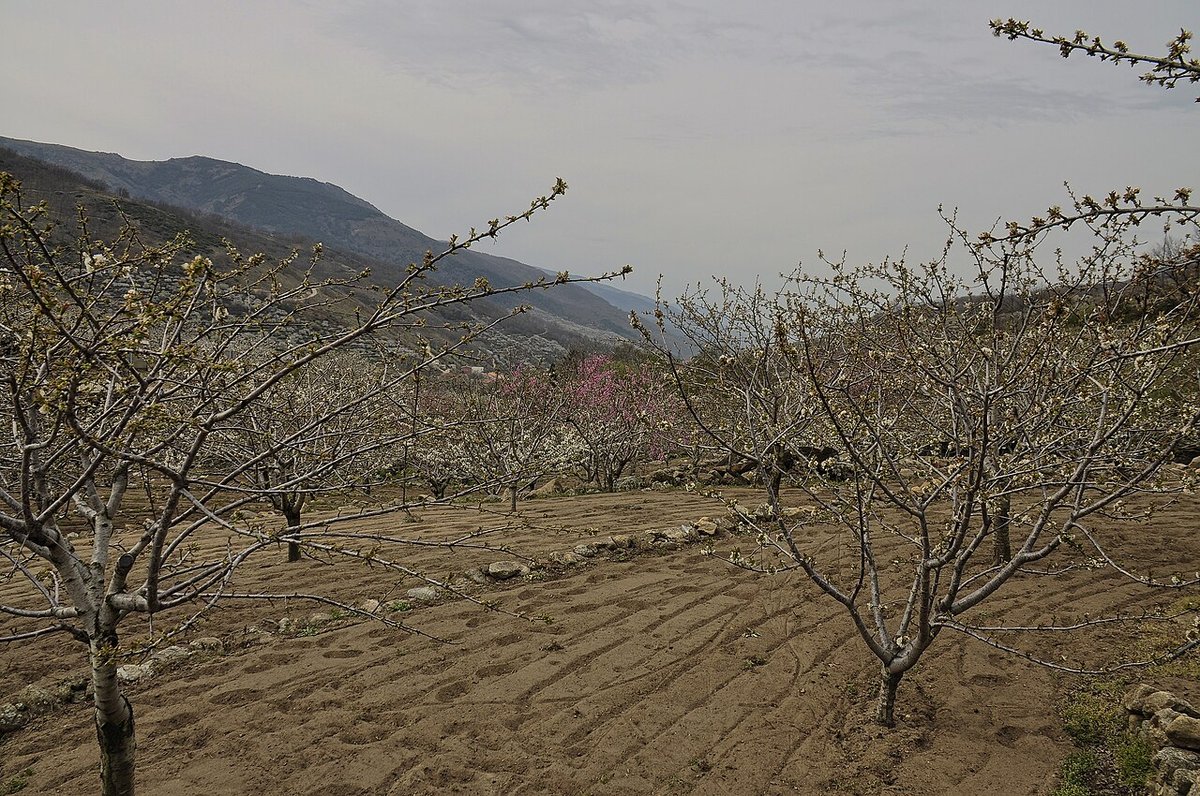
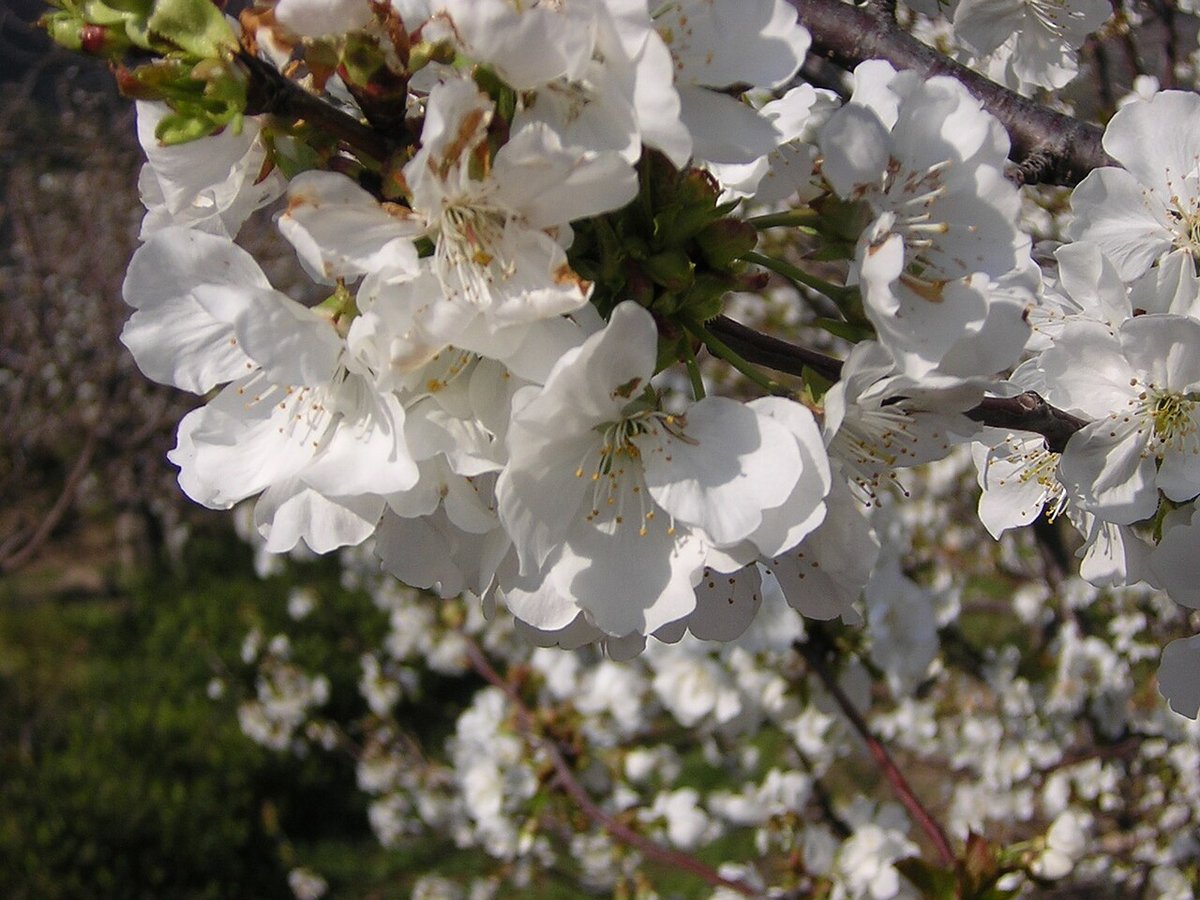
The altitude dictates what flourishes here. Cherry trees occupy every south-facing terrace below 800 metres, their blossom creating a brief white-out each April that photographers chase obsessively. Chestnuts dominate above the village, their harvest in October marking the year's real agricultural high point. During castaña season, families spend weekends gathering the spiky green cases, later roasting the nuts over open fires until the shells split with a sound like distant gunfire.

Local cooking reflects this geography. Migas—fried breadcrumbs with garlic and chorizo—appear on every menu, designed to use stale bread and provide calories for fieldwork. Winter brings hearty chickpea stews thickened with morcilla, while spring showcases trout from the gorges, simply grilled with bay leaves. The village's single restaurant, Casa Paco, serves set menus for €12 including wine. Portions are generous enough that skipping lunch beforehand is advisable.

When the Village Wakes Up

August transforms Rebollar completely. The fiesta patronale brings back families who've scattered to Madrid, Barcelona, even London. Suddenly the silent streets echo with generators powering fairground rides, and elderly neighbours who haven't spoken for months find themselves dancing until dawn at the makeshift verbena. The population swells to perhaps a thousand; parking becomes impossible and the village's two bars run out of beer by midnight. By the twentieth, it's over. The fairground packs up, the exiles return to their city lives, and Rebollar settles back into its quiet rhythms.

Semana Santa offers a different intensity. Holy Week processions here eschew the theatricality of Seville or Málaga. Instead, twenty hooded figures carry a simple wooden cross through streets barely three metres wide, their only accompaniment the slow beat of a single drum. It's devotional rather than spectacular, witnessed mainly by villagers and the occasional lost tourist who'd expected something more Instagram-friendly.

Getting There, Staying Sane

The drive from the UK involves flying to Madrid, collecting a hire car, and heading west on the A-5 for two hours to Navalmoral de la Mata. From there it's another hour through progressively smaller roads: first the EX-118 to Plasencia, then the CV-100 that twists up the Jerte valley like a dropped ribbon. The final stretch from Cabezuela del Valle to Rebollar is only eight kilometres but takes twenty minutes—single track in places, with stone walls that punish rental car wing mirrors.

Public transport exists in theory. A daily bus connects Plasencia with Cabezuela, from where taxis will complete the journey for about €25. In practice, having your own wheels is essential for exploring beyond the village itself.

Accommodation options are limited to three rural houses and a handful of rooms above Bar Navas. Casa Rural El Cerezo sleeps six and has proper central heating—crucial for winter visits when nighttime temperatures drop below freezing. Book direct via the village website; ignore the booking platforms that list properties twenty kilometres away. During cherry blossom season (late March to early April) and August fiestas, reserve months ahead. Otherwise, a phone call the week before usually suffices.

The Honest Truth

Rebollar won't suit everyone. Mobile coverage is patchy, the nearest cash machine is twelve kilometres away, and restaurants observe Spanish hours—meaning lunch finishes at 4 pm and dinner starts no earlier than 9 pm. Rain can turn the forest paths into a quagmire within minutes, while summer afternoons become hot enough to make walking actively unpleasant between 1 pm and 5 pm.

Yet for those seeking somewhere that tourism hasn't sanitised, where the bar owner remembers your order from yesterday and the night sky remains dark enough to see the Milky Way, Rebollar delivers. Come with realistic expectations: this is a working mountain village that happens to have rooms for rent, not a resort pretending to be authentic. Bring decent footwear, a sense of temporal flexibility, and an appetite for chestnuts. The sierra will handle the rest.

Key Facts

Region
Extremadura
District
Valle del Jerte
INE Code
10154
Coast
No
Mountain
Yes
Season
spring

Livability & Services

Key data for living or remote work

2024
ConnectivityFiber + 5G
HealthcareHospital 19 km away
EducationElementary school
Housing~5€/m² rent · Affordable
CoastBeach nearby
January Climate4.9°C avg
Sources: INE, CNMC, Ministry of Health, AEMET

Planning Your Visit?

Discover more villages in the Valle del Jerte.

View full region →

More villages in Valle del Jerte

Traveler Reviews