Full Article
about Tornavacas
Head of the Jerte Valley; historic town where Charles V once spent the night among the mountains
Hide article Read full article
The stream runs fast even on dry days. You hear it before you see it. It slips between stone walls and under small bridges while the village spills down the hillside. Tourism in Tornavacas often begins there, following that constant sound as it threads through the centre and sets the pace of the streets.
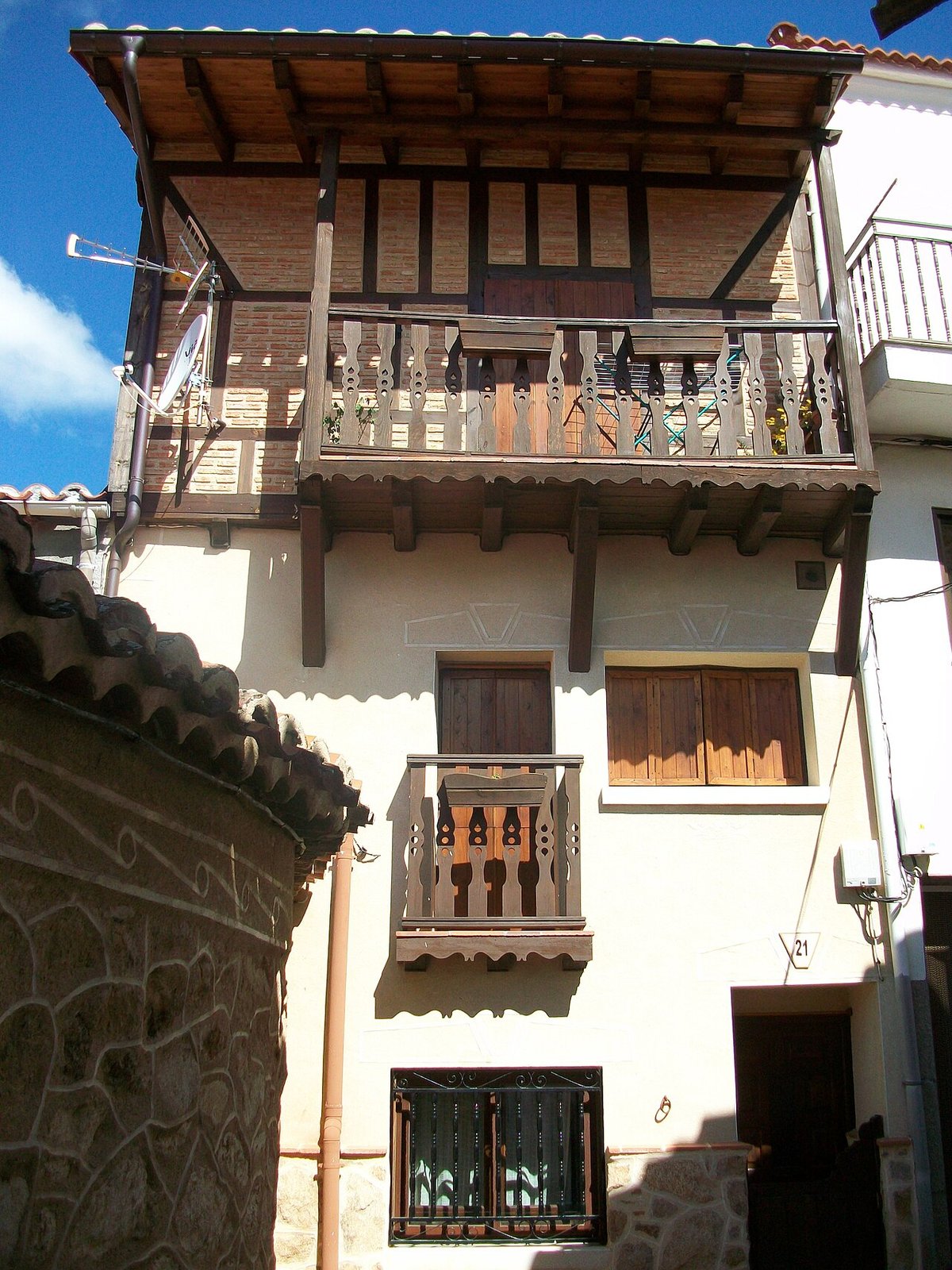
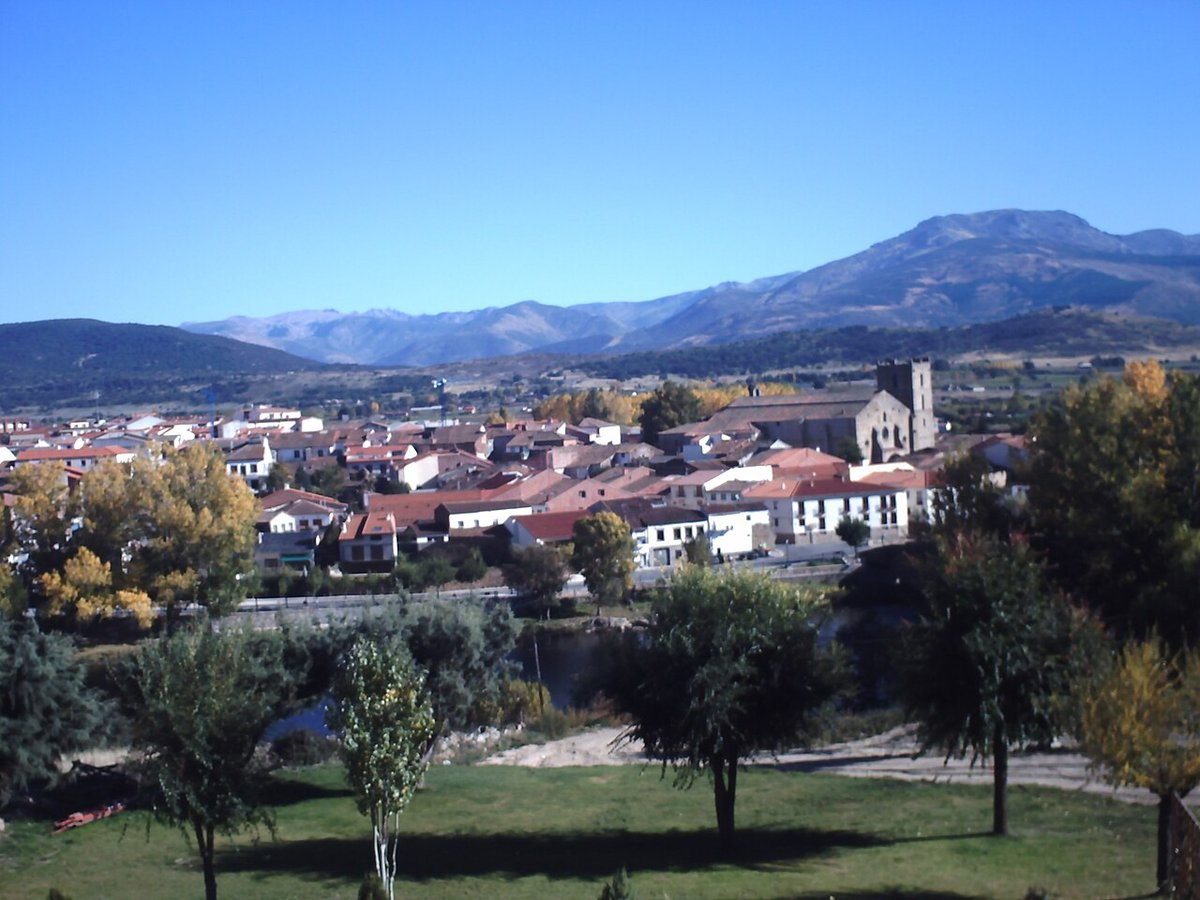
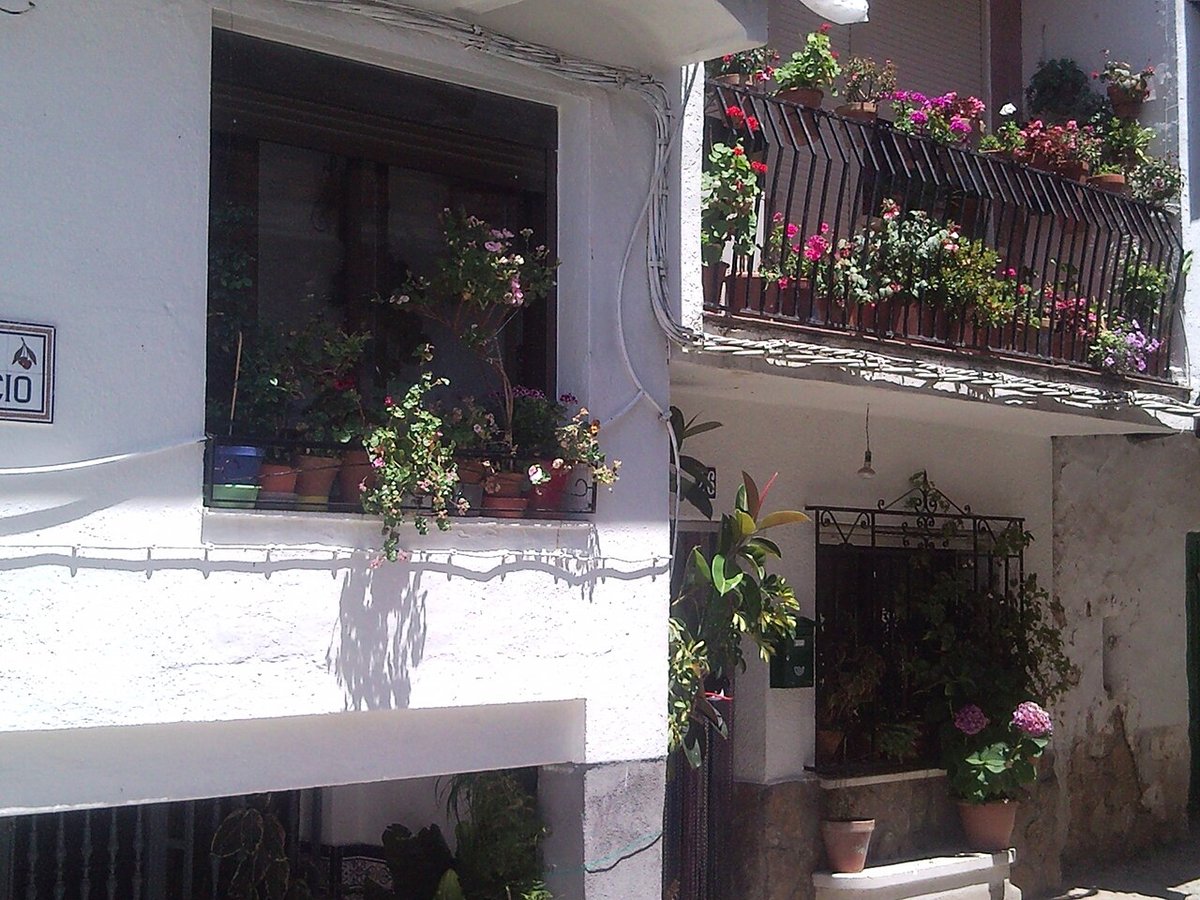
Tornavacas sits in the upper part of the Valle del Jerte, at around 870 metres above sea level. Houses lean into one another on the slope. Dark stone on the ground floor, timber framing above, narrow balconies where washing sometimes hangs or peppers are left to dry at the end of summer. The streets are not long, but they are steep. Walking here always means going up or down.
A village built on a slope
From the lower part of the old town, the streets climb towards the church of San Pedro Apóstol. Construction began in the late Middle Ages and continued into the 16th century. Its tower is solid, without unnecessary decoration. When the bells ring, the sound bounces off the nearby façades.
Underfoot, the ground is uneven. Old cobbles worn smooth by centuries of use. In some doorways the wood has darkened with sun and damp. By mid-afternoon, when the light comes in at an angle, the slate roofs turn almost black and the pale walls reflect a warm tone.
Comfortable shoes are a good idea. The gradients make themselves felt, especially after a walk in the valley when the legs are already tired.
The bridge and the stream
A stone bridge over the Arroyo de Tornavacas links the two sides of the village. It has a single arch, slightly pointed. From above, you can watch the water moving between rounded stones and the small shadows of alders.
Early in the day it is usually quiet. Later on, cars pass and people stop briefly to look at the channel or take a quick photo. When the flow runs clear after rain, the sound of the water fills the whole area.
Paths towards gorges and Gredos
As soon as you leave the built-up area, paths appear. Some follow old routes between plots of cherry and chestnut trees. Others head into denser patches of woodland.
The Garganta de los Infiernos lies relatively close within the Jerte nature reserve. It is an area of pools and rocks smoothed by water. In summer it fills up easily, and access parking tends to become difficult by mid-morning.
From Tornavacas, the old route towards the Sierra de Gredos also begins. The path gains height through oaks and chestnuts before opening out into more exposed ground. On cold days, the nearby peaks can show patches of snow even when the valley already smells of spring.
The slopes are not gentle. Anyone heading out on foot should look carefully at the route before setting off and allow plenty of time.
Eating in Tornavacas
The cooking in the valley is straightforward and filling. Roast kid goat, migas with chorizo, and stews where potatoes, dried peppers and some game appear when it is in season. There are also goat’s cheeses and dishes that include chestnuts, especially in autumn.
It is common to end a meal with cherries when they are in season, or with a simple sweet linked to local tradition.
When to come and what to keep in mind
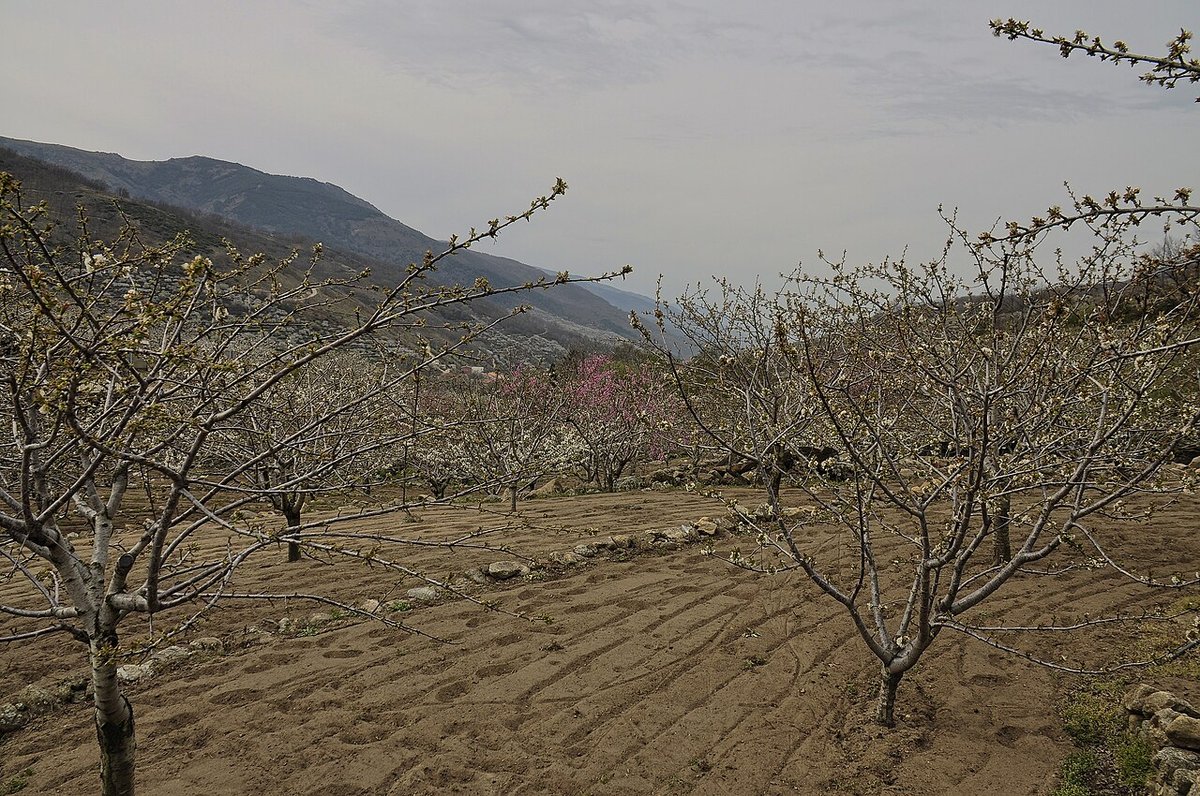
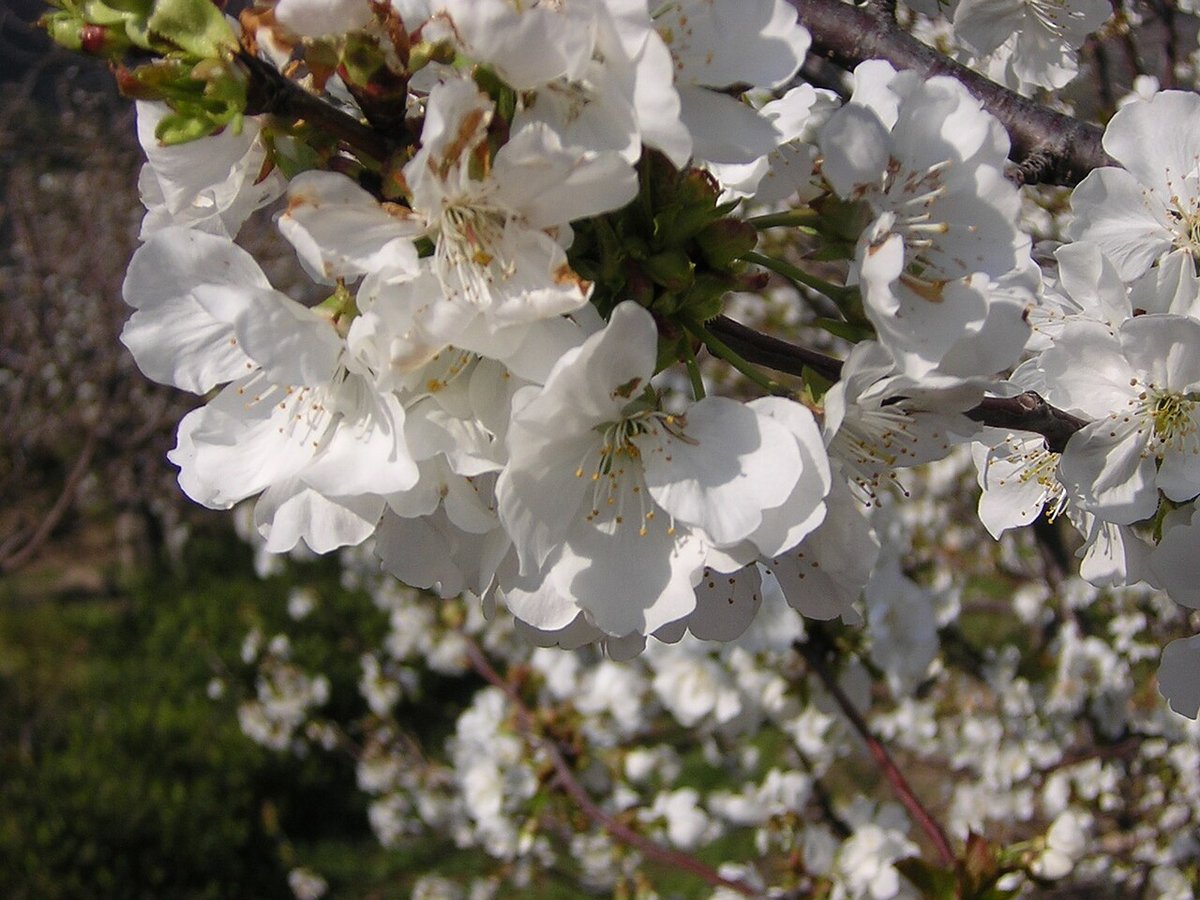
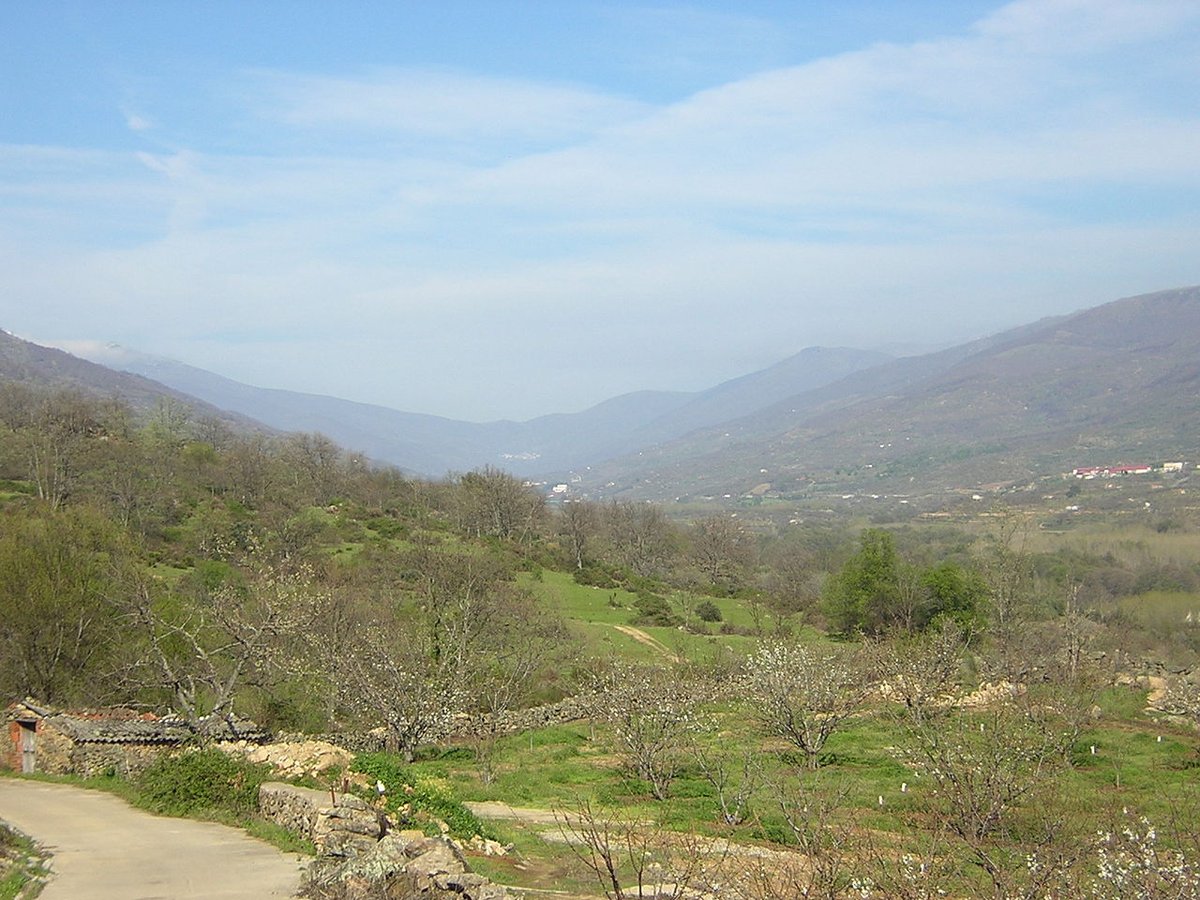
Spring changes the look of the whole valley. Cherry trees blossom for a few days and the slopes turn pale, almost white from a distance. That period attracts a lot of visitors. At weekends, traffic increases on the road over the pass.
Autumn feels quieter. Chestnut woods take on ochre tones and the air carries the scent of damp leaves towards evening.
In summer, the heat builds in the middle of the day. If you plan to walk towards Gredos or the gorges, it is worth setting off early. In winter, the village becomes more subdued. Nights are cold and mountain routes require checking the weather carefully before heading out.
Tornavacas can be seen quickly if you stay within the village itself. What really defines the place lies around it: the gorges, the woods and the route towards the mountains. And also the slopes, which set the rhythm and slow the pace. Here, the landscape always pulls upwards.