Full Article
about Valdastillas
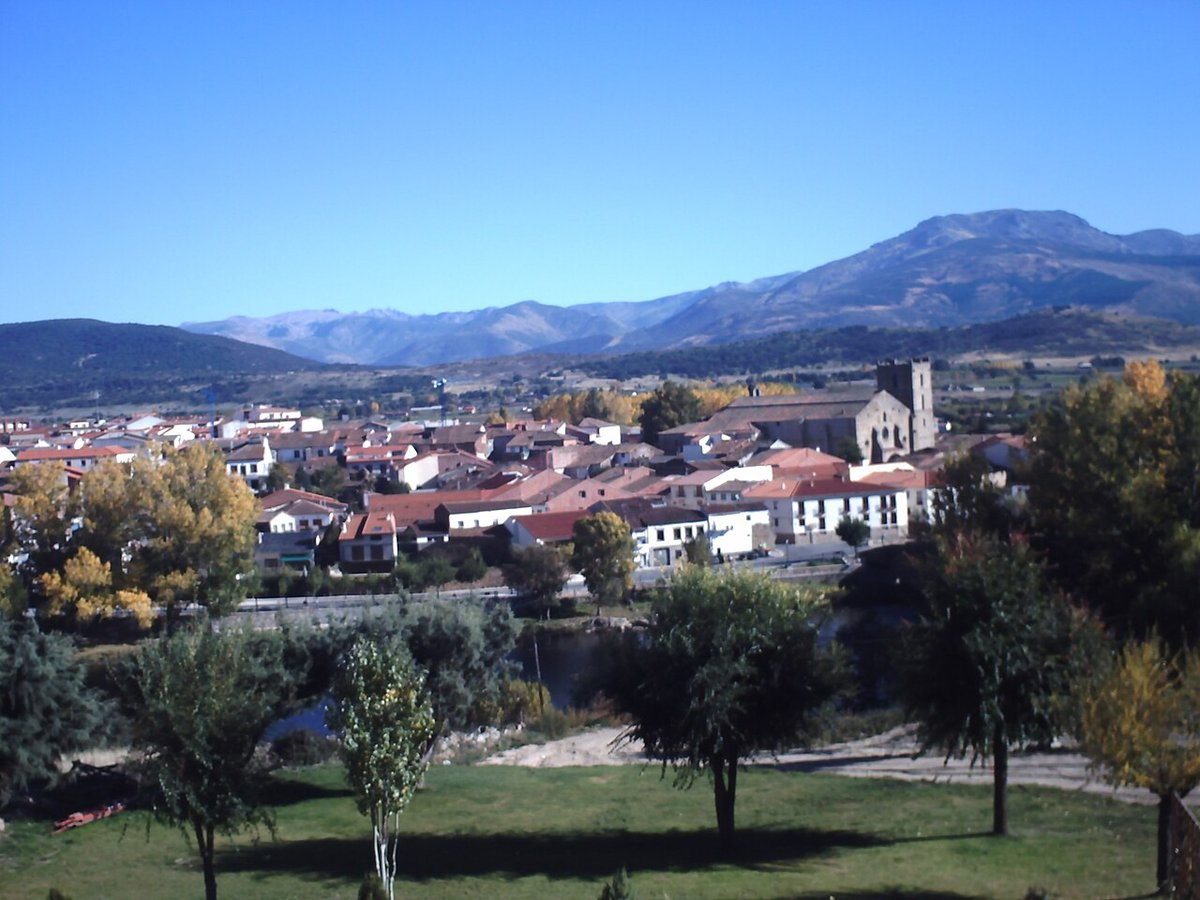
Jerte village with traditional architecture and terraced cherry orchards
Hide article Read full article
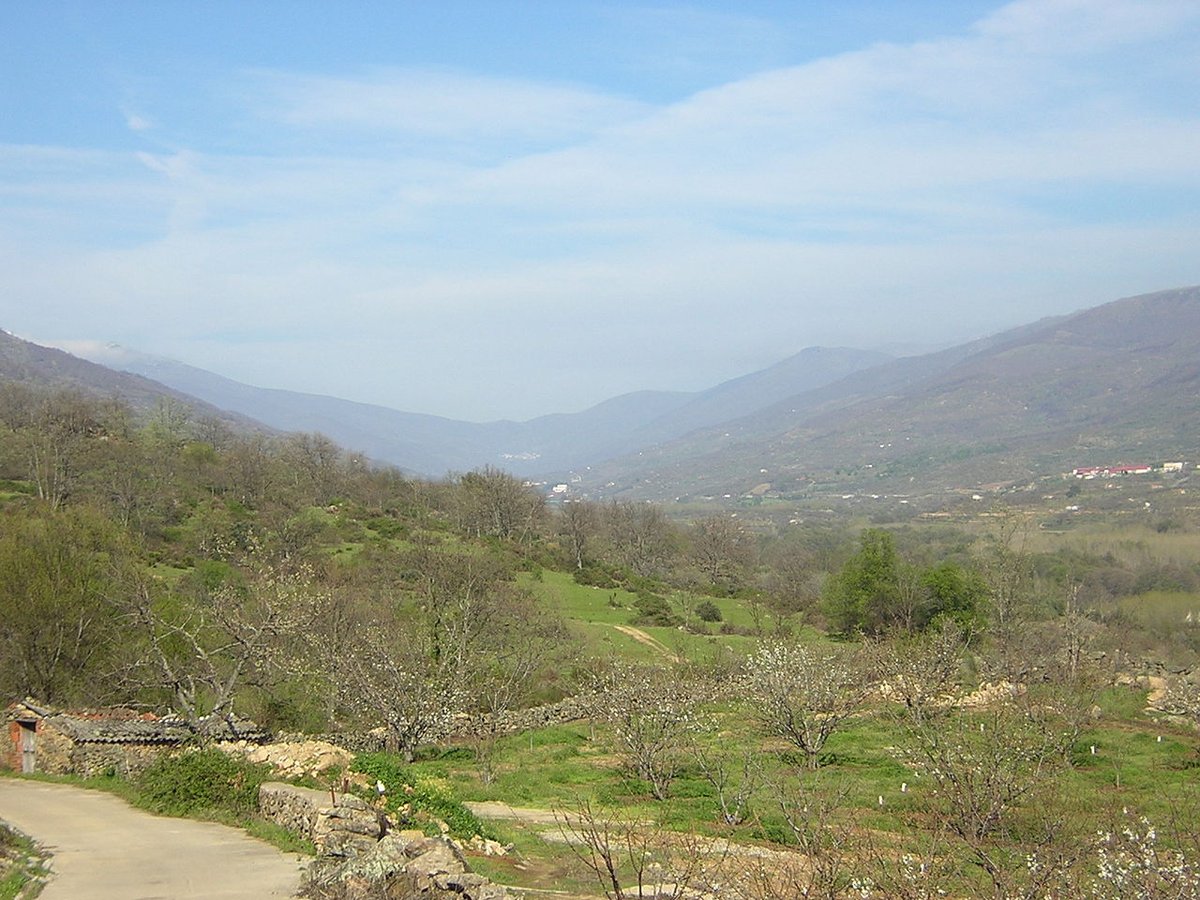
By mid-morning, when the sun starts to warm the stones underfoot, the air carries the smell of damp soil and freshly turned grass. A rooster might still be calling somewhere nearby and, if you pause, you can hear water running through a stream among the cherry trees. That is often how Valdastillas appears, in the Jerte Valley: unhurried, with a quiet broken only by small, everyday sounds.
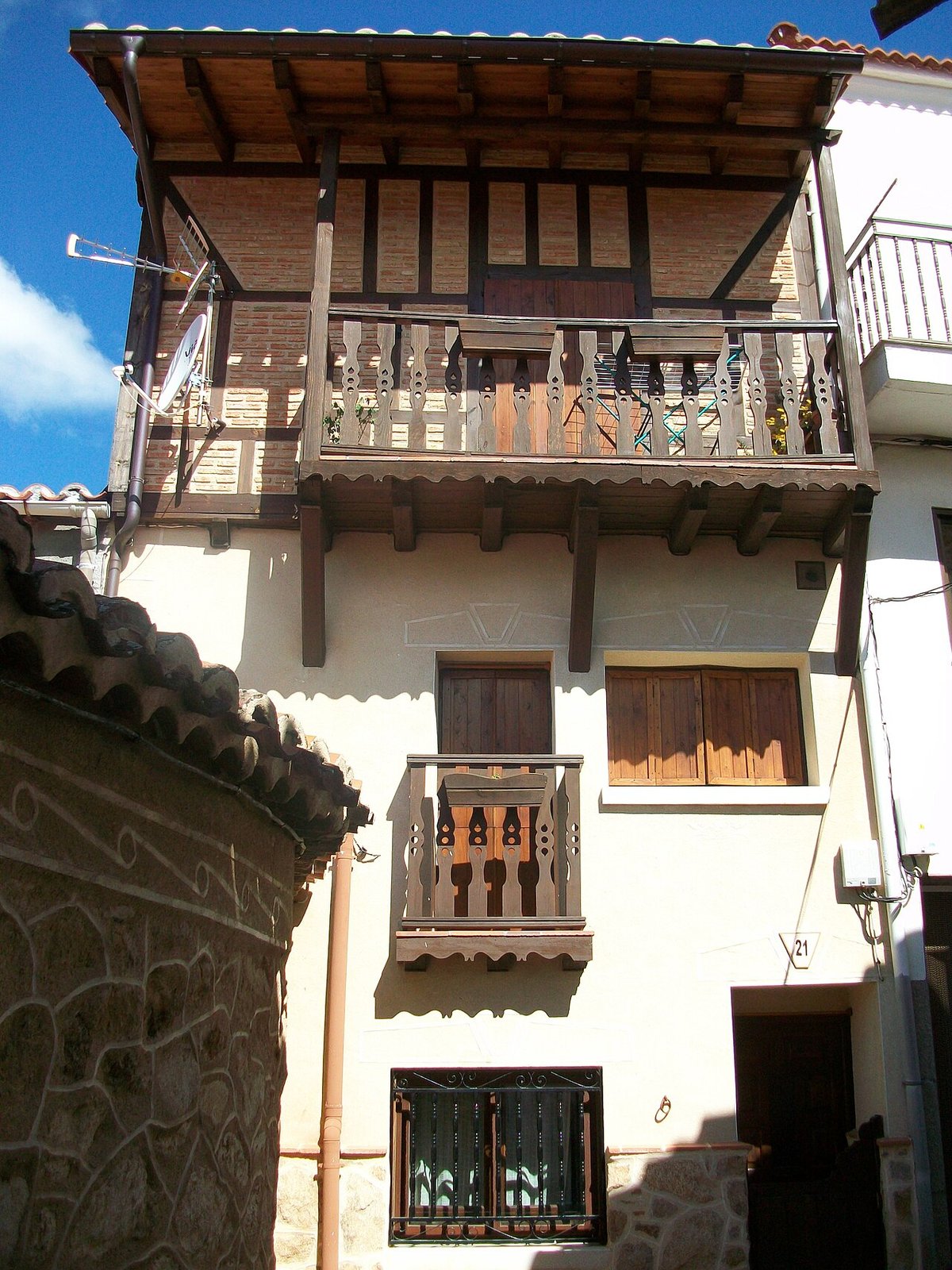
The village sits on a hillside at over six hundred metres above sea level, and it shows straight away. Most streets slope, some more sharply than others. The houses are built from stone, with dark roofs and balconies where farm tools or fruit crates sometimes hang in season. In the main square, the parish church, simple and made of stone, forms the centre of daily life. There are no major monuments around it. What you notice instead is the steady rhythm of neighbours passing by, greeting one another, and moving on.
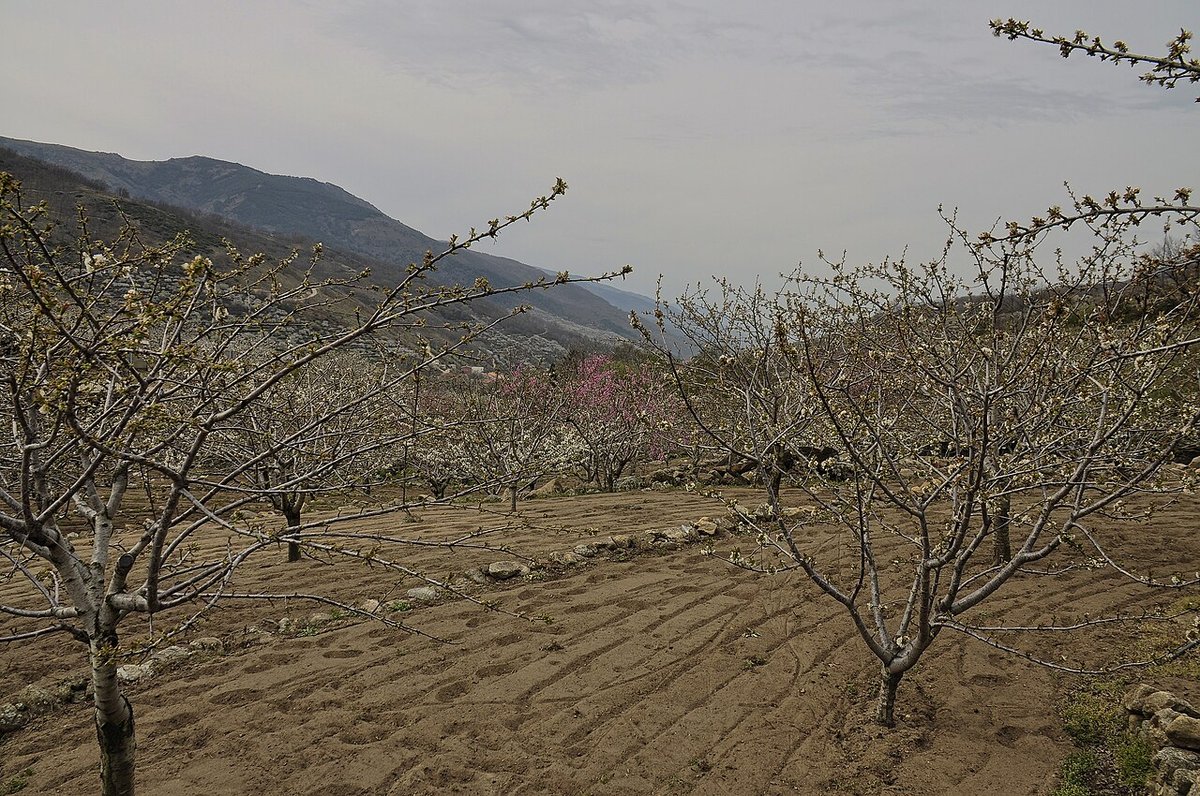
From the centre, it takes only a few minutes on foot to reach the first terraces. Stone walls hold up strips of cultivated land where cherry trees and small vegetable plots grow. Cold water runs down from the mountains through narrow gorges and streams that cross the paths.
Paths between terraces and streams
Tracks leading out of the village link with others across the Jerte Valley. Some are signposted, others less so, so it helps to have a route in mind on your phone or to ask a local before setting off.
These are dirt paths with loose stones, and the slopes make themselves felt in your legs. In return, the landscape shifts with each bend: rows of cherry trees, old walls covered in moss, the occasional toolshed half hidden among the branches. On quieter days, few people pass by, apart from the odd farmer driving up to their land.
If it has rained recently, mud appears quickly. Footwear with a good grip makes a difference.
When the cherry trees bloom
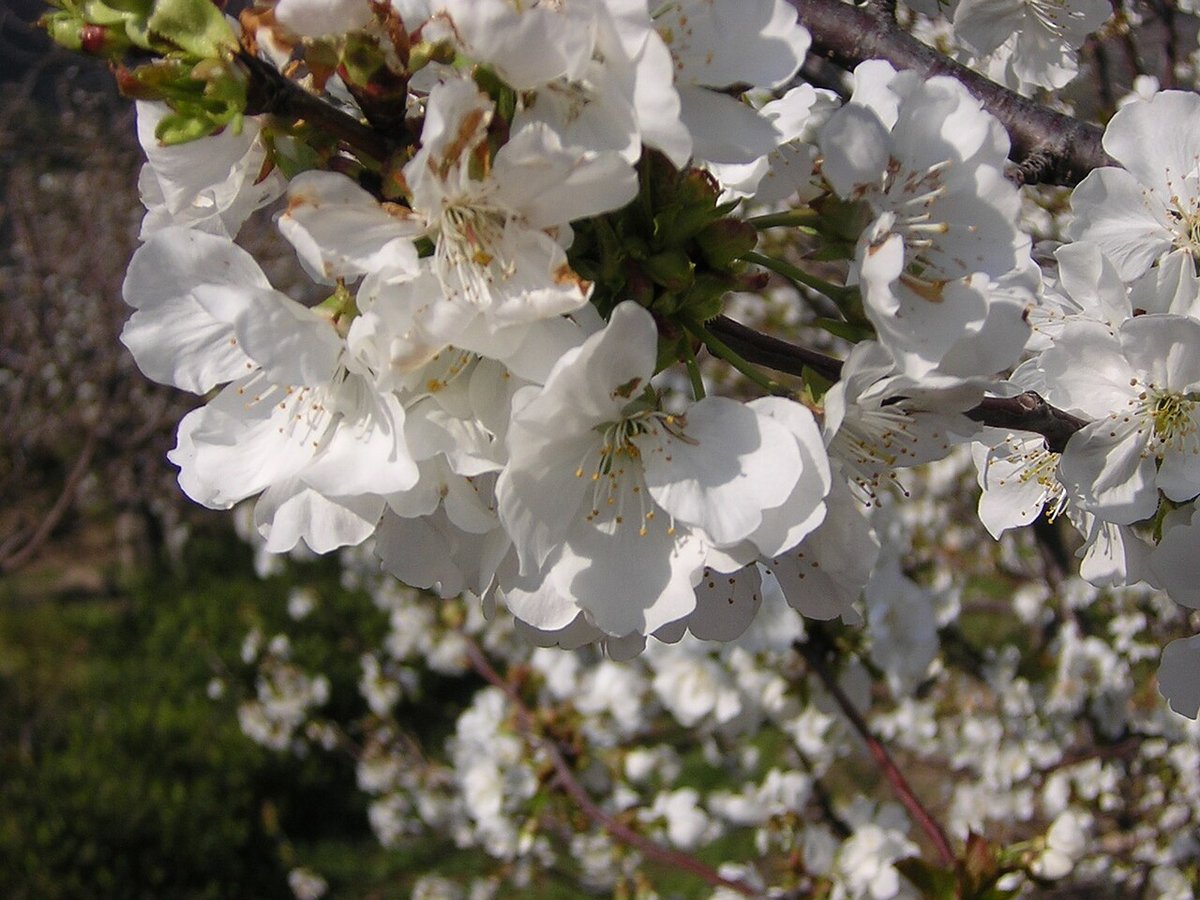
Spring changes the valley completely. Cherry blossom usually arrives between late March and early April, although it depends on how cold the winter has been and how the rain has behaved. For a few days, the terraces turn white and the sweet scent of the flowers mixes with the damp earth.
It is also when more visitors arrive. You notice it in the cars climbing the road and in people walking between the plots, looking for photographs among the blossom-covered branches. For a quieter walk, early weekday mornings tend to be calmer.
A few weeks later, the cherry harvest begins. The setting remains the same, but the pace shifts: stacked crates, tractors moving along the tracks, and groups of workers in the fields.
A short walk through the village
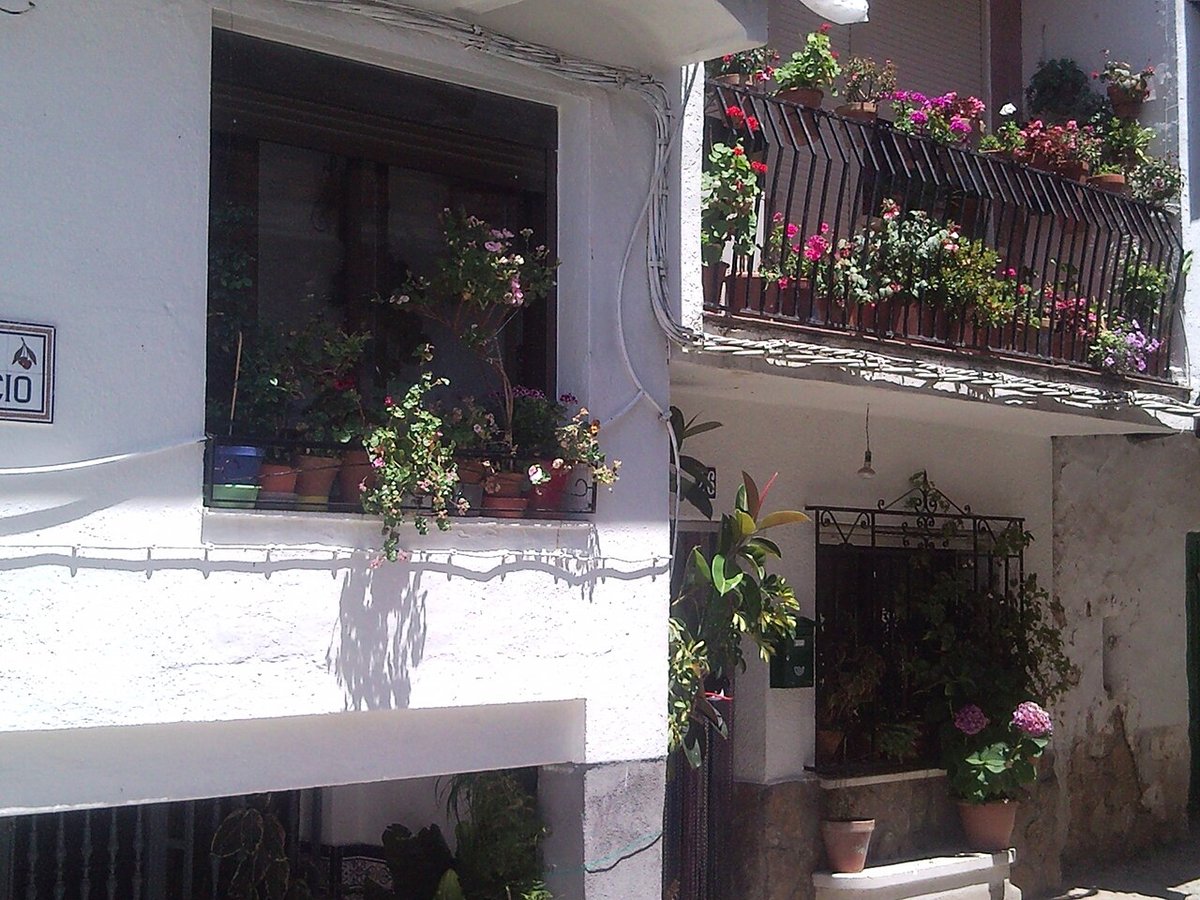
Valdastillas is small. In less than an hour, it is possible to walk its main streets, go up and down a few slopes, and return to the square. It is worth taking it slowly: noticing worn wooden doors, exterior staircases leading up to homes, and small gardens tucked between buildings.
The church is sometimes open during the day, though not always. If it happens to be, stepping inside offers a look at a simple interior that matches the scale of the village.
Afterwards, the most appealing option is often to head back out towards the paths around the village. Within minutes, the sounds of the streets fade away.
Festivities and local life
The main celebrations usually take place in summer, when family members who live elsewhere return and the streets become a little busier than usual. There are processions and events organised by residents, the kind where almost everyone takes part in some way.
Easter week, known in Spain as Semana Santa, is quieter here, in keeping with the size of the place. There are no large displays, but there is a clear presence of local people.
Getting there and moving around
The most direct route is typically via Plasencia, followed by the N‑110 road that runs through the Jerte Valley. From there, turn-offs lead towards the different villages, including Valdastillas.
On arrival, it becomes clear that the village centre was not designed for heavy traffic. Streets are narrow and sloping, and during the cherry harvest tractors and work vehicles may be on the move. It is usually more practical to leave the car in a wider space near the entrance or lower down and continue on foot.
When to go
Spring draws the largest number of visitors because of the cherry blossom. It is a striking time to see the valley, though also the busiest.
Autumn has a different rhythm: fewer people, reddish leaves on some terraces, and mild days suited to walking. In winter, the valley grows quieter still, with colder mornings, especially early in the day.
Valdastillas does not require much time to explore, but it gains something when combined with a walk along the surrounding paths or with visits to other villages in the Jerte Valley. What matters here is not a single landmark, but the accumulation of small details: the sound of water, the shape of the terraces, and the steady pace of village life.