Full Article
about Acedera
Small farming town in the Vegas Altas del Guadiana; known for its quiet and rural setting amid irrigated fields.
Ocultar artículo Leer artículo completo
The church bells strike two as Spanish families spill onto the pavement outside Restaurante Los Jamones. They've driven 50 kilometres from Mérida for the €12 menu del día—four starters, four mains, dessert and coffee. The waiter carves jamón ibérico by the plate, not the leg, because this is Extremadura's practical heartland, not a tourist show.
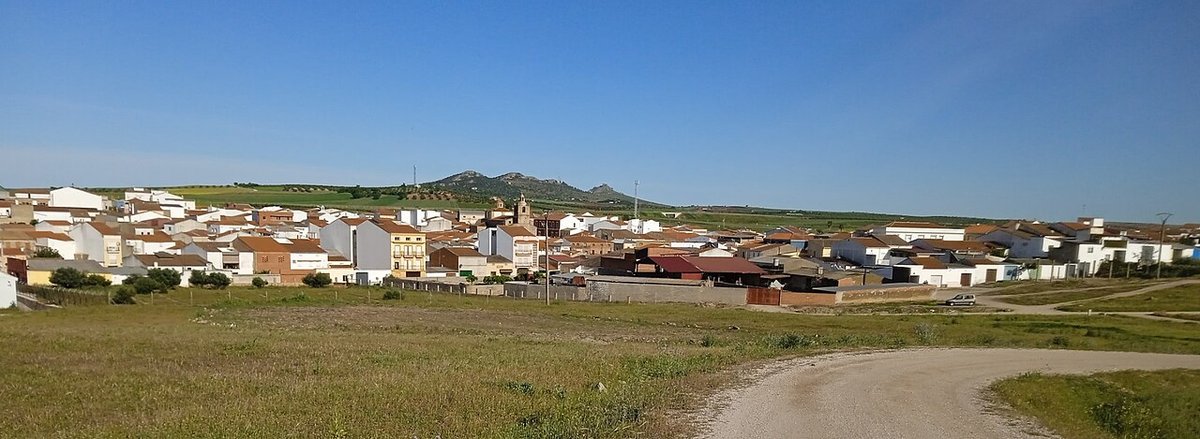
Acedera sits on the old Silver Route, five minutes off the A-66 motorway that shuttles Seville-bound traffic south. Most British drivers know it only as a blur of service stations and lorries. Pull off at junction 500, however, and you'll find a working village of 5,000 where agricultural wages dictate the rhythm and the landscape rolls out in wheat fields and dehesa oak pasture.
The centre is smaller than you'd expect. Whitewashed houses line a grid of five streets; the 18th-century Iglesia de Nuestra Señora de los Remedios anchors the main square. Iron balconies hold geraniums, granite doorways reveal glimpses of interior patios, and the whole ensemble takes twenty minutes to circumnavigate. There are no souvenir shops, no interpretive boards—just the smell of bread from the pastelería and the low murmur of neighbours discussing rainfall.
Walk south along Calle Real and the village dissolves into countryside. Dirt tracks slice between irrigated fields and patches of holm oak. Storks nest on telegraph poles; kites wheel overhead. These paths follow medieval livestock routes called cordelés—broad enough for two oxen and a cart. They're flat, unsigned and largely empty; take water and a hat between May and September when the temperature pushes past 35 °C.
Cyclists use Acedera as a pit-stop on the Via de la Plata cycle trail. The terrain suits road bikes rather than mountain bikes—rolling plateau rather than mountain passes. Traffic is light, drivers courteous, and the reward is kilometres of open horizon punctuated only by stone farmhouses and the occasional herd of retinta cattle.
Food is the main reason travellers break journey here. At Los Jamones order cochinillo—roast suckling pig with crackling that shatters like toffee. The revuelto de morcilla scrambles local black pudding with egg; milder than it sounds and perfect with a glass of cold lager. If you prefer fish, bacalao con pisto delivers salt-cod on a bed of Spanish ratatouille—familiar flavours for British palates. Portions are generous; skip breakfast or prepare for a siesta.
Sunday lunch fills up with extended families from nearby towns. Book a table or arrive before 13:30. Weekdays are quieter—sometimes too quiet. Bars may close mid-afternoon and there's no guarantee of evening service outside fiesta periods. Phone ahead if you're counting on dinner.
The annual fiesta honouring Nuestra Señora de los Remedios happens in mid-August. The village doubles in size as emigrants return. Streets are strung with paper lanterns, brass bands march at midnight and the church square hosts outdoor dancing until the Guardia Civil suggest quieter hours. January brings San Antón, when tractors, hunting dogs and the odd pet tortoise queue for a priest's blessing outside the church door. In May women decorate wrought-iron crosses with carnations and parade them through the lanes. These events aren't staged for visitors; pull up a plastic chair, buy a raffle ticket and you'll be welcomed, but don't expect English explanations.
There is only one lodging with any online footprint: Hotel-Hostal El Acueducto Gran Ruta on the ring-road. Rooms are spotless, Wi-Fi works and doubles cost around €45 including garage parking. The name hints at Roman engineering that once carried water here, though no trace remains. Reception sells cold beer and microwaved tortilla for drivers arriving after the café shutters come down.
Practicalities require planning. Acedera has no cash machine; fill your wallet in Zafra or Mérida. The petrol station on the bypass closes at 21:00 sharp—don't plan a late dash. Public transport is theoretical: one long-distance bus between Madrid and Seville can drop you on the main road at 02:00 if you insist, but you'd still face a 1 km walk into the village with no pavement. Hire a car or treat the place as a lunch break.
That honesty matters, because the village won't keep you busy for days. Half a morning's stroll, a long lunch, perhaps an afternoon cycle—then you're done. Some travellers combine it with the Roman ruins at Mérida 50 kilometres north, or use it as a cheap overnight stop before crossing into Portugal via the nearby Termas de São Lourenço spa. Others simply need a breather from the motorway and discover that Acedera offers something increasingly rare: a slice of Spain that hasn't redesigned itself for the tourist pound.
Come in April and the surrounding vegas glow green with young wheat. October turns stubble fields gold and the oak canopy reddens. Summer brings oven-dry heat; winter can be surprisingly sharp, with Atlantic fronts sweeping across the plateau. Whenever you visit, keep expectations modest. The reward is an unfiltered encounter with daily life in Extremadura: a slow coffee under the church portico, a plate of hand-carved ham, and the realisation that sometimes the best thing a village offers is simply the space to stop driving and start looking.