Full Article
about Don Benito
Important commercial and agricultural hub of Vegas Altas; a modern, dynamic city urbanistically linked to Villanueva de la Serena.
Ocultar artículo Leer artículo completo
A market town that forgot to pose for postcards
The Friday morning veg auction in Don Benito starts at 09:30 sharp under a corrugated-iron roof that smells of damp cardboard and fresh soil. Wholesalers bark prices per kilo for pimiento rojo the size of cricket balls, then bolt for the nearest bar before the sun climbs above the flat roofline. No one offers tasting notes or farm-to-table patter; this is Extremadura’s food engine doing what it has done since the 1950s irrigation schemes turned the basin green. Stick around for ten minutes and you’ll understand why the town exists – and why hardly anyone in Britain has heard of it.
Plains, pipes and the politics of water
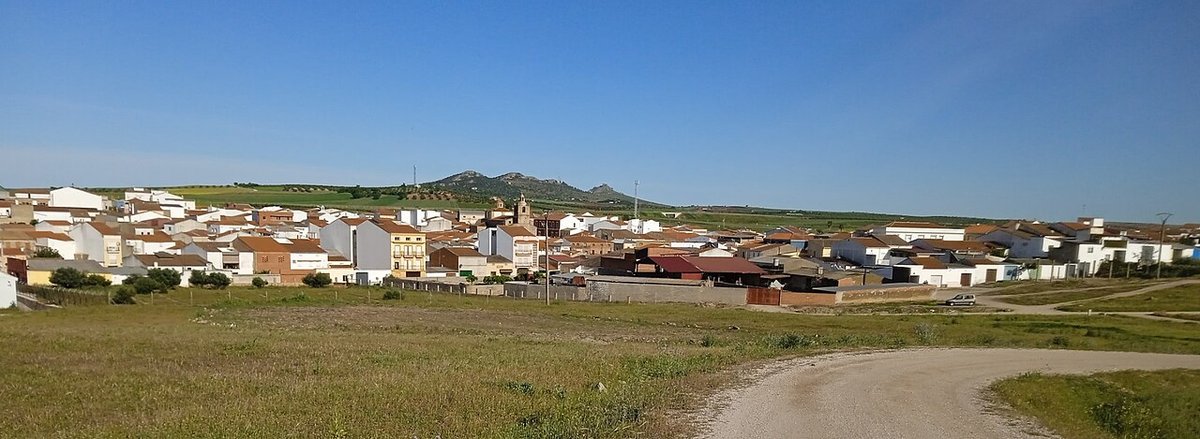
Don Benito sits at 280 m above sea level on the Vegas Altas del Guadiana, a pancake-flat slab of alluvial soil forty minutes’ drive east of Mérida. The railway station closed in the Eighties, so almost every visitor arrives by car on the A-5, swings onto the EX-104 and wonders why the sat-nav still says twelve kilometres when the horizon looks as if you could touch it. Irrigation channels, not hills, break the view; they run ruler-straight between tomato fields that change from emerald to rust-red between June and September. In winter the same plots sprout broccoli and lettuces, and the thermometer can drop to –3 °C at night – a shock if you’ve driven up from Seville expecting Andalusian balm.
The town’s 37,000 inhabitants make it one of Spain’s largest municipalities without cathedral, beach or ski-lift, which explains the blank looks on most tourist-office maps. What it does have is water rights, negotiated yearly with the Guadiana basin authority and defended as fiercely as any medieval charter. Without that allocation the vegetables would revert to sun-baked steppe, and Don Benito would shrink to a service stop on the Madrid–Badajoz truck route.
What you can actually look at
Start in Plaza de España, a brick-paved rectangle where elderly men still wear berets without irony. The arcades hide a Santander cash machine that accepts UK cards – handy, because the indoor market stalls prefer cash for coffee and churros. On the north side the sixteenth-century Iglesia de Santiago Apóstol rises in late-Gothic stone; its tower was never finished, giving the façade a stubbed-off look like a half-smoked cigar. Inside, the baroque retablo glitters with gold leaf paid for by the same tomato profits that financed the 1960s suburb of semis round the corner. Opening hours are erratic; if the door’s locked, come back at 18:00 when the bell ringer practises – the clang carries halfway to the industrial estate.
Five minutes east, the Museo Etnográfico occupies a 1920s slaughterhouse. British motorhomers on forums call it “better than expected for a provincial town”, which translates into English as “three rooms of rusty ploughs and a 1952 Anzalone irrigation pump”. The captions are Spanish-only, but the objects are self-explanatory: hand-forged sickles, a wheat threshing sledge, and black-and-white photos of field workers who look as weather-beaten as the leather. Admission is €2; allow twenty minutes, thirty if it’s raining.
Cycling between tomatoes and power lines
The tourist office (weekdays only, mind the two-hour lunch) will lend you a free pdf map of the Vía Verde del Ruecas. It’s not a velodrome: 14 km of dead-flat farm track that shadows an old mill race to the neighbouring village of Villanueva. Hire bikes from Casa del Pincho on Calle San Antonio – €15 a day, helmets extra – and set off before 10:00 when the asphalt starts to shimmer. Maize stalks taller than a Transit van line the route; egrets pick between the furrows, and every kilometre a concrete sluice gate reminds you that none of this greenery is natural. The turnaround point is the ruined Molino de Santa Ana, where swallows nest in the roofless grain store. Take water – the only bar is back in town.
Eating without the three-hour opera
Don Benito still shuts between 14:00 and 17:30, but food arrives faster than in most Extremaduran villages because the farmers have tractors to service before sunset. Casa Paco on Avenida de la Constitución offers a chuletón for two that easily feeds three; ask for it “al punto” if you like it pink rather than charcoal. If you’re pushing on that afternoon, Bar El Puerto by the theatre does toasted sandwiches in under ten minutes – order a “serranito”, a pork loin bap with fried green pepper that tastes like a Spanish bacon sarnie. Finish with pestiños from any bakery: honey-fried loops that survive the journey in a rucksack and don’t leak on the dashboard.
Saturday afternoon everything bar the Chinese bazaar pulls down its shutters; Sunday is strictly residential. Fill the tank and buy your crisps before 14:00 on Saturday or you’ll be sniffing the pump fumes of every Madrid-bound lorry on the Monday run.
Why you might – or might not – stay the night
There are hotels, mostly aimed at travelling sales reps. The three-star Extremadura on the ring road has pool and parking, doubles around €65 in shoulder season, Wi-Fi that actually reaches the rooms. The municipal motorhome area behind the sports pavilion is free, flat and patrolled, but you’ll wake to the beep of reversing forklifts at the Mercafruta depot. Either way, Don Benito works as a base for day trips: Mérida’s Roman theatre is 35 minutes west, the white village of Zafra 40 minutes south, and the quartzite ridge of the Villuercas mountains an hour east if you crave contour lines.
When to come and when to swerve
April–June and September–November give you 24 °C afternoons and cool bedrooms; the fields glow green or gold depending on the crop cycle. July and August are furnace-hot – 38 °C is routine – and the town empties as families flee to the Portuguese coast. Winter is crisp, often foggy, and hotels drop their rates by forty per cent; bring a fleece for the morning bike ride and expect log-smoke rather than blossom on the air.
Rain is rare but spectacular: when the heavens open in October the streets flood within minutes because the land is too flat to drain. The upside is photographic – red soil reflected in mirror-slick plazas – but flip-flops are a bad idea.
The honest verdict
Don Benito will never compete with Cáceres or Trujillo for selfie backdrops. What it offers is a functioning slice of interior Spain where agriculture still pays the bills and the waiter doesn’t switch to English the moment you mispronounce “croqueta”. Stay for one night and you’ll leave with clean laundry, a full tank and a boot full of tinned tomatoes that cost half the UK price. Stay for two and you might find yourself timing supermarket runs by the church bell and arguing about water quotas with the local agronomist. That’s when you realise the town’s real sight is its rhythm – and it doesn’t charge admission.