Full Article
about Guareña
Important town with rich Tartessian archaeological heritage (Turuñuelo); noted for its monumental church and agricultural output.
Ocultar artículo Leer artículo completo
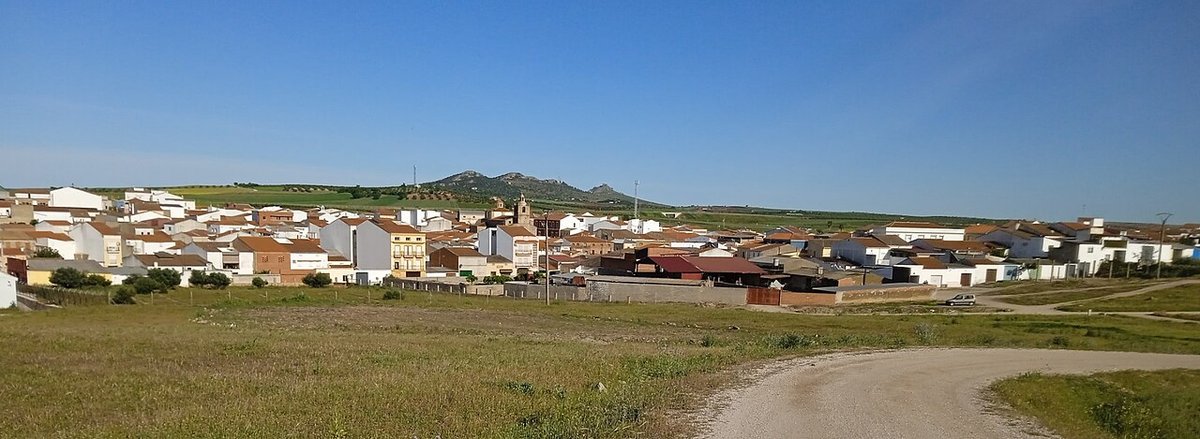
The thermometer on the filling-station forecourt reads 32 °C at 10 a.m., yet the air feels lighter than it has any right to in inland Spain. Guareña sits 285 m above sea level, high enough for the Guadiana plains to exhale a breeze that keeps the wheat chaff dancing and stops the afternoon from turning savage. Most motorists thunder past on the A-66, bound for Mérida or Salamanca, unaware that the slip-road signed “Vegas Altas” leads to a grid of tree-lined avenues built expressly for people who still walk to buy bread.
There is no medieval labyrinth here. The town plan was drawn up in the 1950s, when irrigation canals arrived and families needed space for tractors as well as Sunday best. The result feels like a garden-city experiment that wandered south: low white houses set well back from the pavement, citrus trees pruned into perfect spheres, and roundabouts where storks nest on lamp-posts. It is orderly, but not sterile; someone has still scrawled “Viva la Feria” on the freshly painted bus shelter.
The Church that Grew with the Crops
Mid-morning is the moment to see Nuestra Señora de la Asunción in action. Farmers in mud-caked boots park pickups outside, dash in for a ten-minute mass, and emerge blinking into sunlight that bounces off the brick-coloured stone. The church was finished in 1575, enlarged whenever harvests were good, and its bell tower now serves as the local weather vane: if the swallow nests on the south face are empty, rain is due. Inside, the smell is of beeswax and tomatoes—parishioners leave boxes of surplus veg at the altar of San Isidro, patron of ploughmen. Visitors are welcome; flash photography is not, mainly because the elderly sacristan fears it will scare the swallows.
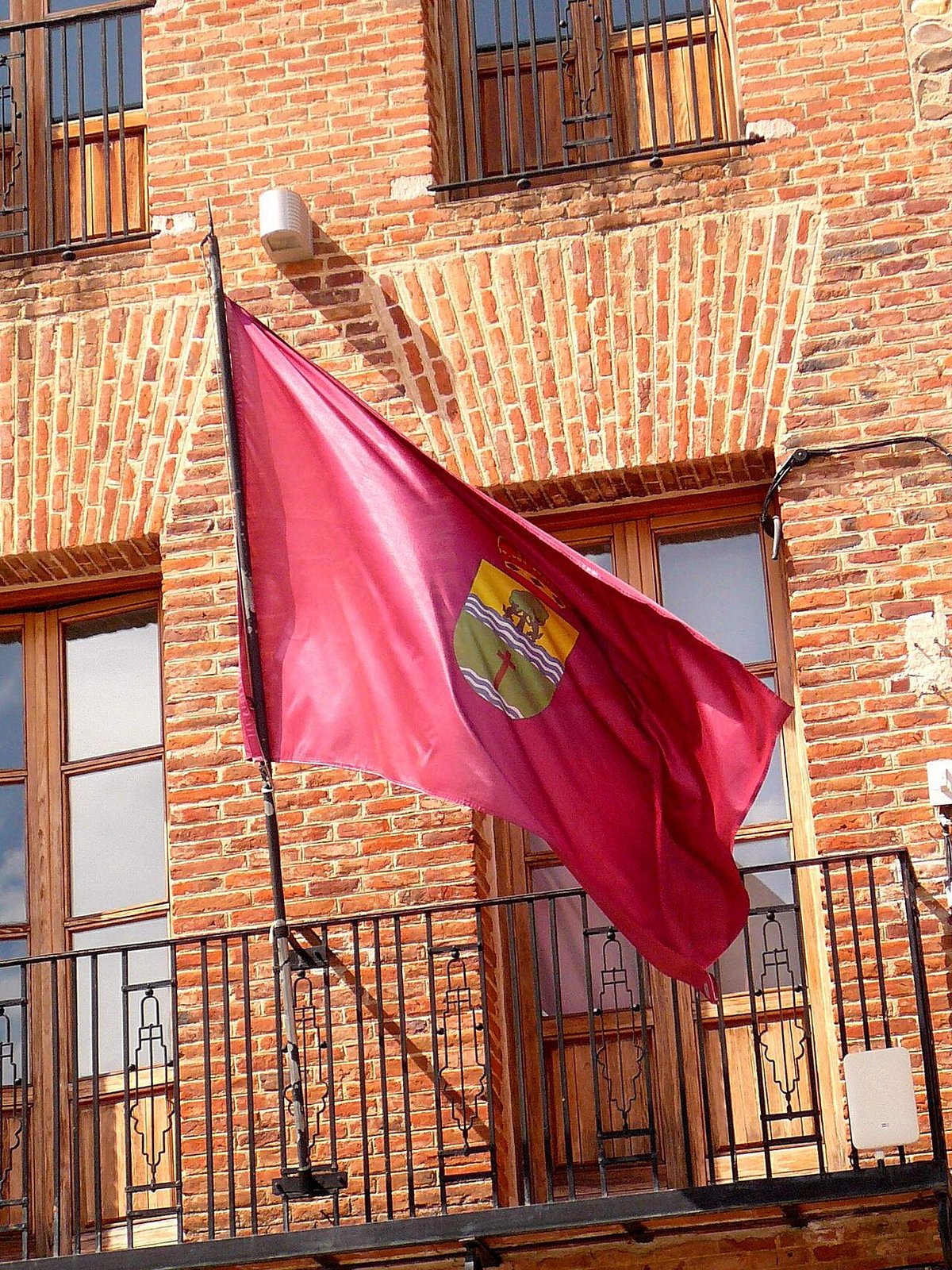
Round the corner, the Town Hall flies both the Spanish and the Extremaduran flag, the latter embroidered with the local motto “Tierra de pan” (land of bread). The phrase is not tourism-speak: Guareña’s cooperative mills still grind soft wheat that ends up in baguettes as far away as Lisbon. Ask politely at the loading bay and they’ll sell you a 5 kg sack for €4—bring cash, and your own bag.
Lunchtime Decisions
By 1.30 p.m. the pavements fill with the clack of heeled sandals heading towards Sacabocados Gastro-plaza, the one restaurant British number plates appear outside with any regularity. Owner Pepe Sánchez spent three winters washing dishes in Newcastle, so the menu is bilingual and card payments are grudgingly accepted. Order the pork-cheek brioche (£9) and you will understand why the place fills with Seville food-bloggers at weekends. Vegetarians get goat-cheese salad with caramelised figs; vegans get sympathy and a plate of grilled asparagus. Inside tip: book for Saturday dinner or resign yourself to a 45-minute queue that snakes past the town’s only cashpoint—another reason to bring euros.
If the budget is tighter, the Casino Restaurante (nothing to do with gambling, simply the old social club) does a three-course menú del día for £10.50 that starts with cocido soup and ends with rice pudding the consistency of a warm duvet. Table service is leisurely; use the wait to practise your Spanish with the neighbouring farmers who treat lunch as a three-act play.
Afternoon: Borrow a Bike, Chase a Stork
Guareña is pancake-flat, and the tourist office (open Tuesday and Thursday, 10–12, in the library basement) will lend you a town bike for nothing more than a passport photocopy. Pedal three kilometres east on the farm track signed “Vía Verde” and you reach the disused railway that once carried strawberries to Madrid. The tarmac is cracked, but kingfishers use the old signalling posts as diving boards. In April the verges are a paint-box of poppies and wild clary sage; by late June everything turns gold and the scent is of toasted cereal and fennel.
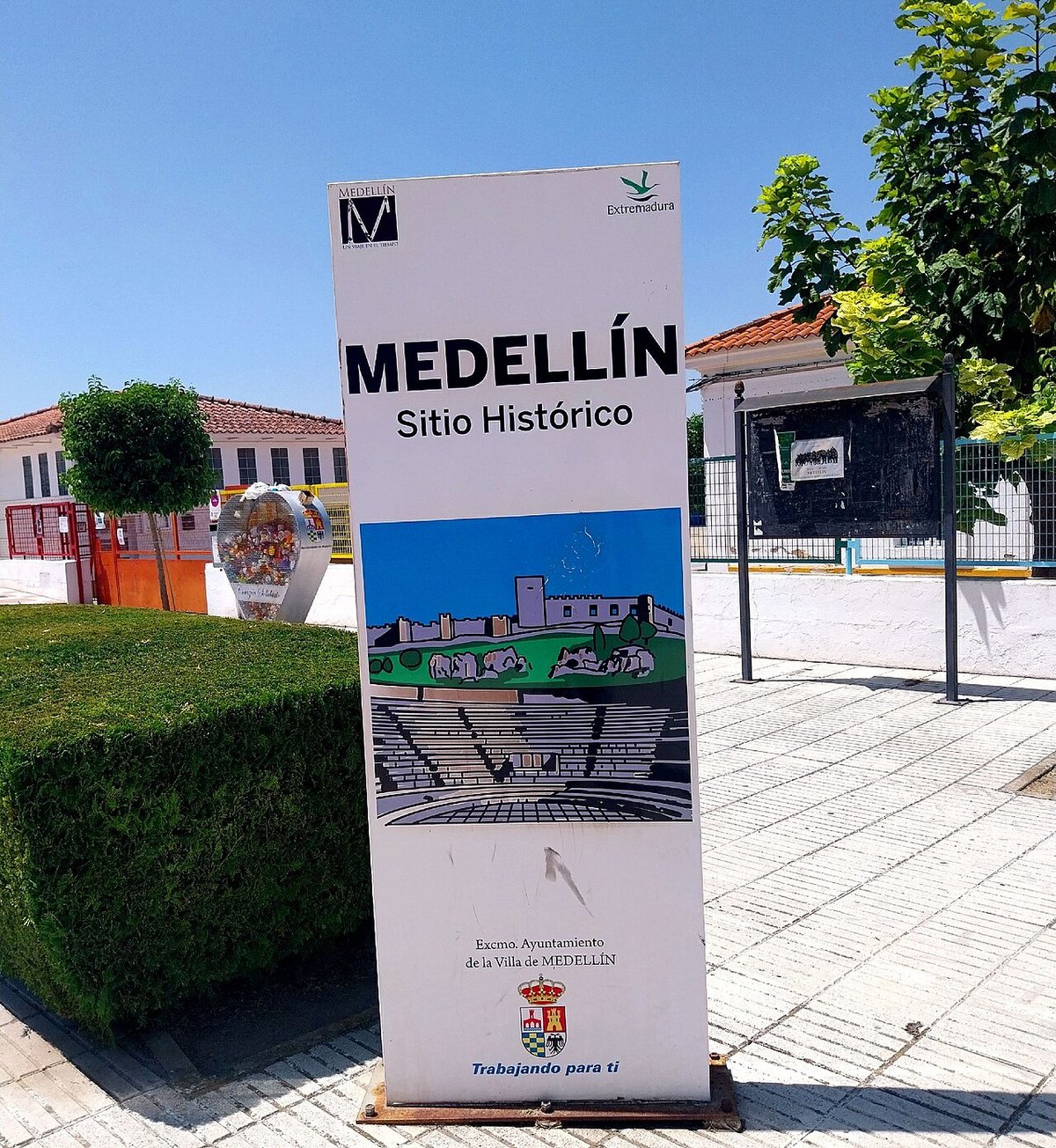
Cyclists with stronger thighs can push on to Medellín (14 km), birthplace of the conquistador Hernán Cortés. The castle there is open; Guareña’s fifteenth-century fort is not—it sits on private farmland and the owner keeps bulls in the moat. Photographs from the lane are possible, but only at dawn before the animals shuffle into the shade.
When the Thermometer Drops
Altitude cuts both ways. Summer nights cool to 18 °C, perfect for sleeping under a single cotton sheet, yet winter can surprise. January mornings hover at 2 °C and the mist rising off the irrigation channels turns car roofs white. The village does not do cosy pubs; instead locals congregate in brightly lit cafeterías for brandy-laced coffee. One such place, Bar California on Avenida de Extremadura, stocks imported PG Tips behind the counter for the half-dozen Brits who own holiday cottages in the surrounding olive farms. They will sell you a cup for €1.50, milk microwaved separately.
Rain is scarce but biblical when it arrives. A 20-minute July storm once dropped 42 mm, enough to flood the polideportivo and send tadpoles swimming across the basketball court. Drainage is swift; within two hours play resumes and the only reminder is the smell of wet clay that drifts through the streets like freshly baked sourdough.
Festivals without the Folderol
The calendar here is built around work, not tourism. San Isidro, 15 May, sees tractors polished until their green paint mirrors the sky, then blessed with a branch of rosemary dipped in holy water. Visitors are welcome to join the procession, but there is no printed programme—just follow the brass band and the scent of diesel.
Mid-August brings the fiestas patronales, when emigrants return from Madrid and Barcelona. What looks like a raucous street party is, in reality, a giant school reunion. If you are offered a plastic cup of calimocho (red wine and Coca-Cola) it is polite to accept; the hangover is complimentary. Bull-running here involves heifers with padded horns and is held in a makeshift arena of hay bales—no one is gored, though dignity may be bruised.
The Practical Bits, Plainly Stated
Getting here: Fly to Seville (1 h 45 min drive) or Madrid (3 h). There is no direct public transport from either airport; Mérida, 35 km away, has two buses a day (weekdays only) that timetabled optimists can connect with. A taxi from Mérida costs about €40—split between two travellers it is cheaper than the car-hire surcharge for dropping in a different city.
Where to sleep: The only hotel is Hotel Vegas Altas on the main drag (doubles €55, including breakfast that runs out of pastries by 9 a.m.). Three rural cottages on the outskirts take weekly bookings via Spain-Holiday; the British owners leave annotated Ordnance Survey-style maps showing the best almond-blossom walks.
Money: Banks close for siesta (2–5 p.m.) and all day Monday. The Santander ATM accepts UK cards but imposes a €2 fee; the neighbouring La Caixa machine sometimes refuses foreign chips for sport. Bring cash, especially on Sundays when even the filling-station kiosk is shuttered.
Language: School-age English is spoken in the restaurant, nowhere else. A phrasebook earns smiles; attempting the local “puebleño” accent earns invitations to second breakfasts.
Worth the Detour?
Guareña will never make the cover of a glossy travel magazine. It offers no castle to climb, no Michelin stars, no souvenir tea towels. What it does give the curious traveller is a slice of Spain that functions for itself: bread that was in the field yesterday, a church whose roof leaks in exactly the same place every February, and a bar where the price of coffee has risen by 10 cents in a decade. Come for a night and you may leave after breakfast; come for a week and you will find yourself recognised in the bakery, waved at by the postwoman, and invited to judge the tomato-growing contest in the school playground. That is Guareña’s quiet boast: it lets you in, provided you arrive without the word “picturesque” on your lips.