Madrigalejo - Flickr
Extremadura · Meadows & Conquerors

Madrigalejo

The clock on the tower of San Pedro strikes eleven and the only other sound is the click of dominoes on the bar tables under the arcades. Madrigale...

1,710 inhabitants · INE 2025
294m Altitude

Why Visit

House of Santa María (death of the King) Historic route of Ferdinand the Catholic

Best Time to Visit

spring

San Juan Festival (August) agosto

Things to See & Do
in Madrigalejo

Heritage

  • House of Santa María (death of the King)
  • Archaeological Museum

Activities

  • Historic route of Ferdinand the Catholic
  • Fishing

Festivals
& & Traditions

Fecha agosto

Fiestas de San Juan (agosto)

Las fiestas locales son el momento perfecto para vivir la autenticidad de Madrigalejo.

Full Article
about Madrigalejo

Where King Ferdinand the Catholic died; an irrigated farming town

Ocultar artículo Leer artículo completo

A Square, a Church, and 360° of Crops

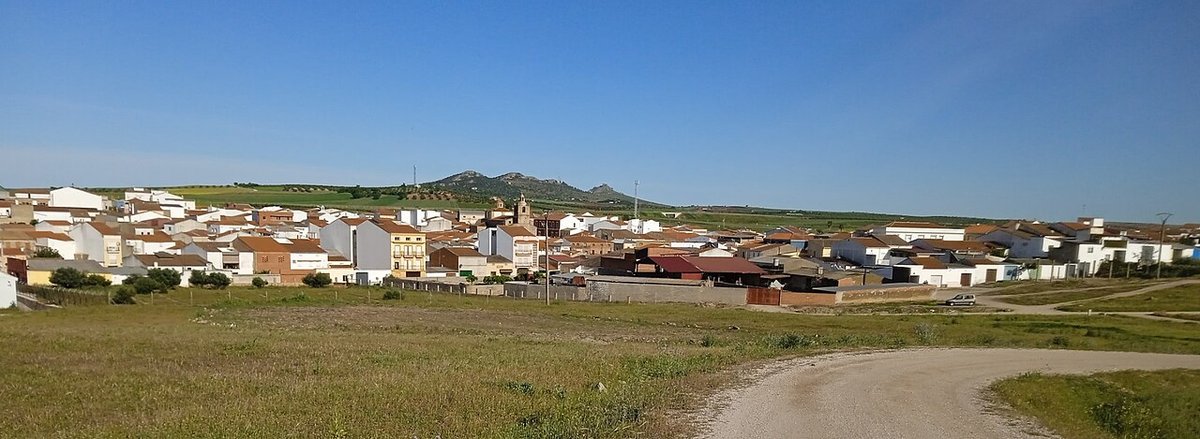
The clock on the tower of San Pedro strikes eleven and the only other sound is the click of dominoes on the bar tables under the arcades. Madrigalejo’s Plaza Mayor is less a grand square than a working porch: mothers push buggies straight through the middle of a game, the baker delivers bread by simply leaving it on the nearest chair, and if you want a coffee you walk into the kitchen at the back and ask. It’s a place that gets on with itself, 294 metres above sea-level, equidistant between Mérida and the Portuguese border, ring-fenced by irrigated wheat that flashes gold in May and turns black-green after the maize is planted.

British visitors usually arrive because they have spotted the name on the map while driving the EX-118 between Trujillo and Don Benito and decided that anything that sounds like a madrigal deserves twenty minutes. Twenty minutes becomes two hours once the car door slams and the heat, the smell of paprika drying in barns, and the slow-motion rhythms of an agricultural day take over.

What You Actually See

There is no postcard skyline. The church tower, rebuilt in the 1950s after lightning gutted the earlier one, is the tallest thing for kilometres and still only fourteen metres. Step inside and the interior is unexpectedly airy: pale stone, a single Baroque retablo, and a side chapel whose walls are lined with the painted names of local boys killed in 1936. It takes five minutes to see, but the list is longer than you expect for a parish of fewer than two thousand souls.

From the church door every street runs either to fields or to the main square. Houses are low, whitewashed, with the iron grilles that let the breeze slide through while keeping dogs in. Here and there someone has added a glassed-in balcony, useful in winter when the thermometer can dip below freezing but the sun still burns. Peek through an open portal and you’ll find the classic Extremaduran patio: a single orange tree, a tap that has been dripping since 1978, and a motorbike parked on the flagstones because garages are for grain.

Walk south for four minutes and asphalt gives way to camino de sirga, the old tow-path that once allowed oxen to drag barges along the Guadiana. The river itself is now a chain of reservoirs, but the path survives as a ruler-straight track between irrigated lucerne and melon plots. Stilts and avocets work the drainage ditches; if you stand still the clatter of irrigation pipes drowns out the traffic on the motorway five kilometres away.

Eating Without Showmanship

Lunch happens between 14:00 and 16:00; turn up at 12:45 and the cook is still shopping. In the family-run bar El Lerele the menu is written on a paper napkin and changes according to what the owner’s cousin has shot. That usually means caldereta de cordero, a gentle lamb stew the colour of burnt ochre, thickened with breadcrumbs and sweet paprika from La Vera. A half-ración is ample; locals order it with a glass of ice-cold beer because the village water is so hard it furres the kettle. Expect to pay €9–€11 for the dish, another €2 for the beer, and to be brought a second basket of bread without asking.

If you prefer vegetables, Tuesday is market day. Stallholders drive in from Don Benito and set up on the rough ground behind the health centre. Buy a wedge of queso de oveja curado – milder than anything from Asturias, nutty rather than socks-on-the-line – and some winter tomatoes that actually taste of tomato. Picnic tables sit under the eucalyptus by the polideportivo; the local council has installed a tap, so you can rinse knives without feeling furtive.

Birds, Not Battlements

Madrigalejo’s one piece of national history is a weather-beaten plinth recording that Ferdinand of Aragon died here in 1516 while on his way to Guadalupe. The monument is a five-minute detour from the centre, tucked beside the municipal swimming pool. The pool is open July to mid-September; entry is €2 and you share the water with teenagers practising dives and farmers’ wives doing widths in floral swimsuits. The adjacent wetland, created by run-off from the pool’s filter, attracts as many birds as some nature reserves. Bring binoculars and you can tick off black-winged stilts in April, hoopoes in May, and the occasional glossy ibis when the rice paddies further south are drained. There is no hide; the viewing point is the crumbling concrete river wall, so a peaked cap is useful both for sun and for cutting glare across the water.

Staying, or Just Pausing

Most drivers fill the tank at the Repsol on the bypass and push on, but if the light is soft and the tractor dust smells of freshly turned soil, you might fancy a night. Hostal Vía del Caminante has 22 rooms round an internal courtyard, all with doors that open straight on to the corridor like an Edwardian motorway lodge. The owner speaks fluent English acquired while picking strawberries in Kent and will lend you a pre-loaded walking GPX if you ask. Doubles are €50–€60 including garage parking; breakfast is toast, olive oil, and a slab of tortilla the size of a steering wheel. The only alternative is a pair of rural cottages 3 km out of town; you collect the key in the bakery and are left entirely alone, which is heaven or purgatory depending on your mood.

When to Drop By, When to Drive On

April and late-September give you 24 °C afternoons, larks over the wheat, and petrol-station cafés that still serve proper coffee in glass cups. July is a furnace – 36 °C by 11 a.m. – but the evenings are luminous and the village fiestas (last weekend in June, spill-over into early July) provide the rare sight of a brass band processing past silos. August feels abandoned: half the houses shuttered, the bakery open only in the morning, the pool murmuring with cicadas and bored teenagers. Winter is crisp, good for long sleeve-lunch stews, but nights drop to –3 °C and the guesthouse heating is strictly Spanish (on at 22:00, off at dawn).

The Honest Verdict

Madrigalejo will never make anyone’s “Top Ten Villages” list because it was built for work, not for admiration. What it offers instead is a calibration point for the traveller who has begun to suspect that every Spanish town has been tidied into a theme park. Sit on a bench long enough and someone will ask where you’re heading; explain that you’re driving to Cáceres and you will be told the back road that knocks twenty minutes off the GPS time. Accept the recommendation, buy a bag of locally grown almonds for the journey, and you will carry away a sense of the meseta that no cathedral city can provide. Just don’t arrive expecting cobbled romance: the romance here is the smell of irrigation water at dusk, the slap of cards on a Formica table, and the realisation that Spain still contains places where the twenty-first century is optional.

Key Facts

Region
Extremadura
District
Vegas Altas
INE Code
10112
Coast
No
Mountain
No
Season
spring

Livability & Services

Key data for living or remote work

2024
ConnectivityFiber + 5G
HealthcareHealth center
EducationElementary school
Housing~5€/m² rent · Affordable
CoastBeach 17 km away
Sources: INE, CNMC, Ministry of Health, AEMET

Planning Your Visit?

Discover more villages in the Vegas Altas.

View full region →

More villages in Vegas Altas

Traveler Reviews