Full Article
about Manchita
Small farming and hunting village, known for its game reserves and dehesa landscape.
Hide article Read full article
A place where not much happens, and that’s the point
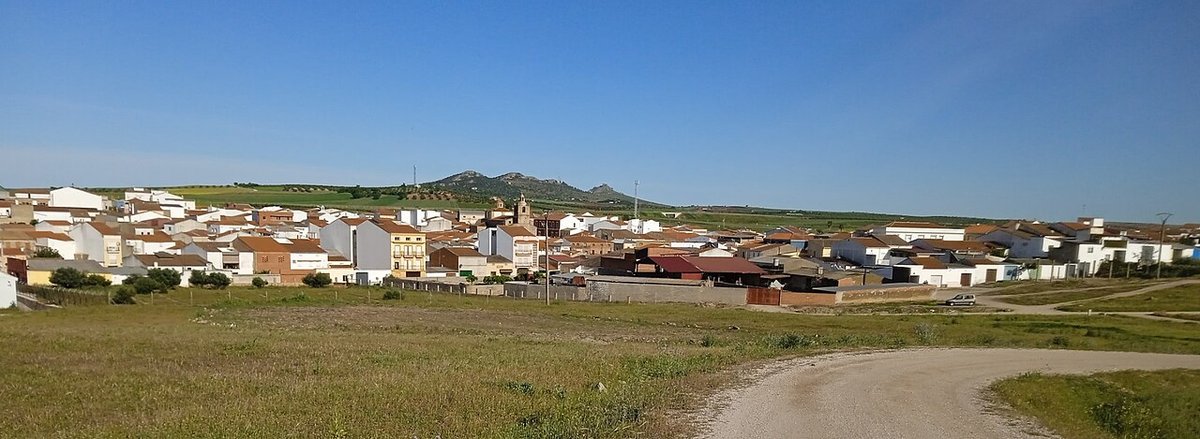
Manchita is one of those places that, on arrival, might make you think: “there’s not a lot going on here”. That is exactly where its appeal lies. It feels a bit like stepping into a grandmother’s kitchen, where everything seems simple until you realise every detail has its place. This small village in the Vegas Altas del Guadiana, a fertile area along the Guadiana River in Extremadura, has around seven hundred residents and moves in step with the fields that surround it.
The first impression is straightforward: agriculture everywhere. No staging, no attempt to dress it up. Streets such as Calle Mayor and the Travesía de la Cisterna, along with a handful of others that cross without much fuss, can be walked in no time. It is like wandering around a neighbourhood you once knew well, within minutes you are oriented and already recognising corners.
The name Manchita is often linked to the patches of land visible in the surrounding fields, areas where sandy soils mix with low rises. When the rice paddies are flooded, the landscape turns into a vast mirror laid across the ground. Later, when the water recedes and the rice ripens, everything shifts to gold, as if a giant brush had swept across the fields.
Irrigation channels and ditches still define the territory. They run quietly through it all, but without them nothing here would function.
Built for heat, cold, and everyday life
At the centre of the village stands the church of Nuestra Señora de la Asunción. It is not an ancient stone structure or anything imposing of that kind. Instead, it is practical, built with the idea that the village would continue to grow. Its bell tower can be seen from several streets and works as a reference point, much like a tall building helps you find your bearings in a city.
The houses follow a similar logic. One or two storeys, whitewashed walls, interior courtyards. Many of those patios hold pots of rosemary, thyme or mint. These are not there for decoration, they are used in cooking, which is common in villages across this part of Spain.
Thick walls do their job well. Summers bring intense heat, while winter mornings can be cold. These houses are built like a good thermos, holding their temperature better than their appearance might suggest. Some still have wells in the courtyard, occasionally used for watering plants.
Yet what shapes Manchita most is not within the village itself, but just beyond it. The rice fields change constantly through the year. At times they resemble calm lagoons, at others they become a broad patchwork of greens and yellows.
Walking out into the rice fields
Step onto the dirt tracks that circle Manchita and the first thing to notice is the quiet. Not complete silence, there is always a bird calling, water moving through a channel, or the distant sound of a tractor.
Walking here feels a bit like moving through an agricultural estate, but without warehouses or tarmac. Just wide earth tracks and plots of land shifting colour with the seasons.
With a simple pair of binoculars, it is possible to spot water birds in the rice fields and flooded areas. Herons are a common sight. Sometimes they stand so still they look like stakes driven into the water.
There are no viewing platforms or information boards. It is more direct than that. You walk, you stop, you look.
Local cooking revolves largely around rice, which makes sense given how long it has been grown here. It appears in many forms, rice dishes with meat, stews cooked slowly in pots, or family recipes that vary slightly from house to house. During village celebrations, these dishes tend to take centre stage.
Outside those festive moments, everyday food reflects the rhythm of agricultural life: tomatoes from the garden, peppers, fresh onions. Simple produce, but recently picked.
Celebrations shaped by the land
Festivities in Manchita follow the agricultural calendar quite closely. The main patron saint celebrations usually take place in summer, when the village is livelier and many residents who live elsewhere return. There are processions, music, and gatherings around the square or the park.
When the rice harvest arrives, activities linked to the crop begin to appear. Tastings, recipe contests, or informal get-togethers where people compare their own way of cooking rice. It has a familiar feel, like the friendly debates in families over the best way to make a tortilla de patatas.
In the colder months, rural traditions that have disappeared in many places are still remembered here. The traditional matanzas, the communal preparation of pork products, remain part of local memory, and in some homes cured meats are still made in an artisanal way.
Manchita is not a village of major landmarks or streets that demand a photograph at every turn. It is closer to a quiet conversation that seems ordinary at first, until you realise you have spent an hour listening to stories about the land, the water, and the way seasons change in the Vegas Altas. That, today, is not so common.