Full Article
about Medellín
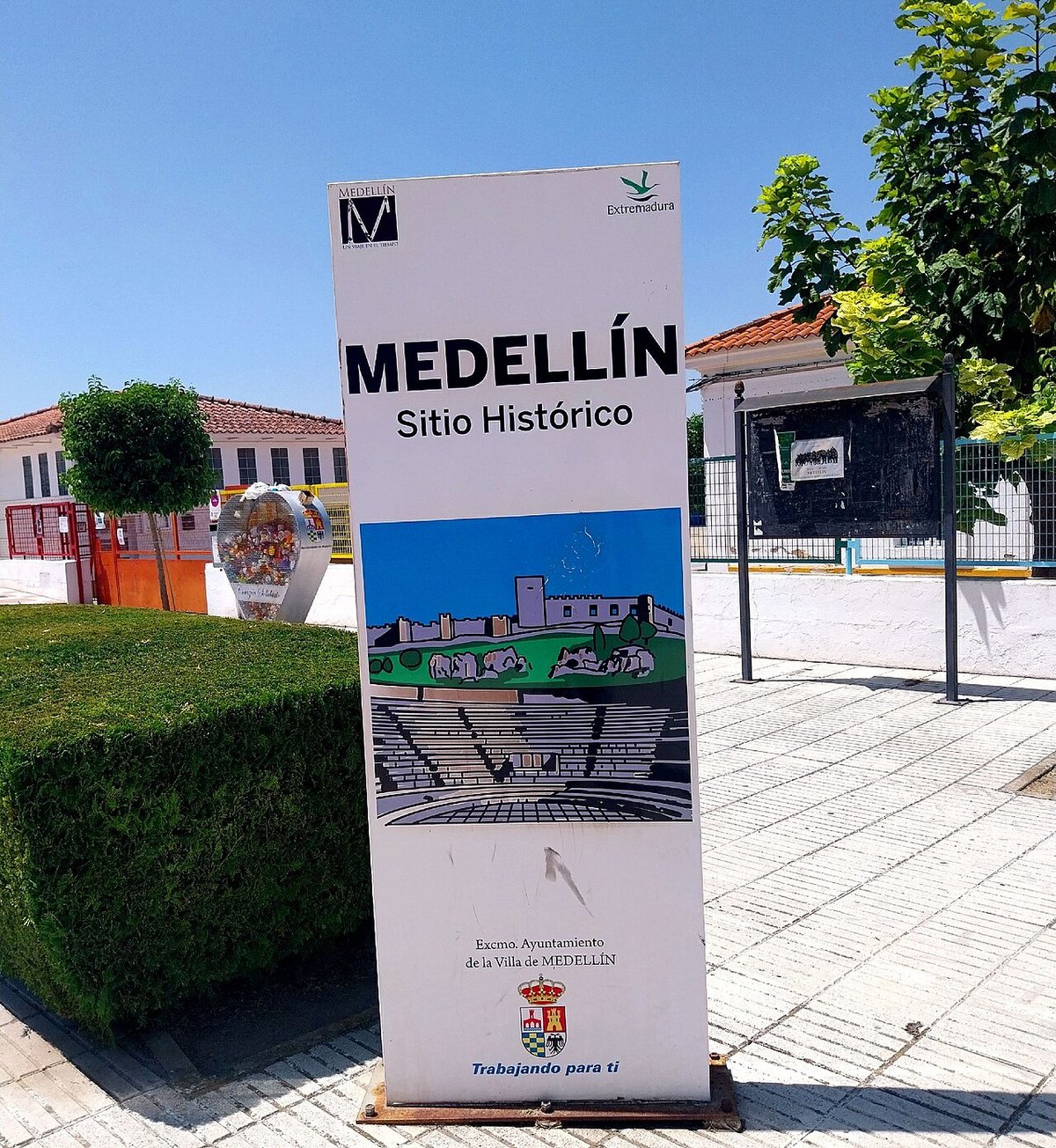
Birthplace of Hernán Cortés and an exceptional archaeological site; it has a Roman theatre.
Ocultar artículo Leer artículo completo
The Roman theatre appears half-way up the hill like an afterthought: stone benches sliced into yellow rock, only two tiers exposed, the rest still sleeping under soil and holm-oak roots. Sit on the top row and you look south over the Guadiana River, 200 metres wide, sliding across a pancake-flat plain that doesn’t change colour until Portugal. A shepherd on the far bank shows as a moving dot; an irrigation sprinkler ticks like a metronome. Traffic from the Madrid motorway is audible but invisible. You will probably have the seats to yourself.
Birthplace of a Conqueror, Home to 2,200 Souls
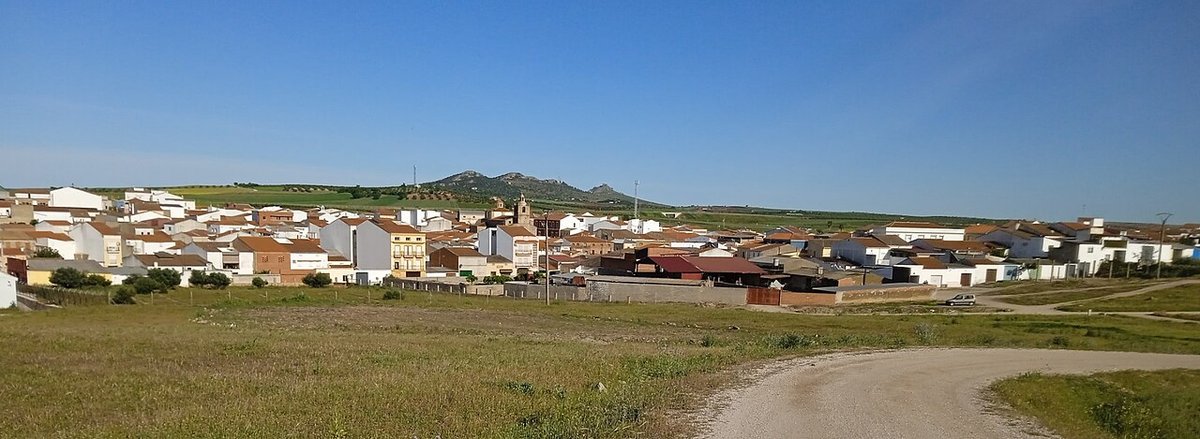
Hernán Cortés left this place in 1504 to seek his fortune in the Indies; the town he abandoned never quite got round to replacing him. Medellín’s population has hovered around the two-thousand mark for two centuries, enough to keep two butchers, three grocers and a pharmacy open, never enough to justify a chain café. The result is a village that feels accidentally preserved: no heritage chintz, just houses that happen to be old and people who happen to live in them. Walk the single traffic loop at 15:00 and the only sound is a dove cooing from the ruined castle wall and the click of your own soles on granite setts.
The castle climb starts opposite the theatre ticket hut—twelve minutes of calf-stretching cobble, no handrail, shade nil. At the summit a squat Moorish keep crowns a Celtic-Latin-Roman-Visigoth pile; each civilisation added one floor and left. The reward is a 360-degree view: wheat rectangles, olive grids, the silver thread of the river, and the N-430 tarmac ribbon that finally explains how you got here. Bring water; there is no kiosk and the breeze is deceptively drying.
A Slice of Roman Spain Older Than the Guidebooks
Archaeologists still argue whether the theatre seated 2,000 or 3,000; either way it predates Mérida’s famous one by half a century. Excavation stopped when funding did, so only the ima cavea (lower tier) is visible; the stage wall is a puzzle of collapsed drums and wild fennel. Performances restart each July—mostly classical tragedies performed in Spanish with surtitles projected on a sheet. Tickets cost €12 and rarely sell out; buy online or simply queue at the gate after 21:30 when the stone has cooled enough to sit on. Carry a cushion—two millennia of wear have not produced ergonomic seating.
Below the theatre the Casa Museo de Cortés does its best with a single conquistador sword and a 1492 copy of Gramática de Nebrija. The interpretive panels are only in Spanish, but the caretaker enjoys testing his school-boy English and will insist on explaining how Cuba got its name. Admission is free; sign the visitor book and you’ll notice the last foreign entry was probably yesterday, from a couple driving back to Santander.
What to Eat when the Sun Finally Drops
Extremadura cooking is built around what can survive the summer furnace: breadcrumbs, pork fat and strong garlic. In Medellín that translates into migas extremeñas—fried stale bread tossed with chorizo coins and a whisper of smoked paprika. Order it as a ración to share at Bar California on Plaza de España; they bring it sizzling in the same pan, a layer of oil still popping. Follow with presa ibérica, a shoulder cut that arrives rose-centred and tastes like steak that decided to become bacon. Vegetarians get a roasted piquillo pepper stuffed with goat’s cheese; it costs €8 and nobody pretends it’s traditional.
Weekend special is cordero a la estaca: whole lamb threaded on an oak spit and slow-roasted beside the coals for four hours. Restaurante Quinto Cecilio needs orders before 11 a.m.; the €22 price includes bottom-up wine drawn from an unmarked barrel. Ask for pitarra, the local unpasteurised red—light enough for lunchtime and mercifully free of the oak chips that ruin so much Spanish plonk further north.
Walking It Off: River, Plains, Stone
A signed 6-kilometre loop, the Ruta de las Vegas, leaves from the 17th-century stone bridge and follows an irrigation channel through tomato plantations and rows of maize taller than most Britons. The path is flat, shade intermittent; set off at 18:00 when the thermometer finally dips below 30 °C. Keep binoculars handy—little bustards feed in the stubble fields and bee-eaters nest in the castle cliff. After rain the clay sticks like Cotswold bridleway mud; trainers suffice in dry months, boots wise in winter.
If you need more elevation, drive 15 minutes to Magacela. Another empty castle, another empty car park, plus Bronze-Ag rock carvings that nobody has bothered to fence off. The GR-134 long-distance path links the two villages; the 12-kilometre ridge walk gives grandstand views of the Guadiana meander without a single electricity pylon.
Getting Here, Staying Sane
Medellín has no railway. ALSA runs one daily bus from Mérida (45 min) and two from Badajoz (1 hr 10 min); Sunday frequency halves and strikes appear with little warning. Driving is simpler: leave the A-5 at kilometre 258, follow the N-430 for 19 kilometres, then peel off at the bull-ring signposted “Teatro Romano”. Park on the ring-road before the bridge; the old quarter is a one-way lattice built when carts were narrower than a Fiesta. Ignore Google’s invitation to “drive to castle” unless you fancy reversing 200 metres past a stone gutter.
Accommodation is thin. Hotel Mérito has ten refurbished rooms facing the river (doubles €70, breakfast €7). Cheaper is Casa Rural La Villoría, a townhouse apartment with beams, wi-fi that flickers and a roof terrace that stares straight at the fortress. Neither has a restaurant, but both will direct you to somebody’s cousin who serves dinner if you ask before 18:00.
When to Come, When to Stay Away
April–mid-June and mid-September–October give 24 °C afternoons, green wheat and bird migration overhead. July and August are furnace-hot; walking is bearable only at dawn and after 20:00, but that coincides with theatre performances and the local fiesta (15 August) when the plaza fills with foam machines and oro y plata costumes. Winter is crisp, often 12 °C at midday; the castle keep becomes a wind tunnel and the Roman stones stay cold enough to numb denim. Hotels drop prices by 30 % and you may share the village only with retired schoolteachers walking their setters.
Come for half a day en route between Seville and Salamanca, or stay overnight and bank the silence. Medellín will not change your life, but it will remind you what Spain felt like before the world arrived—and why a man born here thought the rest of the planet might be worth a look.