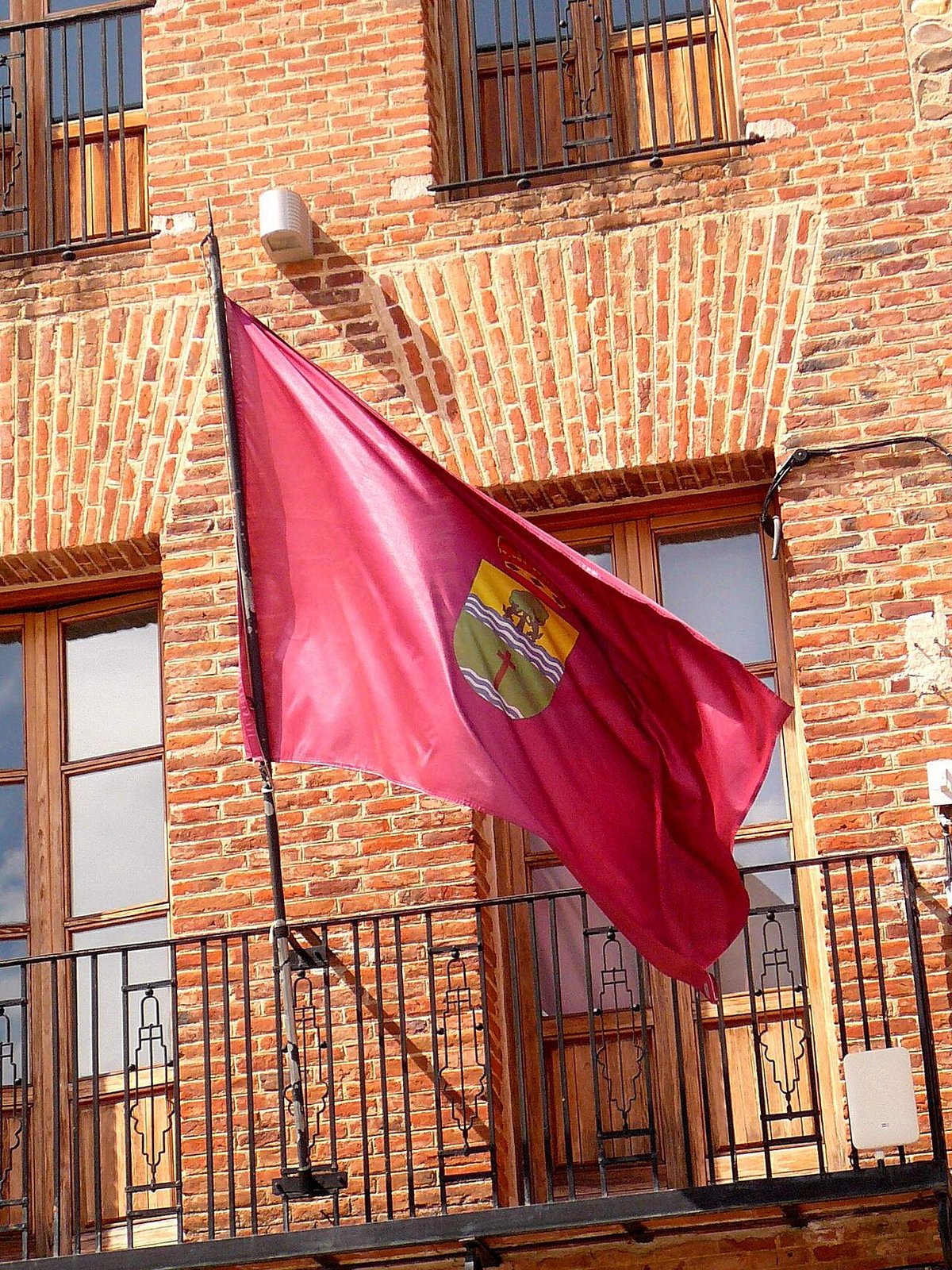
Rena broer - no-nb digifoto 20150810 00085 bldsa PK30005 (cropped).jpg
Unknown authorUnknown author · Public domain
Extremadura · Meadows & Conquerors

Rena

The church bell strikes noon, but nobody checks their watch. In Rena, the real clock is the rumble of a John Deere heading back to the cooperative ...

605 inhabitants · INE 2025
254m Altitude

Why Visit

Church of Nuestra Señora de los Ángeles Fishing

Best Time to Visit

summer

Feast of the Virgen de los Ángeles (August) agosto

Things to See & Do
in Rena

Heritage

  • Church of Nuestra Señora de los Ángeles
  • Guadiana riverbank

Activities

  • Fishing
  • River hiking
  • Quiet life

Festivals
& & Traditions

Fecha agosto

Fiestas de la Virgen de los Ángeles (agosto)

Las fiestas locales son el momento perfecto para vivir la autenticidad de Rena.

Full Article
about Rena

Small municipality in Las Vegas Altas; noted for its church and proximity to the Guadiana River.

Ocultar artículo Leer artículo completo

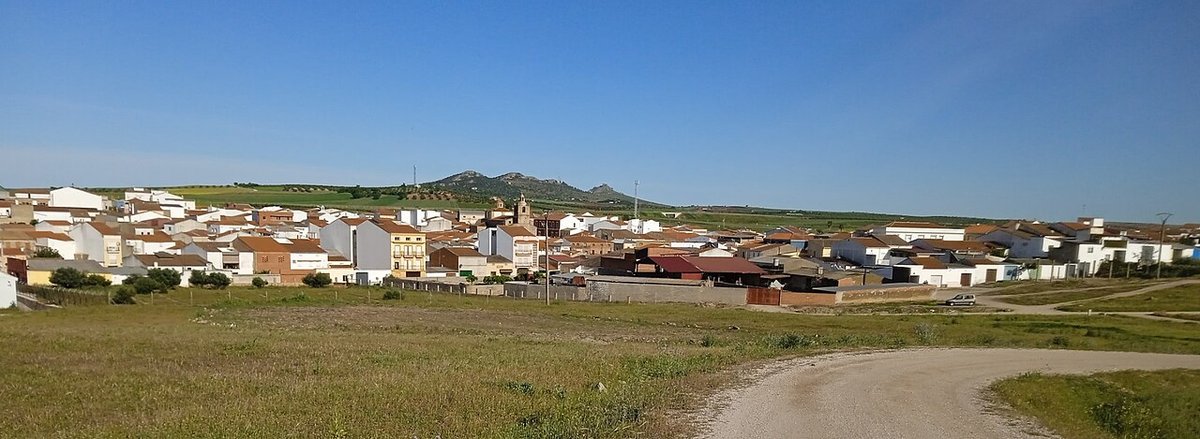
The church bell strikes noon, but nobody checks their watch. In Rena, the real clock is the rumble of a John Deere heading back to the cooperative yard, dust rising behind it like brown smoke. At 254 metres above sea level on the baking plains of Vegas Altas del Guadiana, this single-street village keeps the same rhythm it has for decades: sow, flood, harvest, repeat. The crop is rice, the land is dead-flat, and the horizon feels far enough away to need a passport.

British cyclists know the name only because the Vía Verde greenway passes within 200 metres of the bar. They freewheel in, tyres crunching on limestone chippings, expecting a quick loo stop and a stale croissant. What they get is Bar La Estación, a former railway hut painted the colour of Spanish postboxes, where Cristóbal slaps together a lomo baguette that could shame most London delis for three euros. The tap water is non-potable, announced by a handwritten sign Sellotaped above the sink; ignore it and you will be reminded again, forcefully, by your stomach.

The mirror fields

Between late April and early October the paddies are flooded. Walk ten minutes south of the plaza, past the last house where an elderly man still whitewashes his façade every spring, and the world turns liquid. Sky and earth swap places; egrets skate across the reflection like ripped-up paper. The effect is cinematic enough to make you check for tripods over your shoulder, yet you will probably meet only the irrigation engineer checking sluice gates. No viewing platforms, no entrance fee, just the hiss of water and the occasional amphibian belch.

BirdForum regulars rate these artificial wetlands higher than Doñana in winter. Cranes arrive from Scandinavia in November, stand 1.2 metres tall in the stubble, and refuse to flinch until you are inside conversational distance. Bring binoculars, but leave the telescope in the car: there is nowhere to set it up except the verge, and agricultural traffic has right of way. The greenway itself is ruler-straight, shadeless, and six kilometres of pure exposure to sun that still feels like July even at nine-thirty on a September morning.

A town that forgot to grow

Rena peaked in 1960 at 1,200 souls. Today 605 people remain, and the census drops every time someone dies or leaves for university in Mérida and never comes back. Closure of the railway in 1984 cut the village in half; you can still read RENA on the crumbling platform, but trains now run forty kilometres away. What looks like architectural neglect is simply the opposite of a boom: houses are inherited, patched, lived in, not flipped for holiday rentals. You will not find key boxes, Instagram signage, or menus translated into five languages. Good luck getting a coffee after 21:30—Cristóbal locks up when the last cyclist finishes the last caña.

That stillness has its charms if you arrive with realistic expectations. The plaza contains four plane trees, eleven benches, and a stone cross so old the names of Civil War dead are almost unreadable. Grandparents occupy the northern benches, sun-drunk wasps the southern ones. Mid-morning, someone wheels a barrow of tomatoes across the square to the only shop, which doubles as the post office and opens when the owner finishes hosing down her yard. Inside, you can buy tinned tuna, washing powder, or a lottery ticket, but not all three at once because stock is rationed to whatever fits on two shelves.

Heat, bikes, and the importance of timing

The practical stuff matters here. There is no cash machine; the nearest one is twelve kilometres west in Villanueva de La Serena, a ride that feels twenty in July. Fill bottles before leaving town—the fountain on the greenway carries a polite notice “Agua no potable” and British stomachs should take that literally. Bike hire does not exist; Don Benito or Villanueva will deliver if you email the day before, but do not expect carbon frames: the standard rental is a 15-kilogram hybrid with enough clearance for the coarse gravel east of Rena. Skinny racing tyres pinch-flat within five minutes.

Start early. By 11:00 the thermometer is flirting with 34 °C and the only shade is your own shadow. Afternoon cycling is feasible from 17:30 onwards, but carry more water than you think civilised: the stretch to Torviscal is exposed, the mirage effect is real, and the bar there opens sporadically. In winter the same landscape is a different country—0 °C at dawn, mist rising off the paddies like steam from a kettle, cranes trumpeting overhead. You will cycle in a fleece rather than factor-fifty, but cafe hours shrink further; if Cristóbal’s mother is ill the bar simply does not open.

Eating, fiesta, and the art of not overstaying

Food is straightforward. Midweek lunch at La Estación might be cocido de garbanzos, chickpeas the size of marbles stewed with chorizo that has been hanging above the bar stereo since last Christmas. Ask for “queso de oveja curado” and you will receive a wedge milder than anything Manchego offers, wrapped in wax paper and still cool from the walk-in fridge. The house wine is drinkable if you specify “vino joven”; otherwise you get the barrel-end that could tan leather. Dinner options reduce to whatever the owner’s cousin has shot: pigeon stew in season, nothing at all if it has been a bad week for small game.

Festivities are calibrated to local scale. The patronal fiestas in mid-August involve a procession, a foam machine in the plaza, and a paella pan wide enough to bathe a toddler. Visitors are welcome but not catered to; if you want a hotel bed, book in Villanueva de La Serena because Rena has none. Semana Santa is even lower key—thirty people following a shoulder-borne Virgin past houses whose occupants cross themselves from the doorway, cigarette still in hand. Photographers asking for “a more colourful angle” will be met with polite shrugs.

Leaving without regret

Stay two hours or two nights, but recognise when the village has given what it is prepared to give. Dawn in February, when tractors have not yet fired up and cranes argue in metallic voices, is unforgettable. Mid-August noon, when the greenway blurs in the heat and even the egrets look fed up, is best spent elsewhere. Rena does not court you, and that is precisely the point. Ride back west, sandwich wrapper in pocket, tyres humming over gravel, and the horizon re-asserts itself—flat, bright, indifferent. Behind you the rice fields shimmer like broken mirrors, reflecting a sky the village never promised you could reach.

Key Facts

Region
Extremadura
District
Vegas Altas
INE Code
06111
Coast
No
Mountain
No
Season
summer

Livability & Services

Key data for living or remote work

2024
ConnectivityFiber + 5G
TransportTrain nearby
HealthcareHealth center
EducationElementary school
Housing~5€/m² rent · Affordable
CoastBeach nearby
Sources: INE, CNMC, Ministry of Health, AEMET

Planning Your Visit?

Discover more villages in the Vegas Altas.

View full region →

More villages in Vegas Altas

Traveler Reviews