Full Article
about Aldehuela de Jerte
Small village on the Alagón river flats with irrigated farming; quiet, family atmosphere.
Hide article Read full article
Aldehuela de Jerte es el pueblo que te baja el volumen
Llegas a Aldehuela de Jerte, apagas el motor y lo primero que te llama la atención es el silencio. No es un silencio vacío, sino ese ruido de fondo de pueblo pequeño: una puerta que se cierra a lo lejos, el runrún de un tractor parado. Aquí no pasa nada, en el mejor sentido de la frase. Esa es la clave del sitio.
Con poco más de trescientos vecinos, este pueblo del norte de Cáceres vive a un ritmo que ya casi ni recordamos. La vida gira en torno a las huertas y las fincas cercanas. No hay monumentos señeros ni una oficina de turismo. Lo interesante está en lo cotidiano: ver cómo se riega una parcela al atardecer o cómo los bancos de la plaza se llenan cuando refresca.
Un paseo por calles que no quieren impresionar
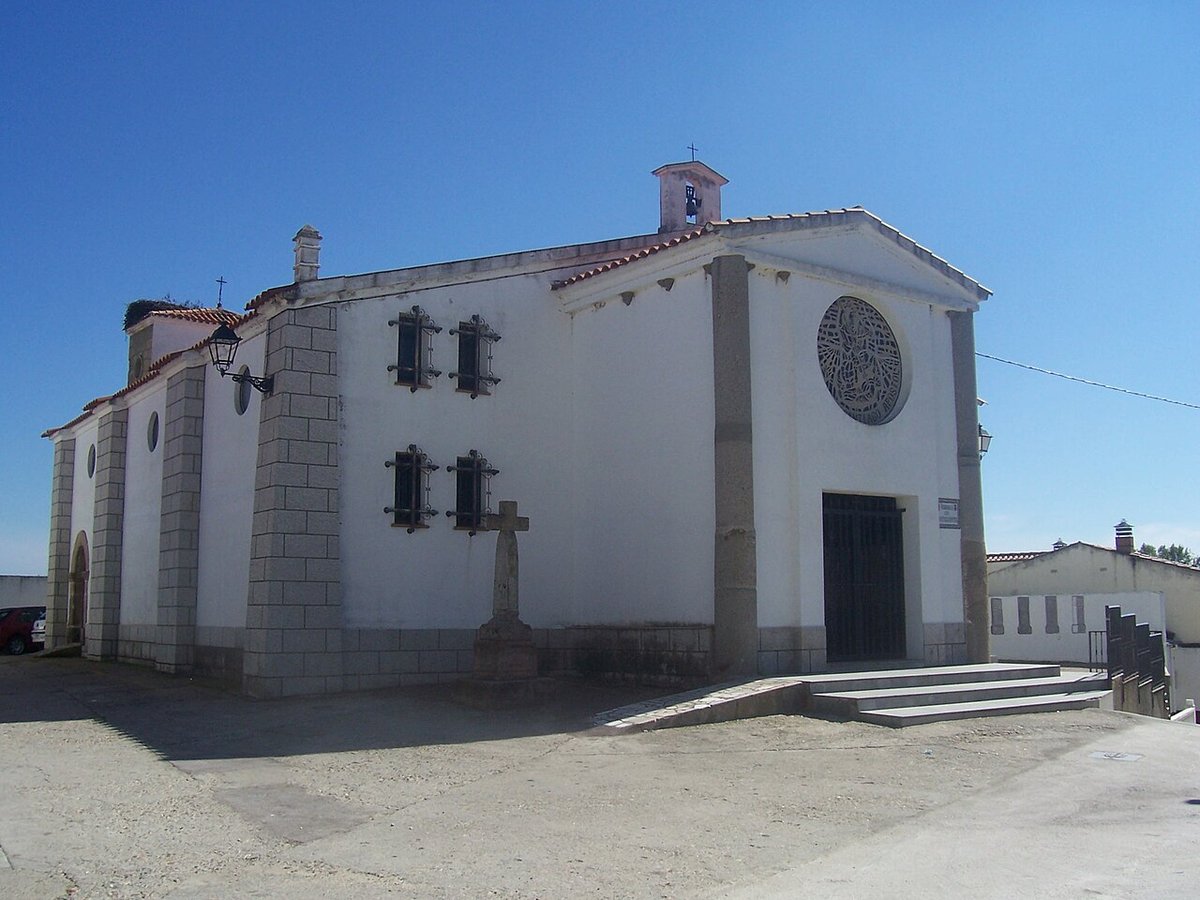
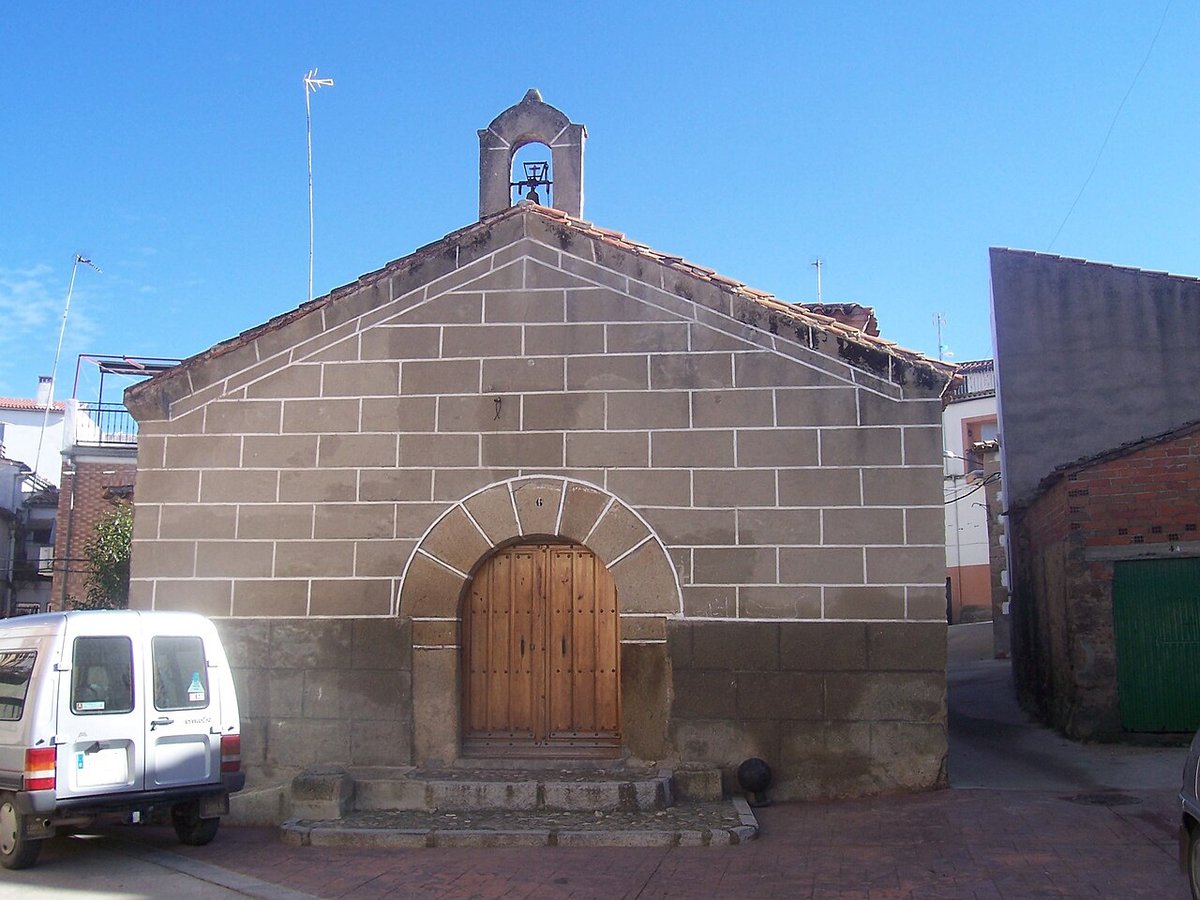
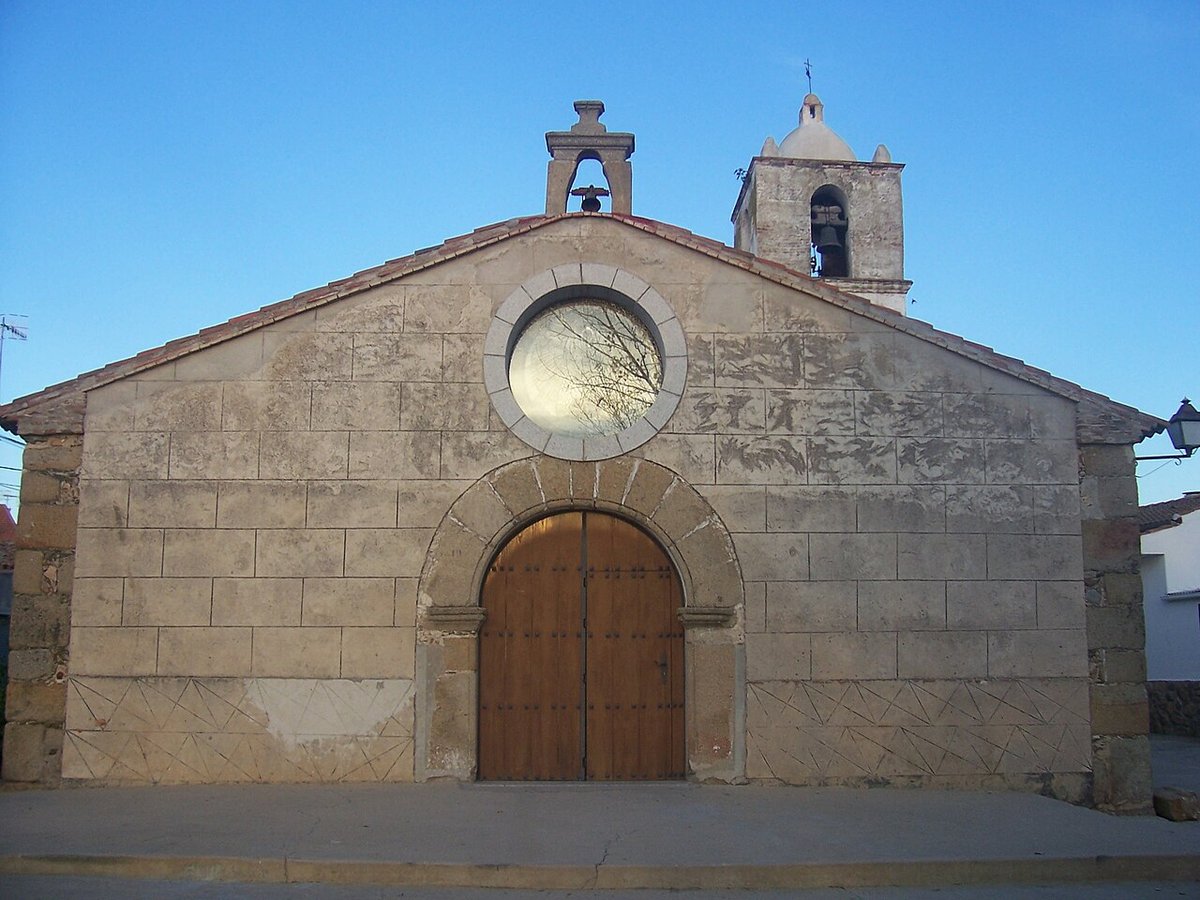
El núcleo es pequeño, te lo recorres en quince minutos. Las calles son rectas y las casas siguen la fórmula extremeña de siempre: fachadas encaladas, puertas macizas de madera y rejas en las ventanas.
Esta arquitectura no busca ser bonita; busca ser útil. Los muros gruesos aguantan el calor del verano y el frío del invierno. Si pasas cerca de algún patio abierto, a veces se cuela el cacareo de unas gallinas o se ven macetas alineadas contra la pared. Son detalles domésticos, sin pretensiones.
Fíjate en las puertas abiertas, en las sillas de plástico fuera de casa, en los corrales pegados a la vivienda. Aquí el espacio para vivir y el espacio para trabajar todavía no están del todo separados.
El paisaje que empieza donde acaba el asfalto
Sales del pueblo y en dos minutos estás rodeado de campo abierto. No hay montañas cerradas ni bosques espesos. La vista es ancha, dominada por tierras de labor y alguna encina suelta.
Es ese tipo de paisaje extremeño que parece plano hasta que caminas por él y notas sus pequeñas cuestas. En primavera está verde; para julio ya tiene ese color pajizo y polvoriento tan característico. El cielo aquí parece más grande, no sé si por contraste con la tierra o porque simplemente tienes tiempo para mirarlo.
La dehesa marca el territorio. Es un paisaje trabajado durante siglos, donde el ganado pasta bajo las encinas. No es espectacular, pero tiene una consistencia tranquila.
Senderos sin marcar (ni pretensiones)
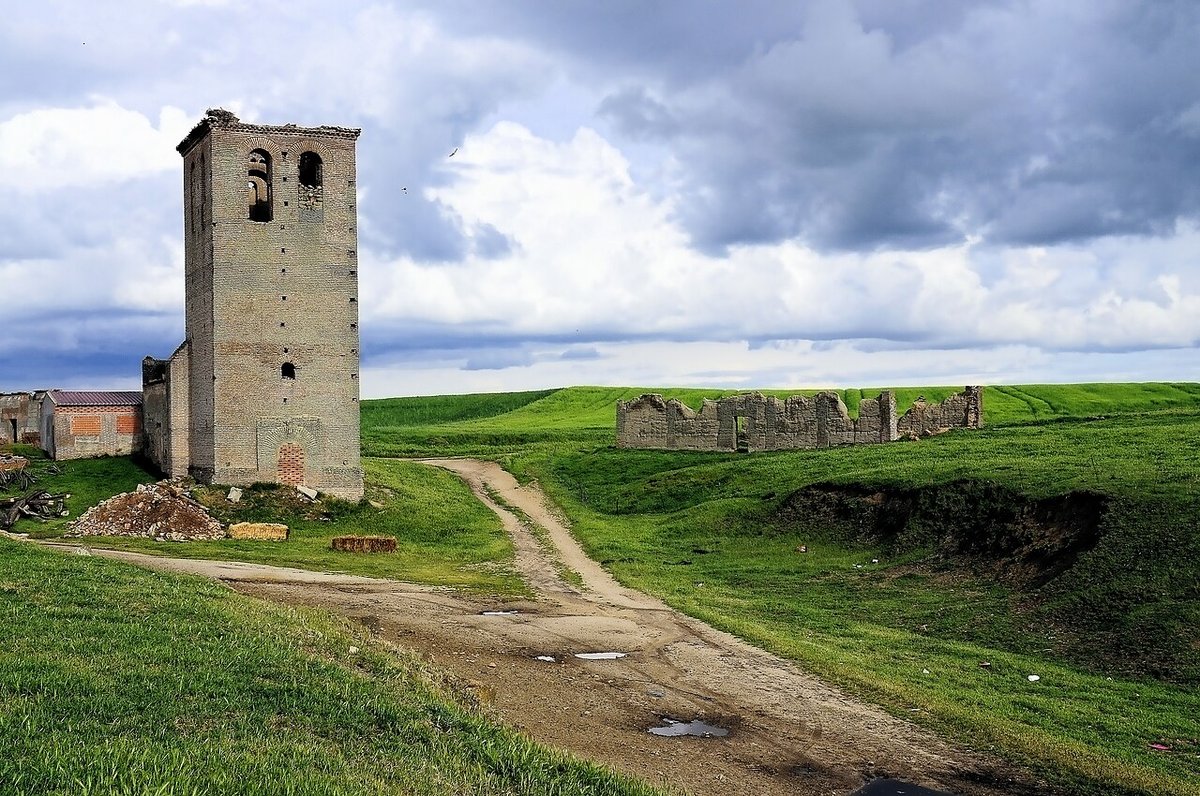
Varias pistas de tierra salen del pueblo hacia las fincas. Los vecinos las usan para llegar a sus tierras con el coche o el tractor. Tú puedes usarlas para caminar o ir en bici.
No esperes señalización ni paneles informativos. Son caminos funcionales, con rodadas marcadas en el barro y alguna pared de piedra seca marcando lindes. Si buscas un paseo sin rumbo fijo, son perfectos.
Eso sí: casi todo el terreno alrededor es privado. Hay que cerrar las portillas tras uno y no pisar los cultivos. Es sentido común rural.
Fiestas para los que son de aquí
La celebración principal es San Bartolomé, a finales de agosto. Es cuando vuelven muchos hijos del pueblo que ahora viven fuera. Se nota: hay más coches aparcados y más bullicio por las noches.
Hay misa, verbena y comidas comunitarias. No es un festival pensado para atraer turistas; es el reencuentro anual de la gente del lugar. Se nota en los carteles hechos a mano y en las conversaciones que parecen continuar desde el verano pasado.
En Semana Santa salen procesiones por las calles del centro. Son modestas, con vecinos cargando los pasos. Si coincides, lo respetas y observas desde una esquina.
Cuándo ir (y sobre todo, por qué)
Las mejores épocas son primavera y otoño. Hace buen tiempo para caminar por los alrededores sin achicharrarse o pasar frío.
Pero vamos a ser claros: Aldehuela no es un destino turístico al uso. No vengas buscando museos o tiendas de souvenirs. Vienes si quieres ver cómo funciona un pueblo donde la vida sigue ligada al campo. Si te apetece dar un paseo sin mapa, charlar un rato en la plaza si surge la ocasión y sentir cómo se ralentiza el ritmo durante unas horas. Es ese tipo de sitio que no te cambia la vida, pero sí te baja unos grados la ansiedad del día a día. Sabes cuando has estado demasiado tiempo en ciudad porque este lugar empieza a tener sentido