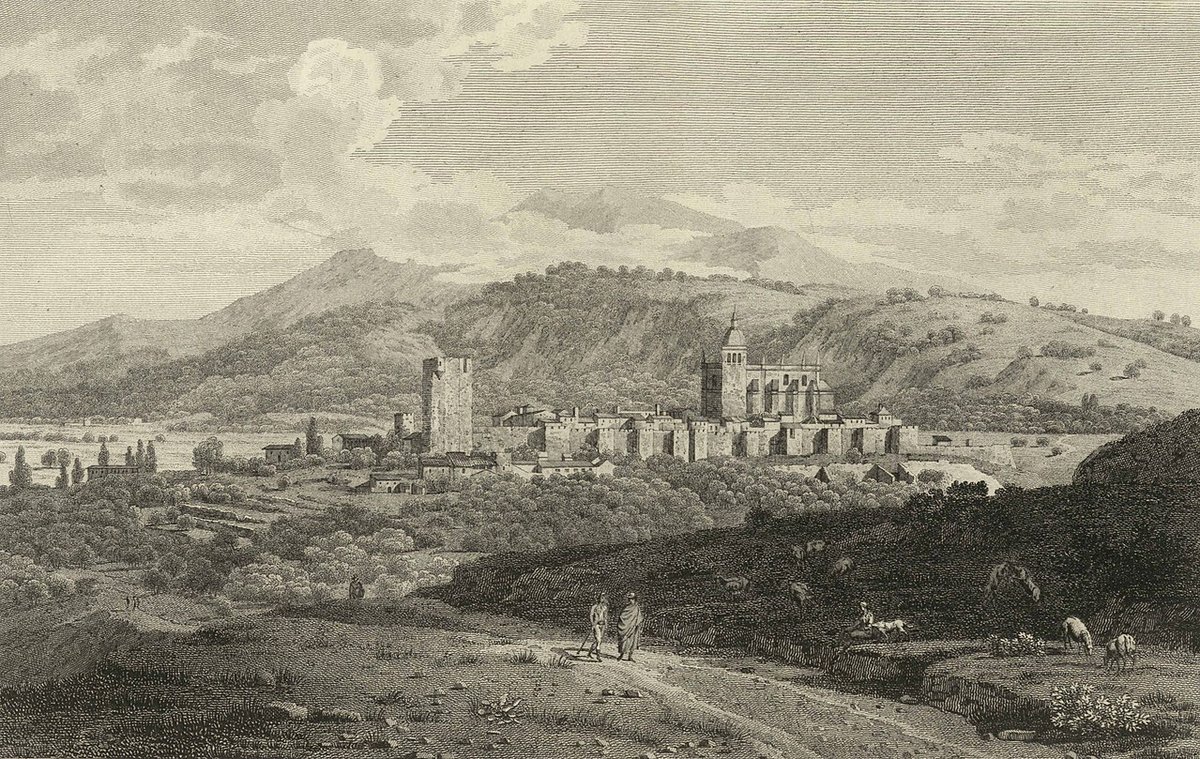
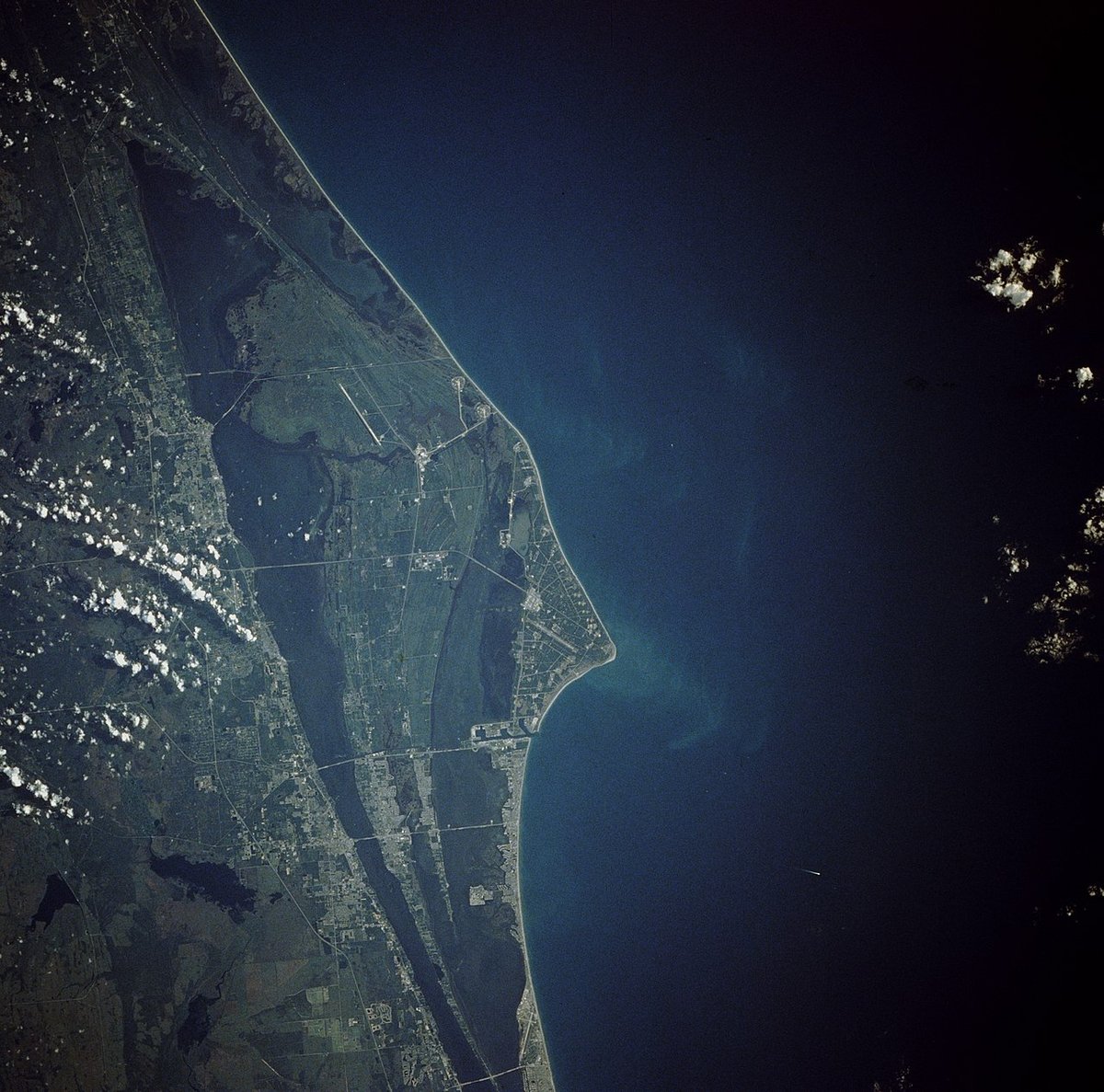
Vista aérea de Cachorrilla
Instituto Geográfico Nacional · CC-BY 4.0 scne.es
Extremadura · Meadows & Conquerors

Cachorrilla

The church bell strikes noon, but nobody checks their watch. In Cachorrilla's main square, two elderly men pause their card game to watch a tractor...

83 inhabitants · INE 2025
265m Altitude

Why Visit

Church of San Sebastián Fishing

Best Time to Visit

winter

San Sebastián Festival (January) enero

Things to See & Do
in Cachorrilla

Heritage

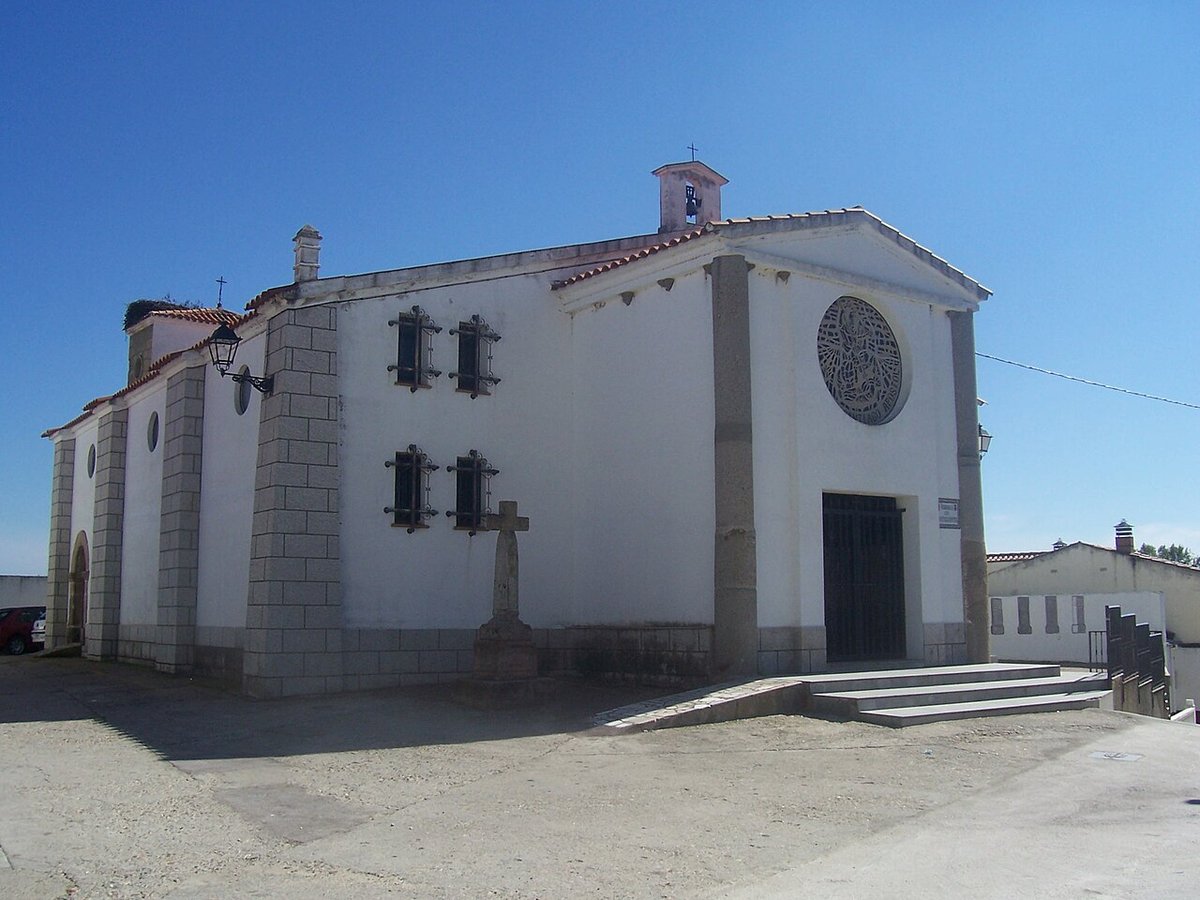
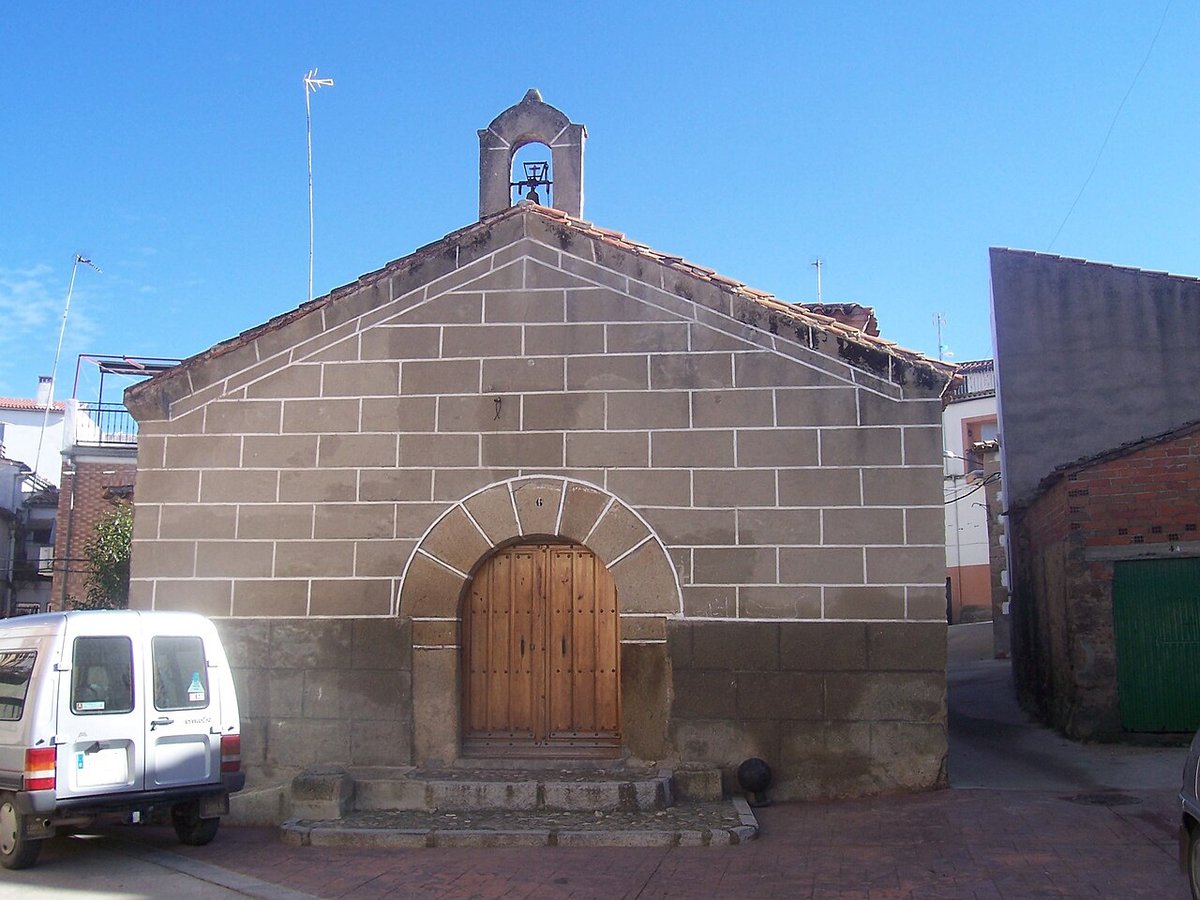
  • Church of San Sebastián
  • Tajo surroundings

Activities

  • Fishing
  • Easy hiking

Festivals
& & Traditions

Fecha enero

Fiestas de San Sebastián (enero)

Las fiestas locales son el momento perfecto para vivir la autenticidad de Cachorrilla.

Full Article
about Cachorrilla

One of the smallest towns in the province; a quiet spot on the banks of the Tajo.

Ocultar artículo Leer artículo completo

The church bell strikes noon, but nobody checks their watch. In Cachorrilla's main square, two elderly men pause their card game to watch a tractor crawl past, its trailer loaded with wheat that dusts the tarmac gold. This is Extremadura's Vegas del Alagón region at its most honest—not a tourist showpiece, but a working village where ninety souls still measure days by planting seasons rather than opening hours.

The Village That Forgot to Shrink

Cachorrilla shouldn't still exist. Like hundreds of Spanish agricultural settlements, it watched younger generations drift to Madrid and Barcelona through the 1980s, leaving stone houses to crumble. Yet someone forgot to switch off the lights. The bakery still opens at dawn. Freshly painted shutters clash cheerfully with weathered granite. A woman waters geraniums dangling from a first-floor balcony, nodding to passing drivers who raise fingers from steering wheels in recognition.

The place functions at half-scale. Streets are barely two cars wide, forcing visitors to edge vehicles against walls while locals squeeze past without breaking conversation. Houses stand one or two storeys tall, their terracotta roofs patched with mismatching tiles collected over decades. Nothing's pristine, nothing's abandoned—everything simply carries on, sun-bleached and honest.

Architecture students would call it vernacular building. Here it's just practical: thick stone walls trap cool air against summer's forty-degree furnace, while tiny windows face north to avoid Extremadura's relentless sun. Lime wash reflects heat and discourages insects, though nobody explains this because nobody needed telling. They watched their grandparents do it, just as today's children watch parents repair roofs after winter storms.

Walking Without Purpose

There's no visitor centre, no gift shop, no bilingual signs pointing to "authentic experiences." Instead, Cachorrilla offers what mass tourism accidentally erased: permission to wander without agenda. Enter anywhere. The village measures barely five hundred metres end-to-end, impossible to get lost yet easy to lose time.

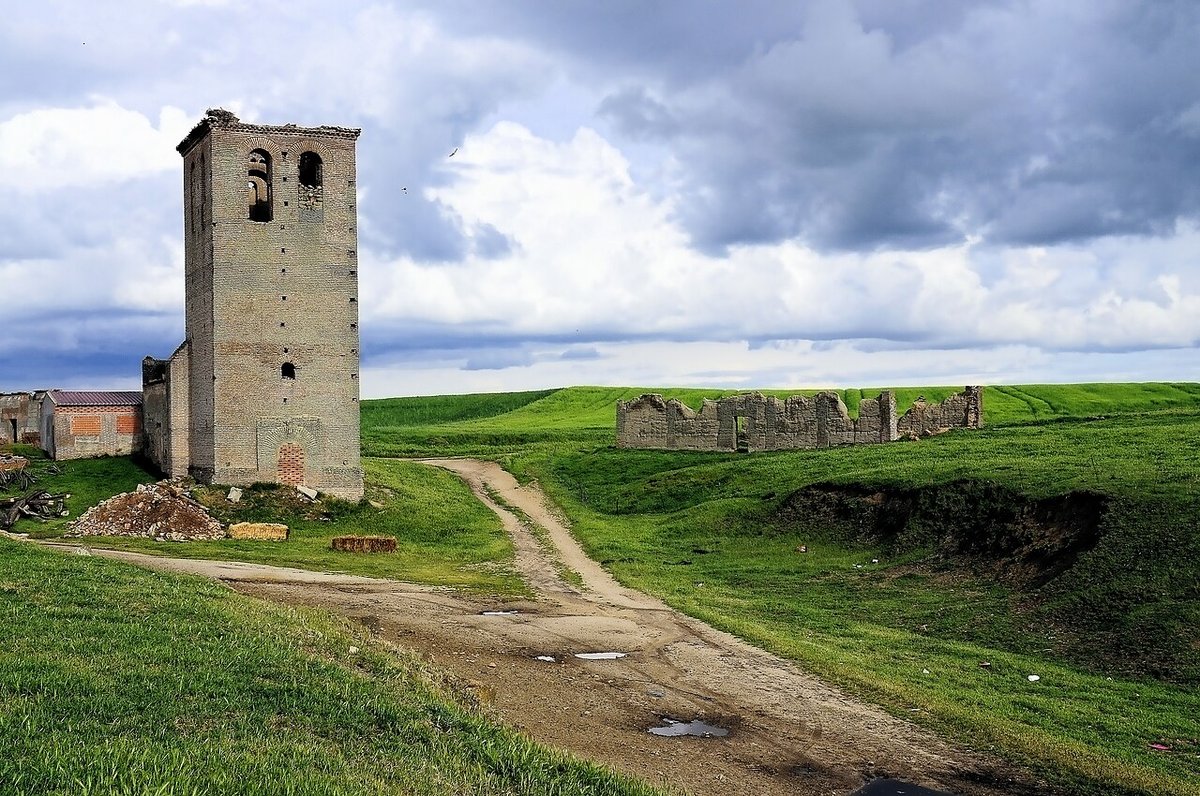
Start at the church, not for spiritual guidance but for orientation. Its squat tower—more fortification than campanile—rises above wheat fields like a ship's mast in an amber ocean. From here, lanes radiate randomly. Follow one past a house where television flickers through lace curtains. Another leads to a courtyard where a man repairs a harrow, sparks flying onto packed earth. Somewhere a radio plays flamenco; closer, chickens discuss afternoon plans.

The built-up area dissolves suddenly into countryside. One moment you're navigating shadowed lanes, next you're standing beneath vast sky with cereal plains stretching to distant hills. It's disorientating, this abrupt transition from medieval settlement to twenty-first-century agriculture, until you realise the village never separated itself from land. They grew together, mutually dependent, equally weathered.

Birds, Bikes and Bureaucracy

Serious birdwatchers arrive armed with scopes and patience. The surrounding plains harbour great bustards, little bustards and Montagu's harriers—not in nature reserves but feeding among crops like feathered sharecroppers. You'll need binoculars and distance; these aren't tame garden birds but wild creatures tolerating human proximity only when undisturbed. Farmers tolerate watchers who stick to tracks and close gates. Everyone else gets shouted at in rapid Extremaduran Spanish that even Madrid natives struggle to follow.

Cycling works better than walking for exploring further. Tracks connect Cachorrilla with neighbouring hamlets—Grimaldo four kilometres east, Villar de Plasencia six kilometres south—through flat terrain that forgives unfit legs. But don't expect signposts. Download offline maps before arriving; mobile coverage vanishes in valleys, and asking directions produces enthusiastic but geographically creative responses. "That way" might mean anything from two hundred metres to tomorrow afternoon.

The village's size becomes apparent when searching for services. There's no bank, no petrol station, no supermarket. The single grocery opens sporadically, stocking tinned goods, wine and gossip. Locals drive to Grimaldo for proper shopping, collecting neighbours' orders like rural Uber. Visitors should stock up in Cáceres before arriving, forty-five kilometres west via the N-630 that slices through endless dehesa—ancient oak pasture where black Iberian pigs root for acorns that become £180-a-kilo jamón ibérico.

Eating What Grows

Food arrives without fanfare. Lunch might be migas—fried breadcrumbs with garlic and chorizo—served at a scrubbed pine table while the cook's husband discusses rainfall statistics. Ingredients come from gardens visible through kitchen windows; the pork from last month's pig, olives from trees shading the patio. It's cuisine born from necessity, elevated through repetition into something approaching perfection.

Don't expect restaurants. Cachorrilla feeds visitors through casa rural kitchens or neighbourly invitation. The village's three rental properties—Casa Rural El Boquerón sleeps twelve, various smaller apartments handle couples and families—come equipped with serious cookware because eating out means driving elsewhere. Arrange meals in advance through owners, who'll telephone local cooks preparing dishes their grandmothers never wrote down. Expect to pay €15-20 per head for three courses including wine that arrives in unlabelled bottles but tastes like bottled sunshine.

Breakfast presents cultural challenges. British expectations of eggs and bacon collide with Spanish habit of coffee and biscuits. Adaptation brings rewards: fresh bread from Montehermoso's bakery (twelve kilometres) dragged through local olive oil, accompanied by tomatoes that actually taste of summer and jamón whose depth of flavour makes supermarket versions seem like cardboard ham impersonators.

When to Go, When to Stay Away

Spring arrives suddenly, transforming brown plains to emerald overnight. March brings cranes heading north, pausing to refuel before crossing the Pyrenees. April showers aren't proverbial but torrential; bring proper waterproofs, not festival ponchos. May perfects everything—temperatures mid-twenties, wildflowers threading field margins, village fiesta honouring the patron saint with processions, brass bands and wine that flows like the Alagón river after storms.

Summer brutalises. By July, mercury hits forty-five degrees at three pm. Sensible people sleep after lunch, emerging at seven when shadows lengthen. Visitors attempting midday walks discover why houses have two-metre-thick walls and why Extremadura's population stayed stable for centuries—anyone stupid enough to cross plains in August died trying. Autumn rewards survivors with mushroom seasons, grape harvests and temperatures that make walking pleasant rather than suicidal.

Winter surprises. Continental climate means frost, occasionally snow, certainly wind that whips across exposed plateau searching for warmth to steal. Villagers light olive-wood fires, filling streets with aromatic smoke that makes December walking feel medieval. It's beautiful, empty and slightly melancholic—perfect for writers, painters or anyone recovering from modern life's excesses.

The Reality Check

Cachorrilla won't suit everyone. Entertainment means making your own. Rainy days trap visitors indoors with Spanish television and whatever books you packed. The nearest pub is fifteen kilometres away, closing at midnight sharp because the owner's wife wants to sleep. Mobile reception varies with weather, wind direction and whether someone's borrowed the mast for weekend festivals.

Yet these limitations create something increasingly precious: a place existing on its own terms, neither performing authenticity nor apologising for inconvenience. Cachorrilla doesn't need tourists, which paradoxically makes it worth visiting. Come prepared to slow down, speak broken Spanish, accept invitations from strangers and eat whatever's growing. Leave expectations at Cáceres city limits and discover how ninety people accidentally created the sustainable tourism everyone else markets but rarely achieves.

Just remember to close gates, wave at tractors and never, ever complain about the church bell. It rang for centuries before you arrived and will continue long after you've gone, measuring harvests and heartbeats in a village that time forgot to erase.

Key Facts

Region
Extremadura
District
Vegas del Alagón
INE Code
10038
Coast
No
Mountain
No
Season
winter

Livability & Services

Key data for living or remote work

2024
HealthcareHospital 13 km away
Housing~5€/m² rent · Affordable
CoastBeach 17 km away
Sources: INE, CNMC, Ministry of Health, AEMET

Planning Your Visit?

Discover more villages in the Vegas del Alagón.

View full region →

More villages in Vegas del Alagón

Traveler Reviews