Full Article
about Calzadilla
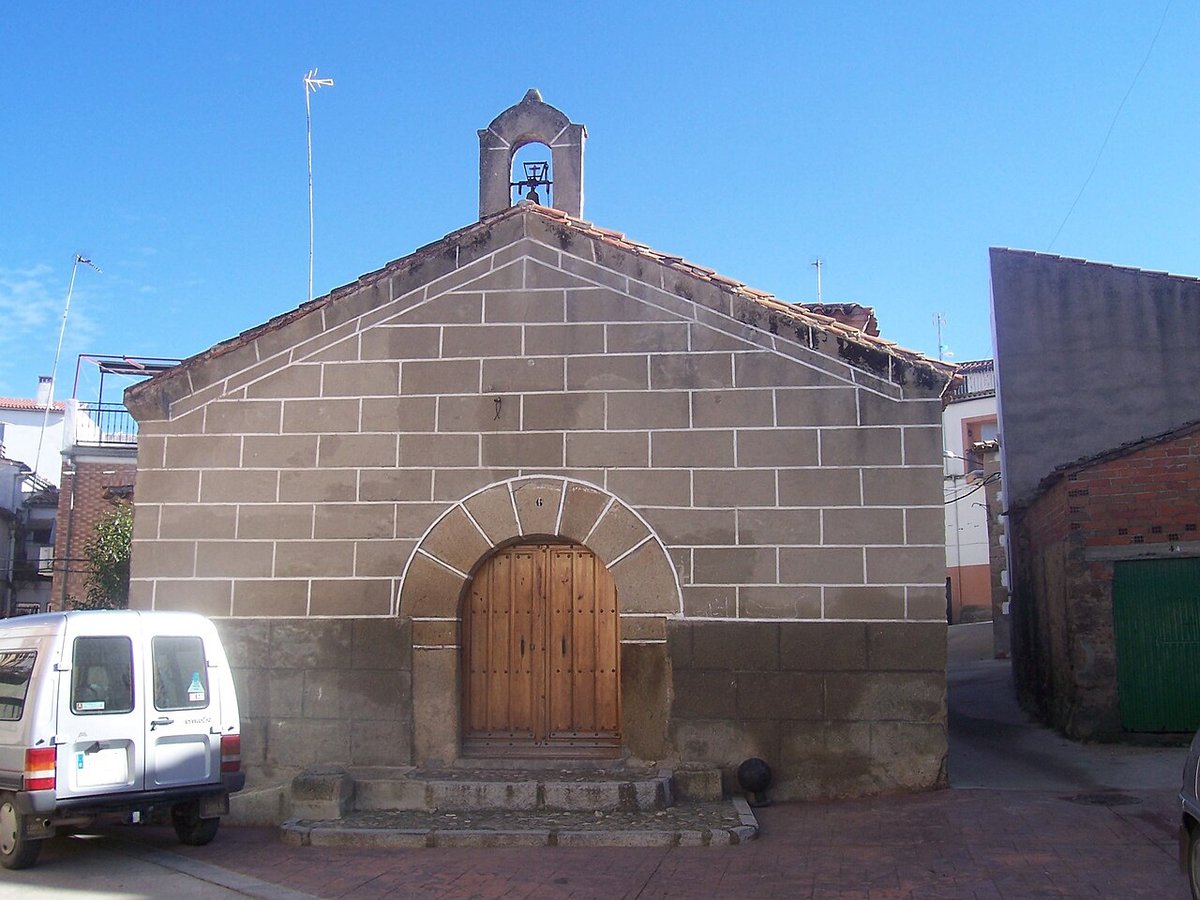
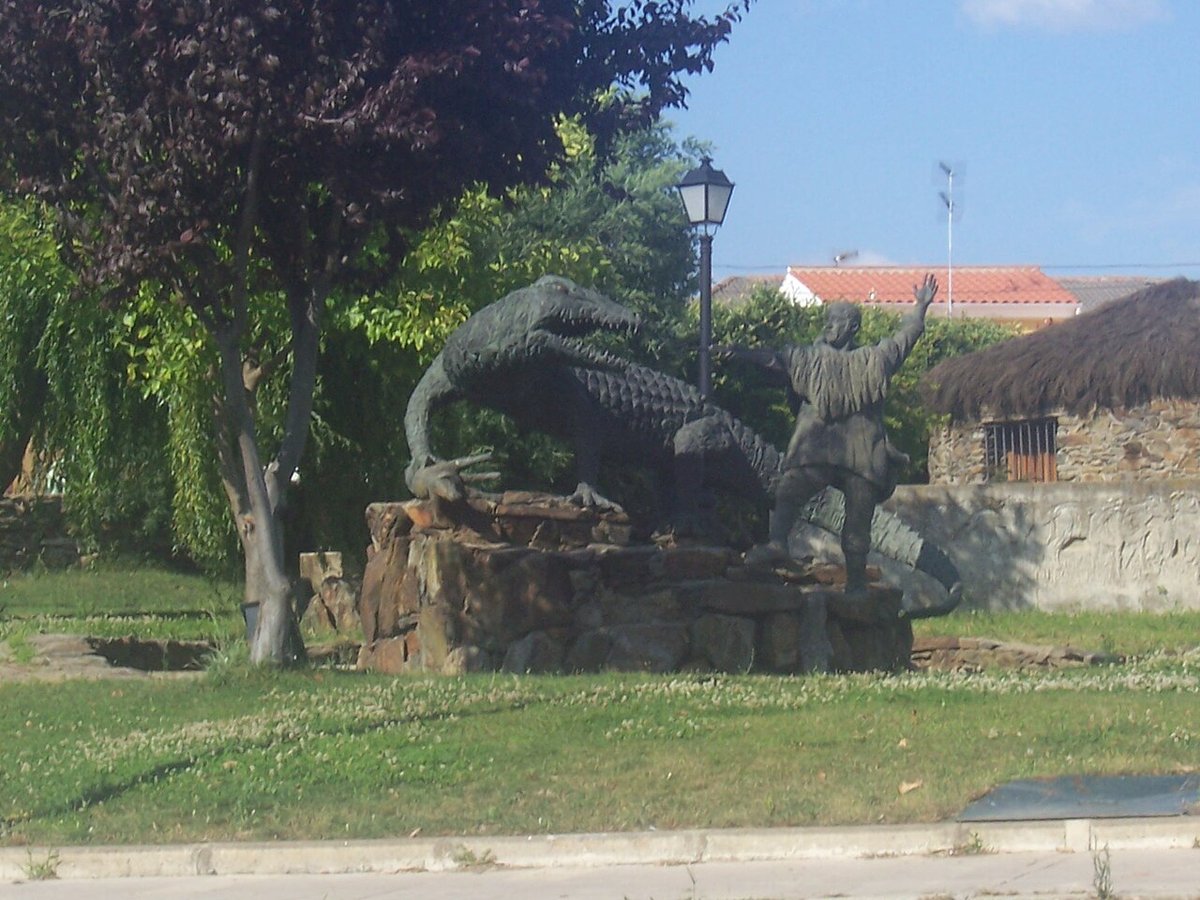
A farming village known for the Lagarto de Calzadilla and its Cristo chapel.
Hide article Read full article
Calzadilla is the kind of place you drive through on the way to somewhere else. You see a sign, a cluster of white houses, and then you're back on the straight road cutting through the Vegas del Alagón. I only stopped because I needed to stretch my legs. What I found was a village that doesn't explain itself, which in Extremadura is often the point.
This isn't a museum-piece. With about four hundred and fifty people, life here is tied to the land—olive groves, dehesa, small vegetable plots. The streets feel like they were made by people who needed to get a tractor home, not by an urban planner. Some are still dirt tracks. You'll see tools leaning against a wall, chickens in a courtyard, firewood stacked for next winter. It's all function.
The Anchoring Presence of San Pedro
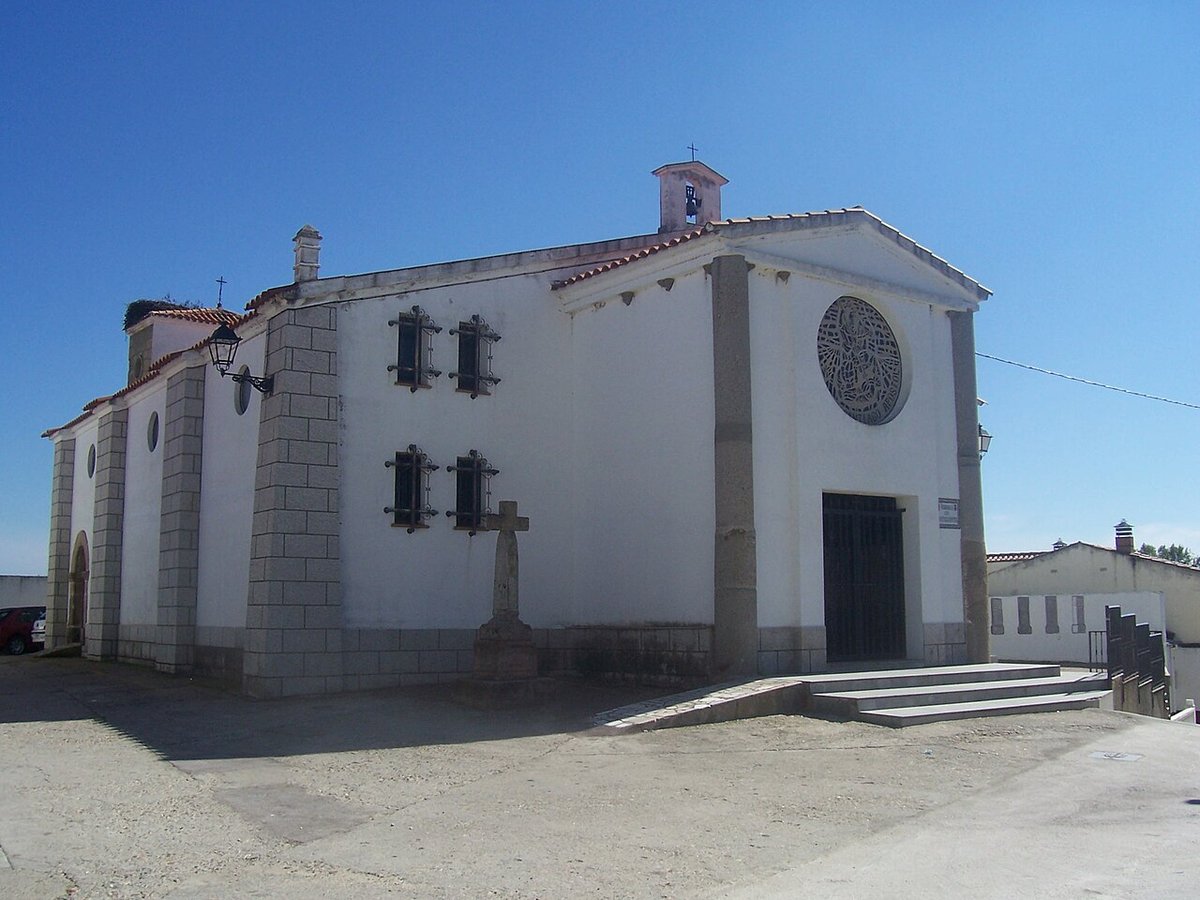
Everything in Calzadilla seems to orient itself around the parish church of San Pedro. Its stone and brick tower is your compass. The building has a no-nonsense look, built thick and solid like it's meant to outlast everything. Inside, it's cool and quiet, with that heavy silence old churches hold.
The plaza around it acts as the village's living room. In the late afternoon, a few folks will be out on benches talking about the day. A car might roll through slowly. There's no itinerary to follow here; you just exist in the pace for a bit.
Following Streets That Meander
Don't expect a grid. The layout of Calzadilla feels organic, like it grew from the inside out over generations. Look up as you walk: you'll spot the conical brick chimneys poking from rooftops. They're not there for tourists; they're traditional kitchen chimneys from this part of Cáceres, designed to pull smoke and hold heat.
The houses are low, many with whitewashed walls and rejas on the windows. The real life is often hidden in those interior patios—you might catch a glimpse of laundry drying or hear radio chatter from within. It’s private, lived-in space.
The Immense Sky of the Vega
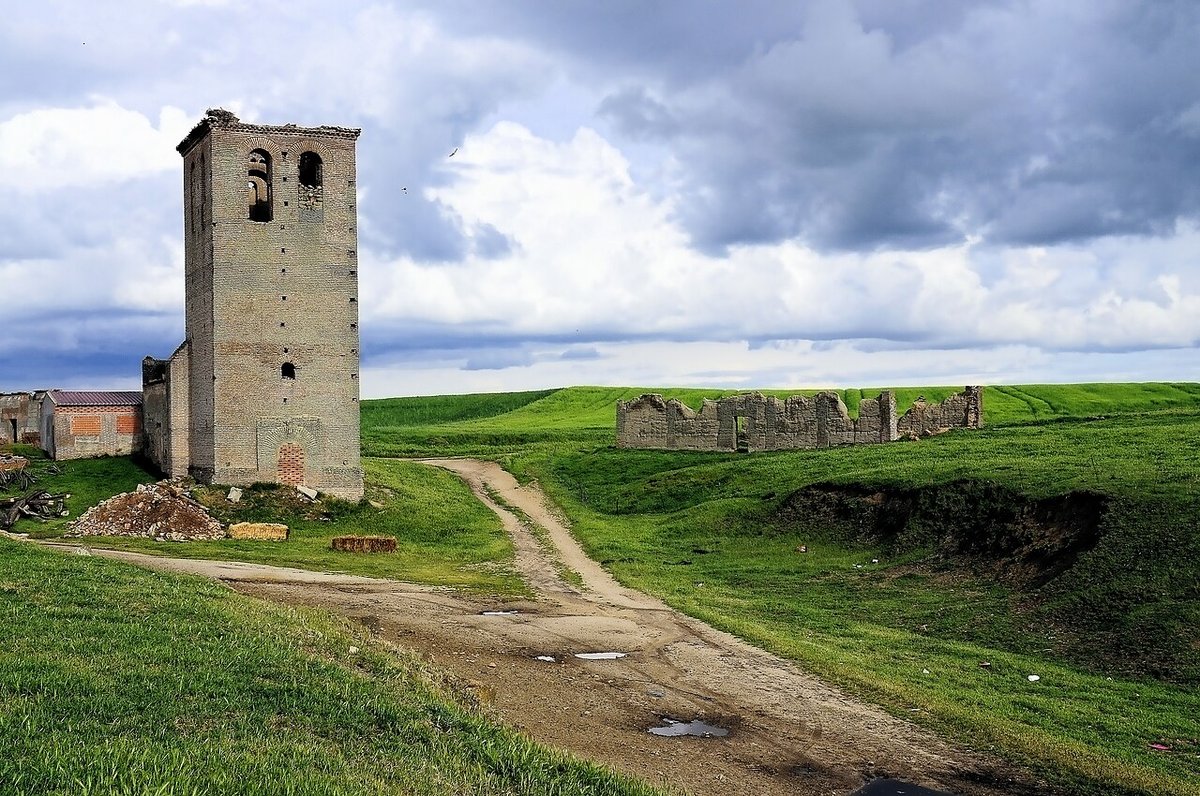
Walk five minutes past the last house and the world opens up completely. The Vegas del Alagón is a vast, flat expanse of farmland and dehesa dotted with holm oaks. This is big-sky country.
You don't need a marked viewpoint. Just head down any of the rural tracks. The scenery is slow-reveal: fields turning with the seasons, storks on fence posts, maybe griffon vultures riding thermals high above. It’s agricultural land first, a landscape second.
A Practical Kind of Sustenance
The food here makes sense when you see the environment. It’s hearty, rooted in what’s nearby: Iberian pork, pulses like garbanzos, stews that simmer for hours, vegetables from local plots. This is cooking for people who work outside. You won't find twee presentations—you'll find plates that fill you up.
When the Village Fills Up
For most of the year, Calzadilla has its own steady rhythm. Summer is different. That’s when the patron saint festivities happen and families who've moved away return home. Suddenly there are more voices in the streets at night, music from portable speakers set up in a plaza, kids playing football until late.
It’s a temporary shift in energy that shows you what community means here—it’s elastic enough to stretch across distance but snaps back to this central point.
Your Reason for Stopping
Calzadilla won't dazzle you with monuments. Its value is as a counterpoint. You might pair it with a trip to Coria or Galisteo—towns with proper castles and cathedrals that draw more attention. Then you come here. You walk its quiet streets at dusk when the light turns gold on the white walls. You feel how deeply ordinary life here is connected to that immense plain outside. And then you get back in your car. Sometimes that’s exactly what you need: not a destination, but a pause that gives context to everything else