Full Article
about Cañaveral
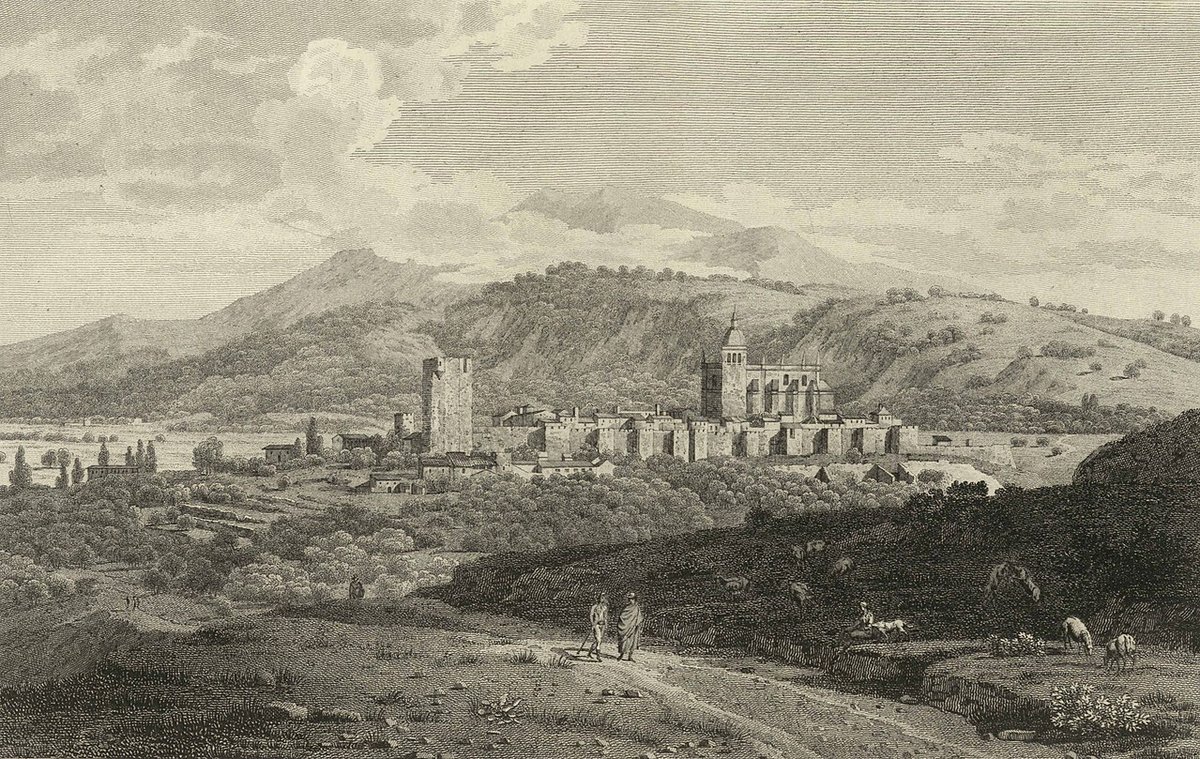
Historic town on the Vía de la Plata with a much-loved Marian shrine in the region.
Hide article Read full article
A quick stop near Cáceres
Tourism in Cañaveral is straightforward. You arrive, walk around, and before long you have seen what there is to see. The village sits about 50 km from Cáceres, usually reached by regional roads that cross dehesa countryside, those open landscapes of holm oaks and pasture typical of Extremadura. Parking is rarely an issue. There is usually space on the wider streets near the main square. A single morning is enough.
There is no large historic quarter or a dense collection of monuments that pushes you from place to place. The appeal lies elsewhere. Cañaveral works best as a look at everyday life in a village of the Vegas del Alagón, rather than a checklist of sights.
A simple walk through the centre
Calle Mayor runs through the middle and leads to the square. It is easy to follow and has a familiar feel: two-storey houses, plain façades, and a steady flow of daily activity. Nothing elaborate, but it sets the tone for the visit.
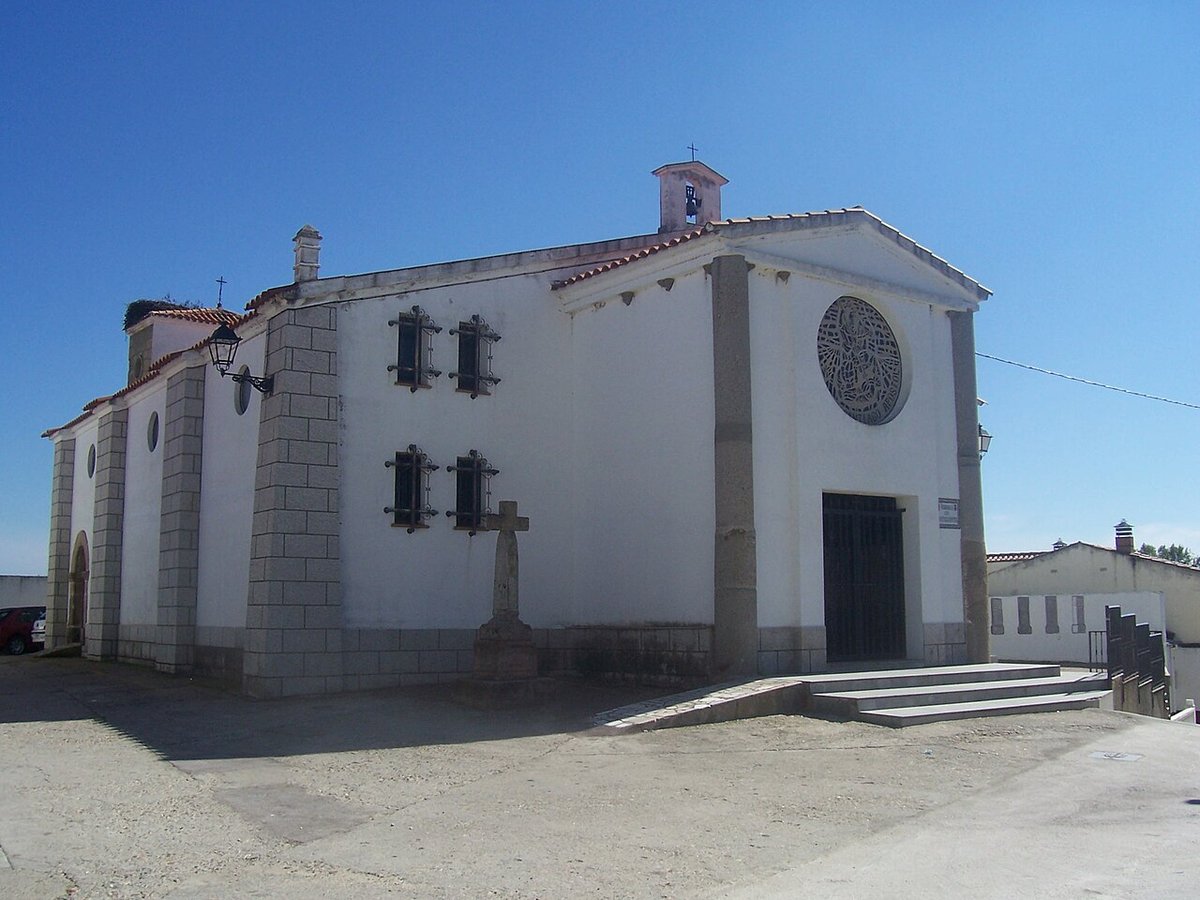
On the square stands the church of Nuestra Señora de la Asunción. The current building is usually dated to around the 16th century, although it has undergone later alterations. The exterior is restrained. Inside, the space is well kept and calm, without major surprises. A few older altarpieces can draw attention if you take the time to look closely.
Around the square there are houses from the late 19th and early 20th centuries. Some façades show details such as stone coats of arms or old iron grilles. These are small touches rather than grand statements, yet they hint at the age of the place.
If you wander up nearby streets, including Calle de las Escuelas, the ground begins to rise. The slope is noticeable but not long. It adds a slight change of perspective over the centre before the streets level out again.
The dehesa beyond the houses
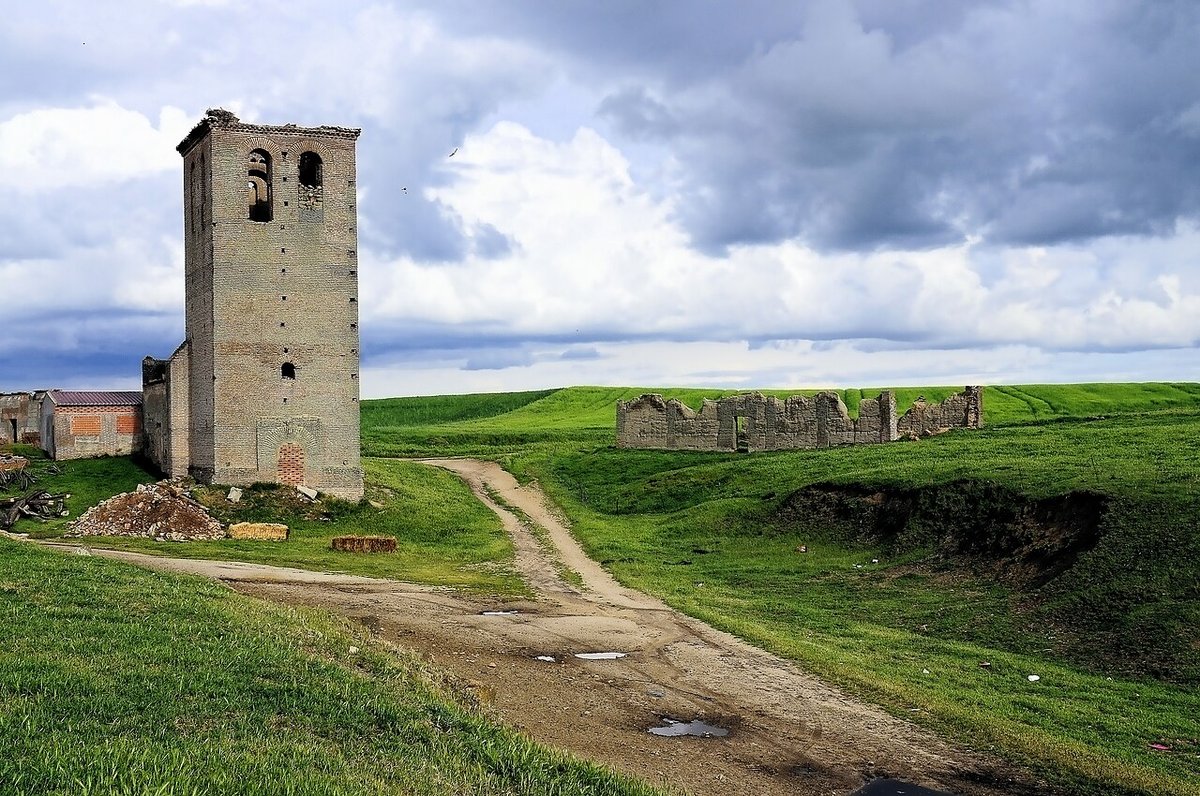
Step outside the built-up area and the landscape is defined by dehesa. Holm oaks, large estates and agricultural tracks set the scene. The local economy has long been tied to farming and livestock, and that connection is still visible in how the land is used.
Merino sheep are a common sight, and cattle graze on nearby properties. This is working countryside rather than a space designed for organised visits. There are no facilities aimed at tourism in the fields, and activity follows the rhythms of rural work.
There is no clearly marked network of walking routes. Even so, some rural tracks can be used for a short walk if you want to stretch your legs. It is best to approach this with common sense. Many of the estates are private, and gates usually indicate where you can pass.
At certain times of day, particularly around dawn or dusk, wildlife sometimes appears. Deer or large birds may be seen moving through the area, although this depends on the season and a degree of luck.
Local life and traditions
Cañaveral functions much like other small villages in the province. Daily life revolves around agriculture and the needs of the community itself. The pace is set locally rather than by visitors.
Some traditional crafts continue on a small scale. Leatherwork and pottery can still be found, though not always open to the public. They form part of the local fabric rather than a formal attraction.
Throughout the year there are festivals and fairs linked to rural customs and regional food traditions. These are generally very local in character, organised with residents in mind more than drawing large numbers from outside.
During Semana Santa, the week leading up to Easter, simple processions pass through the central streets. They cover short distances and the atmosphere is quiet and restrained. It is a far cry from the larger, more elaborate celebrations seen elsewhere.
Nearby places to combine with your visit
Most people who come to Cañaveral combine it with other stops in the area. Plasencia is less than an hour away by car and offers a broader range of things to see. The wider region of the Vegas del Alagón also has stretches of dehesa and small villages scattered across the landscape, each with a similar rural character.
Cañaveral fits easily into a wider day out rather than standing as a main destination on its own.
Practical notes for a short visit
Parking near the centre and exploring on foot is the simplest approach. The village can be seen at a relaxed pace in a little over an hour.
If you plan to walk into the countryside, early morning or late afternoon is more comfortable, especially in warmer months. Do not expect prepared routes or signposted trails. The paths are the ones used by local people for agricultural work, and they should be treated with respect.
Cañaveral does not try to be more than it is. The visit is brief, the setting is rural, and the experience rests on observing everyday life in a small Extremaduran village.