Full Article
about Carcaboso
Key stop on the Vía de la Plata with Roman milestones and irrigated farmland.
Hide article Read full article
Arriving and getting your bearings
If you are coming to do a bit of tourism in Carcaboso, start with the car. Park along the wider streets at the entrance and continue on foot. The village is small, and within ten or fifteen minutes you will be in the centre.
Carcaboso sits in the Vegas del Alagón, an agricultural area in Extremadura. It does not have a defined old quarter or a cluster of monuments that shapes a visit. The layout reflects how it has grown over time, with limited planning: straight streets, low houses, interior courtyards. The overall feel is practical rather than decorative.
Summer needs a bit of timing. The sun is strong from midday onwards, and the heat builds quickly in the lowlands. Early morning or late afternoon is a better fit if you want to walk around without rushing from shade to shade.
The church and the square
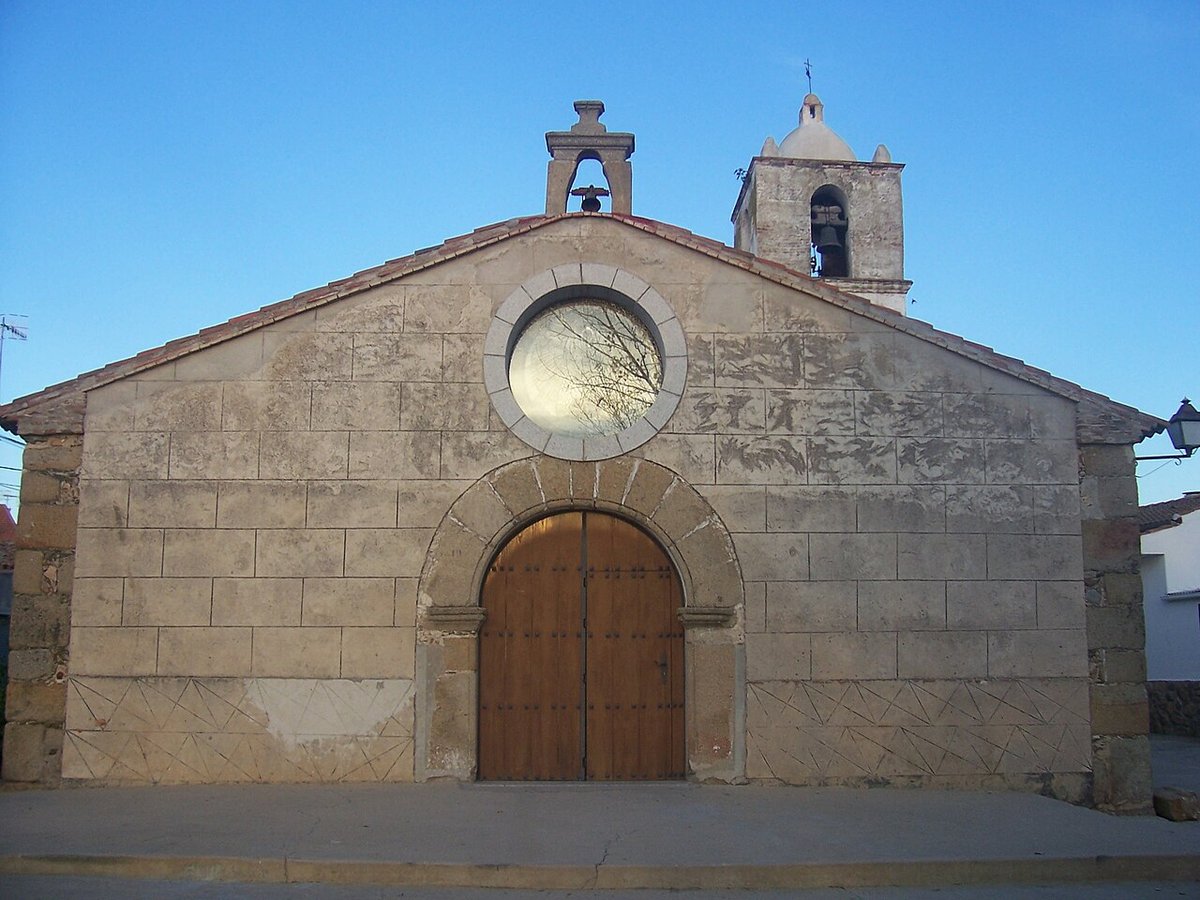
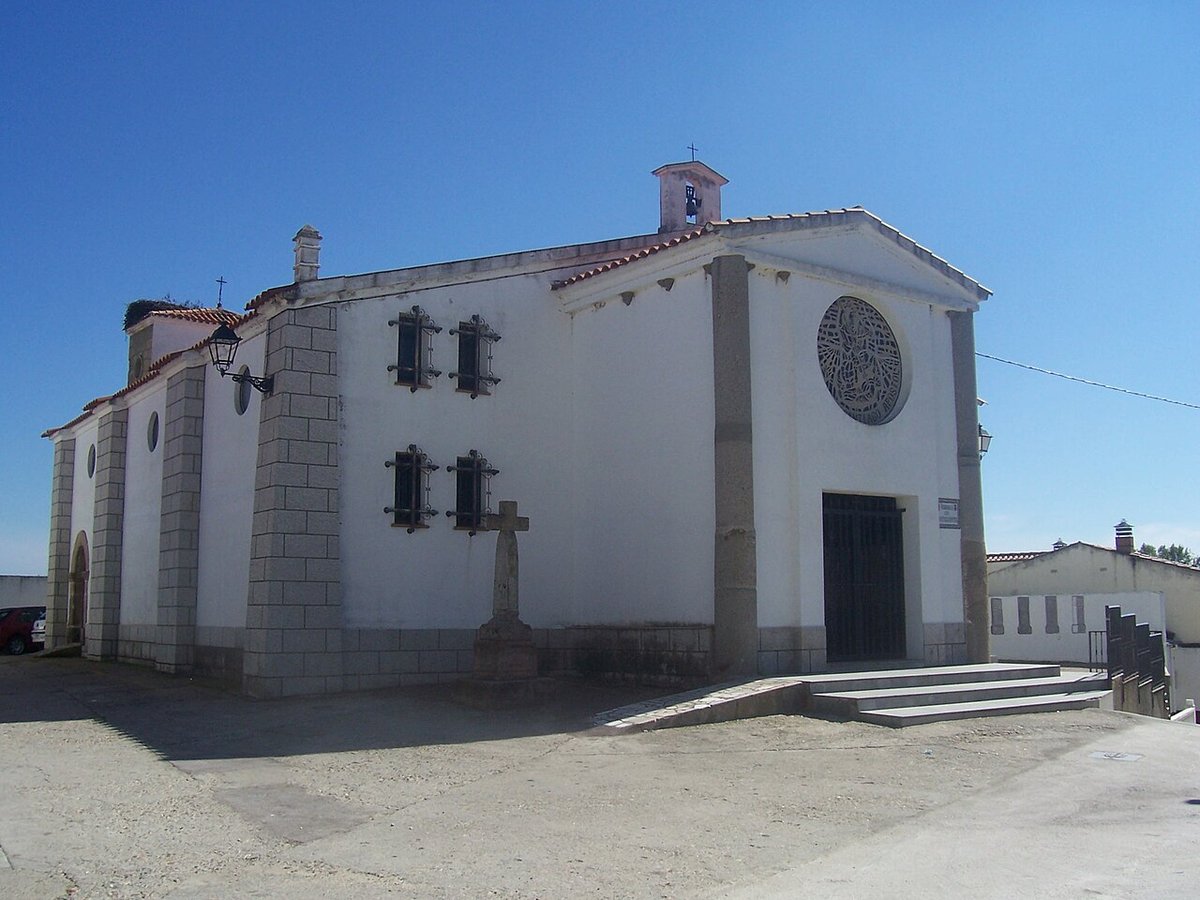
The parish church of San Pedro is the building that stands out most. Its structure dates back to the late Middle Ages and the beginning of the early modern period, though it has been altered over time. The tower can be seen from several points in the village, acting as a simple reference as you move around.
Inside, the church is small and restrained. It does not take long to visit, and the atmosphere is quiet rather than ornate.
Nearby, the main square works as a meeting point. You will find the town hall, benches and a bit of shade. It is not a grand plaza, and it does not try to be one. Like in many small Spanish villages, it is a place to pause, exchange a few words and then carry on.
Streets and village rhythm
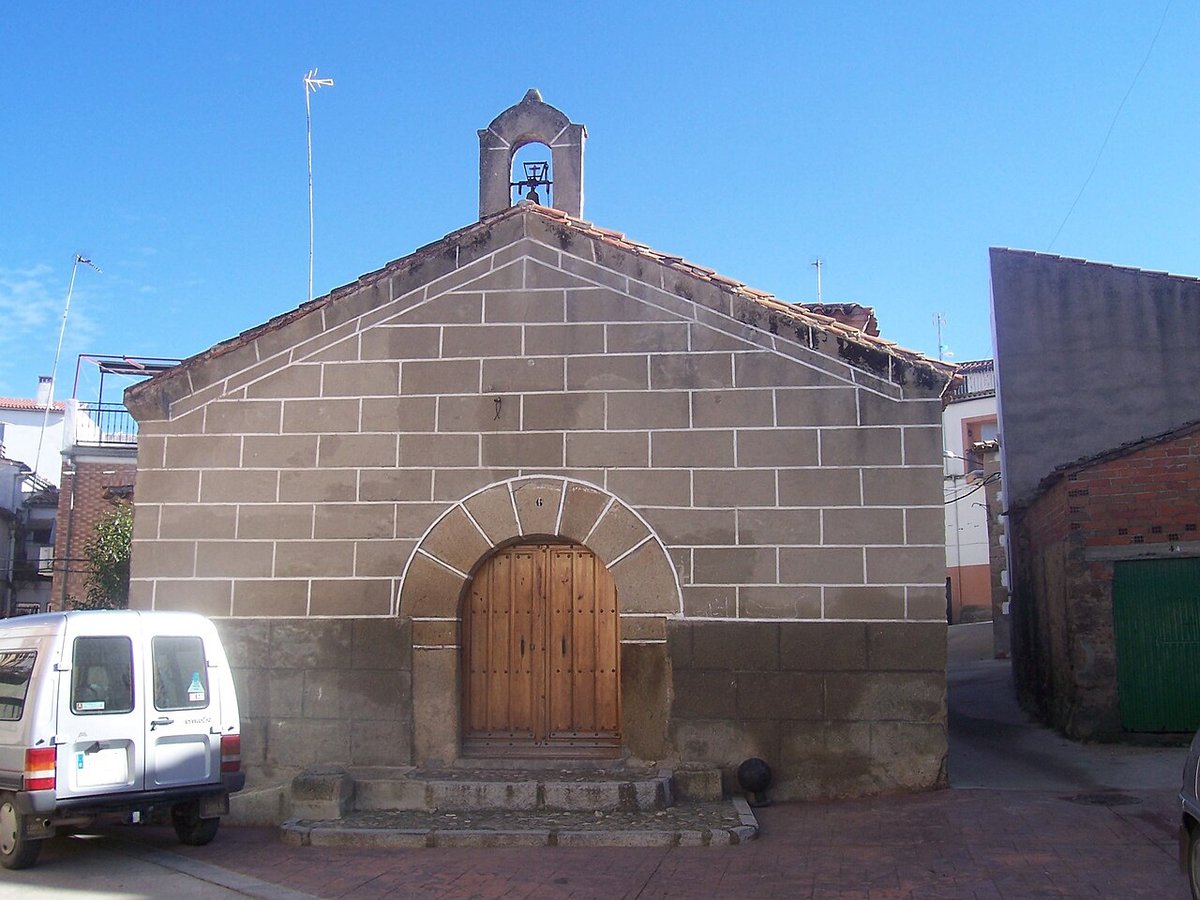
Beyond the church and square, the best approach is to walk without a strict plan. Some houses still show older features, such as traditional doorways or simple coats of arms on the façade. Others are more recent and follow a straightforward, functional style. There are no major surprises waiting around the next corner.
Carcaboso feels more like a place to live than a place designed for visitors. That comes through in its daily rhythm. Mornings have a bit more movement, with people out and about. By the afternoon, everything slows down and the pace becomes noticeably quieter.
The scale of the village reinforces that sense of routine. Distances are short, and there is no pressure to tick off sights. A short walk is enough to understand how the place is organised and how it is used.
The Alagón River and surrounding tracks
The Alagón River runs close to the village and can be reached on foot without much effort. Along its banks there are poplars that provide some shade. When the heat drops, people from the village often head there for a walk.
Around Carcaboso, several agricultural tracks branch out into the surrounding land. The terrain is flat, with cultivated plots and irrigated fields. These are not marked hiking trails. They are working tracks used by local residents and tractors, but they are suitable for a short walk if you want to stretch your legs and then return.
The landscape reflects the agricultural character of the area. Open views, practical paths and fields under cultivation define the surroundings more than any designed viewpoints or formal routes.
Festivities and practical notes
The main local celebrations are those of the patron saint, San Pedro, usually held at the end of June. They include short processions, music and gatherings among neighbours. Other religious events take place throughout the year, along with the occasional romería, a traditional outing to the countryside linked to religious observance.
Semana Santa, or Holy Week, is observed in a simple way. The processions are modest, with small floats and short routes. The scale matches the size of the village, and the focus is on local participation.
Before setting off, a few practical points help set expectations. From Cáceres, the journey takes roughly three quarters of an hour by road. Access is straightforward, although some streets inside the village narrow quite a bit.
In summer, it is best to avoid the middle of the day because the heat in the vega is noticeable. After rain, the agricultural tracks can become muddy, which makes walking less comfortable.
It helps to be clear about what Carcaboso offers. This is not a destination for major sights or a long historic centre. It suits a short wander and a look at everyday life in an agricultural village of the Alagón area. If that appeals, it works well. If you are looking for monuments or an extensive old quarter, you will not find them here.