Full Article
about Casillas de Coria
Small village historically tied to Coria; set amid irrigated land and vegetable plots.
Hide article Read full article
A village defined by its landscape
Tourism in Casillas de Coria is less about ticking off landmarks and more about understanding an agricultural setting. The village sits in the heart of the Vegas del Alagón, a fertile plain in the north of the province of Cáceres. Here, the water from the Alagón River and its irrigation channels has shaped both the local economy and daily routines for generations. Today, just over three hundred people live here, and much of the activity still revolves around the land.
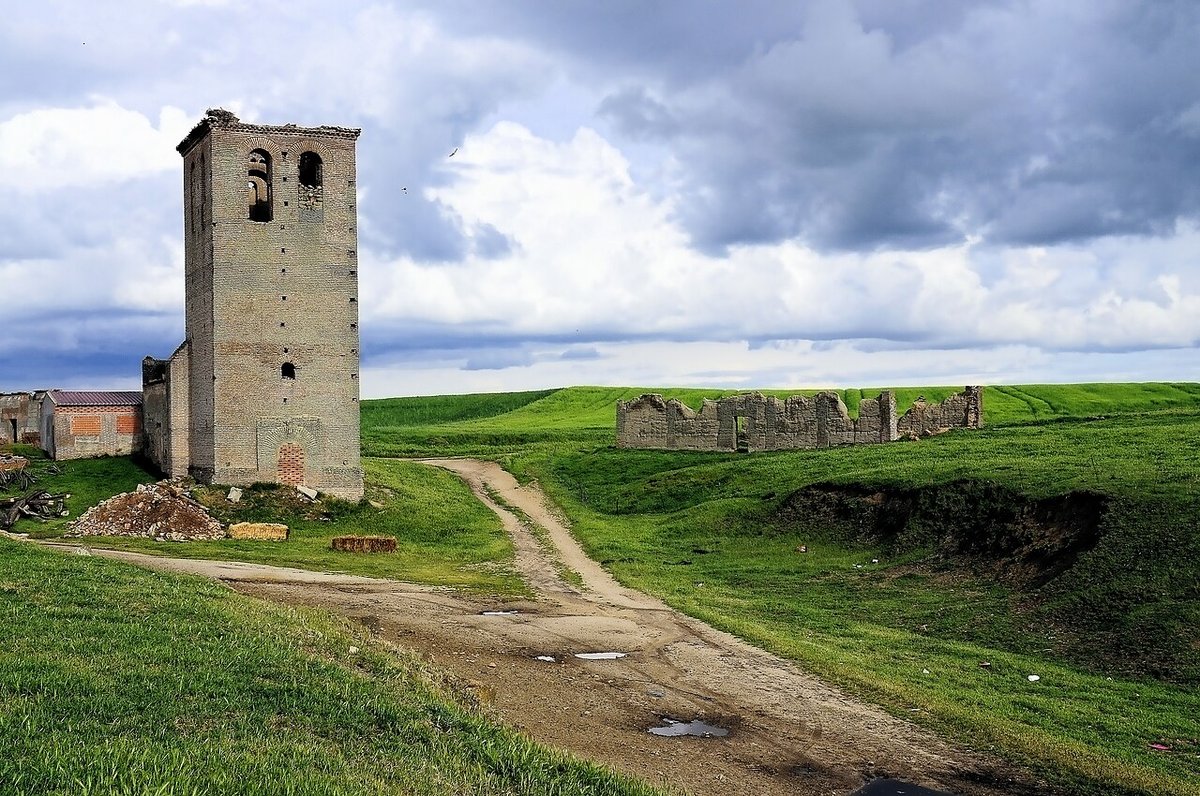
The settlement is flat, with no steep slopes or dramatic viewpoints. Irrigated farmland surrounds the village, and further out, patches of dehesa appear, dotted with scattered holm oaks. This combination of intensive market gardening close to the village and more open countryside beyond explains a great deal about how people live here.
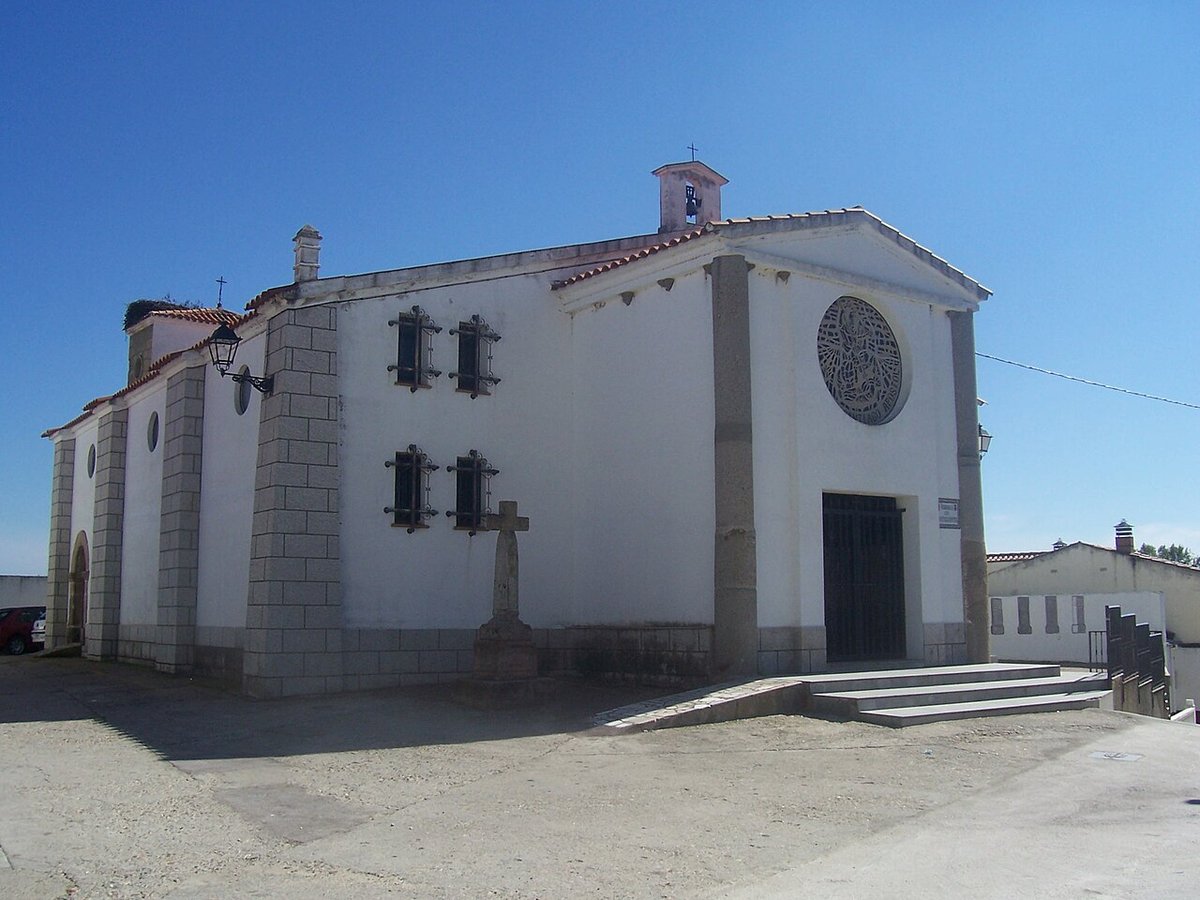
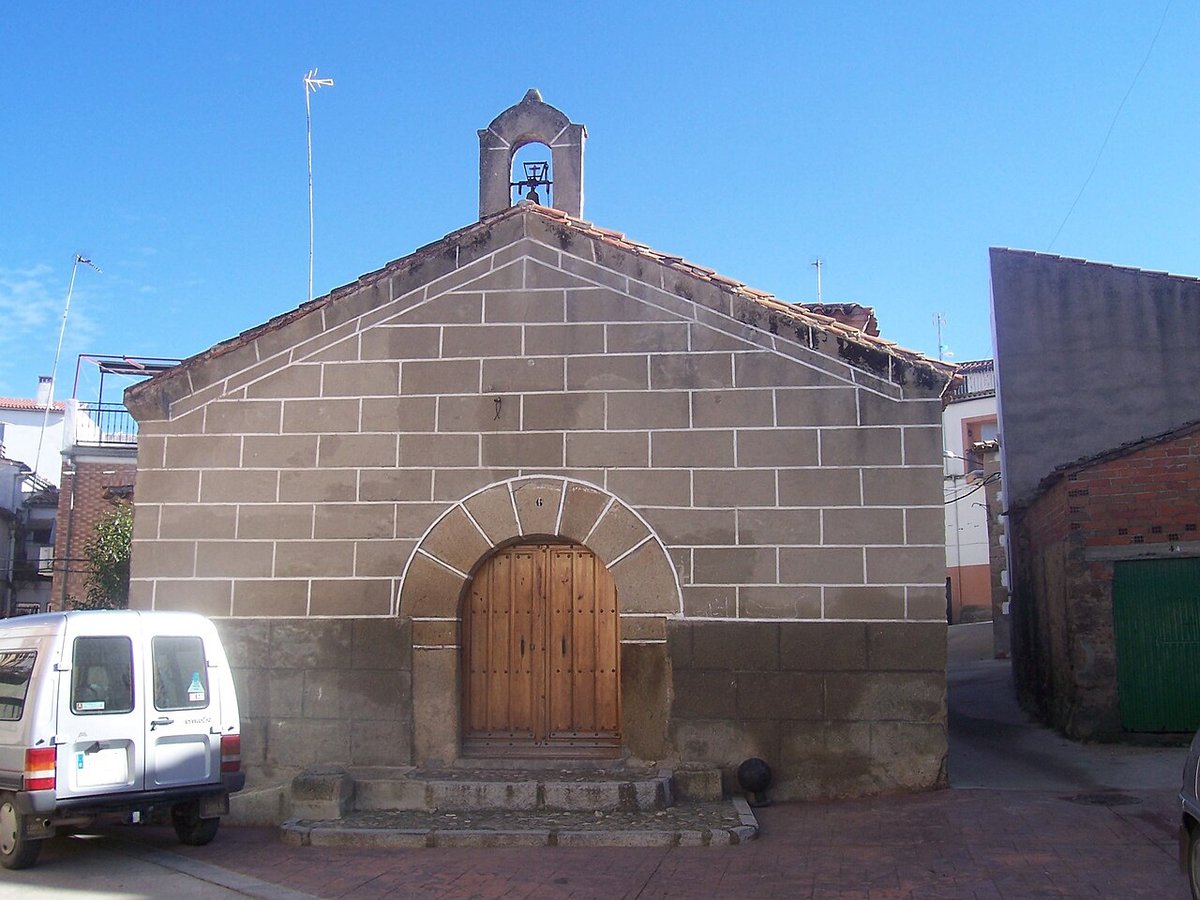
The streets are simple, lined with one or two-storey houses built using materials typical of the area. Granite appears in structural elements, while many walls are whitewashed. There is no monumental old quarter, but the domestic architecture is recognisable across much of northern Cáceres: interior courtyards, iron window grilles and façades designed with the climate in mind rather than decoration.
The church and the village centre
The most prominent building is the parish church dedicated to the Asunción. Its origins are usually placed in the 16th century, although its current appearance reflects later alterations. It is a restrained structure, in keeping with many villages in the area, where the church serves mainly as a point of reference in everyday life and during religious celebrations.
The centre of the village is organised around it, with small squares and streets that quickly lead out towards the surrounding countryside. There is no need for a planned route. In a short walk, it is possible to cross the entire settlement and get a clear sense of its scale.
For those interested in traditional architecture, the quieter details are worth noticing. Granite doorways that have been reused, courtyards that can barely be glimpsed from the street, and former agricultural spaces now absorbed into homes all reveal how the village has evolved without losing its practical character.
The irrigated plains of the Alagón
Although the Alagón River does not run directly through the village, its presence is unmistakable. The nearby vegas have been dedicated to irrigated farming for centuries, organised through a network of channels and ditches that distribute water across the fields.
The landscape shifts with the seasons. In spring, fields are newly planted. By summer, many plots are fully green. After the harvest, the land appears turned over and bare. Among the crops and waterways, it is common to see storks, herons and other birds associated with wet environments.
Agricultural tracks lead out from the village into these plains and can be followed on foot or by bicycle. They are flat routes, used daily by farmers, so they are better understood as working paths rather than signposted trails. Walking them gives a closer look at how the land is used and how closely it remains tied to local livelihoods.
Local life and the village calendar
Celebrations are still among the moments when the village feels most lively, especially when residents who live elsewhere return. The patron saint festivities usually take place in summer and combine religious events with open-air dances and gatherings in the streets.
Easter, or Semana Santa, has a modest and distinctly local tone. There are no large processions, but there is strong participation from residents, which sustains the tradition year after year.
In autumn, practices linked to the traditional matanza del cerdo, the slaughtering and preparation of pork, are still preserved. This custom is widespread in rural Extremadura and often remains within the family sphere, forming part of a seasonal cycle that has long been central to village life.
Walking through and beyond the village
Casillas de Coria can be explored in a short amount of time. The interest lies in walking without hurry through its streets and then heading out along the tracks that cross the vegas.
In summer, it is best to avoid the middle of the day. The terrain is open and shade is limited outside the built-up area. With a bit more time, a visit can easily extend to nearby villages in the Vegas del Alagón, which share a similar landscape and an agricultural history shaped by the same conditions.
What remains most distinctive is not a single monument or viewpoint, but the quiet coherence between the village and its surroundings. The fields, the irrigation channels and the rhythm of daily work continue to define Casillas de Coria in a direct and unembellished way.