Full Article
about Galisteo
Walled town of Almohad origin with a unique pebble wall.
Hide article Read full article
Galisteo: cuando las murallas son el barrio
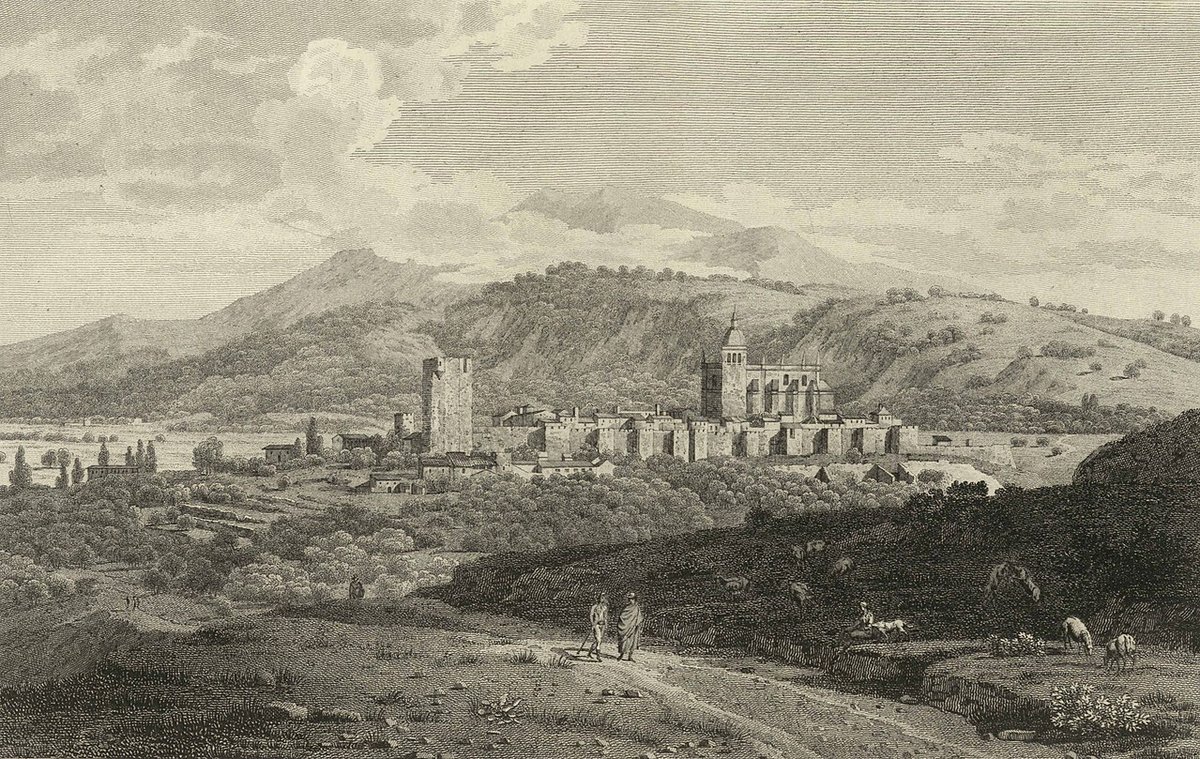
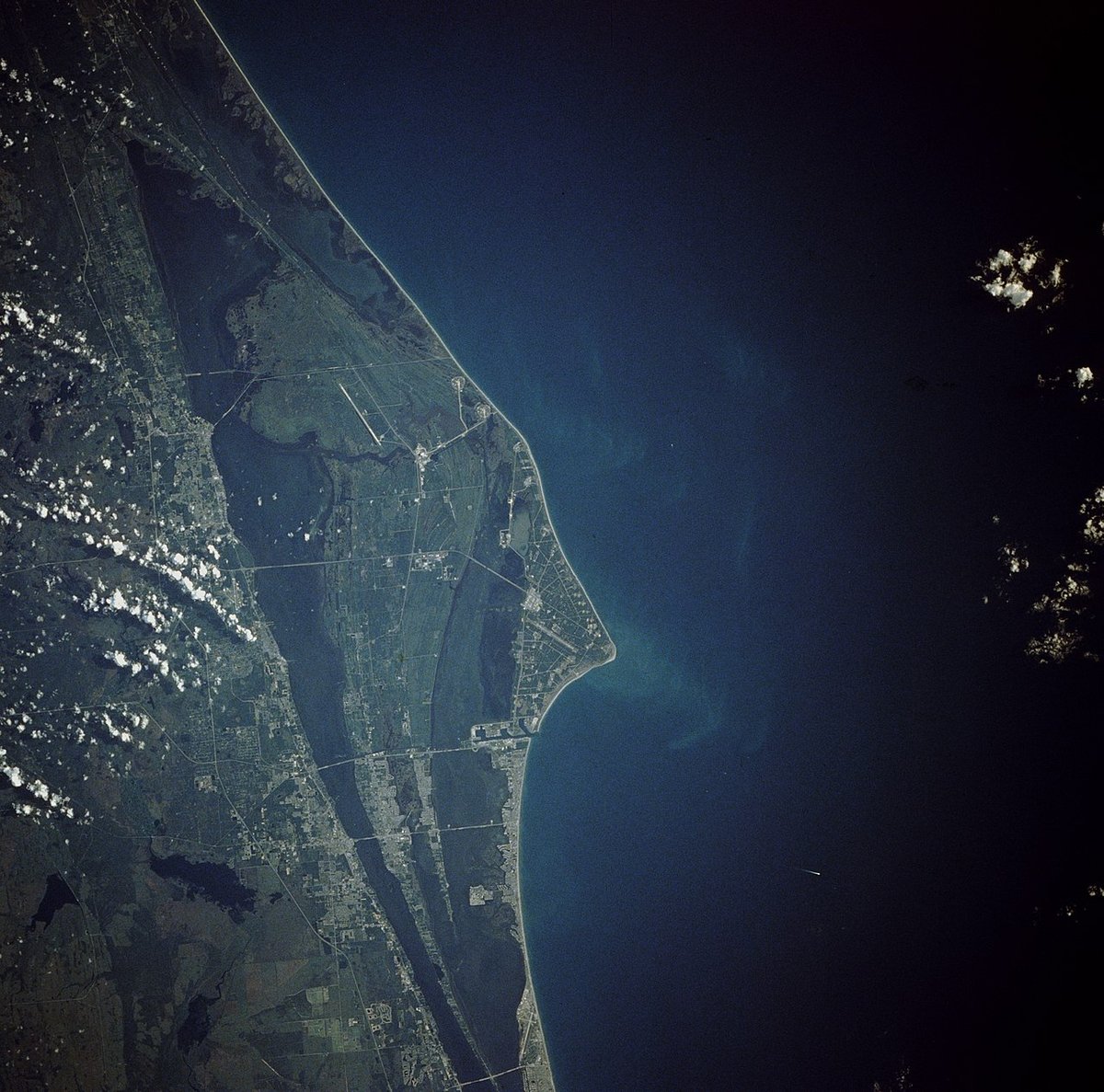
Galisteo es de esos sitios que te pillan por sorpresa. Vas por la carretera desde Plasencia, entre campos de regadío y olivares, pensando en otra cosa, y de repente aparece: un anillo completo de murallas de tierra y cantos rodados metiendo en un círculo perfecto a un pueblo entero. No hay aviso, ni rotondas con carteles gigantes. Simplemente está ahí, como si alguien hubiera dejado una fortaleza medieval en medio de la llanura y se hubiera olvidado de recogerla.
Esa primera imagen ya te dice cómo va la cosa. Esto no es un parque temático amurallado; es un pueblo de menos de mil habitantes donde la historia es parte del mobiliario urbano. Ves coches aparcados junto a los muros, vecinos con bolsas de la compra y, al fondo, el campo abierto de las Vegas del Alagón. El silencio aquí no es místico, es el silencio rural de toda la vida.
Caminar la muralla (y lo que hay dentro)
Lo primero es darle una vuelta por fuera. La muralla está hecha de tapial y piedras redondeadas del río Jerte, una técnica que parece más práctica que artística, como si hubieran usado lo que tenían a mano. No es un monumento acordonado; puedes pegarte a ella y seguir su línea. No hay paneles explicativos cada dos metros, solo tú, la pared y la sensación bastante clara de lo que debía ser defender este sitio hace siglos.
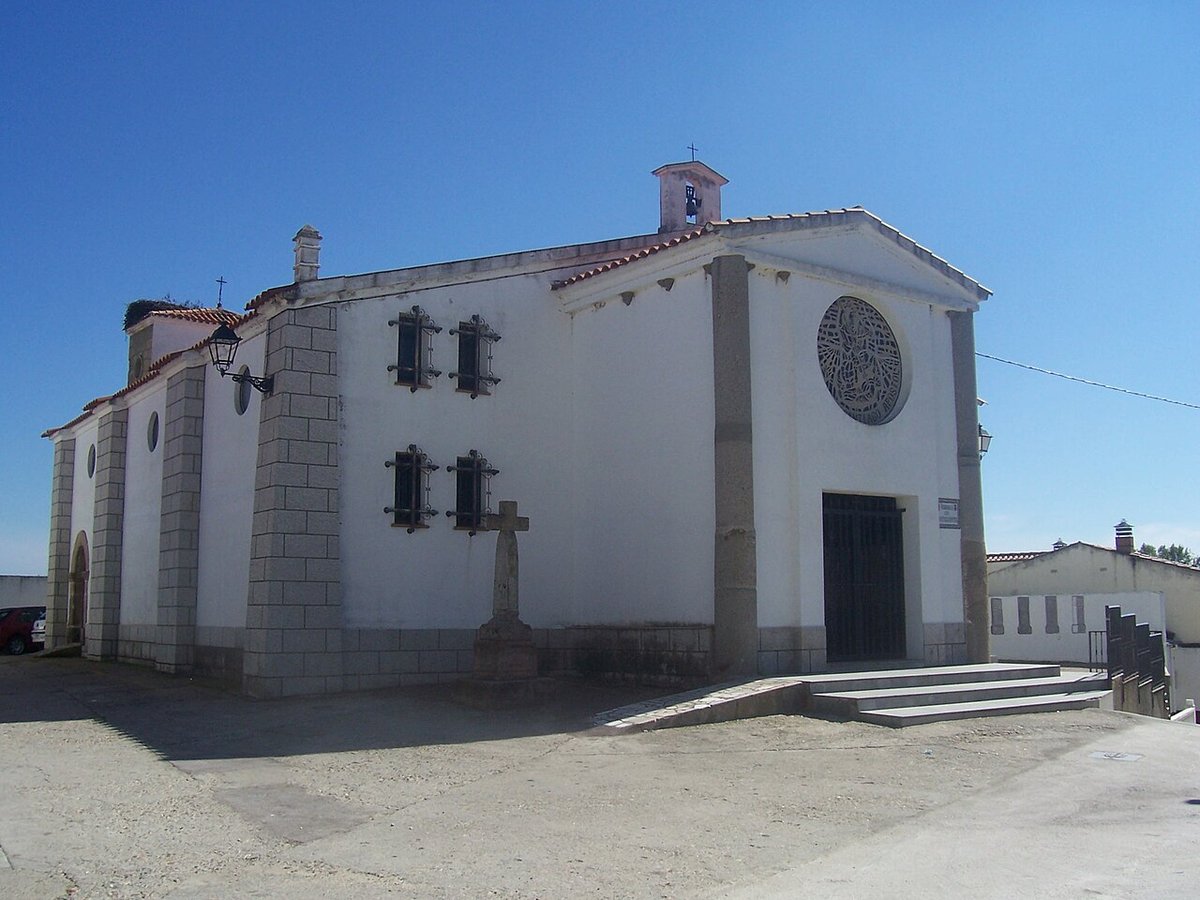
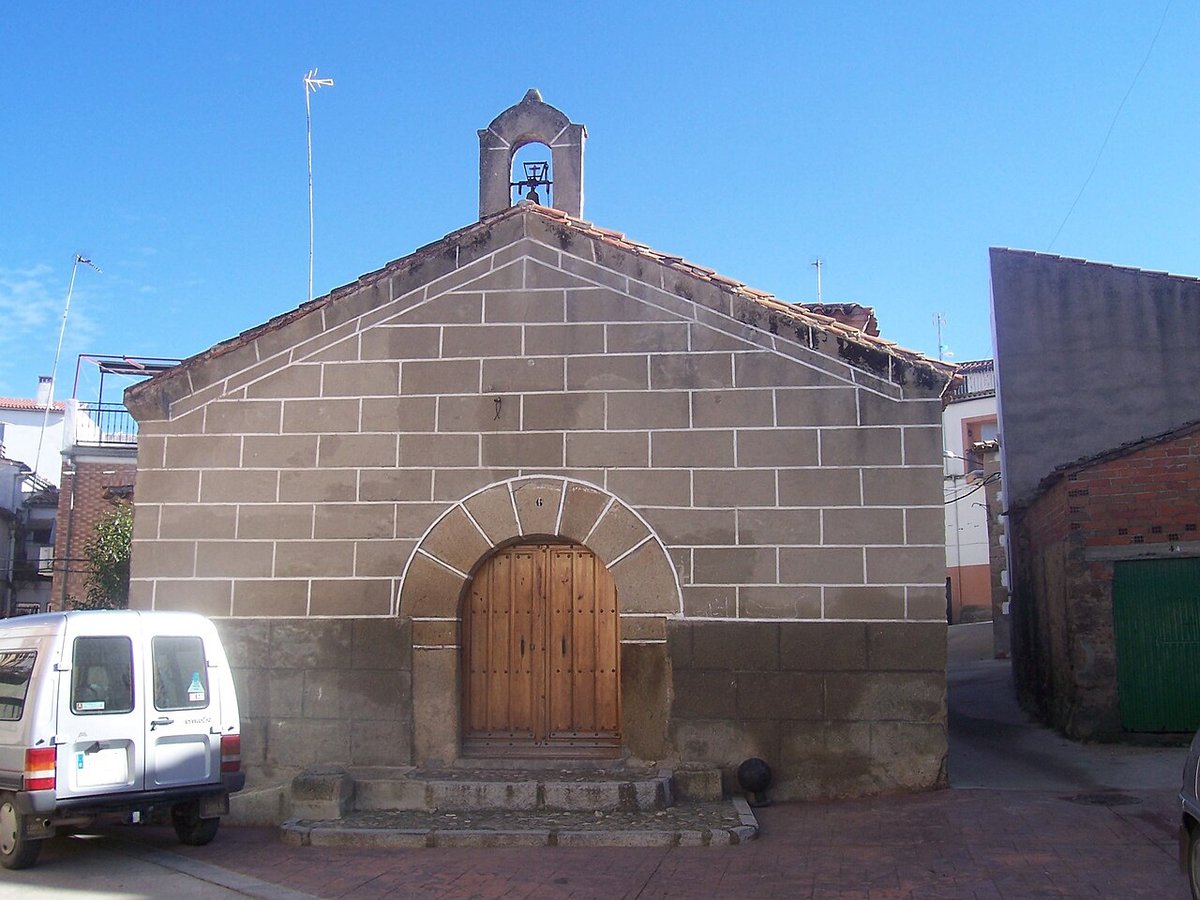
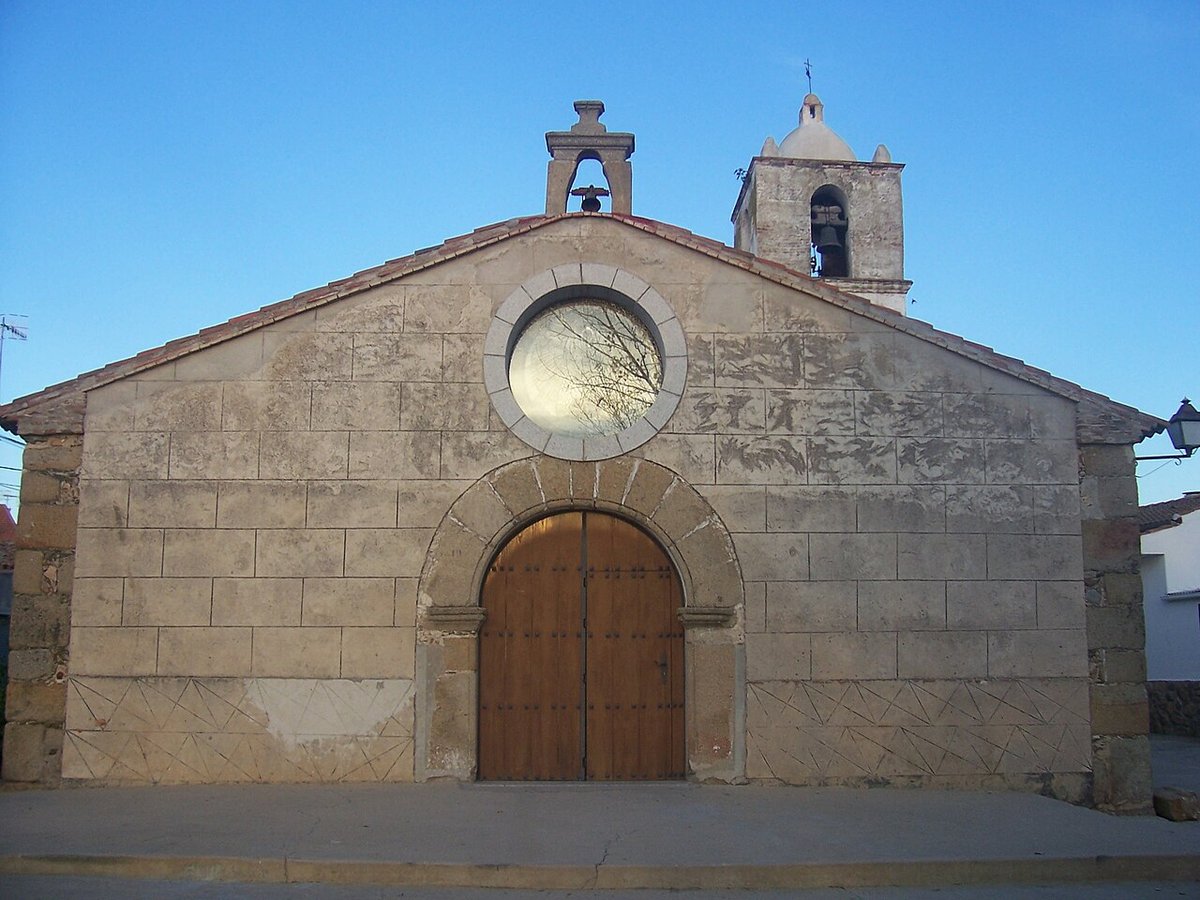
Dentro del círculo está la iglesia de Nuestra Señora de la Asunción. Tiene ese aire desordenado y sincero de los edificios que han ido creciendo a trozos: un poco románico por aquí, algo mudéjar por allá. No es enorme ni deslumbrante, pero tiene personalidad.
Cerca quedan los restos del antiguo palacio vinculado a la Casa de Alba. "Restos" es la palabra clave: son fragmentos de muro con hierba creciendo entre las piedras. No es una atracción en sí; es más bien ese rincón donde te paras cinco segundos e intentas imaginar cómo debía ser antes.
El centro histórico se recorre rápido, en una hora lo tienes visto. Calles estrechas, casas encaladas y puertas tras las que intuyes patios interiores sin llegar a verlos. No hay tiendas de souvenirs ni carteles con flechas para turistas. Es un pueblo vivo, punto.
Salir del círculo: los caminos del Alagón
Si solo te quedas dentro de las murallas te pierdes la mitad del asunto. La gracia está también en salir por cualquiera de las puertas y meterse por los caminos rurales que atraviesan la vega.
Son pistas de tierra llanas, ideales para andar o ir en bici sin sufrir cuestas épicas. Algunas se conectan con tramos del Camino Natural Vía de la Plata. Aquí no hay paisajes alpinos; hay tierras de labor, acequias, encinares dispersos y el rumor constante (o el silencio absoluto) del campo extremeño.
Esta parte ayuda a entender Galisteo: no es solo una fortificación, es un pueblo ligado a su tierra. Ver los campos alrededor explica los ritmos del lugar tanto como su historia.
Una parada breve (y sin complicaciones)
Vamos a ser claros: nadie necesita un día entero aquí.
La visita funciona así: llegas, das una vuelta completa (o media) por el exterior de la muralla para ver su escala real. Luego cruzas por alguna puerta como Arco o Santa María, paseas sin rumbo fijo hacia la iglesia y callejeas un rato. En dos o tres horas has captado la esencia.
Galisteo encaja mejor como parada en una ruta más amplia por el norte de Cáceres o desde Plasencia. Vienes, caminas, le haces unas fotos a esa muralla tan peculiar y sigues tu camino. Es una desviación sencilla que no te trastoca el plan del día.
Cuándo aparecer por allí
Primavera y otoño son probablemente los momentos más cómodos para pasear tanto el pueblo como los caminos aledaños. El campo está más activo y el calor no aprieta tanto.
En verano, el calor extremeno aquí es serio. Si vienes en julio o agosto hazlo a primera hora de la mañana o ya entrada la tarde; el mediodía puede ser bastante intenso para andar al sol.
El invierno lo vacía aún más y le da ese aire tranquilo —a veces gélido— típico de los pueblos pequeños de provincia. Si ha llovido recientemente algunas pistas pueden estar embarradas pero eso también tiene su punto.
Lo que realmente te llevas
Mucha gente llega esperando un recinto monumental grandilocuente y se encuentra con un pueblo normal rodeado por una muralla anormalmente completa.
Esa contradicción es justo lo interesante: no hay espectáculo montado ni ruta señalizada con estrellitas amarillas. Solo tú paseando junto a una estructura defensiva medieval mientras escuchas el runrún cotidiano del lugar —un tractor a lo lejos, unas voces en una calle—.
Para quien esté recorriendo Plasencia o explorando esa zona norteña de Cáceres merece mucho ese pequeño desvío porque no cuesta nada hacerlo pero sí añade algo distinto al viaje: esa imagen inesperada del círculo perfecto sobre la llanura