Full Article
about Guijo de Coria
Small village overlooking the sierra with farming tradition near Coria
Hide article Read full article
A Small Village That Reveals Itself Slowly
Some villages can be understood in five minutes. You park, walk a couple of streets and feel you have grasped the place. Guijo de Coria in Extremadura might seem like one of them, but there is a difference: the slower the walk, the more sense it makes.
There are no headline attractions and nothing designed to impress. It is simply a small village in the Vegas del Alagón, where daily life still follows a rhythm that feels older than most things around it. With fewer than two hundred residents, the atmosphere shifts noticeably compared with a town or city. The silence is not staged. It is just part of how things are here.
A Short Walk That Explains Everything
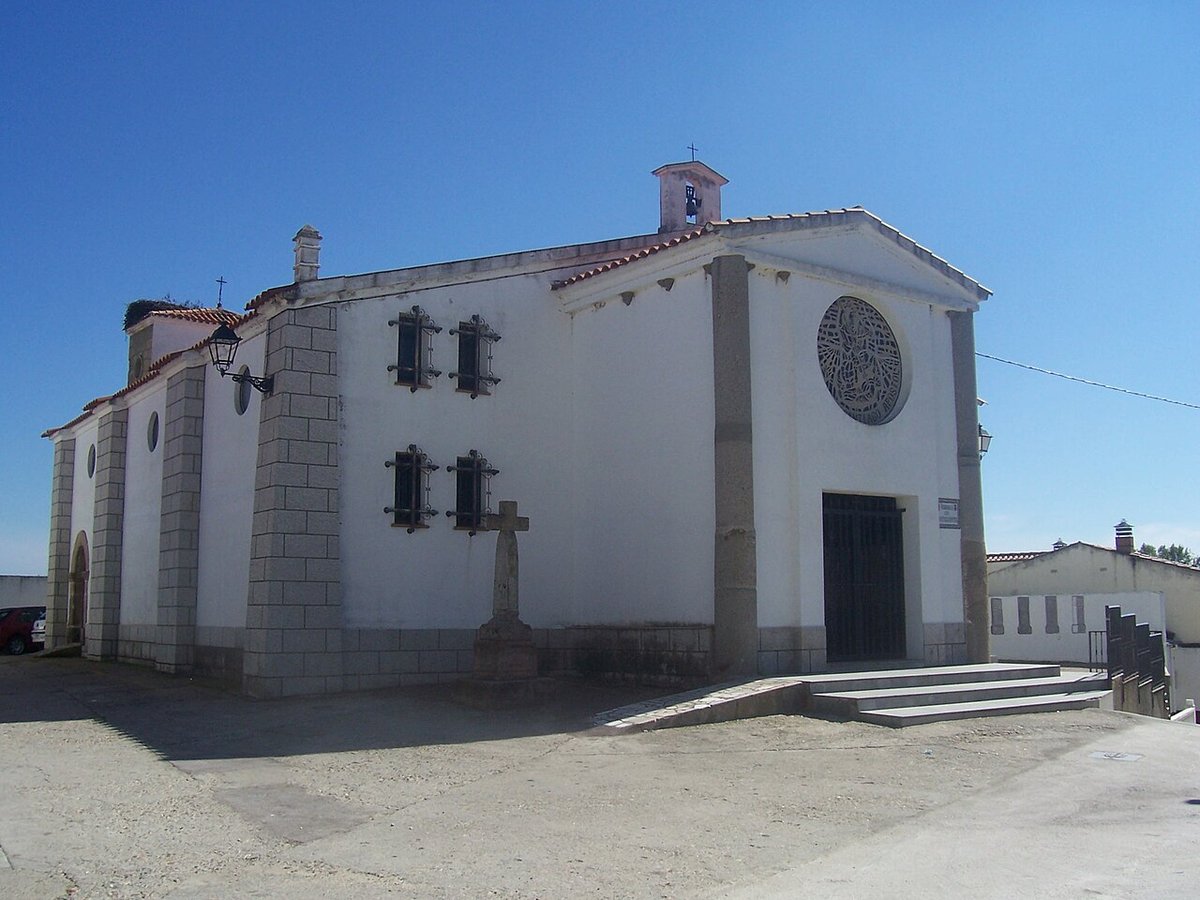
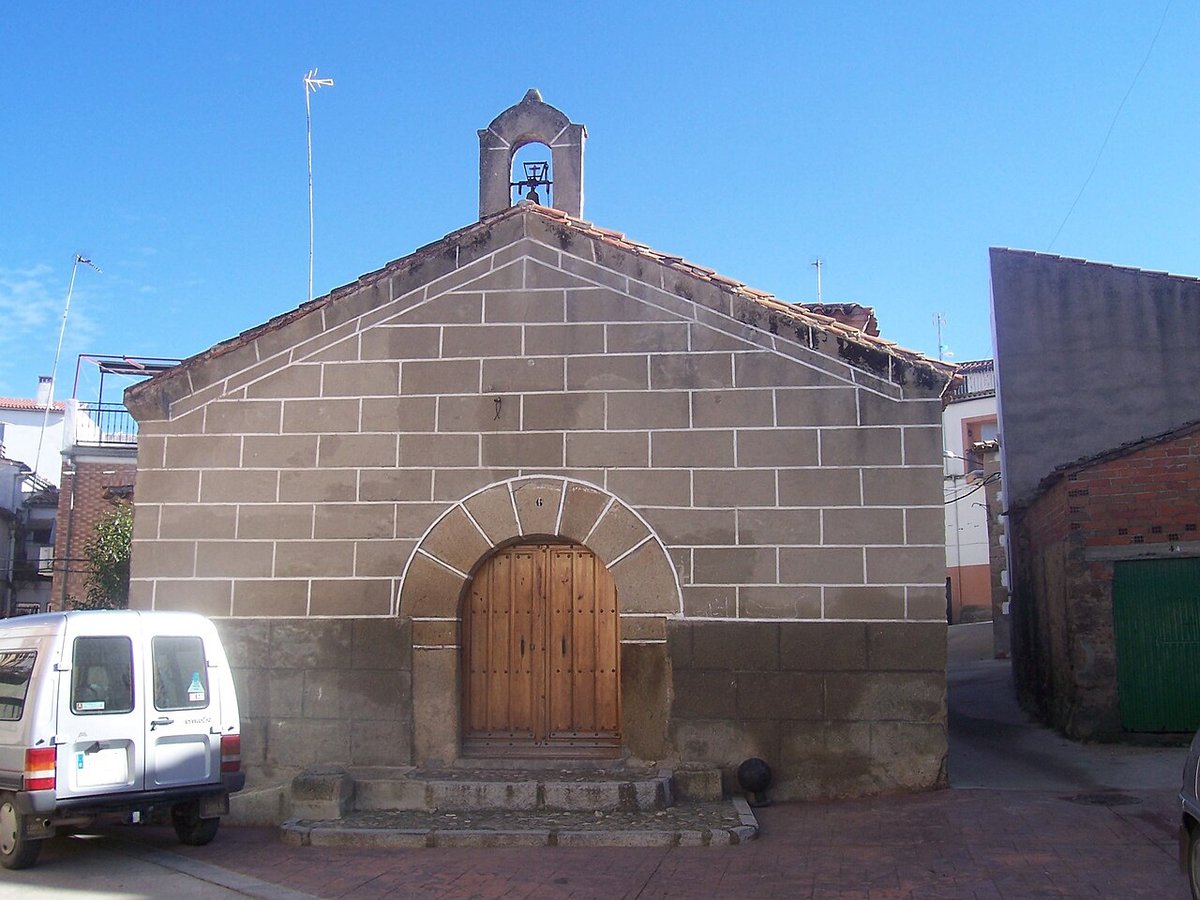
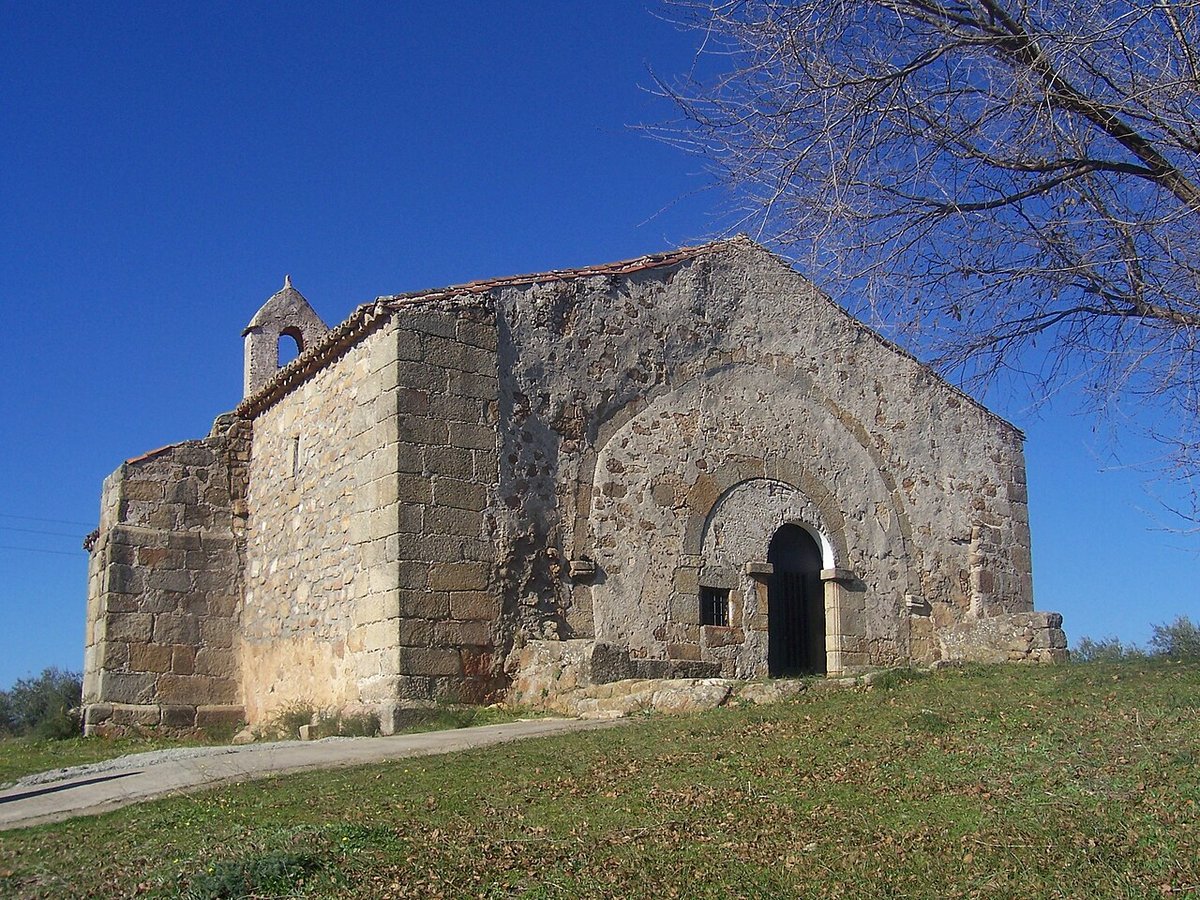
On arrival, the clear reference point is the church of Santa Ana. It is not the kind of church that forces you to crane your neck to take it in. The building is sober and built of stone, with the look of somewhere that has watched decades of winters and summers pass. At times the door stands open. Inside, everything is simple: an altar, old religious images and a deep quiet.
From there, the central streets spread out. They are straight and narrow, lined with low houses. Many are whitewashed, others reveal patches of mud brick or stone along their sides. Dark wooden doors, iron window grilles and interior courtyards that can only just be glimpsed from the street define the scene. Lean slightly and you might spot a lemon tree or a small vegetable patch inside.
This is not a historic quarter arranged for photographs at every corner. It is the kind of place built for living and working rather than appearing on postcards. The layout is practical, the scale modest, and the feeling unforced.
Walking these streets does not take long. In half an hour you can have a clear idea of the village. Begin around the square and the church, then follow whichever street draws your attention. The older houses and their hidden patios are easiest to spot here. After that, continue on foot towards the edge of the village, where the agricultural tracks begin and the built-up area gives way to open land.
The plan is straightforward: walk a little, look at the landscape and listen. In a place this small, the quiet becomes part of the experience.
The Landscape of the Alagón
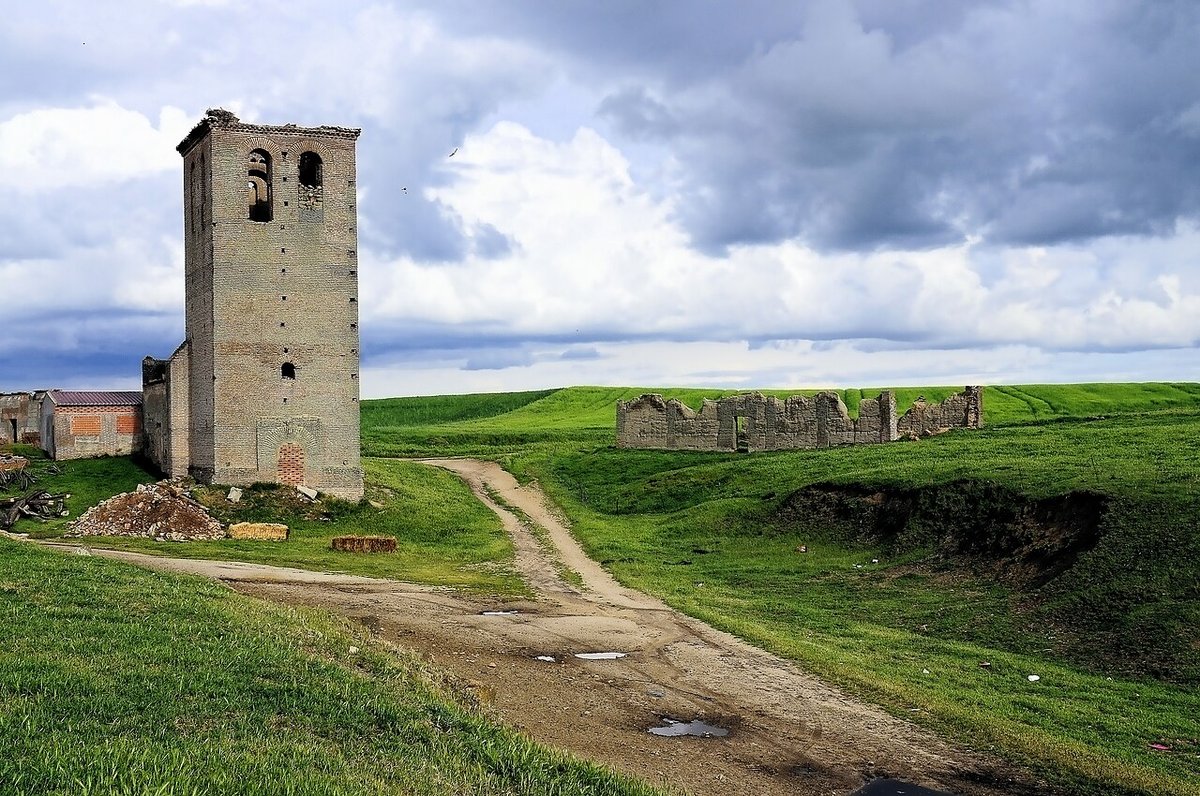
Step just beyond the last houses and the landscape takes over. Guijo de Coria sits within the agricultural plain typical of the Alagón area. Fields stretch out in neat parcels. Olive groves appear here and there. Dirt tracks, used mainly by tractors, cut across the land, and an agricultural building may stand in the distance.
If walking without a fixed destination appeals, these tracks work well. They are not marked hiking routes or signposted trails. They are working paths, used daily. That is precisely their interest. It is possible to come across someone repairing a fence, moving livestock or checking irrigation. The sense of a living rural economy remains visible.
And then there are the storks. In this part of Extremadura it is common to see them perched on towers, posts or any high structure available. Their nests often dominate the skyline, adding a familiar silhouette to church towers and utility poles alike.
The landscape here does not try to compete with dramatic mountain scenery. Its appeal lies in its openness and in the way farming still shapes what you see. The changing seasons alter the colours of the fields, and the agricultural character becomes more or less pronounced depending on the time of year.
Traditions That Continue
In villages of this size, celebrations remain closely tied to the residents. Semana Santa, or Holy Week, is marked with processions that pass through the central streets. The religious floats, known as pasos, are simple. The atmosphere is quiet and restrained rather than grand. It is not a mass event, but it continues year after year.
In winter, conversation still turns to the matanza, the traditional pig slaughter carried out by families. Several households may come together to prepare cured meats and sausages. For a few days, the village smells of paprika and wood smoke. The matanza is both practical and social, a way of producing food while reinforcing ties between neighbours.
When the warmer weather arrives, local festivities are usually held around the square. There is music, dancing and homemade food. The scale is modest, the setting familiar. It is less about spectacle and more about gathering.
These traditions are not presented as attractions. They form part of everyday life and follow a calendar that feels rooted in long-standing habits.
When to Visit
Spring is often a good time to come. The surrounding countryside turns green and the agricultural tracks are easier to walk. Autumn brings a change in tones, and the farming landscape becomes more pronounced in its colours and textures.
Summer can be intense here, especially during certain hours of the day when the heat presses down on the plain. Winter depends greatly on the wind and whether the sky is clear. Even on colder days, however, the village retains that deep quiet that many people no longer find elsewhere.
Guijo de Coria is not a place to visit in search of a list of activities. It suits those curious to see what a small village in this part of Extremadura looks like, and how it feels to move at a slower pace for a while. Walk the streets around Santa Ana, follow a dirt track into the fields of the Alagón plain, watch the storks overhead and let the silence settle. In a short time, the character of the place becomes clear.