Full Article
about Holguera
Municipality on the Alagón plains with farming tradition and local festivals
Hide article Read full article
A village that moves at its own pace
Early in the morning, as the sun begins to lift the mist from the vegas of the Alagón, Holguera comes into view almost motionless. Whitewashed façades reflect a clear light, and the streets are still half empty. A car passes slowly, a door opens onto an interior courtyard, and little else disturbs the calm. This small municipality in the Vegas del Alagón, in Extremadura, follows a rhythm that feels closer to the countryside than to any tourist route.
There are no dominant landmarks shaping the skyline. Holguera works differently, through small details that build up over time. A dog barking behind a wall, the smell of firewood in winter, rows of plant pots set neatly along a low window. The atmosphere is understated, but it leaves a clear impression of everyday life unfolding without hurry.
The centre and its church
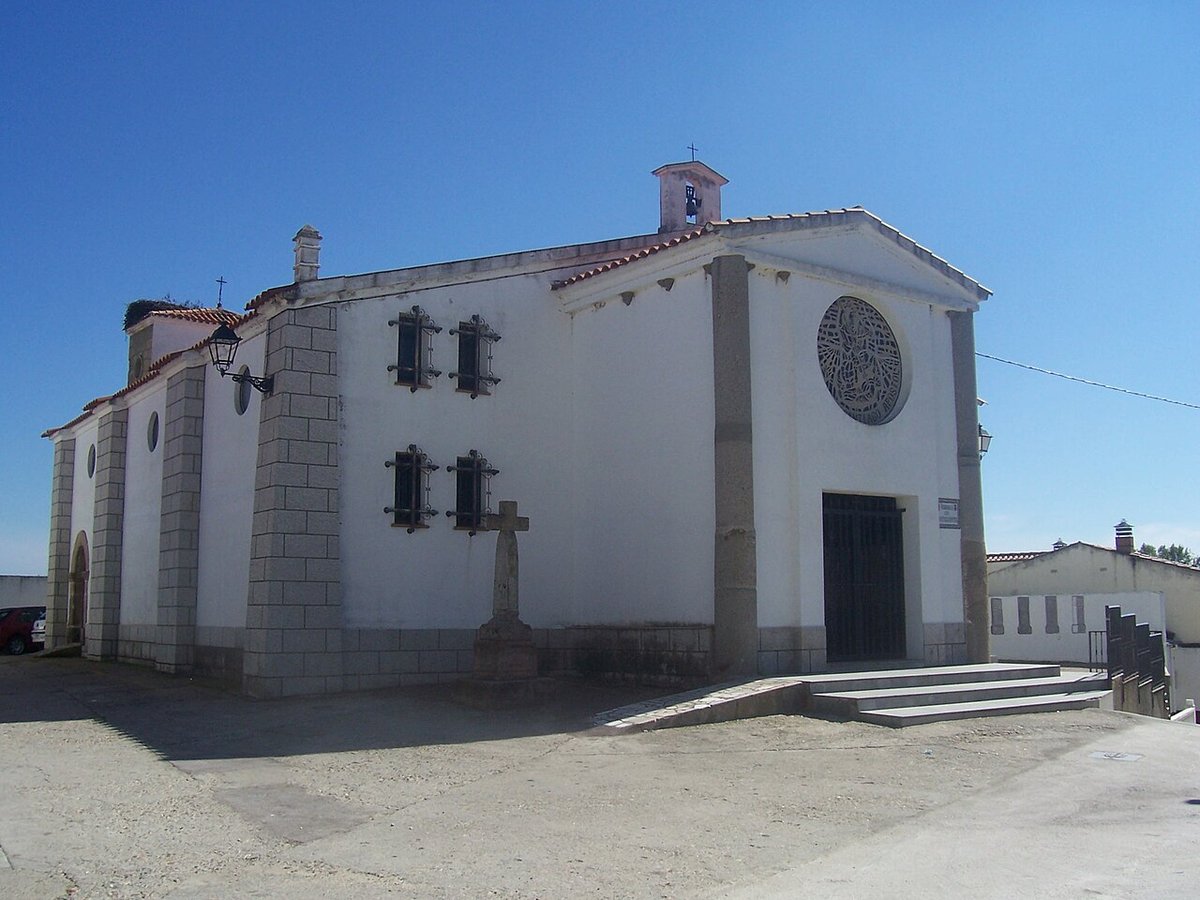
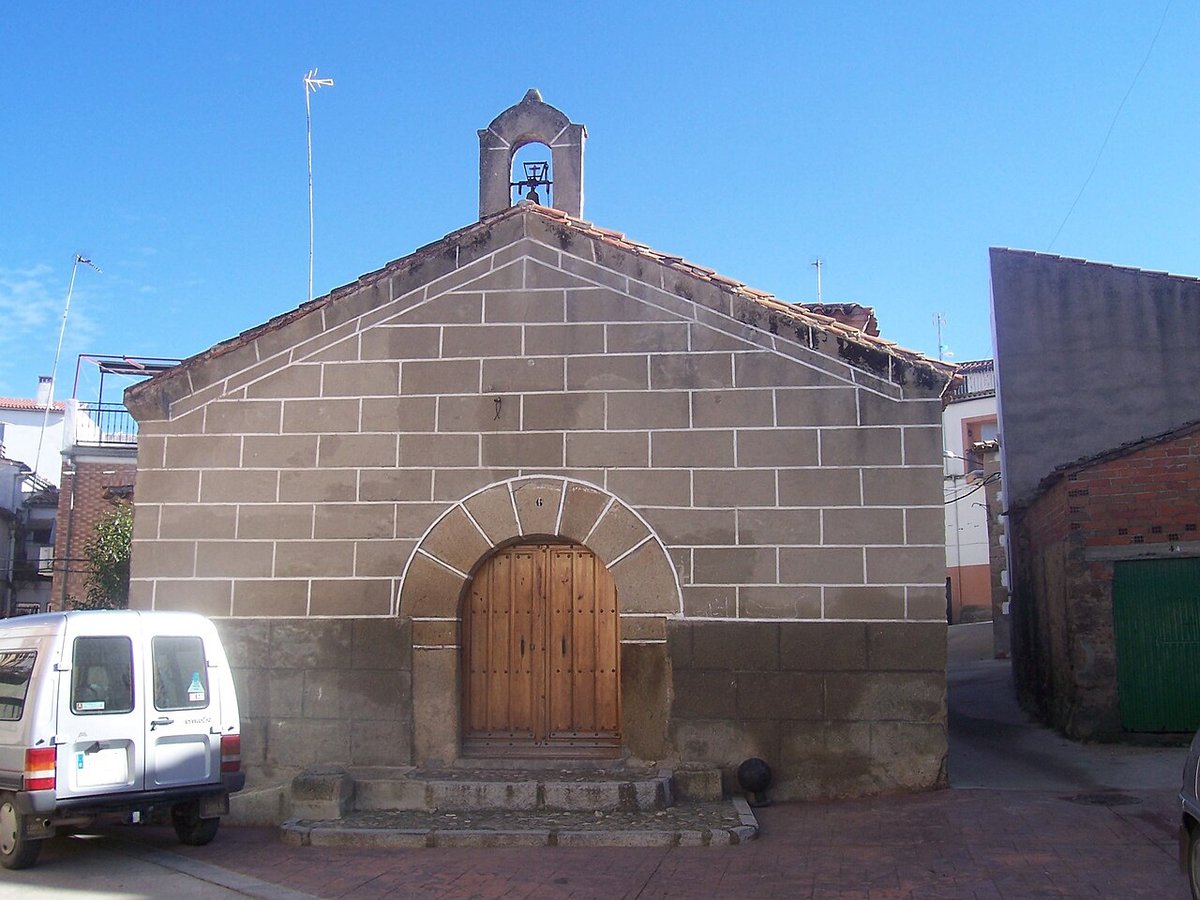
The parish church appears without much ceremony among the houses. It has pale stone, a simple tower, and a square where the sound of the bell still structures part of the day. Around it, the houses follow the practical style typical of villages in this part of Extremadura. Most rise one or two storeys, with thick walls and large gates that open into yards or patios. These inner spaces often hold shade, even in the height of summer.
A walk without any fixed route soon leads through streets that shift between paved and unpaved. Some stretches of asphalt become uneven, blending into the rural character of the place. Tractors parked beside small cars are a common sight, as are trailers ready to head out to the fields. Nothing feels arranged for visitors, yet everything is clearly in use.
The old washhouse and the pull of the Alagón
The former public washhouse, now restored, remains one of the places that quietly explains how daily life once worked here. Under its roof, the sound of water echoes softly. For decades, this was where conversations unfolded alongside routine tasks, and that sense of repetition still lingers in the space.
A short distance from the centre, the landscape opens quickly. Agricultural plots define the terrain, stretching outwards in ordered sections. Beyond them, the presence of the river Alagón becomes apparent through thicker vegetation and a deeper green tone in the distance. As the heat eases towards evening, movement picks up along the water. Herons can often be seen lifting off from the banks, while the flash of a kingfisher cuts across the air in a streak of blue.
Paths through the nearby dehesa
The routes that leave the village are not always signposted, but they form part of the everyday use of the countryside. These are agricultural tracks and footpaths that pass through scattered holm oaks and cultivated land. Walking here is straightforward and unadorned. In summer, the sound of cicadas fills the air. Autumn brings the dry crackle of leaves underfoot. At any time of year, wind moves through the higher branches.
Birdlife tends to gather along the edges of fields and near water. With a bit of patience and a pair of binoculars, it is possible to spot kestrels, harriers or herons moving across the area. The setting encourages quiet observation rather than long itineraries.
Practicalities matter in small ways. Closed shoes are advisable, as some paths become dusty in summer and muddy when it rains. Conditions change quickly depending on the season, and the terrain reflects that.
Food shaped by the land
What people eat in Holguera has more to do with what the land provides than with elaborate menus. Olive oil is a staple, alongside cured products from Iberian pork, matured cheeses, and stews that call for bread on the side. The cooking reflects a rural pantry, built around ingredients that are familiar and available.
When autumn arrives with rain, many locals head out to nearby woodland to look for wild mushrooms such as níscalos or cardo. This is a well-established custom in the area. It comes with an understanding of the land, and also with the need for care, especially when it comes to respecting private property.
Festivities tied to the agricultural year
Celebrations in Holguera retain a close, local character. In August, the village marks the festivity dedicated to the Virgen del Rosario. Processions pass through the streets, and gatherings in the square bring together much of the population, including those who return for these days from elsewhere.
Semana Santa, or Holy Week, is observed in a more subdued way. The processions are modest, with participation largely from within the village itself. The tone is quieter, reflecting a different side of community life.
As summer begins to fade, agricultural work comes back into focus. Cereals, and the grape harvest depending on the year, shape conversations and daily routines. The calendar here follows the land closely, and the changes in season are felt in both work and social life.
Getting there and the best moments to visit
Holguera lies less than an hour by car from Cáceres and relatively close to Plasencia. The usual route follows the N-630 towards Montehermoso, from where local roads lead to the village.
Spring and autumn tend to be the most comfortable times for walking in the surrounding area. Summer brings intense heat at midday, so it makes sense to head out early or wait until evening. Anyone planning to spend several hours outdoors should carry water and something to eat. Services in the village are limited, and opening times can vary.
Holguera does not demand much from its visitors. A handful of quiet streets, open countryside, and the wide silence of the vegas as evening settles are enough. Sitting for a while in the square and letting the village continue at its own pace often says more than any itinerary.