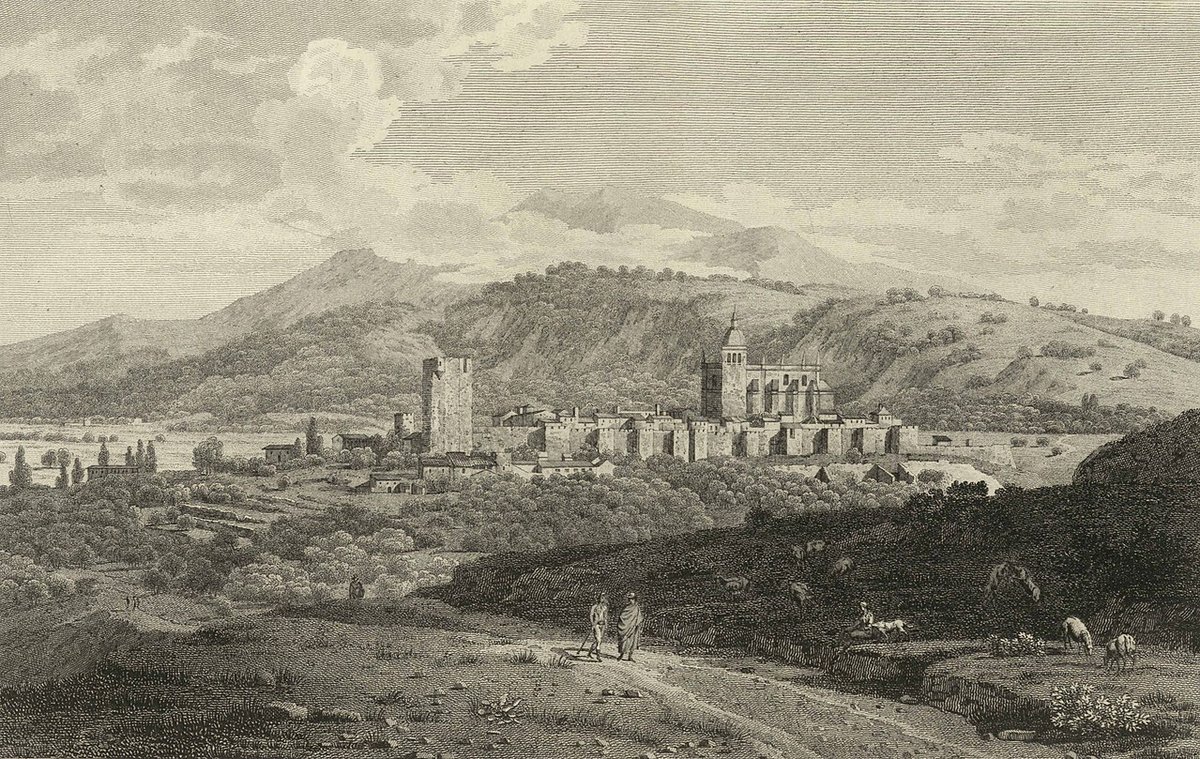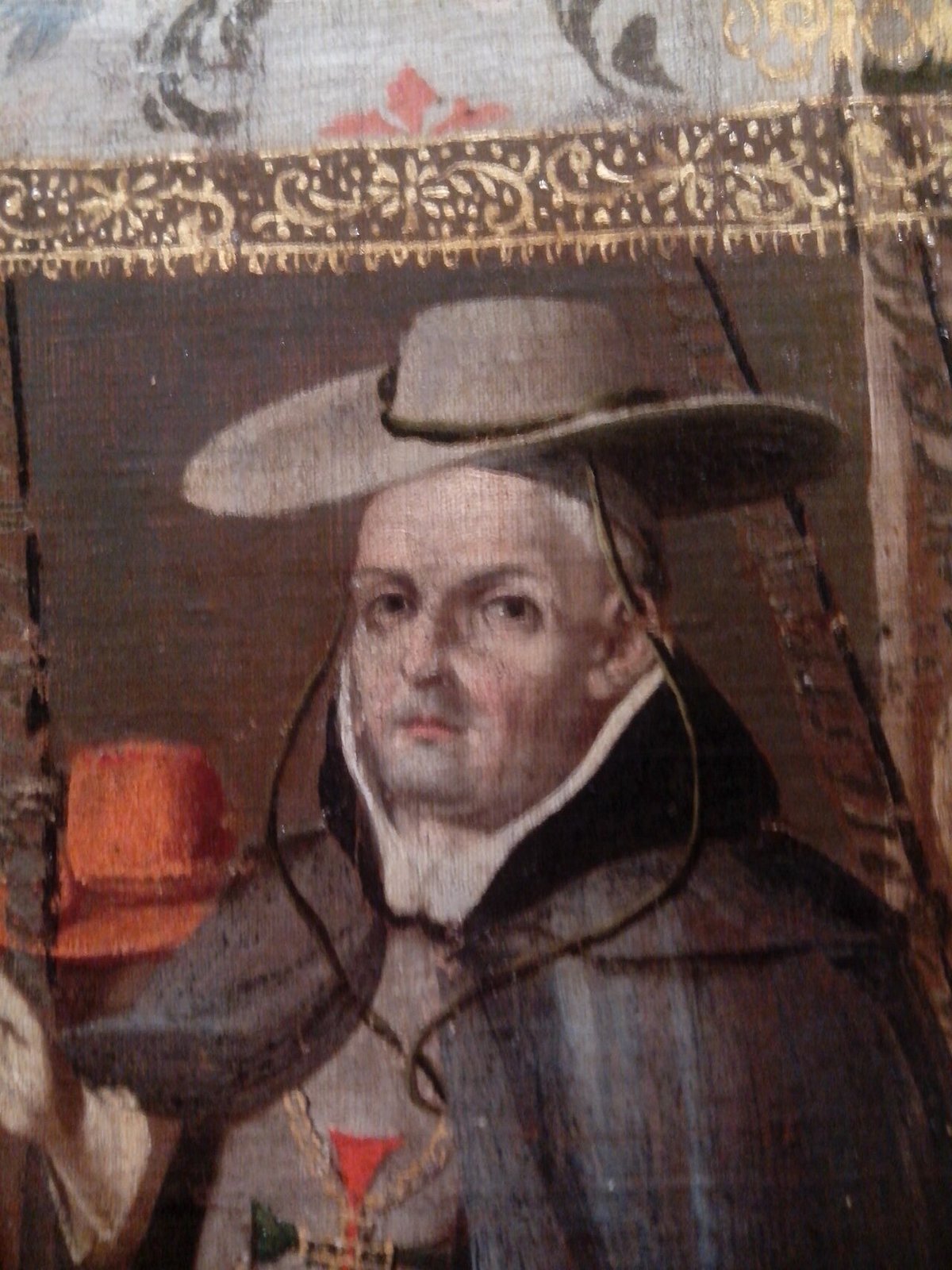
Entrada Virrey Arzobispo Morcillo (detail) 2.jpg
Melchor Pérez de Holguín · Public domain
Extremadura · Meadows & Conquerors

Morcillo

Three hundred souls, give or take, live in Morcillo. That's fewer people than you'll find queuing for coffee at a London station on Monday morning....

378 inhabitants · INE 2025
278m Altitude

Why Visit

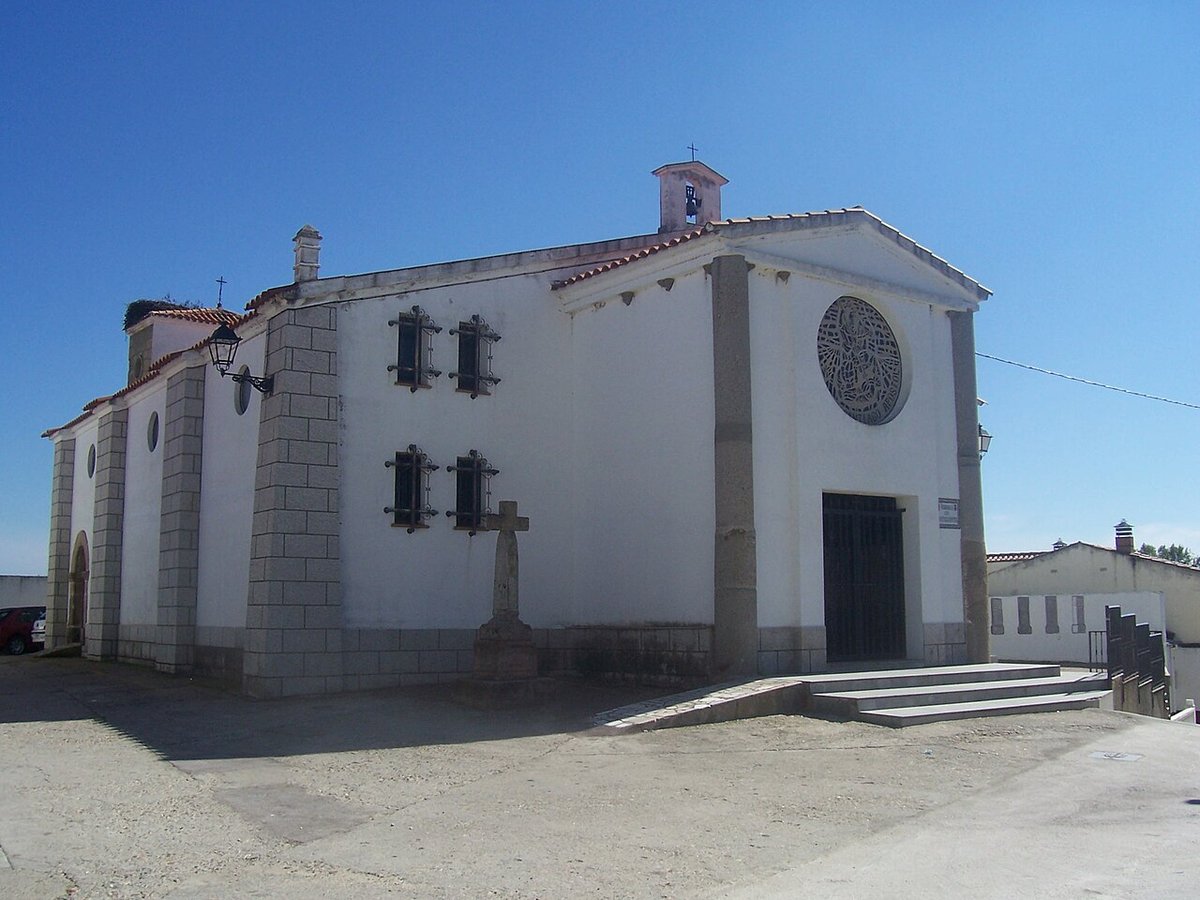
San Andrés Church Walks

Best Time to Visit

summer

San Andrés Festival (November) agosto

Things to See & Do
in Morcillo

Heritage

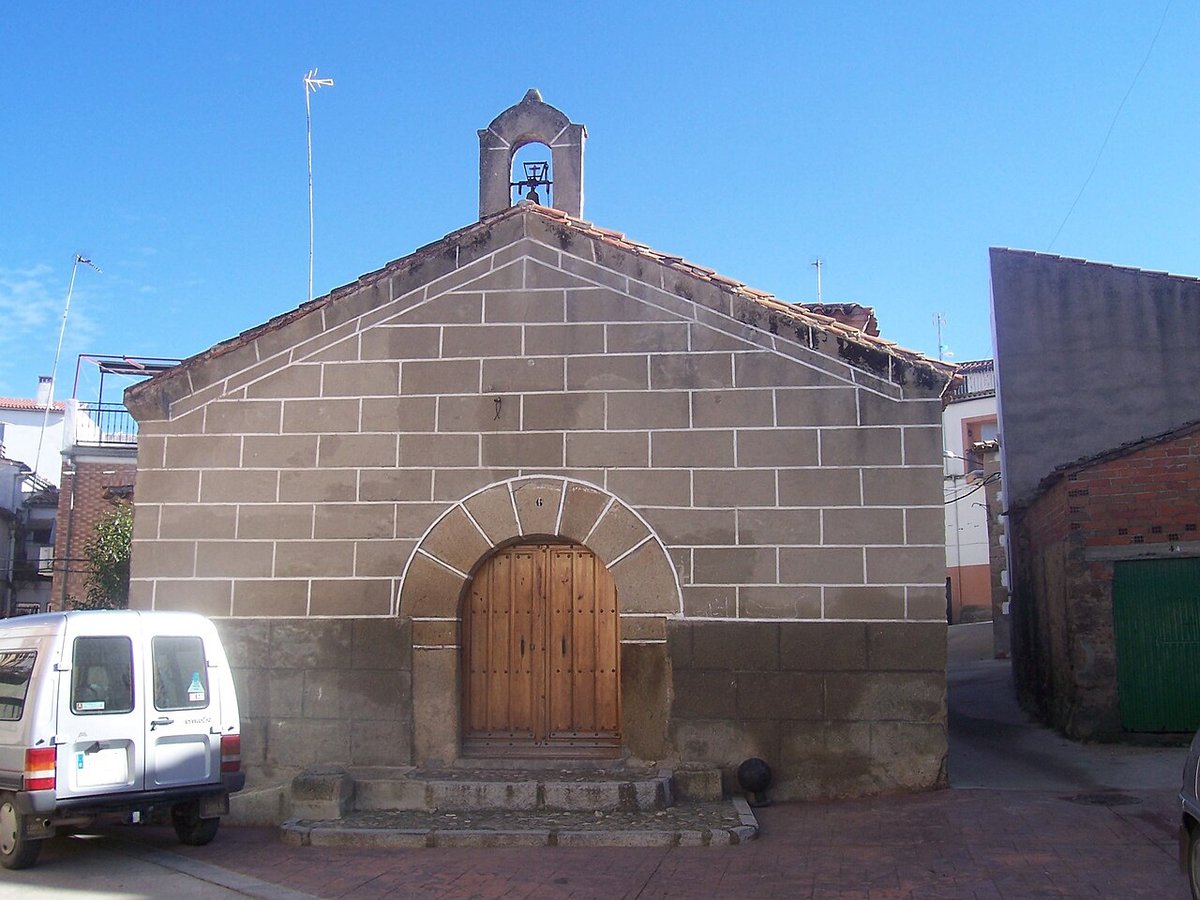
  • San Andrés Church
  • orchards

Activities

  • Walks
  • Fishing

Festivals
& & Traditions

Fecha agosto

Fiestas de San Andrés (noviembre)

Las fiestas locales son el momento perfecto para vivir la autenticidad de Morcillo.

Full Article
about Morcillo

Small riverside town near Coria

Ocultar artículo Leer artículo completo

The Village That Refuses to Rush

Three hundred souls, give or take, live in Morcillo. That's fewer people than you'll find queuing for coffee at a London station on Monday morning. Yet this speck on the Vegas del Alagón has managed something increasingly rare: it's stayed exactly what it is. No boutique hotels occupying crumbling mansions. No tour buses wheezing up narrow lanes. Just white-washed walls, a church bell that still calls people to mass, and fields that stretch until they meet the sky.

The Alagón River meanders past like an elderly relative who knows all the local gossip but speaks only when necessary. Its waters have shaped this landscape for centuries, creating fertile plains where farmers grow everything from tomatoes to tobacco. The river's presence explains why Morcillo exists at all—water in Extremadura has always meant life, and life here follows agricultural rhythms that predate the Romans.

What Passes for a Centre

You could walk from one end of Morcillo to the other in the time it takes to drink a proper cup of tea, though you'd be missing the point entirely. The village unfolds at walking pace, revealing itself slowly like a book best read without skipping pages. The parish church dominates the modest skyline—no architectural marvel, but solid and reassuring, the kind of building that has witnessed countless baptisms, weddings, and funerals without making a fuss about any of them.

Peer through half-open gates into interior patios where geraniums spill from terracotta pots. Notice the details: ironwork simple enough to have been forged in the local smithy, stone thresholds worn smooth by generations of feet, the occasional coat of arms hinting at families who once held more influence than their modest houses now suggest. These aren't museum pieces maintained for visitors. They're working homes where washing still hangs from balconies and voices carry from kitchen to street.

The architecture speaks of practicality over grandeur. Thick walls keep interiors cool during summers that regularly touch forty degrees. Small windows face north when possible, offering respite from the unforgiving sun. It's building designed by people who understood their climate and weren't trying to impress anyone from Madrid.

Beyond the Last House

Morcillo proper ends where the dehesa begins. This ancient agroforestry system creates a landscape unique to western Spain: open woodland of holm and cork oaks scattered across grassland where black Iberian pigs root for acorns. The dehesa isn't wilderness—it's a carefully managed ecosystem that produces everything from cork to chorizo, maintained by farmers whose families have worked these same acres for centuries.

Walking tracks strike out from the village in several directions, though calling them tracks might be generous. They're farm roads really, used by tractors rather than tour groups. Head southwest and you'll reach the Alagón itself, where grey herons stand motionless in shallow water and kingfishers flash electric blue between overhanging branches. Walk northeast and you'll pass through cultivation—irrigated plots where the earth is dark and fertile, supporting crops that change with the season: tomatoes heavy on the vine, peppers turning from green to red, melons that smell of summer itself.

Spring brings wildflowers in abandon. The dehesa floor becomes a carpet of colour: purple lavender, yellow broom, white asphodels that the locals call "flechillas"—little arrows. Autumn offers a different palette entirely, when the encina oaks drop their acorns and the air smells of woodsmoke and fermenting grapes. Summer demands respect. Start early or wait for evening, carry water, and understand that shade is a luxury the open country doesn't always provide.

Food Without Fanfare

There's no restaurant in Morcillo. No café with a chalkboard menu featuring deconstructed gazpacho. Eating here means either bringing your own supplies or knowing someone local willing to share. The village's isolation has preserved food traditions that urban Spain has largely abandoned. When families slaughter their pig each winter—la matanza—every part finds purpose. Blood becomes morcilla sausage. Fat renders into manteca for cooking. Hams cure in attics where summer heat and winter cold create flavour that money can't buy quickly.

Summer gardens overflow with tomatoes that actually taste of tomato, peppers sweet enough to eat raw, and cucumbers that still hold morning dew. The local lamb, raised on dehesa grasses, appears in stews flavoured with nothing more than garlic, bay, and time. Pastry-making remains a domestic art, prepared for festivals rather than profit. Try the "pestiños" at Easter—fried pastries glazed with honey that trace their origins to Moorish Spain, or "hornazos" in spring, bread stuffed with hard-boiled eggs and chorizo that shepherds once carried as portable meals.

When the Village Comes Alive

Fiestas patronales in August transform Morcillo completely. The population swells as former residents return—children who left for Madrid or Barcelona, grandchildren visiting grandparents, all drawn back by obligation and affection. The church square fills with tables where neighbours share botanas—small plates of local ham and cheese—while wine flows freely and conversations overlap in the way they only can in small communities where everyone knows everyone's business.

Music appears from nowhere: a brass band that seems to have materialised fully formed, playing pasodobles that echo off stone walls. Children run wild in packs, released from urban constraints, while elderly women sit in plastic chairs observing everything with the satisfaction of people who never felt the need to leave. It's not organised entertainment but something more authentic: a village celebrating itself, indifferent to whether outsiders understand or approve.

Winter brings different rituals. The matanza happens in January when cold weather makes meat preservation possible. What was once necessity has become tradition, though one increasingly rare as EU regulations make home slaughter technically illegal. Families persist anyway, maintaining practices their grandparents would recognise instantly. The resulting products—chorizo, salchichón, lomo—feed families through the year and provide gifts that carry more meaning than anything purchased in a city supermarket.

The Honest Truth

Morcillo won't change your life. There's no epiphany waiting at the village fountain, no Instagram moment that'll make your followers weep with envy. What you'll find instead is something increasingly precious: a place that makes no concessions to tourism because tourism was never part of the plan. Come for a morning, walk the fields, observe the rhythm of lives lived in deliberate proximity to the land. Stay longer and you might find yourself measuring time differently—not in meetings and deadlines but in seasons and harvests, in the slow turning of agricultural years that have structured existence here since records began.

Access requires commitment. The nearest railway station is twenty-five kilometres away in Plasencia, itself a three-hour journey from Madrid. Buses exist but follow schedules designed for locals, not visitors. A car becomes essential, preferably one that doesn't mind the occasional scratch from encroaching vegetation on narrow country lanes. Mobile phone coverage remains patchy, data connections slower than you'll remember from the early internet days. These aren't oversights but reality—modern conveniences that never quite reached places content with their own pace.

Come prepared. Bring walking boots that can handle mud after rain. Pack water and snacks since shops keep Spanish hours and might be closed when hunger strikes. Learn enough Spanish to say "buenos días" because greetings matter here, and "gracias" because gratitude crosses all cultural boundaries. Most importantly, arrive without expectations. Morcillo offers something different from the Spain of guidebooks and travel shows—a working village where visitors are welcome but not essential, where life continues whether you arrive or not, where the greatest luxury is time itself, measured not in efficiency but in seasons that turn as reliably as the river that made this place possible.

Key Facts

Region
Extremadura
District
Vegas del Alagón
INE Code
10129
Coast
No
Mountain
No
Season
summer

Livability & Services

Key data for living or remote work

2024
Connectivity5G available
HealthcareHospital 12 km away
EducationElementary school
Housing~5€/m² rent · Affordable
CoastBeach nearby
Sources: INE, CNMC, Ministry of Health, AEMET

Planning Your Visit?

Discover more villages in the Vegas del Alagón.

View full region →

More villages in Vegas del Alagón

Traveler Reviews