Full Article
about Portaje
Known for its reservoir and the pilgrimage to the Virgen del Casar
Hide article Read full article
A place you reach by chance
Portaje is the kind of place you find because your GPS suggested avoiding traffic on the main road, or because you saw a small sign and thought, "Let's see what's there." It’s in the Vegas del Alagón, in the south-west of Cáceres province. You know the type of village: you park up, walk fifty metres, and you’ve pretty much got the whole picture.
Quiet streets, whitewashed houses, and that feeling that life here runs on a different clock. There’s no tourist office, no brown signs pointing to a 'mirador'. It just is.
The church and the rhythm of the week
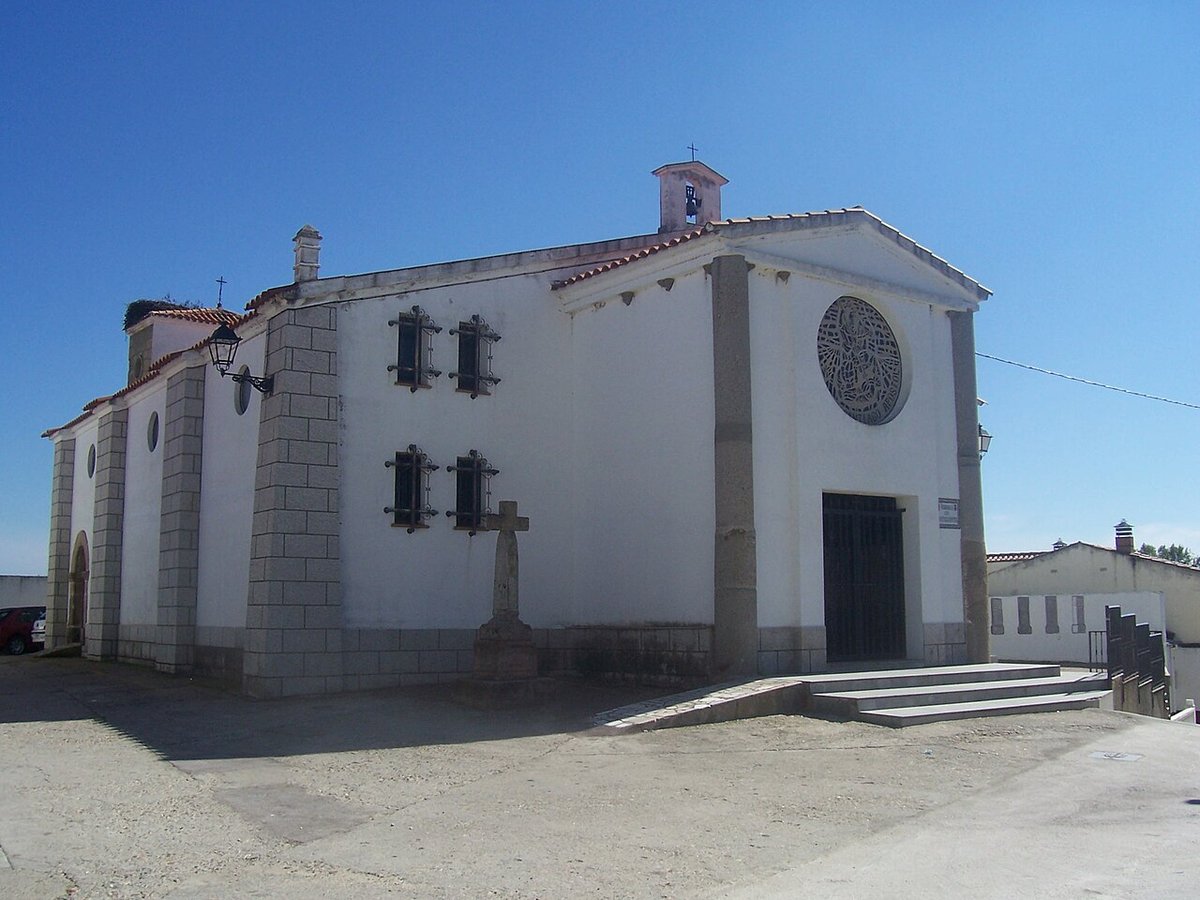
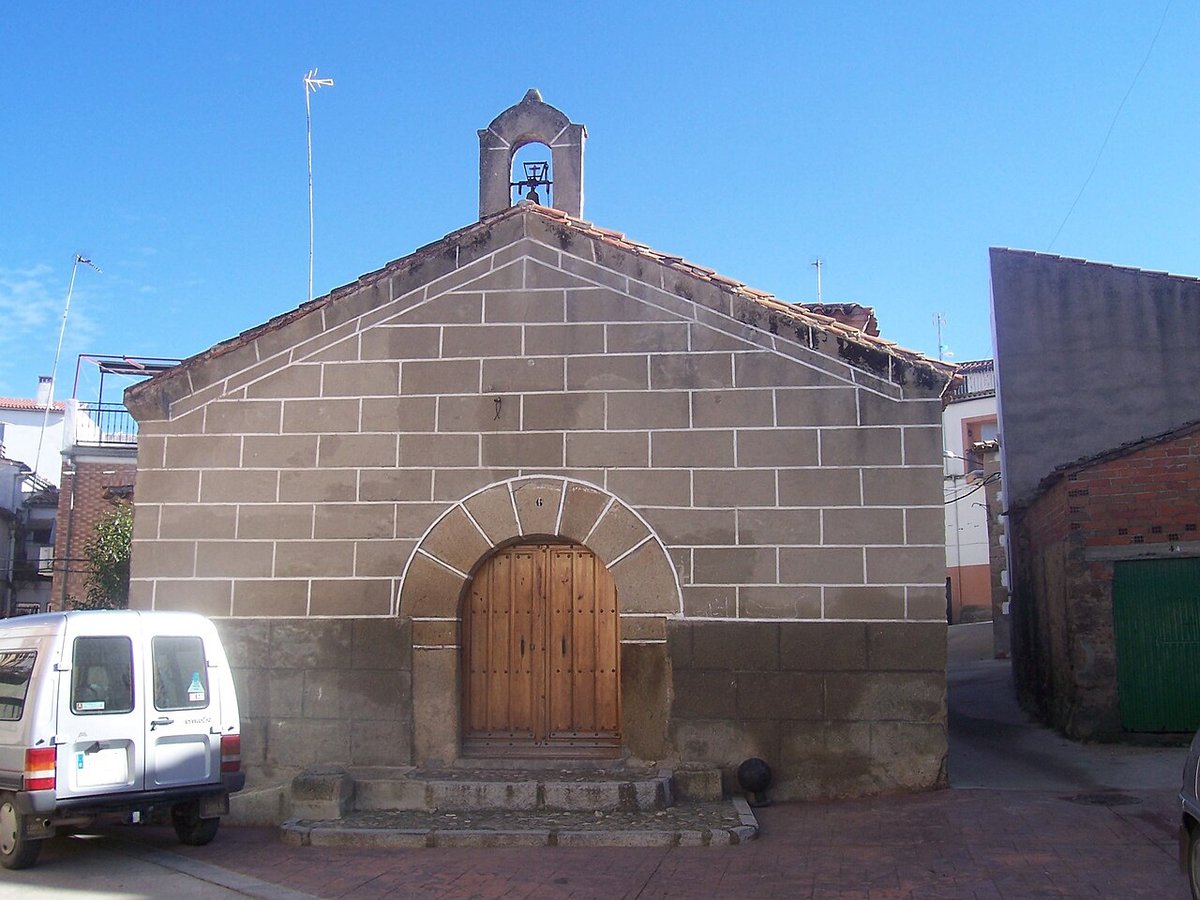
The church of San Pedro sits in the middle. It’s not a cathedral. It’s the sort of village church where you can hear the echo of your own footsteps on the tiles. The important dates are marked here – baptisms, weddings, funerals – and you get the sense not much has changed in how that works.
If your visit lines up with the fiestas for San Pedro at the end of June, you’ll catch a different vibe. The square fills up, there’s music from a portable speaker, and people who’ve moved away come back. It feels like a family party you’ve accidentally wandered into.
A twenty-minute walk tells you everything
You can walk every street in Portaje in less time than it takes to watch an episode of something on Netflix. Start at the small square where the benches are – that’s where any daytime action is – and head down Santa Ana or Las Eras.
The architecture is textbook for this part of Extremadura: white walls, heavy wooden doors with paint peeling off in curls, and rejas on the windows. Some houses still have their corrals out back. Don’t be surprised if you hear chickens or see a hoe leaning against a wall; this isn't a museum set.
You're not looking for grand monuments. You're looking at how a door handle has been worn smooth, or how a wall has been patched five different times with five different materials. The history here is in the stuff that's still being used.
The fields right outside town
Walk five minutes past the last house and you're in open country. This is dehesa and farmland – holm oaks, cork oaks sometimes, and dirt tracks that farmers use to get to their plots.
There are no marked hiking trails. You just follow a track until you feel like turning back. Look up: storks love the electricity poles here. In spring, the fields are green and full of birdsong; by late summer, it's all golden and crackly underfoot.
This landscape isn't decorative. You'll see tractors kicking up dust, sheep penned in an enclosure, maybe someone tending their vegetable patch. It's functional. That's what makes it interesting.
Life with 379 neighbours
With fewer than four hundred people, everyone knows everyone else's business. Midday might be dead quiet except for a TV murmuring behind an open window. The pace isn't just slow; it's deliberate.
Food here isn't a 'gastronomy offer'. It's what people eat. Migas when it's cold, embutidos from the matanza they did last winter, rosquillas made for Easter. If you're around during a celebration or know someone who knows someone, you might get to try it. Otherwise, it just happens in kitchens, out of sight.
How to do a stop in Portaje
Don't plan a day trip here. Plan a break on a longer drive.
Park by the square (it's never full). Walk through every street—it'll take twenty minutes—then pick one of those farm tracks and stroll out for fifteen minutes until the village looks small behind you. An hour total is enough.
It forces you to slow down. You notice the smell of dry earth and rosemary, or how loud a bee sounds when there's no other noise. That's the entire experience.
When it makes sense to come
Spring and autumn are your best bets if you want to walk around outside without melting or freezing. The light is softer, and colours in the fields actually change.
Come summer? The heat from about 11am onwards is serious business – this is inland Extremadura after all. Winter has its own stark beauty, but some days are so quiet they feel almost abstracted from time itself.
Portaje isn't waiting for you. It doesn't need your visit. But if you take that random turn off the EX-117, it'll be there doing its own thing, which is somehow exactly what you need to see sometimes