Full Article
about Portezuelo
Town dominated by a castle on the hilltop overlooking the valley
Hide article Read full article
Portezuelo: un pueblo de la dehesa
Portezuelo es uno de esos núcleos de la comarca de las Vegas del Alagón cuya razón de ser ha sido siempre la tierra. Con menos de doscientos habitantes, su trazado compacto y sus casas de mampostería, cal y teja árabe no pretenden ser otra cosa. Se entiende en cuanto se llega: calles cortas, sin pretensiones monumentales, que se recorren en diez minutos. El interés está en ver cómo se organiza la vida en torno a la agricultura y la dehesa.
Las calles son breves y ligeramente irregulares. Muchas viviendas conservan portones de madera, patios interiores y muros gruesos, pensados para el calor del verano y el frío del invierno. No hay plazas mayores ni edificios señoriales. Todo tiene un carácter doméstico, ligado a los ciclos del campo.
La iglesia de San Bartolomé y el tejido urbano
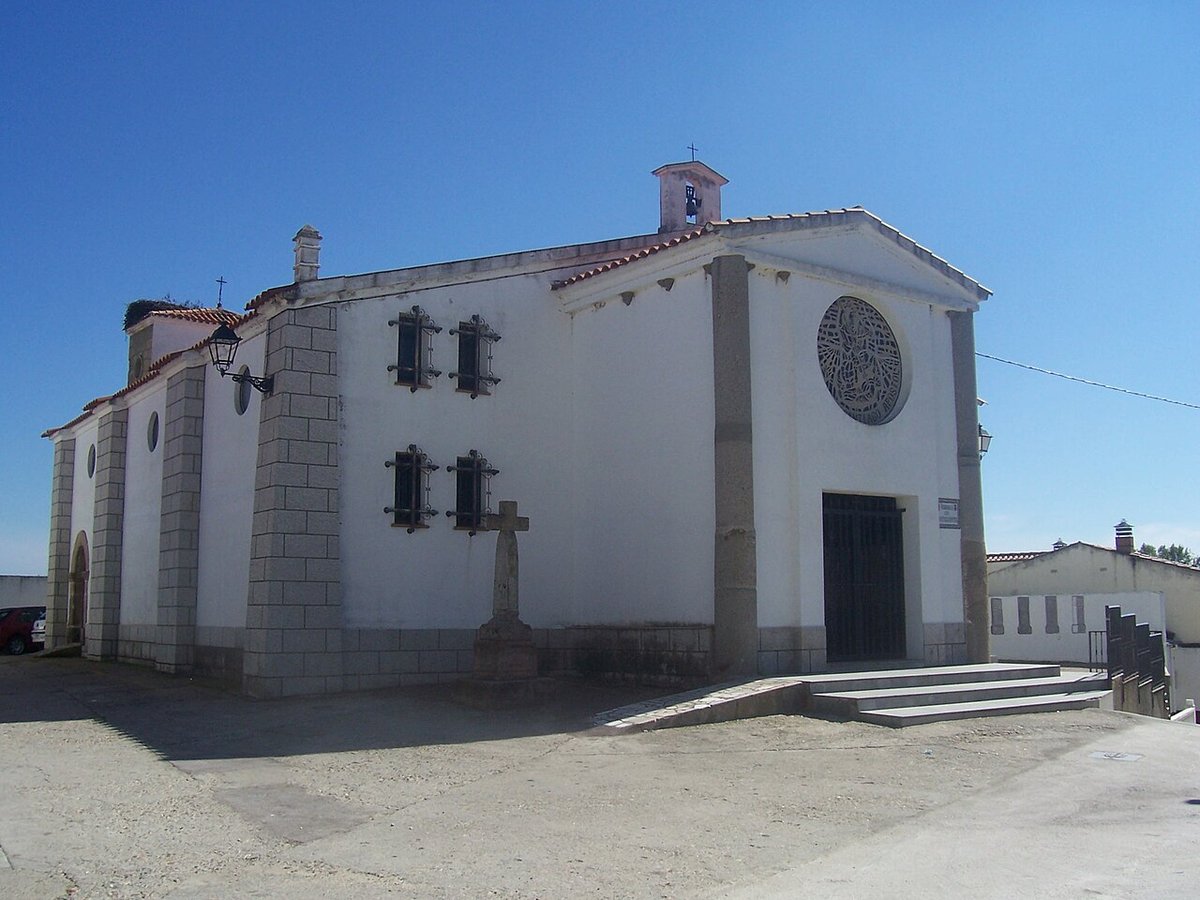
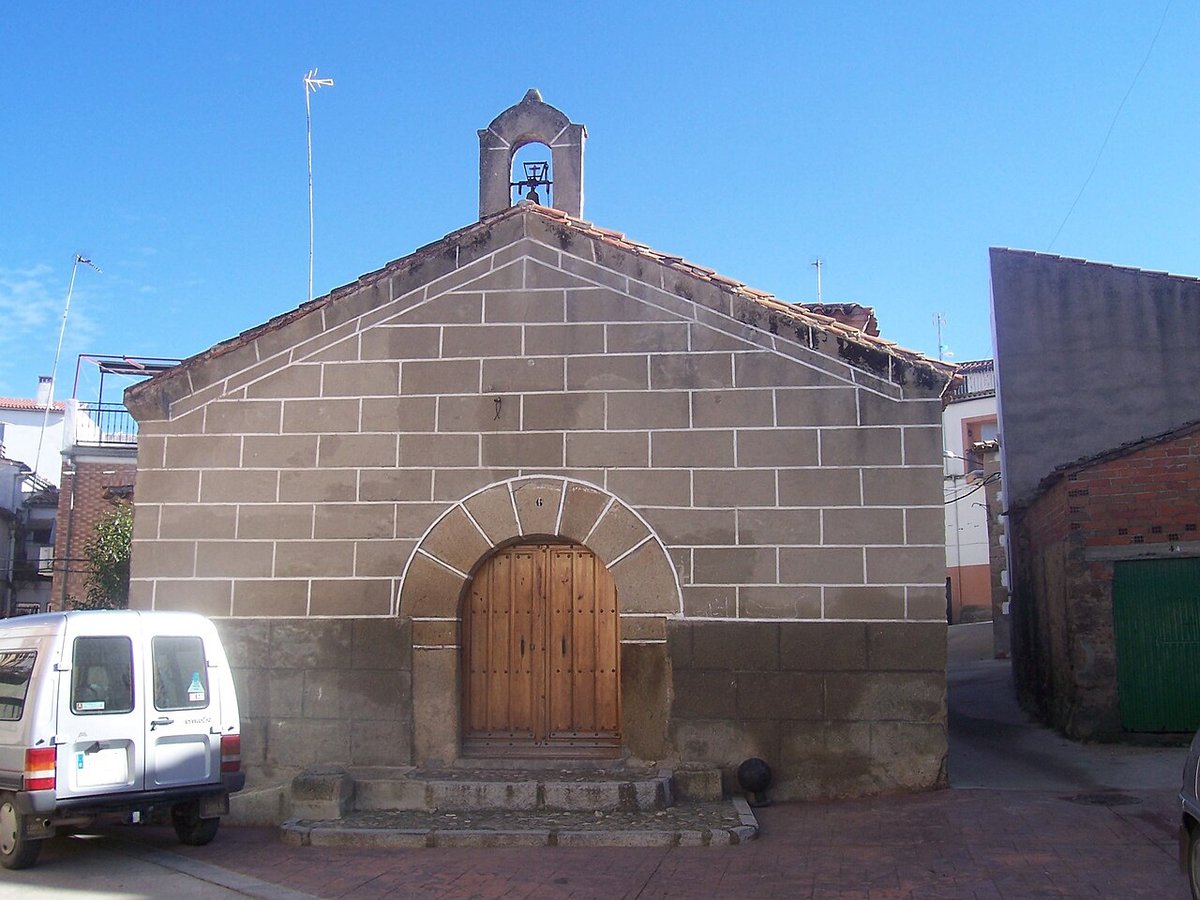
La parroquia de San Bartolomé ocupa el punto más reconocible del pueblo. Se suele datar en el siglo XVI, aunque reformas posteriores modificaron partes de la estructura. No es un edificio elaborado. Sus muros de mampostería, sus volúmenes claros y su presencia contenida son propios de las iglesias rurales de esta zona.
Más que el detalle decorativo, importa aquí su posición. La iglesia funciona como referencia dentro de la pequeña red de calles. Las casas se apiñan a su alrededor, algunas con balcones de hierro, portones sencillos y patios que apenas se vislumbran desde la calle. Son soluciones prácticas, concebidas para el resguardo y la ventilación, no para el lucimiento.
Pasear por las calles aledañas a San Bartolomé da la medida exacta de Portezuelo. Los portones anchos de madera sugieren un uso agropecuario anterior, para guardar herramientas o resguardar animales. Las paredes encaladas reflejan el sol. Las chimeneas sobresalen de los tejados con formas simples. La arquitectura no está pensada para impresionar, sino para durar.
La dehesa y los caminos de alrededor
Al salir del último grupo de casas, el paisaje cambia de inmediato. Aparecen las encinas, los cercados y los caminos de tierra que comunican distintas fincas. Es la dehesa típica del norte de la provincia de Cáceres, un paisaje tradicional de árboles dispersos y pasto abierto, empleado durante siglos para la ganadería extensiva.
La dehesa no está dispuesta como un parque y no hay senderos señalizados. Son caminos de trabajo agrario. Aun así, un paseo breve por ellos ayuda a entender el marco en el que existe el pueblo. La relación entre el núcleo habitado y la tierra circundante se comprende con rapidez.
En algunas épocas del año se ven aves moviéndose entre los claros de la dehesa o siguiendo el curso de los arroyos estacionales. El paisaje apenas ha sido alterado por infraestructuras turísticas. Lo definen las zonas de pasto, los linderos y el ritmo tranquilo del trabajo rural.
Conviene recordar que muchas verjas marcan propiedades privadas o zonas con ganado. Si se atraviesa alguna, aplica la norma habitual del campo: dejarla como se encontró. El respeto a la finca y a los animales forma parte del tránsito por este tipo de territorio.
Una visita breve a pie
Portezuelo se recorre sin prisa en menos de una hora. Un circuito simple por las calles más próximas a la iglesia basta para identificar las casas más antiguas: busque los portones amplios, las fachadas encaladas y las chimeneas que destacan sobre los tejados.
Desde cualquiera de las salidas del pueblo, ya se ve el paisaje abierto de las Vegas del Alagón. El término “vega” alude a llanuras fértiles, a menudo asociadas a cuencas fluviales y uso agrícola. En este caso, la comarca toma el nombre del río Alagón. Incluso un paseo corto por un camino cercano ayuda a aclarar la conexión entre el grupo compacto de casas y la dehesa circundante.
No hace falta una ruta establecida. La experiencia consiste en observar lo rápido que lo construido cede paso a los campos y pastos. Portezuelo no se separa de su campo. El límite es inmediato y claro.
Cuándo ir
La primavera y el otoño suelen ser las épocas más agradables para caminar por los alrededores. Las temperaturas son más suaves y el campo cambia de color. Los verdes frescos o los tonos secos alteran el aspecto de la dehesa y los cultivos.
En verano, el calor puede ser intenso, sobre todo al mediodía. Los muros gruesos y los patios sombreados del pueblo cobran sentido en este contexto. Los días de invierno pueden ser fríos, aunque son frecuentes los cielos despejados y los caminos suelen estar tranquilos.
Cada estación modifica más el ambiente que la estructura del lugar. La iglesia sigue siendo el punto focal, las calles se mantienen compactas y la dehesa continúa definiendo el horizonte.
Cuestiones prácticas
No hay rutas señalizadas ni miradores preparados. Los caminos son los que emplean agricultores y ganaderos. Tras varios días de lluvia, algunos pueden estar cerrados o resultar incómodos para caminar.
El pueblo en sí es pequeño y los servicios son limitados. Quien planee pasar varias horas en la zona debe llevar consigo lo que necesite. Portezuelo funciona sobre todo como un núcleo rural, no como un centro receptor de visitantes.
Portezuelo está a unos 45 kilómetros por carretera desde Cáceres, y el acceso en coche es sencillo. Para pasear por el campo circundante, es aconsejable calzado adecuado para caminos de tierra y agua, sobre todo en los meses más cálidos. Si se usan veredas que cruzan fincas, aplica la norma básica del campo: respetar las verjas, el ganado y los trabajos agrarios en curso.
Portezuelo no recurre a monumentos o atracciones para justificar una visita. Su escala, su iglesia de San Bartolomé y su posición dentro de la dehesa de las Vegas del Alagón definen la experiencia. Lo que ofrece es una visión clara de cómo un pueblo pequeño extremeño ha sido modelado por la tierra que lo rodea, y cómo esa relación sigue siendo visible hoy.