Full Article
about Riolobos
Irrigated town with a botanical garden and farming heritage
Ocultar artículo Leer artículo completo
The church bell strikes noon as a farmer in a flat cap guides his tractor through Riolobos' main square. Nobody hurries. The tractor driver pauses to exchange a few words with the barman sweeping cigarette butts from last night's terraza, while an elderly woman waters geraniums in a first-floor window box. This is Extremadura at its most unfiltered—no tour groups, no souvenir shops, just the rhythms of daily life playing out against a backdrop of wheat fields that stretch to the horizon.
The Geography of Silence
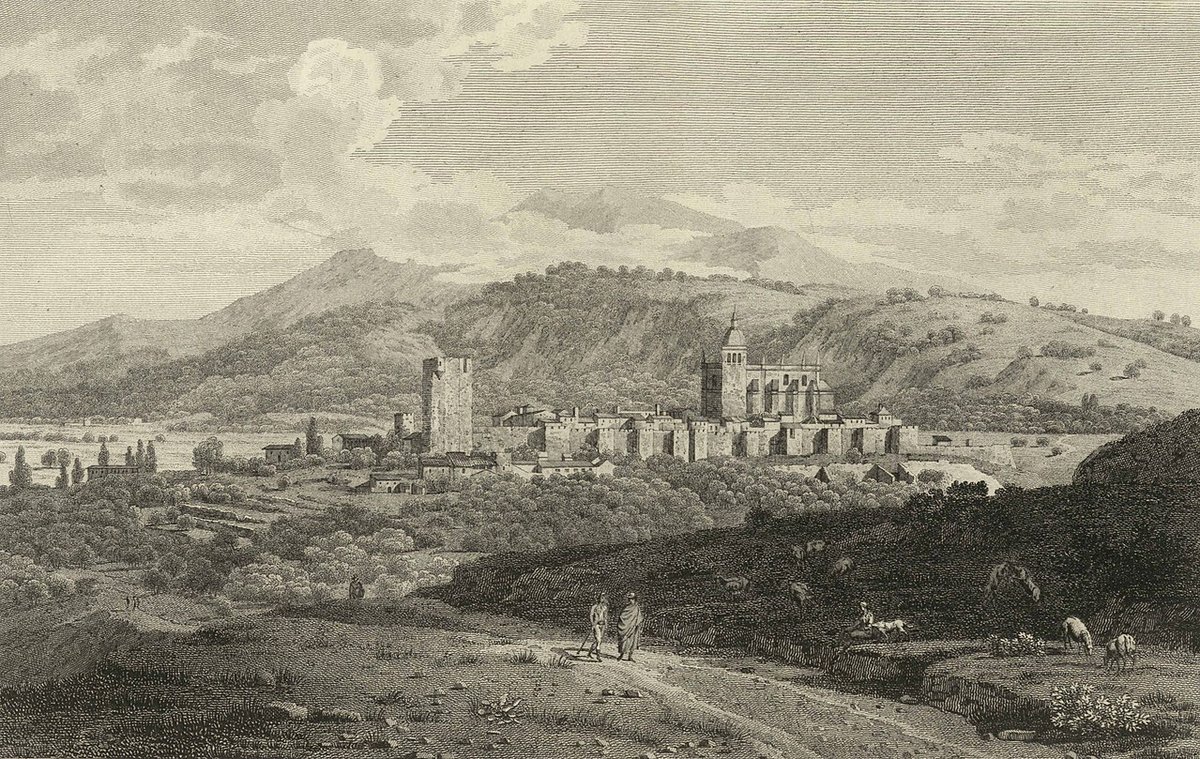
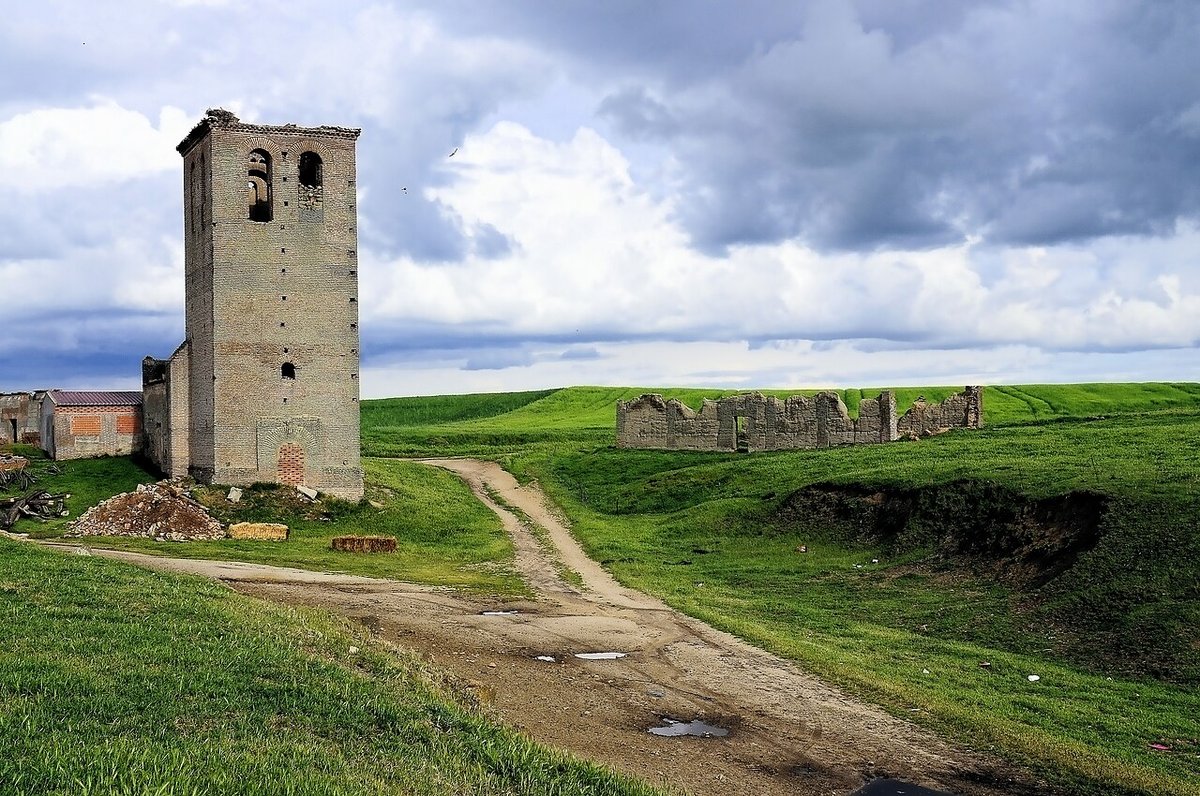
Riolobos sits 420 metres above sea level on the flatlands of the Vegas del Alagón, forty minutes west of Cáceres by car. The village name translates roughly as "river-wolves," though neither feature defines the landscape today. Instead, it's the absence of features that characterises this corner of Spain—the vast openness of the Tierra de Barros where heat shimmers rise from red earth and distant farmhouses float like islands in a golden sea.
This isn't hill-walking country. The terrain rolls gently, more Norfolk than Snowdonia, with ancient holm oaks providing the only vertical punctuation across plains that once fed Rome's legions. What the landscape lacks in drama it repays in space—proper, breathing room space where skylarks disappear into blue infinity and the only sound is wind rattling through wheat stubble.
Summer here bites hard. From June through August, temperatures regularly top 38°C, turning the village into a siesta-driven ghost town between 2pm and 6pm. Winter brings its own challenges—north winds sweep across the plains unchecked, and night-time temperatures can drop to freezing. Spring and autumn deliver the sweet spot: mild days, cool nights, and fields painted either green with young cereals or gold with harvest-ready crops.
Walking Through Living History
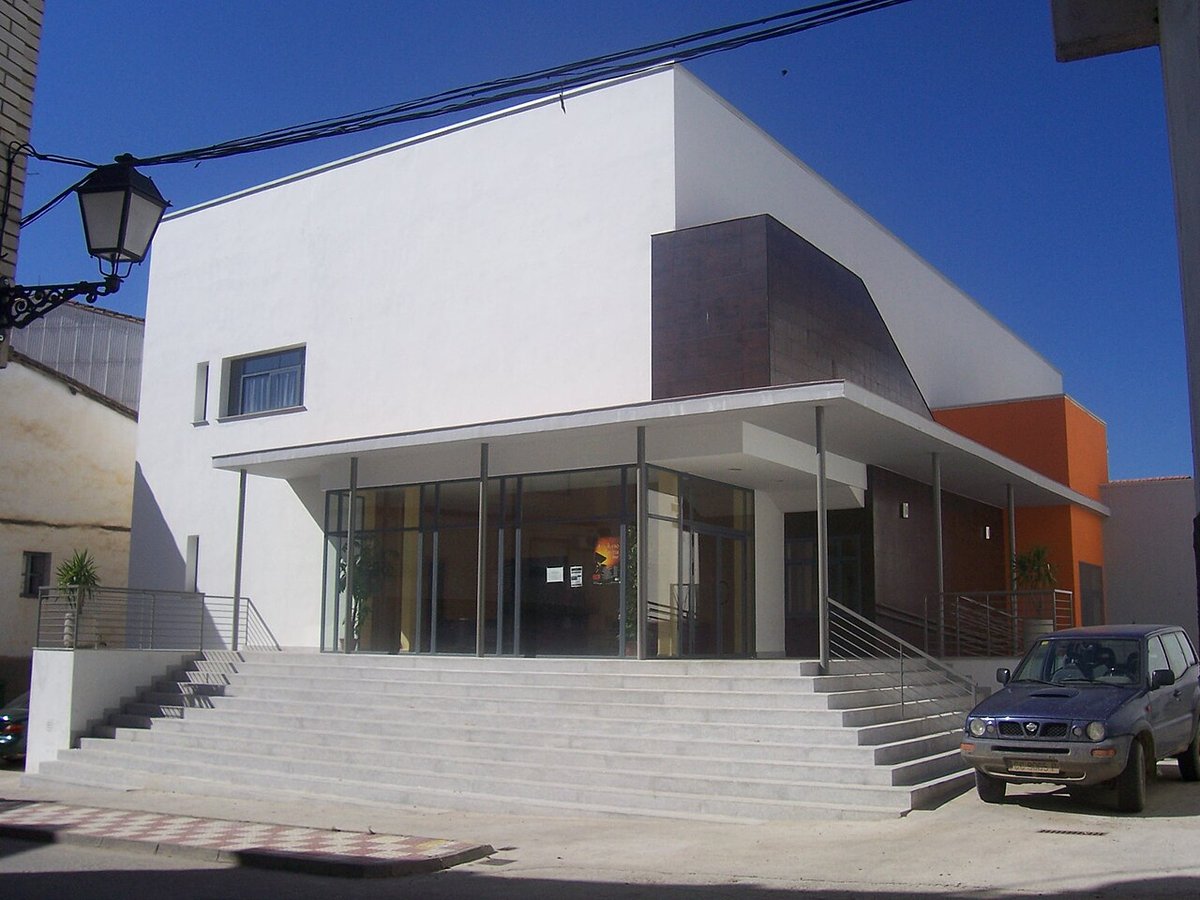
The village centre reveals itself in concentric circles. Park by the modern sports centre on the outskirts—trying to navigate the medieval street grid with a Ford Focus counts as advanced-level tourism—and walk inwards. First comes the ring of 1970s brick houses with their satellite dishes and rooftop water tanks, then the older quarter where walls thicken and streets narrow to single-track width.
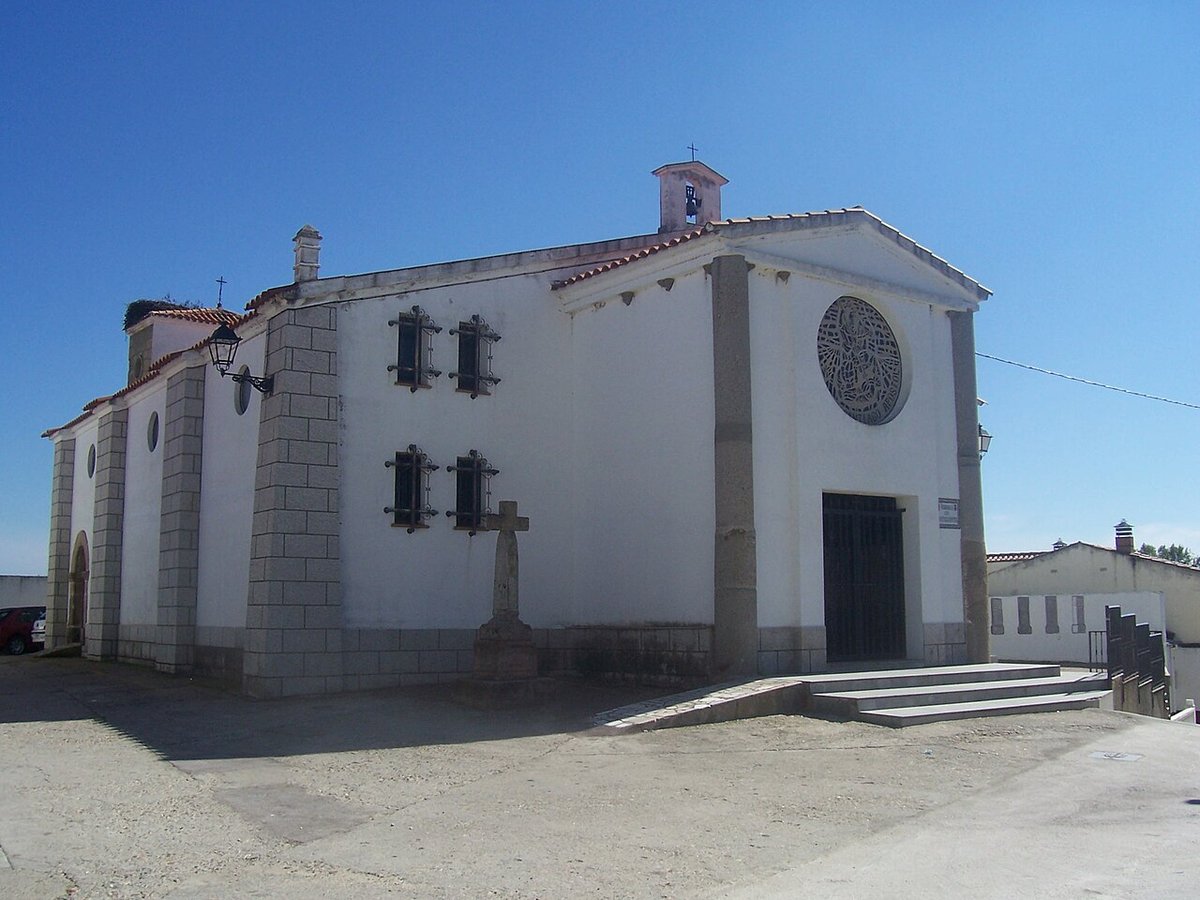
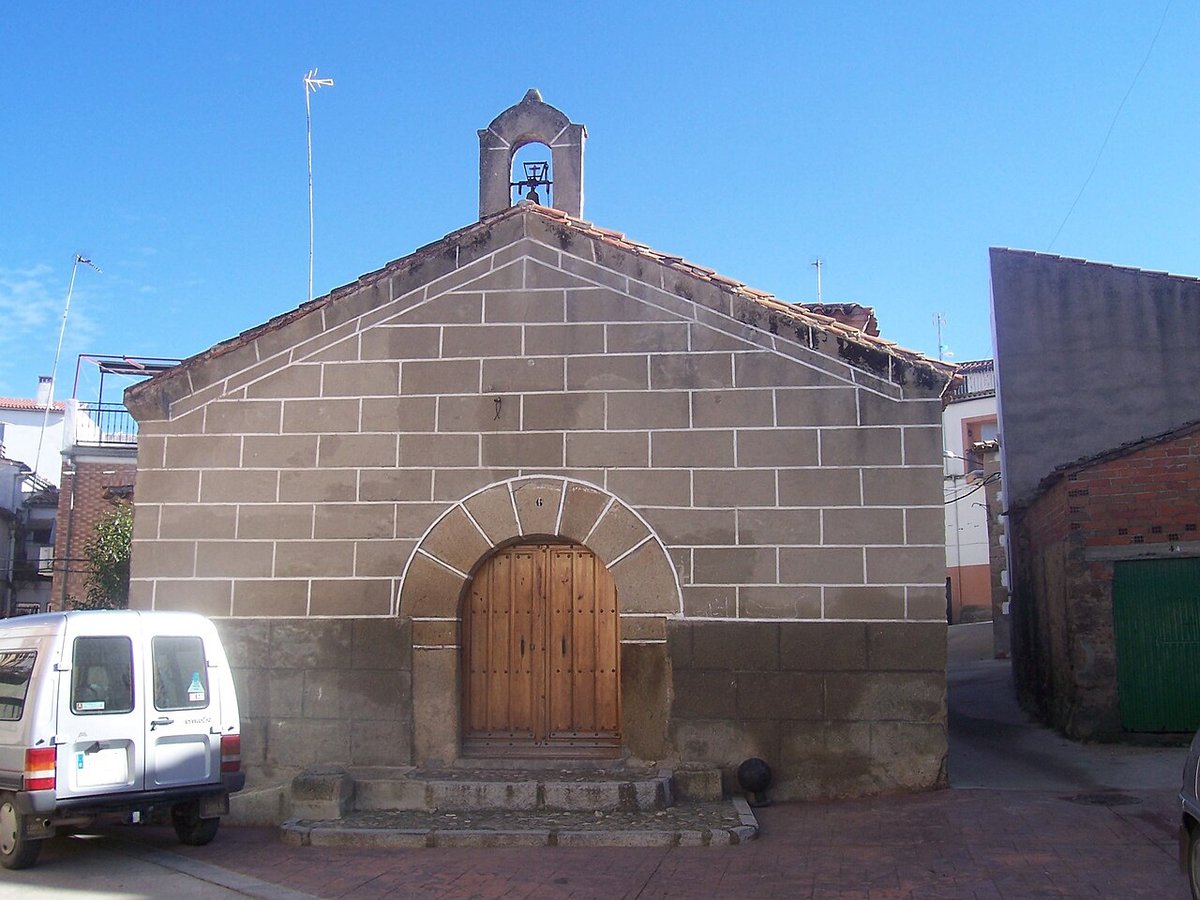
Plaza Mayor forms the beating heart, an irregular rectangle bordered by the parish church, a chemist's with green cross signage that probably dates from Franco's era, and three competing bars. The church keeps Extremaduran hours: open for mass at 8pm Saturday, 11am Sunday, and whenever the priest feels like it during the week. Inside, whitewashed walls and simple wooden pews reflect the region's austere religious tradition—no baroque excess here, just cool stone and the faint scent of beeswax polish.
Wander two streets back from the square and you'll find houses where family crests carved in granite sit above doorways alongside modern alarm boxes. Iron balconies sag under the weight of potted plants, their paint peeling in the dry heat to reveal layers going back decades—green over blue over that distinctive Spanish ochre picked out in the 1950s. Laundry flaps from upper windows, and through open doorways come the sounds of afternoon television: news broadcasts, football commentary, the occasional soap opera.
The Economics of Eating
Food in Riolobos operates on a simple equation—what's available depends on what someone's been hunting, growing, or preserving. The village supports two proper restaurants and a handful of bars serving tapas, but menus flex with the seasons and the cook's mood. This isn't the place for elaborate tasting menus or Instagram-worthy presentation.
At Bar Manolo on Calle Santa Catalina, migas arrive in enamel dishes, the fried breadcrumbs studded with chorizo and grapes depending on availability. A plate costs €7 and feeds two if you order bread alongside. The wine comes from nearby Cañamero, poured from unlabelled bottles that started life containing something else entirely. Ask for the menu and you'll get a shrug—"depends what's cooking"—but the morcilla (blood sausage) is reliably excellent, made with rice rather than onions in the local style.
For something more formal, Restaurante Riolobos opens weekends opposite the church. Their specialty is cordero a la estaca—lamb roasted on outdoor stakes over holm-oak fires. It's theatrical and delicious, but requires advance ordering for groups of six or more. A full meal with wine runs to €25 per person, cash only, and they'll look at you strangely if you try to book via anything more technological than a phone call.
When the Village Parties
Fiesta season transforms Riolobos from quiet agricultural centre into something approaching lively. The main celebrations honour the Virgen de la Antigua during the last weekend of August—a curious blend of religious procession and agricultural fair that sees the population temporarily triple. Farmers display machinery in the square, children compete in olive-pit spitting contests, and the evening ends with fireworks that send the village dogs into collective hysteria.
Semana Santa brings a more subdued atmosphere. Processions wind through candlelit streets on Maundy Thursday and Good Friday, accompanied by a brass band that manages to sound both mournful and slightly off-key. Visitors are welcome but not encouraged—this is community ritual rather than tourist spectacle, and photography during processions marks you immediately as an outsider.
The September grape harvest triggers spontaneous celebrations. When the first trailers loaded with tempranillo grapes rumble through from surrounding vineyards, bars stay open late and someone inevitably produces a guitar. These aren't organised events—you simply need to be present when they happen, nursing a beer until the music starts.
Practical Realities
Getting here requires commitment. The nearest airport is Madrid, two hours' flying time from London plus another two-and-a-half hours driving west on the A-5. Public transport exists in theory—a twice-daily bus from Cáceres that might turn up if the driver's available—but you'll need wheels to make the most of the surrounding countryside.
Accommodation options remain limited. Casa Rural Abuela Maxi offers three bedrooms in a converted village house, decorated with agricultural implements and black-and-white photos of previous generations. At €60 per night including breakfast, it's reasonable value but books up fast during fiesta weekends. Alternative options lie twenty minutes away in larger towns—Hotel Ara in Cáceres provides reliable three-star comfort if Riolobos itself is full.
The village supports basic services: a small supermarket with irregular hours, a pharmacy, cash machine, and petrol station on the main road. Mobile phone coverage can be patchy between buildings, and 4G remains theoretical rather than actual. This isn't necessarily a problem—consider it enforced digital detox.
Riolobos won't change your life. It offers no epiphanies, no bucket-list moments, no stories to trump fellow travellers at dinner parties. What it does provide is a glimpse into an agricultural Spain that tourists rarely see—workaday, weather-dependent, rooted in seasons rather than social media seasons. Come for the space, stay for the simplicity, leave before you start taking afternoon siestas for granted.