Full Article
about Valdeobispo
Farming village with a nearby reservoir and pastureland
Ocultar artículo Leer artículo completo
The granite church bell strikes noon, but nobody checks their watch. In Valdeobispo's single square, farmers instead glance skyward, gauging whether the clouds gathering over the dehesa will bring the rain they've waited three weeks for. This is how time works here—measured in seasons, not seconds, in the ripening of acorns rather than the ticking of clocks.
The Village That Forgot to Grow
Sixty-five kilometres west of Cáceres, Valdeobispo sits at 460 metres above sea level, high enough to catch the breeze that sweeps across Extremadura's western plains but too low to escape the summer furnace that turns the surrounding grasslands gold. The village never quite made the leap from agricultural settlement to proper town, and its 650 residents seem rather pleased about that.
What you'll find isn't a museum piece frozen in amber, but a working agricultural centre where the morning's conversations still revolve around rainfall figures and pig prices. The streets—Calle San Pedro, Calle Real, three others whose names change depending on whom you ask—form a grid that takes precisely twelve minutes to walk from end to end. That's if you don't stop to examine the 16th-century granite blocks in the church walls, or peer through the iron-grilled windows of houses where the scent of woodsmoke and curing ham drifts into the street.
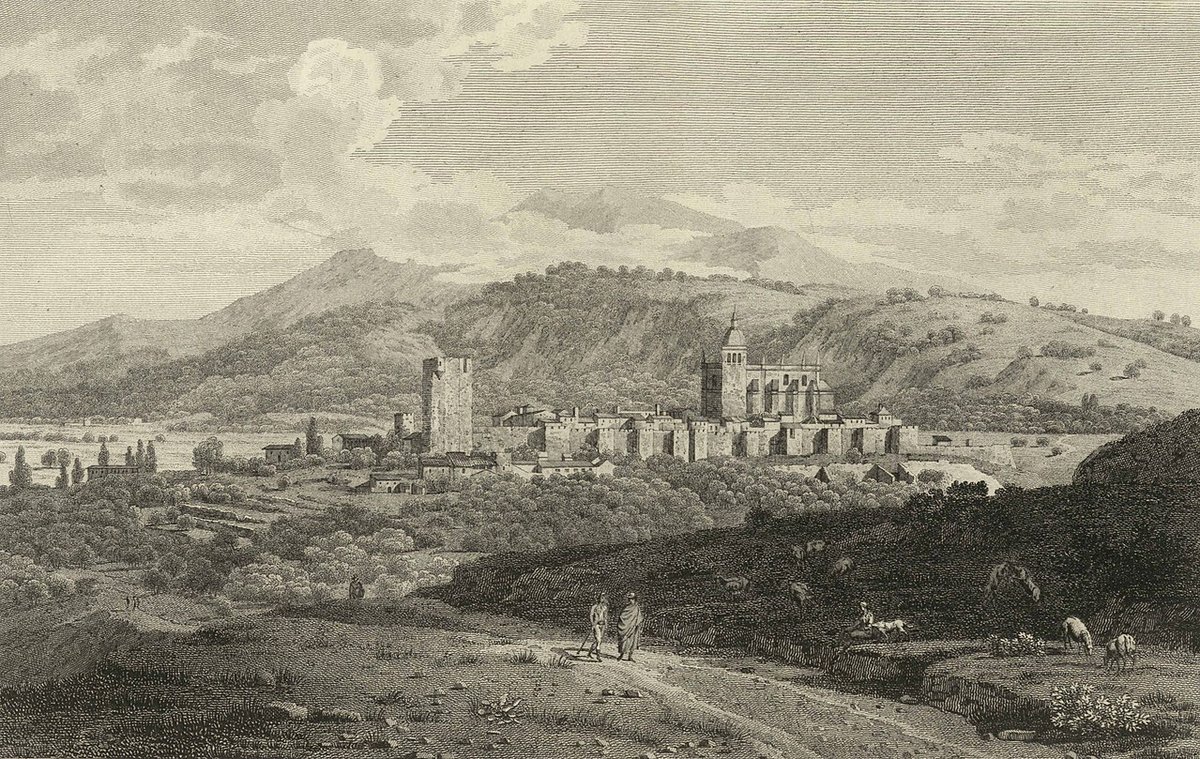
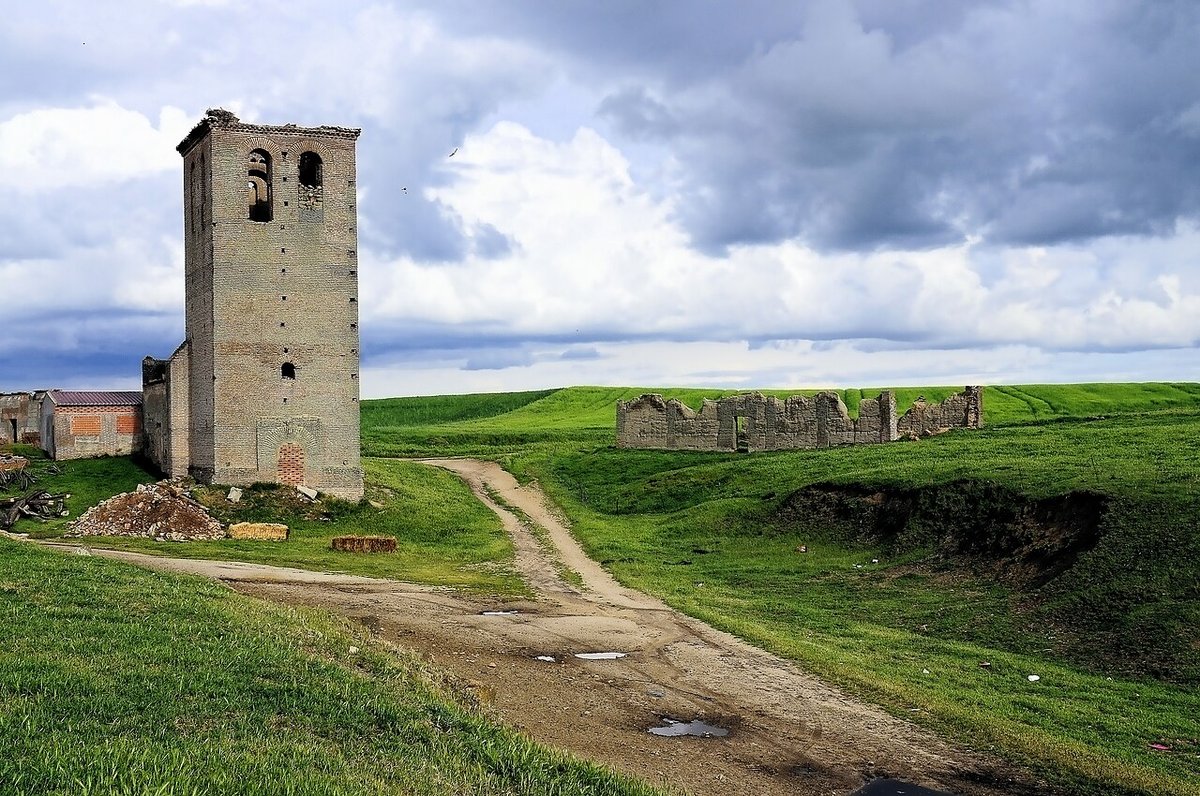
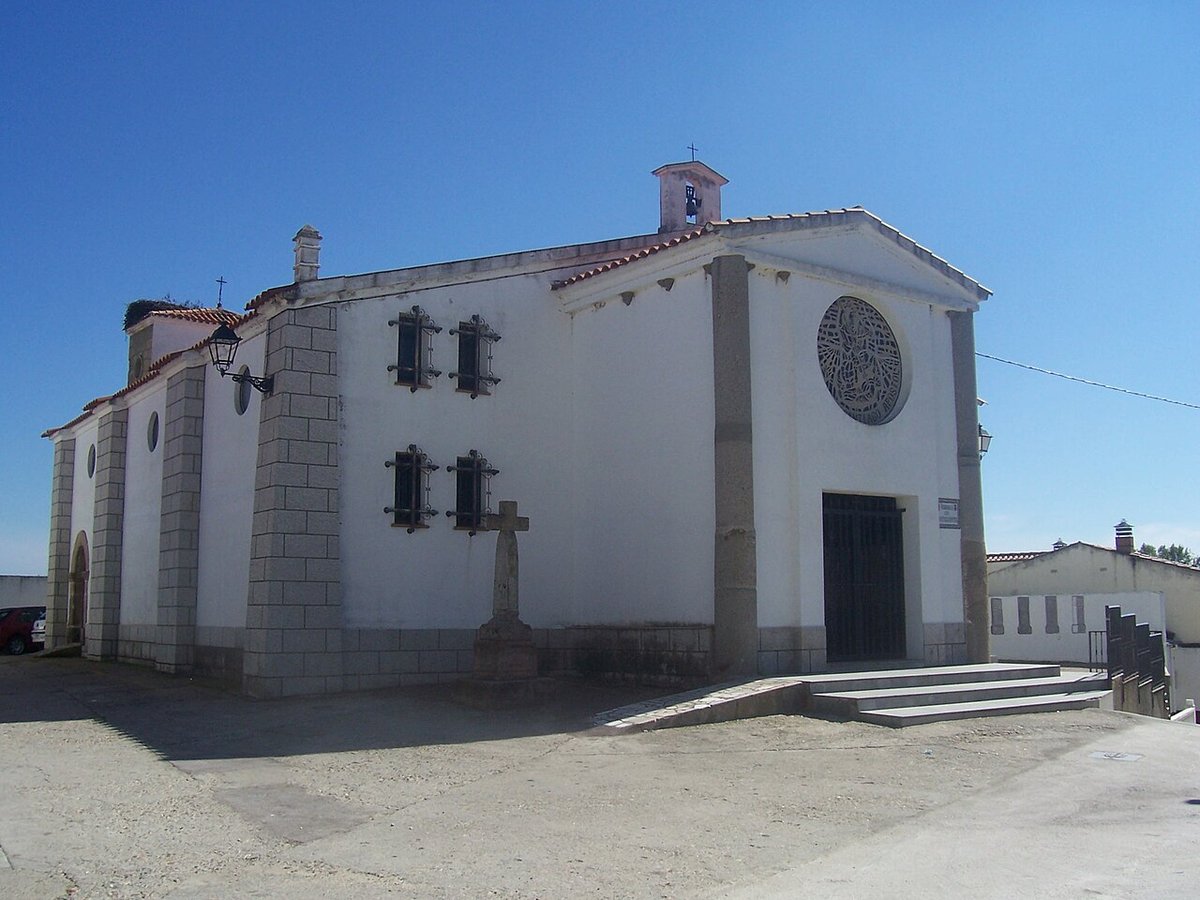
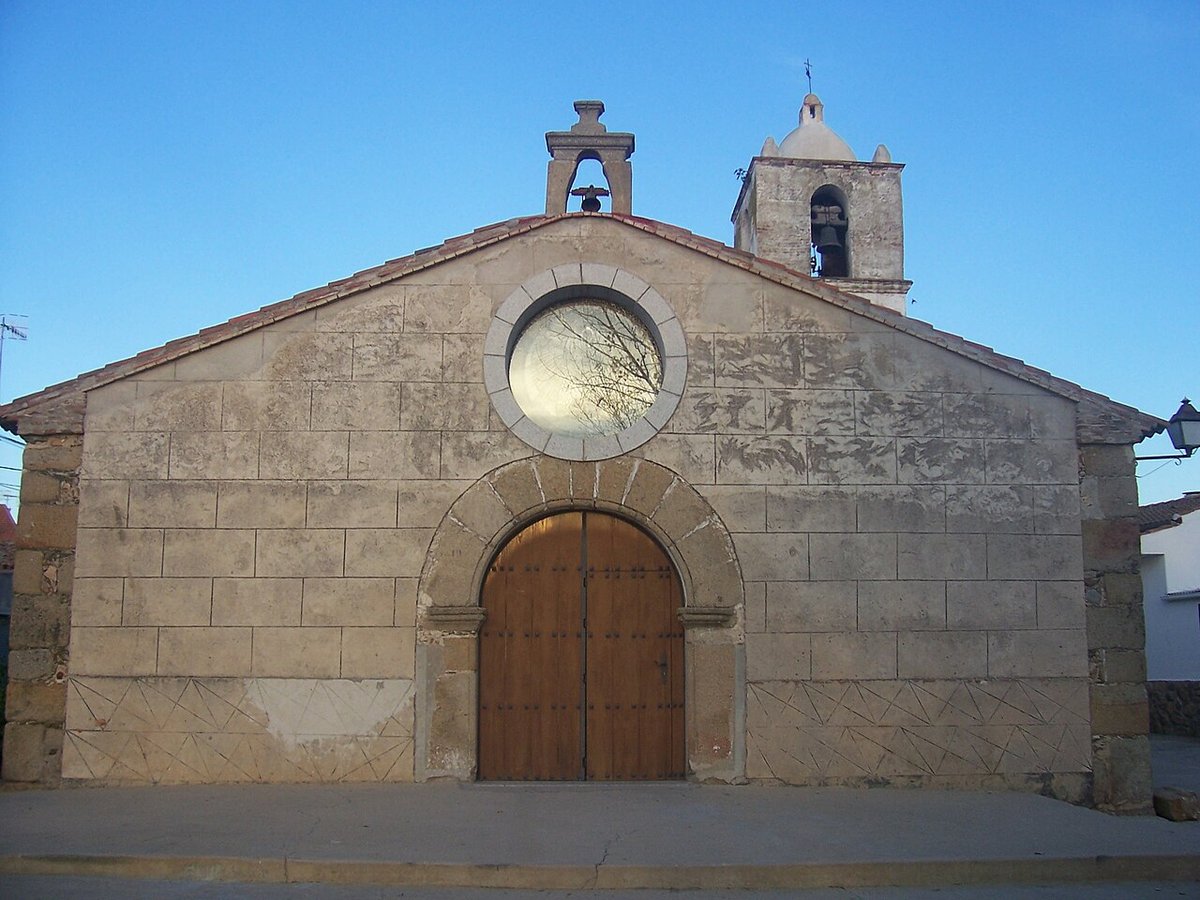
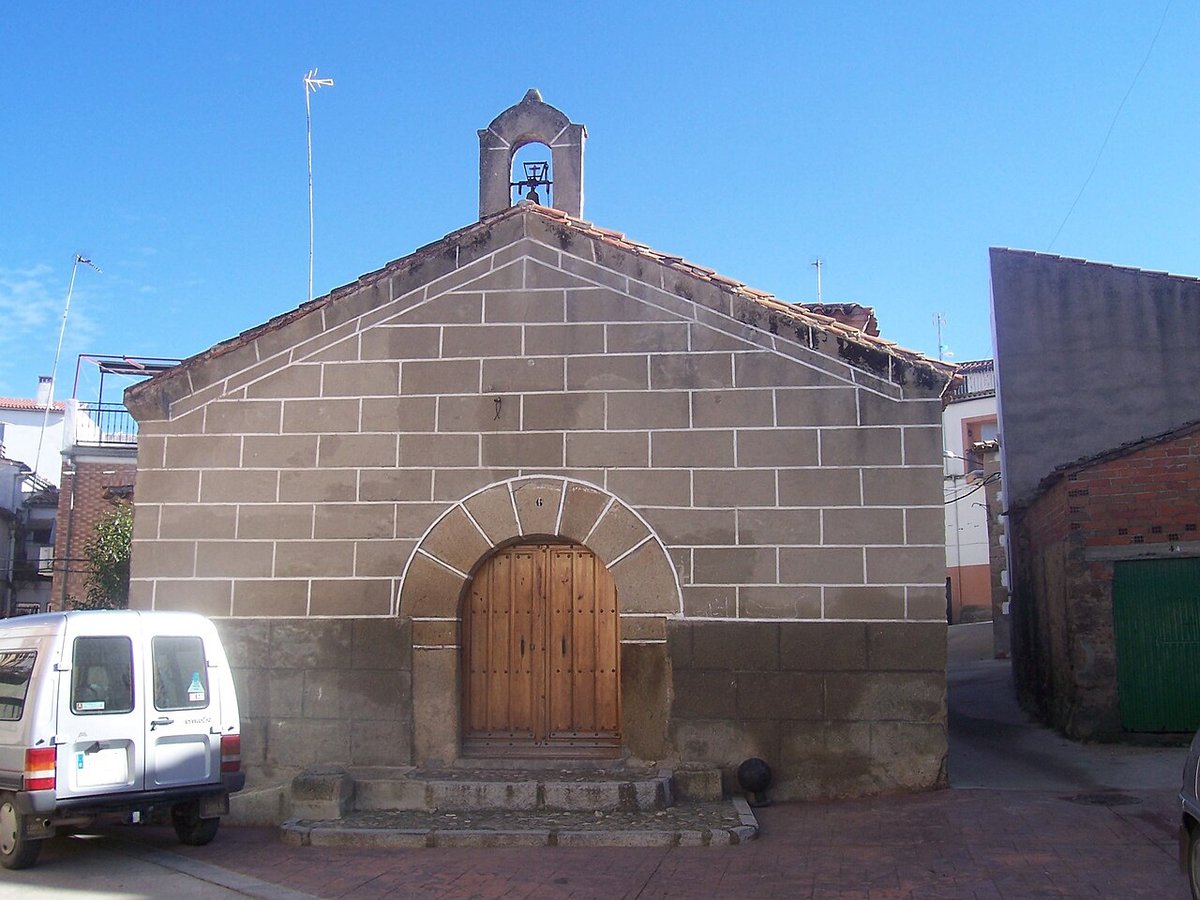
San Pedro Apóstol church dominates the skyline, its simple tower visible from anywhere in town. Inside, the atmosphere carries centuries of incense and candle wax, the stone floors worn smooth by generations of farming families whose names you’ll see repeated on the war memorial outside. The building's modesty tells its own story—this was never a place of grand ecclesiastical power, but rather a spiritual centre for people whose real cathedral was the land itself.
Walking Where Shepherds Walk
The real Valdeobispo begins where the tarmac ends. Tracks radiate outward from the village like spokes, following ancient rights of way through the dehesa—the unique Spanish pastureland that combines sparse oak cover with grassland. These aren't manicured footpaths with waymarkers and interpretation boards. They're working routes used daily by farmers checking livestock, where your walking companions might be a tractor heading to check water troughs or a shepherd moving his flock.
The landscape reveals itself gradually. First come the encinas—holm oaks—spaced deliberately to allow both shade and grass growth. Between them, the earth shows red through thin soil, while stone walls built without mortar divide parcels of land whose boundaries predate modern maps. In spring, the grassland erupts with wild asparagus and mushrooms; by July, it's brown and crackling underfoot.
Birdwatchers should bring binoculars. The dehesa supports an extraordinary range of species: hoopoes with their distinctive call, azure-winged magpies that exist only here and in China, and imperial eagles if you're exceptionally fortunate. The best times are dawn and late afternoon, when the heat eases and wildlife emerges. Summer walking requires an early start—by 11am the temperature can hit 35°C, and sensible locals retreat indoors until evening.
The Taste of Proper Spain
Food here isn't theatre—it's Tuesday lunch. In the single bar on Plaza de España, María serves coffee from 7am and keeps cooking until the last customer leaves. Her menu del día runs €9 and might feature cocido extremeño (a hearty chickpea stew), migas (fried breadcrumbs with pork), or if you're lucky, caldereta de cordero—lamb stew cooked until the meat slides from the bone.
The village's location in the province of Cáceres places it within the Jamón Ibérico dehesa belt. From October to February, the montanera season sees pigs roaming free, fattening on acorns that give the ham its distinctive nutty flavour. The resulting jamón can cost €90 a kilo in London; here, you might buy it from someone's cousin for half that. Ask at the bar—someone's always got a leg curing in their cellar.
For self-caterers, the weekly market (Friday mornings in the square) offers little-known varieties of cheese made from merino sheep's milk, and wine from cooperatives in nearby Tierra de Barros that never reaches export markets. The local speciality is torta del casar—a runny sheep's cheese so pungent it requires its own plate. Bread comes from the bakery on Calle Real, where Antonio has been starting his ovens at 4am for thirty-eight years.
When the Village Returns to Life
Valdeobispo's population doubles during the last week of June, when the fiestas de San Pedro transform the quiet streets. Returning emigrants—those who left for Madrid or Barcelona in the 1960s, their children and grandchildren—fill houses that stand empty most of the year. The church bell rings more in these seven days than in the previous seven months.
Evenings centre on the plaza, where a temporary bar serves ice-cold beer and the village's teenagers suddenly discover their heritage. Traditional music mixes with chart hits, while elderly residents reclaim seats they've occupied since childhood. The highlight is the running of young bulls through the streets—not Pamplona's dangerous spectacle, but a local version where animals barely larger than ponies charge between wooden barriers while young men prove their courage.
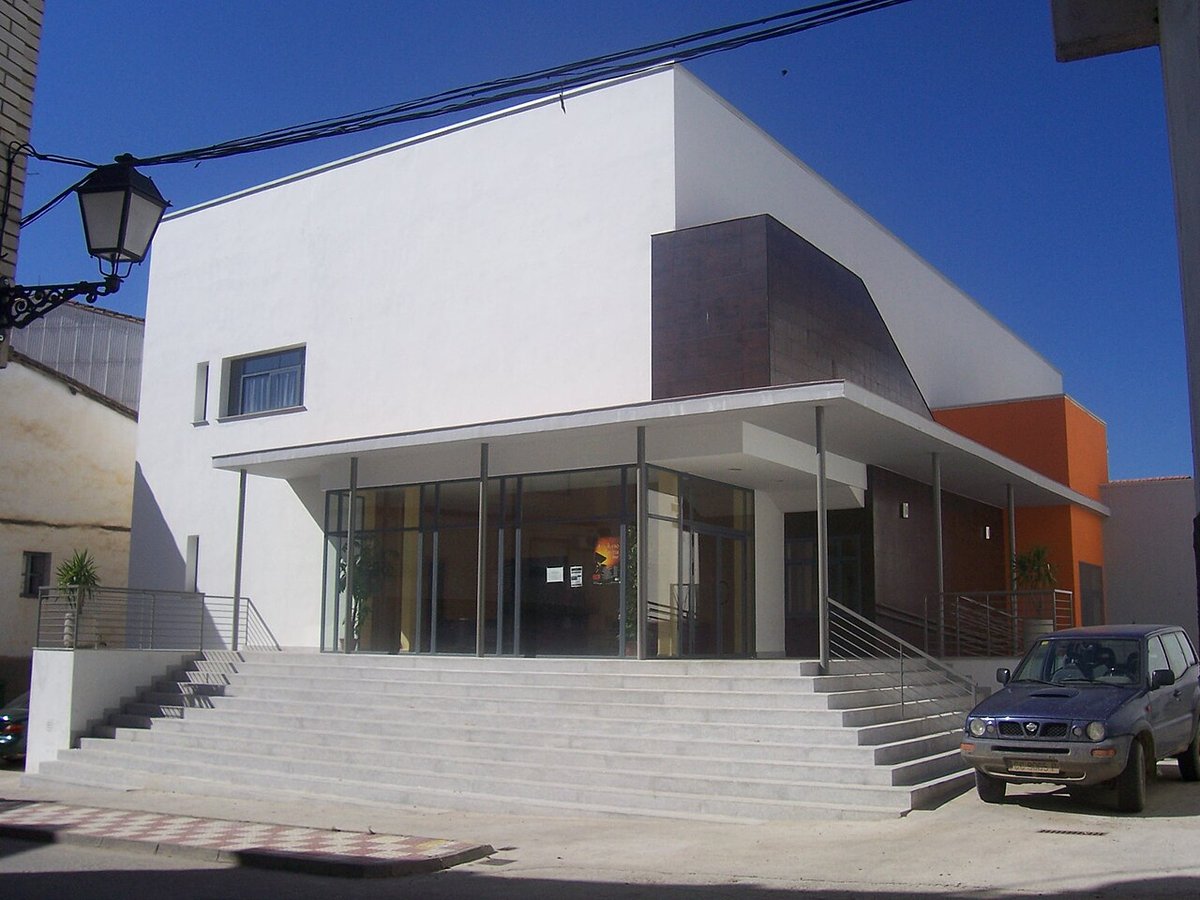
August brings a different celebration, aimed at holidaymakers rather than returnees. The programme includes open-air cinema, children's games, and verbenas—dances that last until dawn. For these few weeks, the village feels almost cosmopolitan, though the cosmopolitanism extends only as far as Badajoz or perhaps Madrid.
Practicalities Without the Package Tour Gloss
Getting here requires commitment. The nearest airport is Madrid, a three-hour drive on largely empty motorways. From Cáceres, the EX-390 west towards Portugal offers a straightforward route, but the final approach involves narrow country roads where tractors have right of way. Car hire is essential—public transport consists of one daily bus that connects with larger towns but requires military-precision timing.
Accommodation options fit on a postcard. Complejo Rural Camino de la Ermita offers four self-catering apartments from €60 nightly, built in traditional style but with modern bathrooms and Wi-Fi that works when the wind blows the right direction. Albergue Alagon Natura provides simpler rooms from €25, popular with walkers following the Ruta de la Plata pilgrimage trail. Both book up early for fiesta periods.
The village has no petrol station, cash machine, or supermarket. Fill up in Cáceres, bring cash, and shop accordingly. The medical centre opens weekday mornings only—serious emergencies require the half-hour drive to Coria. Mobile phone coverage is patchy; Vodafone users might find signal on the church steps, while Orange customers should climb the hill east of town.
Weather dictates everything. Spring (April-May) brings wildflowers and temperatures perfect for walking. Autumn (September-October) offers mushroom foraging and harvest festivals. Summer means 40°C heat and deserted midday streets. Winter can surprise—night temperatures drop below freezing, and the dehesa takes on an austere beauty under frost.
Valdeobispo offers no Instagram moments or bucket-list ticks. Instead, it provides something increasingly rare: an agricultural community continuing its centuries-old rhythm largely unchanged by tourism. Come for two days, and you'll leave frustrated by the silence. Stay for a week, and you might find yourself checking weather apps you never downloaded, discussing rainfall with strangers who feel like friends, understanding finally why some clocks prefer to measure seasons rather than seconds.