Full Article
about Alía
Large municipality in the Villuercas Geopark with striking geological landscapes and Mudéjar architecture.
Hide article Read full article
Morning light in a small Extremadura village
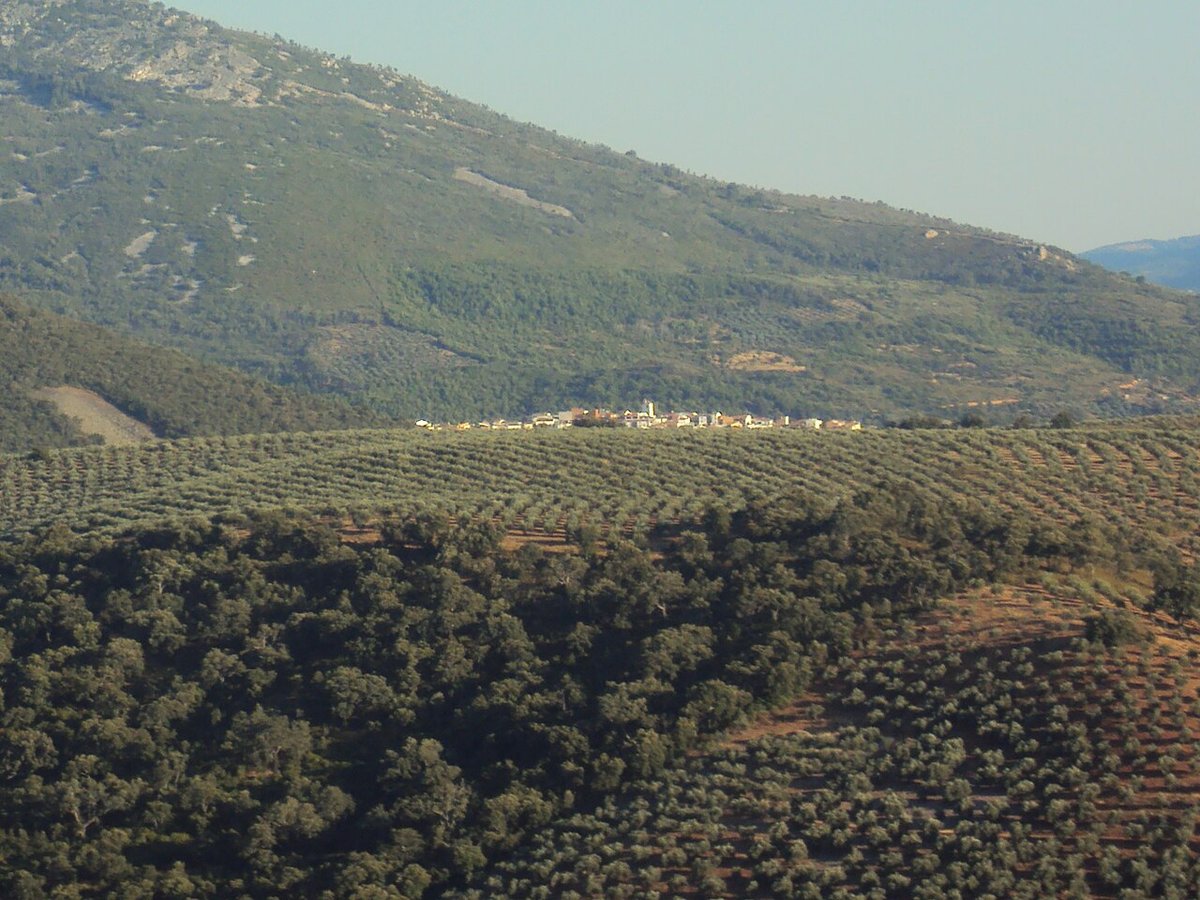
At eight in the morning, sunlight filters through holm oaks and cork oaks on the outskirts of Alía. The ground is scattered with dry leaves and the occasional loose stone, each step producing a sharp crunch that carries across the still air. From here, the Villuercas hills unfold in layers: dark slopes, quartzite ridges and a clear sky that shifts quickly in colour as the day begins to warm.
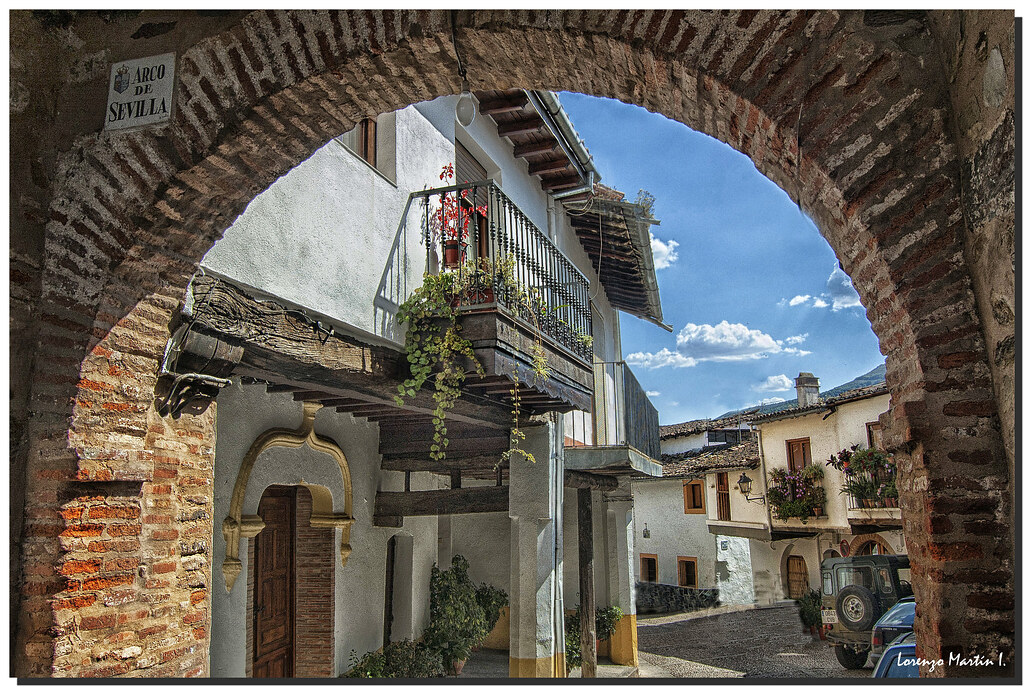
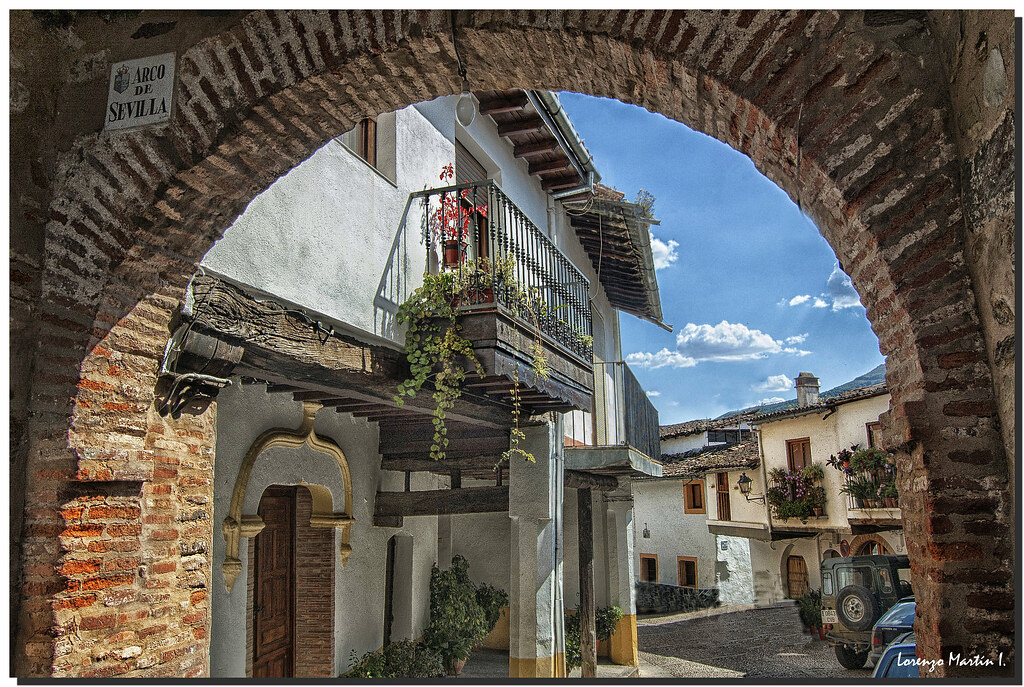
Alía has around seven hundred inhabitants, and life moves at an unhurried pace, even in summer. The streets in the centre are narrow, some paved with stone, others covered in worn asphalt. Whitewashed façades line the way, with slightly warped wooden doors and roofs of curved tiles that take on a reddish glow in the afternoon light. The main square feels more like a place people pass through than a focal point: shaded benches, brief conversations between neighbours, cars edging in slowly in search of a place to park.
Nuestra Señora de los Remedios
Along one of the central streets stands the parish church of Nuestra Señora de los Remedios. It is not especially grand, more restrained in appearance, with thick walls and a tower visible from several points around the village. The stonework and whitewash show patches from different periods, evidence of repairs carried out over time.
Inside, the cool dimness offers relief when the heat outside builds. Wooden pews are worn smooth from years of use, and light enters through high, narrow windows. Late in the afternoon, as the sun drops towards the west, golden bands stretch across the floor while dust hangs briefly in the air before settling again.
Wandering the old streets
The old quarter does not follow a strict layout. Calle Mayor carries much of the movement through the village, but side streets quickly branch off, climbing or dipping along gentle slopes. Balconies hold pots of geraniums or aromatic herbs, and when a breeze passes through, hints of basil or thyme drift down to street level.
Some doorways still display old tools, either hanging in view or tucked into corners. By mid-morning, it is common to come across residents heading to the public fountain with large bottles or returning from nearby small plots of land. These everyday routines shape the atmosphere more than any formal landmark.
The sierras around Alía
The landscape surrounding Alía forms part of the Villuercas‑Ibores‑Jara Geopark, known for its long quartzite ridges that draw clear lines across the horizon. From the paths leading out of the village, these formations are easy to recognise: slopes covered in low scrub, patches of holm oak woodland, and small valleys where vegetable gardens or grazing fields appear.
Not all paths are signposted, so some sense of direction or local advice is useful before setting out. After a night of rain, the ground releases a strong scent of damp earth and rockrose, an aroma that lingers on clothes for hours.
Griffon vultures often circle high above, riding the air currents along the hills. Larger animals are harder to spot on the ground, though fresh wild boar tracks sometimes appear along the edges of the paths.
Rural flavours and simple cooking
Food here remains closely tied to what is raised or grown nearby. Traditional embutidos from the annual pig slaughter are still common in many households, typically served with substantial bread and cheese made from sheep’s or goat’s milk in the area.
When colder weather arrives, meals shift towards more substantial dishes eaten with a spoon: stews made with potatoes, small game or pulses. Migas, a dish based on stale bread fried with olive oil, garlic and peppers, are also a regular feature of long winter breakfasts. These are straightforward recipes, designed to sustain long days spent outdoors.
Festivities and local customs
The main celebrations take place in September, centred on the patron saint, Nuestra Señora de los Remedios. During these days, the pace of the village changes noticeably. There are processions, music in the streets and many families returning from other cities.
In May, floral crosses are still set up in some streets. These small altars, decorated by neighbours, reflect a tradition that continues, even if fewer people take part each year.
Getting there and choosing the moment
Alía lies along the EX‑102 road, which runs through much of the Villuercas‑Ibores‑Jara region. From Guadalupe, the journey is short, with gentle curves weaving through the hills. The landscape shifts gradually along the way: holm oak groves, stony slopes and occasional scattered livestock farms.
Spring is usually the most comfortable time to explore the surrounding countryside. The scrubland comes into flower and temperatures remain mild. In summer, heat builds from mid-morning onwards, making early starts advisable and shade welcome by midday. At that hour, the village grows almost silent, broken only by the sound of a shutter closing or the steady hum of cicadas in the nearby trees.