Full Article
about Cabañas del Castillo
Spectacular perch on the mountain ridge with a ruined castle and sweeping views of the Villuercas
Hide article Read full article
Cabañas del Castillo: aparcar, subir y mirar al horizonte
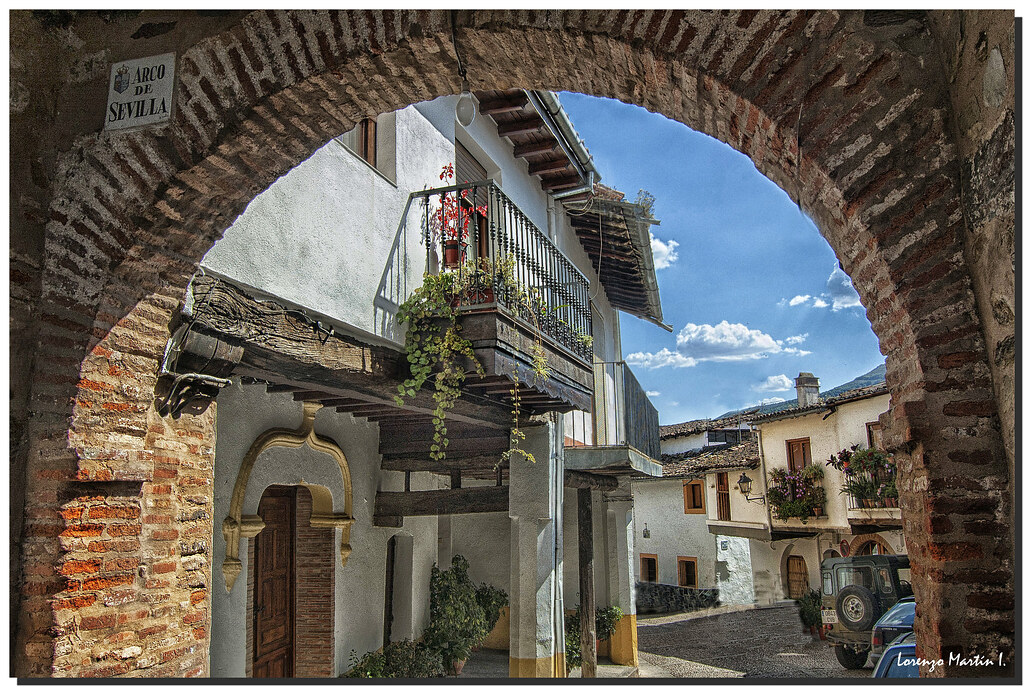
Aparca en la zona habilitada a la entrada. Después, todo es cuesta arriba. Las calles son empinadas y de piedra irregular. En verano, el calor se nota. Conviene madrugar o llegar al final de la tarde.
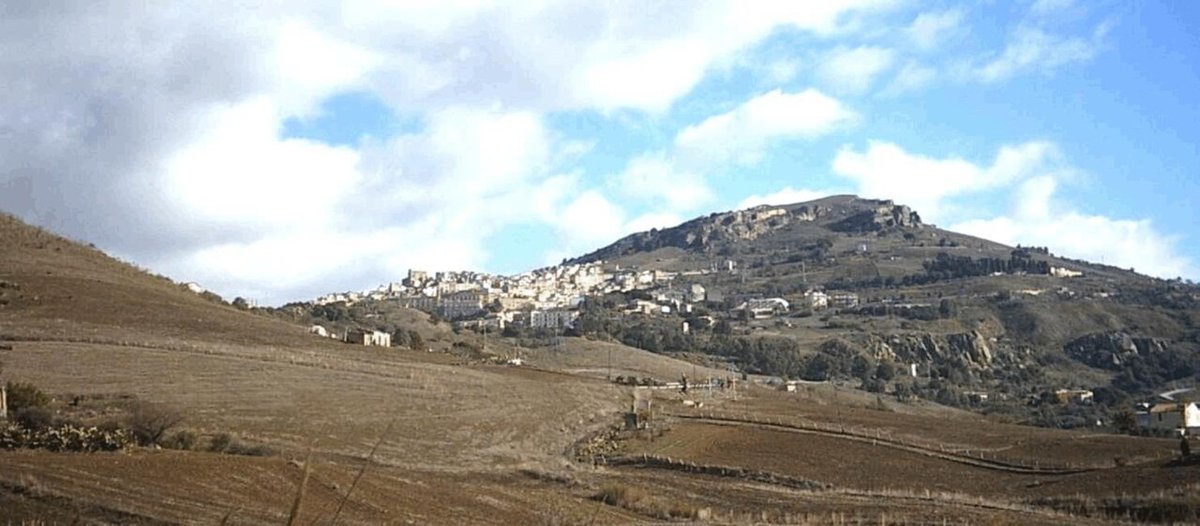
El pueblo es pequeño. Un puñado de calles que trepan por la ladera sin muchas vueltas. No hay monumentos mayores ni museos que recorrer. Se ve caminando, no tachando una lista.
La iglesia parroquial de San Juan Bautista es el edificio más visible. Tiene una fachada blanca y una estructura sencilla, reformada con el tiempo. Cumple su función.
En menos de una hora has visto el núcleo urbano.
El castillo y la razón para subir
Quedan restos del castillo medieval que da nombre al lugar. No es una fortaleza entera, sino tramos de muro y huellas de lo que fue un puesto defensivo en la sierra.
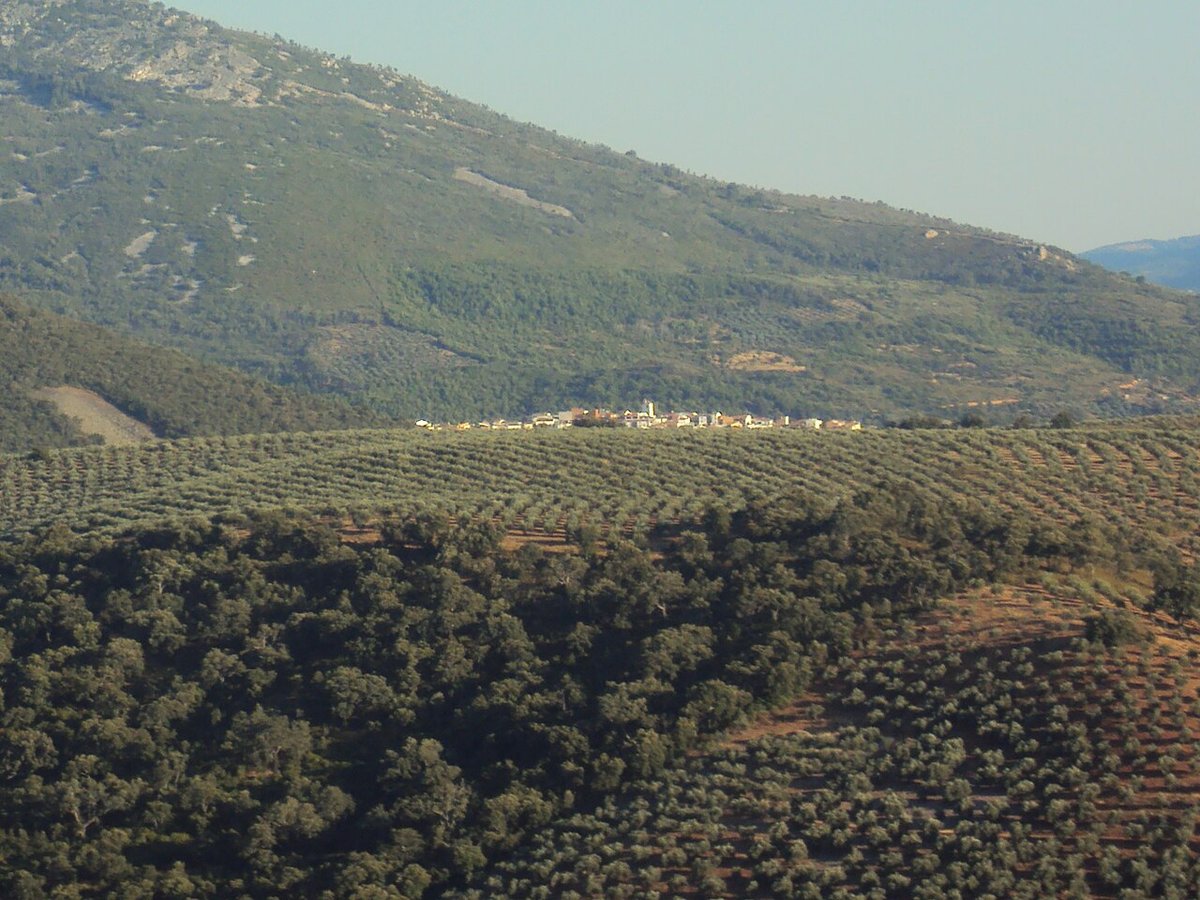
Se sube por las vistas. Desde arriba se abre el relieve de las Villuercas: crestas de cuarcita en líneas paralelas, laderas con olivos y monte bajo. Los días claros permiten ver lejos hacia el norte y el oeste.
Es un sitio expuesto. El terreno explica por qué se construyó aquí. Aunque la ruina sea mínima, el entorno lo dice todo.
Terreno del Geoparque
Estás dentro del Geoparque Villuercas-Ibores-Jara. El interés principal aquí es geológico, no arquitectónico.
Las sierras cercanas muestran pliegues marcados y crestas duras de cuarcita. Entre ellas hay valles estrechos y suelos más blandos. En algunos senderos hay paneles que explican fallas y tipos de roca.
Si la geología no te interesa, igualmente obtienes panorámicas amplias de la sierra. El relieve da profundidad al paisaje, sobre todo con luz clara y sin calima.
Senderos con pendiente
Varios caminos señalizados salen del pueblo hacia las crestas cercanas o rodean sus laderas.
Las distancias no suelen ser largas, pero las pendientes son exigentes. Aquí siempre se sube o se baja. El suelo irregular suma esfuerzo.En verano lleva agua y evita las horas centrales del día.
Desde los puntos altos, con aire claro,a veces se ven sierras lejanas.No siempre.La visibilidad cambia.Algunos días el horizonte queda oculto.Lo constante es la sensación de altura.Caminatas cortas ya te dan perspectiva sobre los pliegues circundantes.El pueblo pronto se ve pequeño abajo.
Cuándo venir
En primavera aparecen jaras,lavanda y otras flores entre el matorral.El contraste con las crestas rocosas es lo que más llama.Los colores suavizan las líneas duras del paisaje
En verano todo se seca.Es lo normal en esta parte de Extremadura.La vegetación palidece,y hay poca sombra
Se ven aves rapaces planeando sobre los cortijos,y cigüeñas cerca del pueblo.No es un sitio especializado en ornitologíapero si miras al cielo,suele haber movimiento
El ritmo lo marcan las estacionesy las tareas agrarias.Fuera del periodo vacacional,hay poca prisa
Visita práctica
No requiere planificación compleja.Aparca en la entrada,camina por las calles empinadassube a los restos del castillo,mira al horizonte.El casco histórico se recorre rápido
Despuéssolo hay dos opciones:irse o quedarse para caminar por la sierra.Ahí es donde este lugar muestra su mejor cara
Ven por las vistasy para andar por Las Villuercas.El patrimonio construido es modestoy se ve rápido.El paisajedesde arribaes lo que perdura