Full Article
about Campillo de Deleitosa
Tiny village with rural charm and a preserved natural setting in the Ibores.
Hide article Read full article
The Road to Campillo
If you are heading to Campillo de Deleitosa, allow almost two hours from Cáceres. Most of the drive follows the EX‑102, then secondary roads take over. The final stretch narrows and bends, and at night it can feel longer than it is if you do not know the area.
This is rural Extremadura, and the journey makes that clear. Traffic is light, and once you reach the village parking is rarely an issue. There is hardly any traffic inside the village itself.
Spring and autumn are usually the best times to come. Summer brings intense heat, and at midday it is not particularly inviting to walk through the streets. Outside those hotter months, the pace of the place suits a slower visit.
A Very Small Village
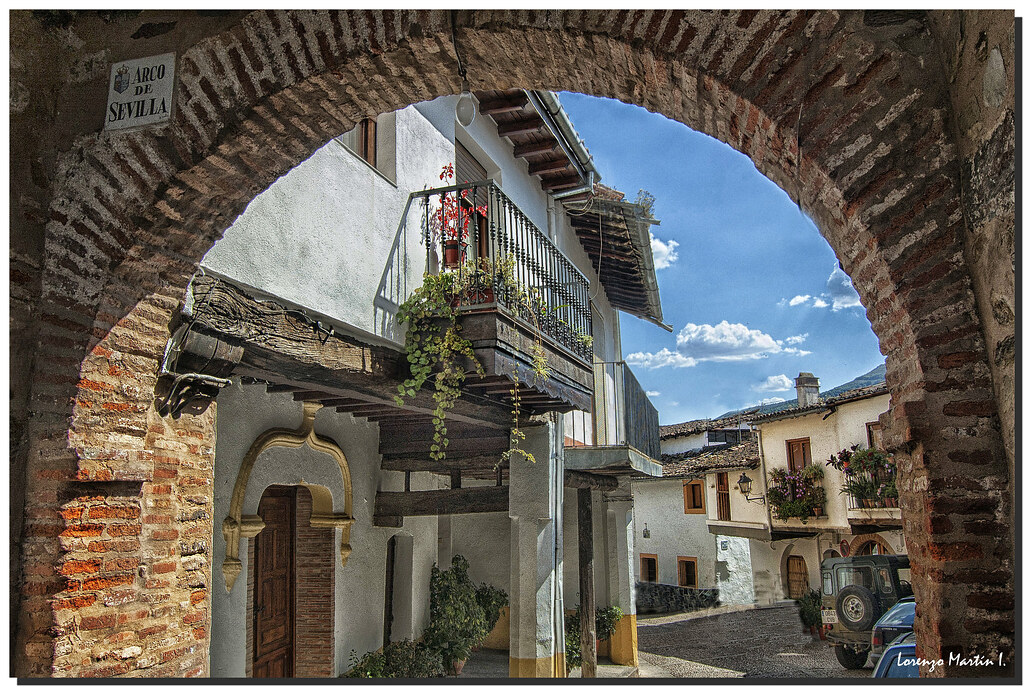
Campillo de Deleitosa is small. Very small. It consists of only a handful of short streets that lead towards the main square. The houses are low, many whitewashed, others left with exposed stone. Nothing stands out as spectacular, yet the overall layout preserves the traditional form of this part of Extremadura.
At the centre stands the church of Santa Ana. It dates from the 16th century, although it has undergone later alterations. It is not a monumental building. It serves its purpose and little more, fitting naturally into the scale of the village.
The houses combine adobe and stone, with simple iron balconies. Some have been renovated, others remain much as they were. In the square there is a sense that life was once busier. The space suggests gatherings and daily routines that were more active in previous decades.
There are no grand façades or striking landmarks. The interest lies in the continuity of ordinary architecture and in how little the basic structure of the village has changed.
Fountains and Washhouses
Several fountains are still scattered around Campillo de Deleitosa. Some remain in use. They are simple constructions, usually a spout and stone basins. Their design is practical rather than decorative.
These fountains help explain how water was organised before modern supply systems reached villages like this. They speak of a time when daily tasks centred around shared public spaces.
Old washhouses have also been preserved. Today they are empty most of the time, yet they form part of the everyday landscape. In small rural communities, places like these were once social points as much as practical facilities. Even without activity, they still define corners of the village.
Olive Groves and Open Country
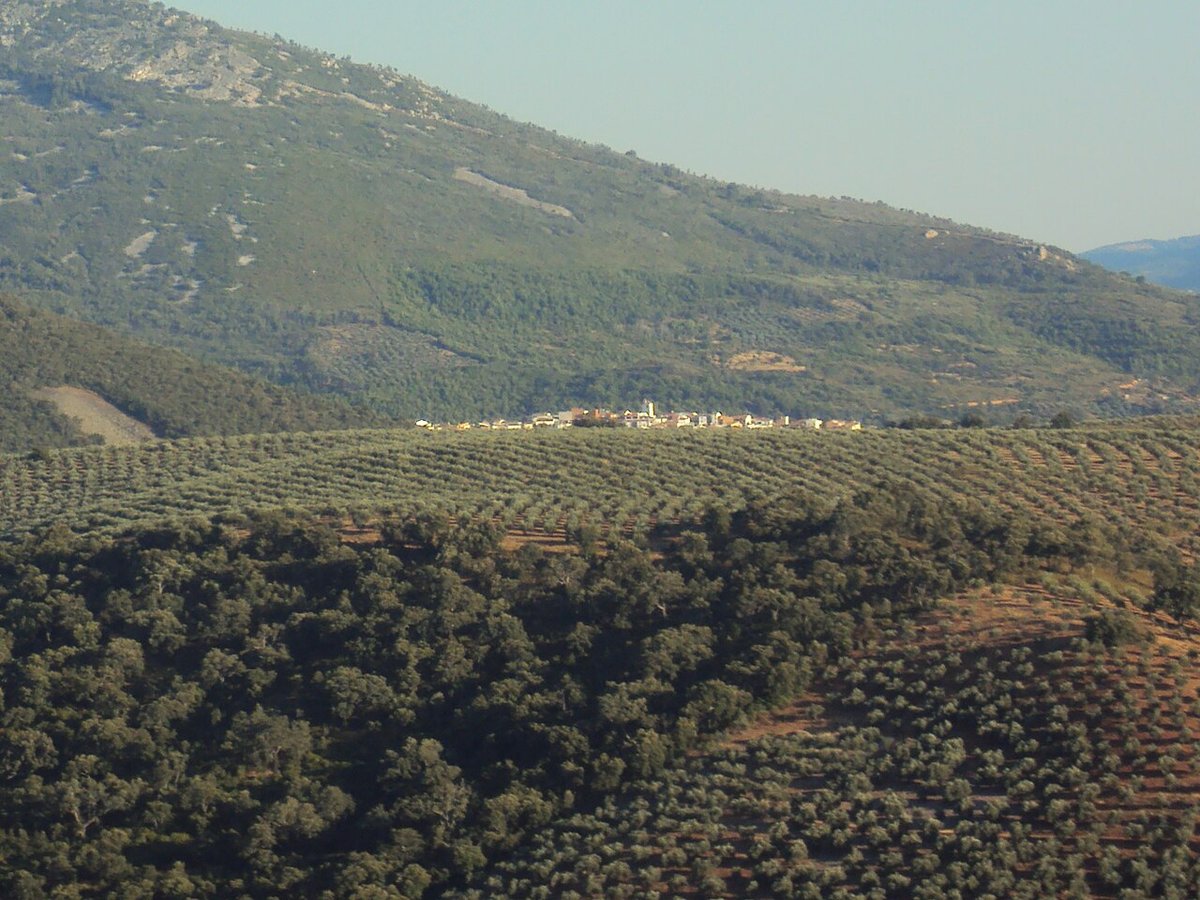
Tourism in Campillo de Deleitosa has more to do with its surroundings than with the village centre. Olive groves extend in all directions. Many of the trees are old, with thick trunks that show their age. Between them stand scattered holm oaks and small plots that were once vegetable gardens.
This area forms part of the Villuercas‑Ibores‑Jara region, a rural and relatively sparsely populated corner of Extremadura. There are no prepared viewpoints or marked walking trails like those found in more established destinations. The tracks are agricultural. Anyone who wants to walk will need to find their way or ask locally.
Wildlife is one of the quiet attractions of the landscape. In this part of the Villuercas‑Ibores‑Jara it is relatively common to see black vultures and other large birds of prey. Sometimes black storks appear as well, though not always. Sightings depend on the day and a measure of luck.
After autumn rains, mushrooms emerge in certain clearings and on hillsides. Local people know what they are collecting. Without experience, it is better not to improvise. The countryside may look open and accessible, but it demands the same caution as anywhere else.
The overall impression is of working land rather than curated scenery. Olive groves dominate, and the paths serve practical purposes. That simplicity shapes the experience of spending time here.
Village Life Today
Campillo de Deleitosa has around a hundred inhabitants, often fewer. Daily life is quiet and largely inward‑looking. The village is not set up with visitors in mind. There are no obvious tourist services or organised activities designed for outsiders.
The main celebrations follow the religious calendar and coincide with the return of people who moved away for work. During those days the population increases slightly and there is more atmosphere in the square at night. The change is noticeable, even if temporary.
For the rest of the year, everything moves slowly. This rhythm mirrors many small villages in the wider comarca. Shops, services and social life operate at a scale suited to a small and ageing population. Visitors encounter everyday routines rather than performances.
Before You Decide to Visit
It helps to be clear about what Campillo de Deleitosa is, and what it is not. This is not a purpose‑built tourist destination. It is a small village surrounded by olive groves.
If the appeal lies in walking without marked routes and observing rural life as it unfolds in this part of Extremadura, then a short stop makes sense. The setting offers space, silence and continuity with older ways of organising land and water.
Anyone searching for major monuments or organised activities may prefer other spots within the Villuercas area. Campillo de Deleitosa does not compete on those terms. Its character rests in its modest scale, its agricultural surroundings and the steady pace that defines much of inland Extremadura.