Full Article
about Fresnedoso de Ibor
Small village in the Ibor valley, surrounded by nature and quiet.
Ocultar artículo Leer artículo completo
The church bell strikes noon and the only other sound is a distant tractor. In Fresnedoso de Ibor, population 260, the siesta starts early and finishes late. This is rural Extremadura at its most uncompromising: no souvenir shops, no boutique hotels, just granite doorways, whitewashed walls and a handful of bars where the coffee costs €1.20 and comes with a free biscuit.
A village that refuses to perform
British drivers approaching from Cáceres leave the N-521 at Bohonal de Ibor and climb 25 kilometres of switchback road. The final bend drops you into a single-street settlement that looks exactly like the Google Street View image – because nothing has changed since the camera car passed through. The parish church, finished in rough-hewn stone in 1783, presides over a sloping plaza where elderly men occupy the same bench every morning. There is no ticket office, no audioguide, just a door that opens at Mass times and a cool, dim interior that smells of candle wax and floor polish.
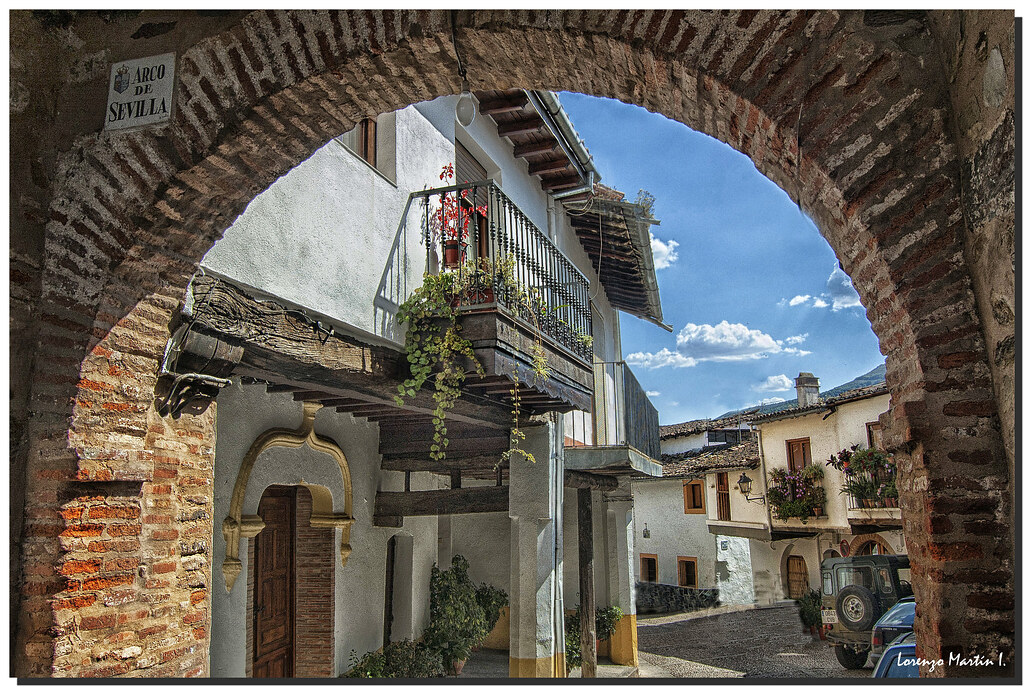
Walk the grid of three parallel streets and you will have seen the entire architectural inventory: granite portals capped with timber lintels, tiny wrought-iron balconies, red tile roofs patched after winter storms. A few houses have fitted double-glazed windows; the rest retain the original green shutters, warped by decades of summer heat. Building plots stand empty, their stone walls half-collapsed, waiting for descendants who never return. The effect is oddly honest – no heritage gloss, just the gradual process of rural decline and stubborn survival.
Dehesa on the doorstep
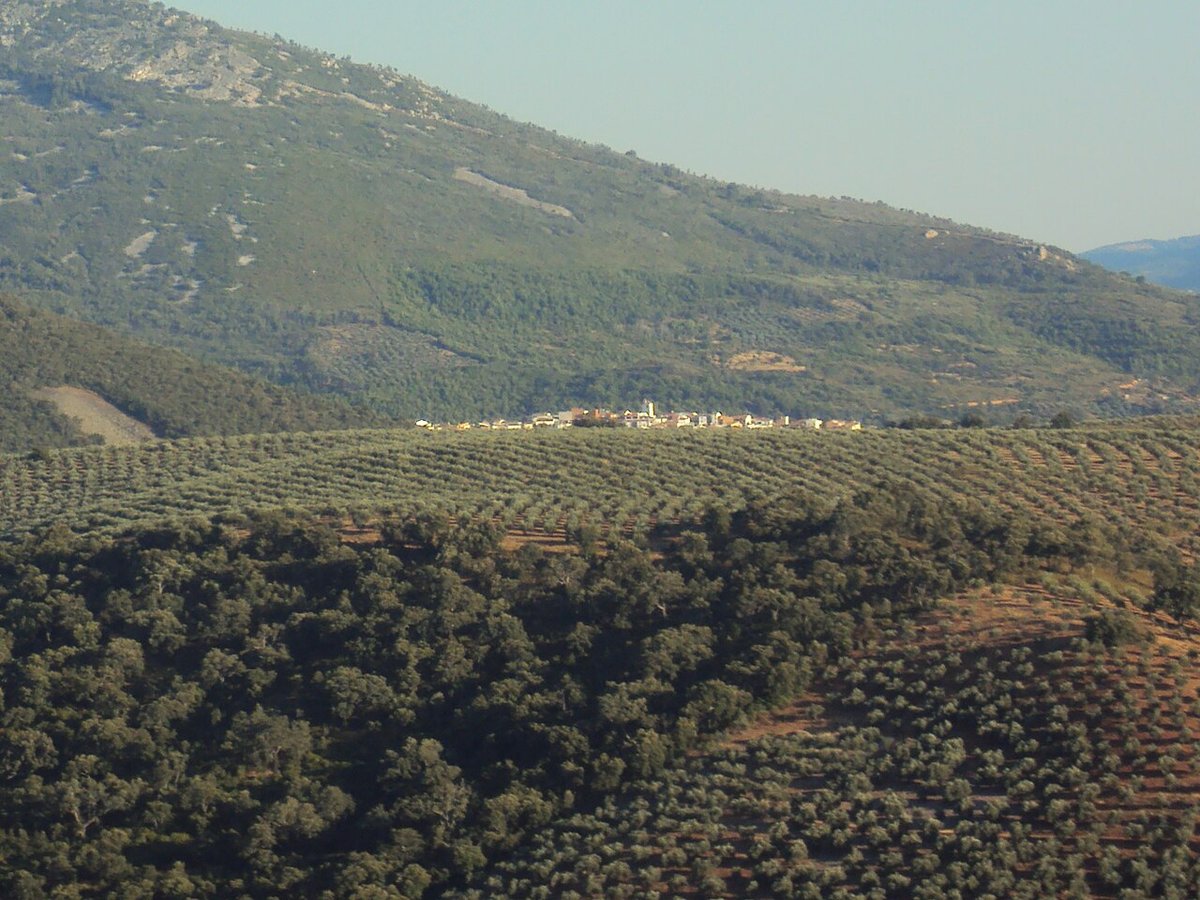
Leave the tarmac at the lower end of the village and a web of farm tracks fans out across the dehesa, the open oak woodland that covers much of south-west Extremadura. Holm oaks spaced thirty metres apart throw pools of shade over sheep, black Iberian pigs and the occasional retinto cow, a local rust-coloured breed that regards walkers with bored suspicion. In April the ground is yellow with cistus flowers; by July the grass has baked to straw and the only green is the canopy overhead.
There are no way-marked circuits. Instead, villagers suggest you follow the track that contours above the seasonal stream, turn left at the stone threshing circle and loop back past the ruined cortijo. The total distance is barely five kilometres, but the silence is complete except for bee-eaters overhead and the crunch of boots on gravel. Take water: the nearest fountain is in the plaza and summer temperatures touch 38 °C by eleven o’clock.
Birdwatchers arrive with dawn light. Griffon vultures breed on the granite outcrops two kilometres north-east, and Spanish imperial eagles have been seen quartering the ridge. A pair of binoculars and patience are more useful than a hide; most birds hunt the thermals above the cleared olive terraces on the far side of the valley.
Food without theatre
Fresnedoso keeps one grocery shop, one bakery van that visits on Tuesday and Friday, and two bars. Neither bar has a written menu; instead, the owner tells you what his wife has cooked that day. Expect potaje de garbanzos (chickpea stew with spinach and salt pork), migas (fried breadcrumbs with garlic and chorizo) or, if you telephone the day before, cordero a la caldereta, lamb simmered with bay leaves and pimentón. A plate costs between €8 and €12, wine from the barrel is €1.50 a glass, and pudding is usually a slice of almond tart that arrived on the back of someone’s motorbike from the next village.
The hamlet forms part of the Villuercas-Ibores cheese route. Smallholdings milk their goats twice daily and sell a raw-milk queso ibores coated in sweet or smoked paprika. The flavour is grassy, faintly tangy, and nothing like the plastic-wrapped supermarket version. Buy a half-wheel at the shop, but remember it is illegal to bring unpasteurised cheese into the UK, so eat it on the terrace with a packet of Regañás biscuits and watch the sun drop behind the sierra.
When the village remembers how to party
For eleven months of the year Fresnedoso sleeps, but during the fiestas patronales in mid-August the population quadruples. Returning emigrants park hatchbacks along the main street and string lights between the oaks. Events begin with a foam party for children – the only time the plaza’s stone slabs become slippery – and end at four in the morning when the makeshift disco runs out of beer. A British visitor wandering down for breakfast will find the village silent again, empty cups rolling in the gutter and the elderly men back on their bench as if nothing happened.
Smaller gatherings occur around the matanza, the traditional winter pig slaughter. Families still fatten one pig a year, slaughter it in December and spend three days making chorizo, salchichón and morcilla. Tourists are not excluded, but neither are they courted; turn up with clean hands and a willingness to stir the black pudding vat and you will be offered a glass of anis and a slice of fresh panceta. Vegetarians should stay in their casa rural that day.
Beds, banks and buses
Accommodation consists of three privately owned cottages rented by the night. Casa Pilar sleeps four, has Wi-Fi that works when the wind blows from the south and costs €70 a night with a two-night minimum. Bring cash: the nearest cash machine is 18 kilometres away in Cañamero and the village shop does not accept cards. There is no bank, no petrol station, and the doctor visits on Tuesday mornings.
Public transport is theoretical. One bus leaves Plasencia at 07:15, reaches Fresnedoso at 09:30 and returns at 14:00. Miss it and you are hitching. Most British visitors base themselves in Guadalupe, twelve kilometres east, where the monastery car park has spaces and the monastery itself provides the cultural counterweight to Fresnedoso’s resolute ordinariness.
The honest verdict
Come here if you need a day without itineraries, not if you require Instagram moments. The village will not entertain you; it will simply continue being itself while you happen to be present. Walk the dehesa, eat the stew, drink the wine, listen to the hush. Then drive away before the afternoon heat turns the car steering wheel into a branding iron. Fresnedoso de Ibor offers nothing spectacular, yet for travellers worn out by Spain’s costas and city-break tick lists, that nothing feels remarkably like peace.