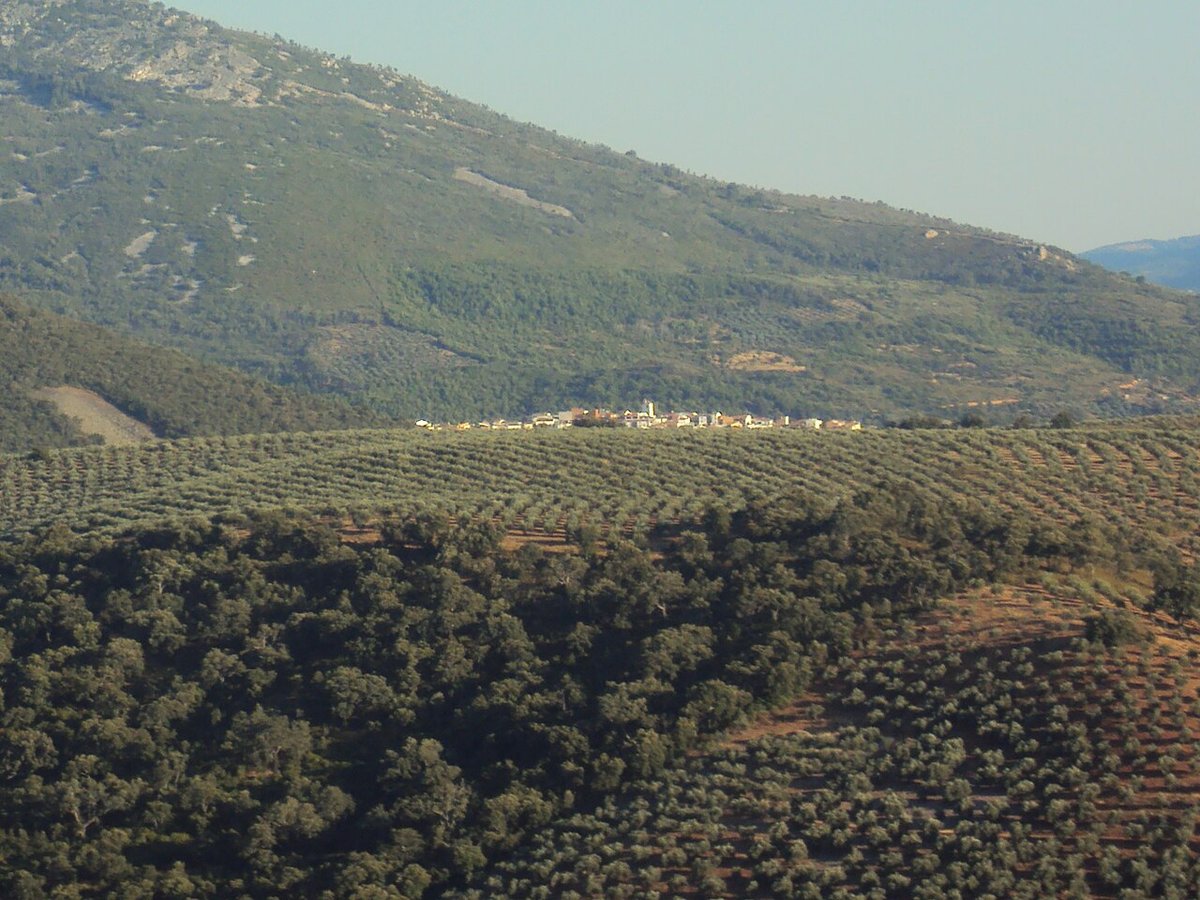
Vista aérea de Navalvillar de Ibor
Instituto Geográfico Nacional · CC-BY 4.0 scne.es
Extremadura · Meadows & Conquerors

Navalvillar de Ibor

The EX-118 from Guadalupe climbs through cork oak and sweet chestnut until the tarmac narrows and the valley drops away to your left. Keep going: w...

374 inhabitants · INE 2025
665m Altitude

Why Visit

Mountain Geoparque Interpretation Center Geological routes

Best Time to Visit

spring

Santa Escolástica Festival (February) agosto

Things to See & Do
in Navalvillar de Ibor

Heritage

  • Geoparque Interpretation Center
  • Church of Santa Escolástica

Activities

  • Geological routes
  • Hiking

Festivals
& & Traditions

Fecha agosto

Fiestas de Santa Escolástica (febrero)

Las fiestas locales son el momento perfecto para vivir la autenticidad de Navalvillar de Ibor.

Full Article
about Navalvillar de Ibor

Mountain village in the Ibor valley; setting of great geological value

Ocultar artículo Leer artículo completo

The EX-118 from Guadalupe climbs through cork oak and sweet chestnut until the tarmac narrows and the valley drops away to your left. Keep going: when the radio crackles and phone signal flickers out, you've arrived at Navalvillar de Ibor, a slate-roofed scatter of houses that sits 665 m above sea level and feels higher. From the village edge you look south over the Ibor gorge; on clear winter evenings the Sierra de Gredos shows white on the horizon, 150 km distant.

A village that fits in a lunch break

Navalvillar measures barely four streets by three. Park at the entrance – there's no traffic warden, only a concrete strip where the tarmac stops – and walk. Granite doorframes, stone walls the colour of weathered pewter and roofs of flaky grey slate give the houses a mineral look, as though they were quarried rather than built. The parish church, locked except for Sunday mass, dominates the small plaza; its bell strikes the quarters but keeps its own time. A complete circuit takes twenty minutes, thirty if you pause to read the hand-painted tiles that commemorate the 1960s emigration to Catalonia.

There are no souvenir shops, no medieval gates, no tablaos flamencos. What you get instead is silence broken by swifts and, in October, the smell of wood smoke and chestnuts drifting from backyard ovens. The village makes sense as a place people live rather than a place people visit; washing still hangs between balconies and the municipal dustcart arrives on Tuesdays with a clatter that echoes off the gorge.

Walking into the Geopark

Navalvillar sits inside the Villuercas-Ibores-Jara Geopark, a UNESCO-listed slab of ancient seabed tilted on edge. Footpaths leave from the last house on the Cañamero road. One easy option follows a farm track west for 2 km to the abandoned hamlet of Robledillo, where holm oaks grow through the roof of the schoolhouse. Allow an hour there and back; the stony path is drivable in a sturdy car but walkers get the better views.

Serious hikers should aim for the Cuchillos del Silencio, a saw-toothed ridge 6 km south. Start at dawn: summer temperatures touch 35 °C by eleven and there is no shade after the first kilometre. The route gains 400 m of height, much of it on broken quartzite that skates under walking boots. From the crest you can see the cork forests of Ibores roll west like a rumpled green carpet stitched with stone walls. Carry more water than you think necessary – the only tap is back in the village and phone coverage is patchy once you drop into the gorge.

Monday, no lunch

Food options are limited. The single bar, La Parada, opens at 07:30 for coffee and churros, serves migas extremeñas (fried breadcrumbs with garlic and grapes) at 14:00, then closes when the last customer leaves. If the shutter is down – common on Mondays – the nearest alternative is Guadalupe, 19 km away. The village shop, two doors from the church, stocks UHT milk, tinned tuna and local honey; it shuts for siesta between 14:00 and 17:00 and all day Sunday.

For self-caterers, the Saturday market in Navalmoral de la Mata (35 km) sells Ibores goat cheese, spicy patatera sausage and seasonal chestnuts. Buy before you reach the mountains; once in Navalvillar, the only commerce is a vending machine outside the town hall that dispenses packets of crisps and, inexplicably, fishing bait.

Seasons of slate and blossom

April brings pink almond blossom against grey rock; night frosts are still possible, so pack a fleece. May and June are ideal for walking: daylight until 21:30 and daytime highs around 24 °C. In July and August Spanish families rent neighbouring cottages; the village doubles in size and the plaza fills with children's bicycles. Accommodation prices rise by about 20 %, though at €70 a night for a two-bedroom casa rural the increase feels modest compared with the Mediterranean coast.

October is the locals' favourite. Sweet-chestnut pickers drag sacks to the cooperative press and the air smells of caramelising sugar. Early morning mist pools in the gorge, lifting to reveal rows of tawny chestnut trees that glow like copper when the sun breaks through. Rain is possible – this is Spain's wettest corner after the Basque Country – but showers usually pass before midday. Winter brings clear skies and zero tourism. Daytime temperatures hover at 10 °C, nights drop to –2 °C, and the EX-118 can ice over in shade. Snow is rare but not unknown; carry tyre chains between December and February.

Getting here and away

Public transport is theoretical. One weekday bus leaves Talavera de la Reina at 14:00, reaches Navalvillar at 17:15 and returns at dawn the next day. It doesn't run at weekends or on public holidays. Without a car you are stranded.

Drivers should fill the tank in Navalmoral or Guadalupe; the village has no petrol station and the nearest is a 35-km round trip. From Madrid take the A-5 west to Navalmoral (toll-free after the M40), then the EX-118 south through Berzocana. The final 12 km twist like a dropped ribbon – allow 25 minutes and watch for wild boar at dusk. There is no mobile coverage for the last stretch; download offline maps before you leave the main road.

What to pack and what to leave

Essentials: walking boots with ankle support, sun-hat, litre of water per person, cash in small notes, head-torch for late returns. Optional: binoculars for griffon vultures, a stick for chestnut husks, a Spanish phrasebook – English is rarely spoken.

Leave the wheeled suitcase at home; the lanes are cobbled and your rental cottage is likely up a 1-in-5 slope. Dress codes don't exist. The mayor drinks his coffee in work overalls; turn up in tweed or technical nylon, nobody minds.

Last orders

Navalvillar de Ibor will never feature on a postcard rack in Gatwick. It offers no swimming pool, no Michelin stars, no craft-beer taproom. What it does provide is a front-row seat to one of Spain's emptiest mountainscapes, a place where the loudest sound after midnight is the church clock counting the hours. Come for two days of walking and chestnut-scented air, stay for four and you may start recognising villagers by their dogs. Stay a week and you'll understand why half the houses have For Sale signs written in Madrid number plates – and why, for some of us, that feels like a reason to linger rather than leave.

Key Facts

Region
Extremadura
District
Villuercas-Ibores-Jara
INE Code
10132
Coast
No
Mountain
Yes
Season
spring

Livability & Services

Key data for living or remote work

2024
Connectivity5G available
Housing~5€/m² rent · Affordable
CoastBeach nearby
Sources: INE, CNMC, Ministry of Health, AEMET

Planning Your Visit?

Discover more villages in the Villuercas-Ibores-Jara.

View full region →

More villages in Villuercas-Ibores-Jara

Traveler Reviews