Full Article
about Peraleda de San Román
Town with significant Roman and Visigothic archaeological remains
Hide article Read full article
Peraleda de San Román, entre la dehesa y la piedra
En el extremo occidental de la provincia de Cáceres, dentro de la comarca de Villuercas-Ibores-Jara, Peraleda de San Román se asienta a unos 470 metros. Su población, en torno a 270 personas, explica su organización: este es un lugar que funciona para la agricultura y la ganadería, no para el turismo. El ritmo diario lo marca el trabajo con la tierra, y eso determina su aspecto y su carácter.
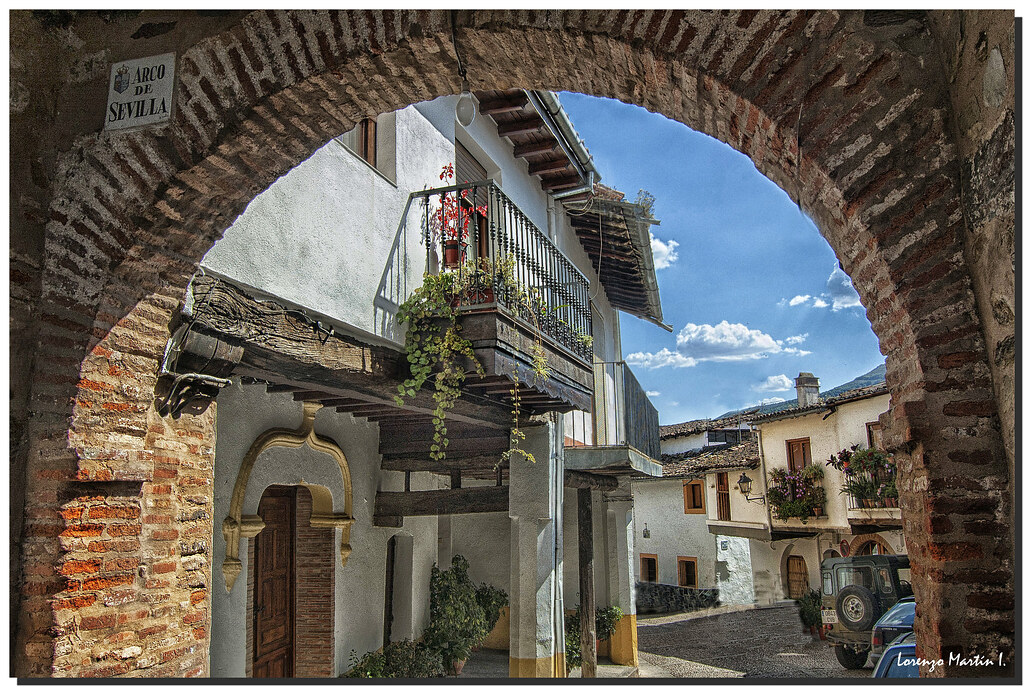
Las calles, estrechas y sin un trazado regular, discurren entre casas de mampostería y adobe. Son los materiales que se han usado aquí durante siglos. En muchas viviendas se mantienen los patios interiores, espacios que antes acogían animales o herramientas y que ahora suelen tener una función más doméstica. En las afueras, los corrales y las pequeñas huertas muestran con claridad la relación directa que el pueblo mantiene con su entorno.
No hay una voluntad de adaptar la localidad para quien llega de fuera. Peraleda de San Román sigue su curso, con una arquitectura y un paisaje que forman parte de un mismo sistema.
La iglesia y la arquitectura doméstica
La iglesia parroquial, dedicada a San Román, ocupa el centro del pueblo. Su construcción se data generalmente en el siglo XVI, aunque ha tenido reformas posteriores. Está hecha con mampostería reforzada con sillares en las esquinas, una solución habitual en la arquitectura religiosa rural de la zona.
El edificio llama la atención más por su ubicación que por su tamaño. Desde el atrio se domina la principal vía de acceso al pueblo y se tiene una vista amplia de la dehesa que lo rodea. Ese paisaje abierto, característico del suroeste peninsular, actúa como telón de fondo constante.
El interior es sobrio. Arcos de medio punto y una capilla mayor sin ornamentación excesiva reflejan la escala de la comunidad a la que sirve. Es una parroquia construida para una población reducida, y ha mantenido esa función.
Las viviendas de alrededor responden a métodos constructivos prácticos, condicionados por el clima y los materiales disponibles. Los muros gruesos de piedra o adobe ayudan a regular la temperatura. Los tejados son de teja curva, y en algunos edificios se ven chimeneas cónicas, una forma presente en varias zonas de Extremadura. En los patios es frecuente encontrar pequeñas bodegas o antiguos lagares, vestigios de cuando la producción doméstica de vino tenía más peso que hoy.
El paisaje de dehesa
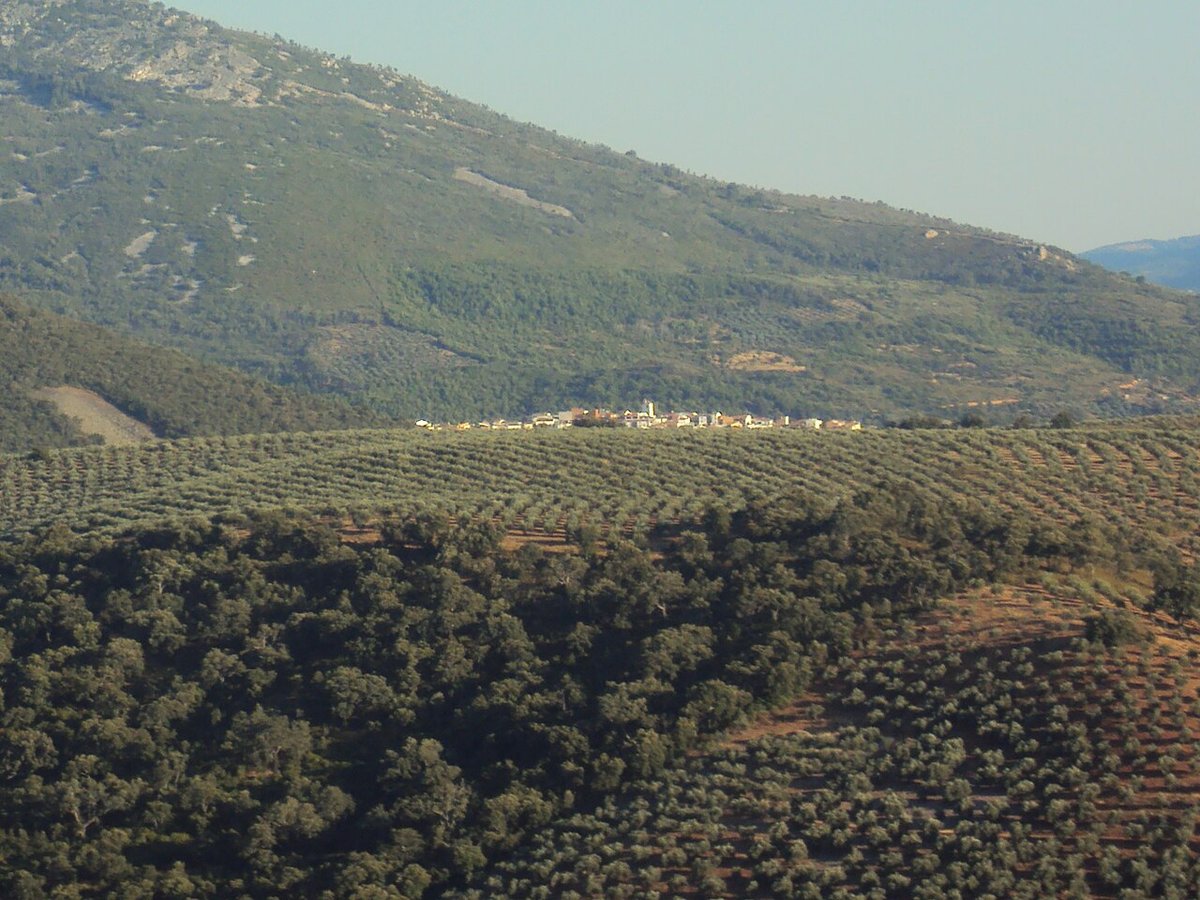
El campo alrededor de Peraleda de San Román es dehesa. Es un sistema agroforestal tradicional donde se combinan encinas y alcornoques dispersos con pastos para el ganado. El terreno es de lomas suaves y valles abiertos, por donde pastan ovejas y cabras.
No se trata de un espacio natural virgen, sino de un paisaje modelado por siglos de uso. Su equilibrio proviene de una gestión continuada, no de una conservación aislada. La tierra parece trabajada, pero no agotada.
Una red de caminos sale del pueblo. Muchos son pistas sin asfaltar que conectan fincas, fuentes y pequeñas zonas de cultivo. Estas rutas las han usado durante generaciones pastores y agricultores, y siguen siendo la forma más directa de moverse por los alrededores a un ritmo lento.
Es posible ver fauna, aunque depende de la paciencia y el momento del día. Al amanecer o al atardecer hay más probabilidades. Los rastros de jabalí son comunes, y las aves rapaces se oyen o se avistan con frecuencia sobre las lomas. No hay rutas señalizadas para la observación, por lo que los encuentros dependen más del movimiento silencioso y de cierta casualidad.
Tradiciones alimentarias y trabajo diario
La economía local sigue vinculada al campo. La ganadería, especialmente de ovino y caprino, forma parte de la vida cotidiana. En muchas casas, la producción de alimentos a pequeña escala para el autoconsumo mantiene tradiciones que se han transmitido a lo largo del tiempo.
Los quesos artesanales y los embutidos de la matanza forman parte de esta cultura. La matanza, el sacrificio tradicional del cerdo en los meses fríos, sigue siendo un momento importante para las familias. No es tanto una celebración como una jornada de trabajo compartido, en la que se preparan productos como chorizo, morcilla o lomo adobado para el consumo anual.
La recolección estacional también tiene su papel. Espárragos silvestres, setas y hierbas comestibles se recogen en el campo circundante cuando las condiciones lo permiten. No es una actividad organizada para visitantes, sino parte del conocimiento local sobre el territorio que conservan muchos vecinos.
Estas prácticas no se presentan como exhibiciones de patrimonio. Continúan porque son útiles y tienen sentido dentro de la comunidad.
Fiestas y ritmo anual
El calendario del pueblo lo marcan sobre todo las celebraciones religiosas. Las fiestas en honor a San Román tienen lugar hacia finales de agosto. Durante esos días regresan muchos antiguos residentes y la localidad gana animación. Procesiones, comidas familiares y actos organizados por el ayuntamiento o las asociaciones congregan a la gente.
La Semana Santa se vive de forma más contenida, acorde con las dimensiones del pueblo. Las procesiones recorren las calles principales sin una escenografía elaborada, apoyándose en la participación directa de los vecinos.
Estas ocasiones marcan puntos del año en los que la comunidad se hace más visible, aunque siguen ligadas a la participación local más que a la mirada externa.
Cómo orientarse
Peraleda de San Román está en la parte occidental de la comarca de Villuercas-Ibores-Jara, una zona de relieve suave, paisajes de dehesa y pequeños asentamientos rurales. El pueblo en sí es compacto y se recorre fácilmente a pie.
Comprender el lugar no pasa por visitar grandes monumentos. Un paseo por sus calles y por alguno de los caminos circundantes basta para ver cómo el espacio construido y el paisaje siguen funcionando juntos. El interés está en esa relación, donde el pueblo y su entorno continúan operando como un sistema conectado.