Full Article
about Robledollano
Municipality in Los Ibores, surrounded by nature and chestnut trees.
Ocultar artículo Leer artículo completo
The church bell strikes seven and only twelve people hear it. That's normal for Robledollano, where the oak trees outnumber humans by roughly a thousand to one. At 710 metres above sea level in Extremadura's Villuercas-Ibores-Jara geopark, this granite-and-slate hamlet operates on mountain time. The bakery opens when the baker arrives. The bar serves coffee until the last customer leaves. Nobody rushes.
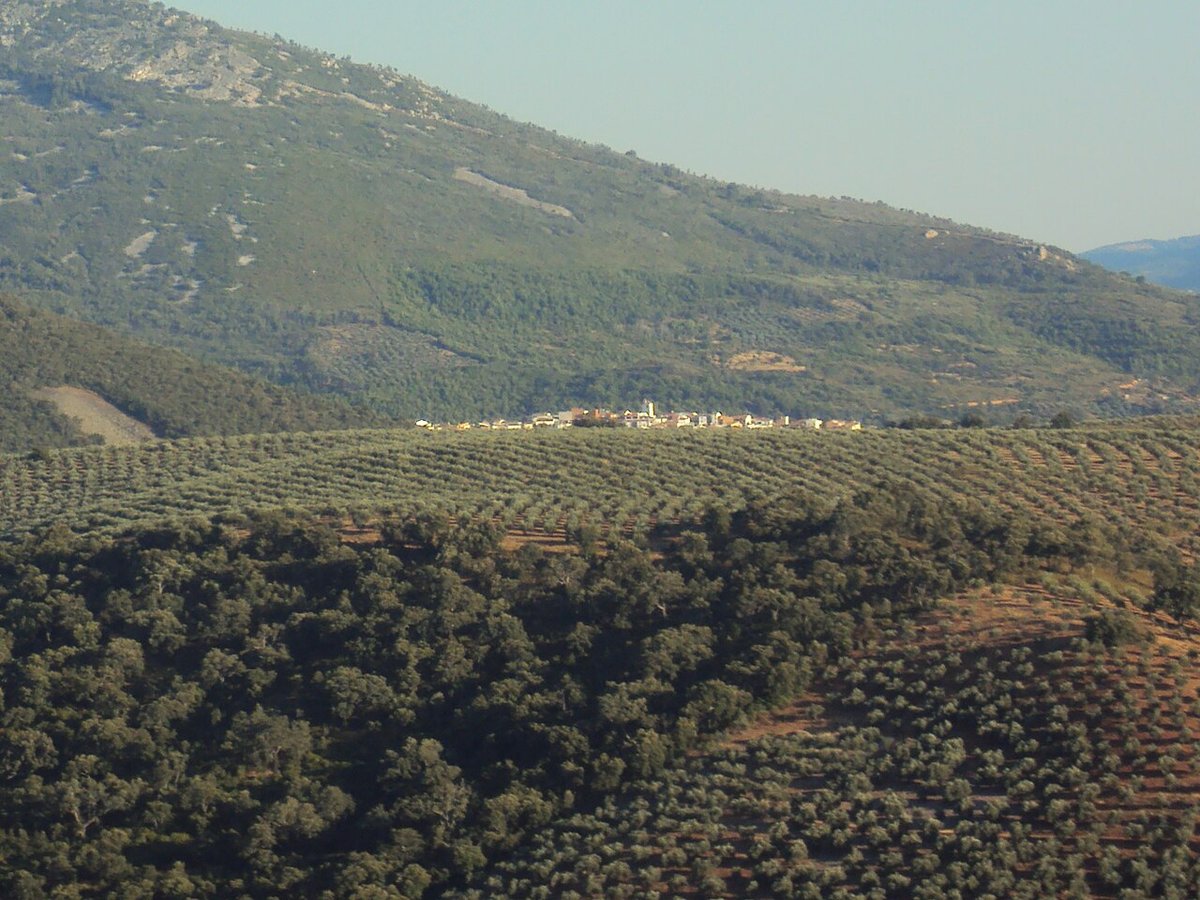
Morning mist pools in the valleys below, revealing just how high the village sits. From the upper lanes you can trace the folds of ancient rock that UNESCO deemed special enough to protect, though there's no visitor centre explaining why. The geology speaks for itself: zig-zag ridges, exposed quartz veins, and slopes that drop away like broken plates. It's the sort of view that makes map-readers reach for contours to confirm what their eyes refuse to believe.
Stone, Wood and Weather
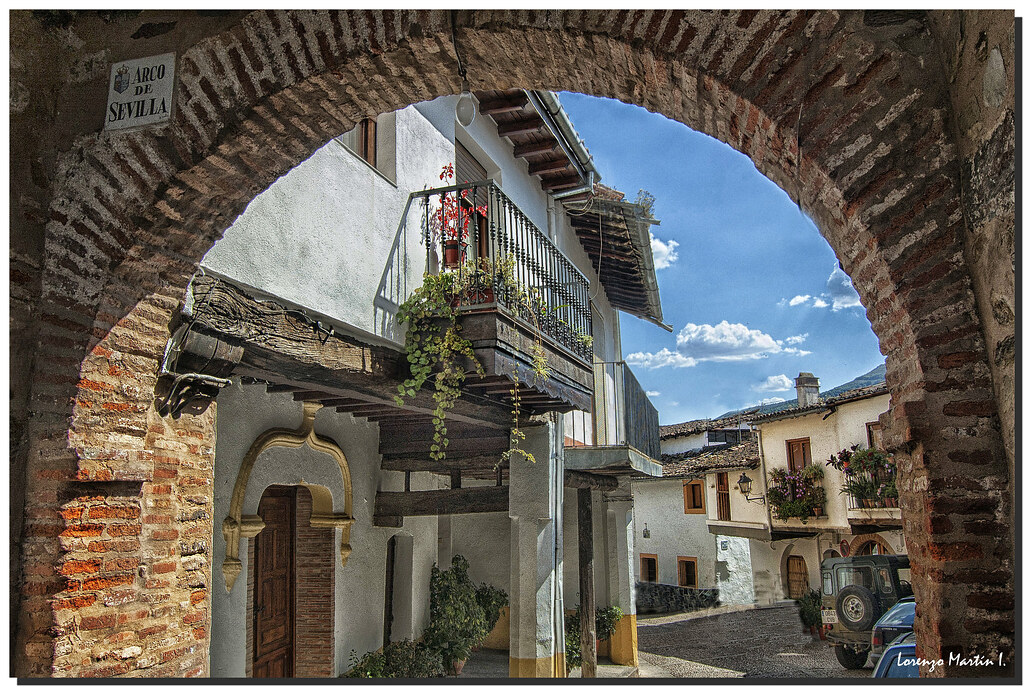
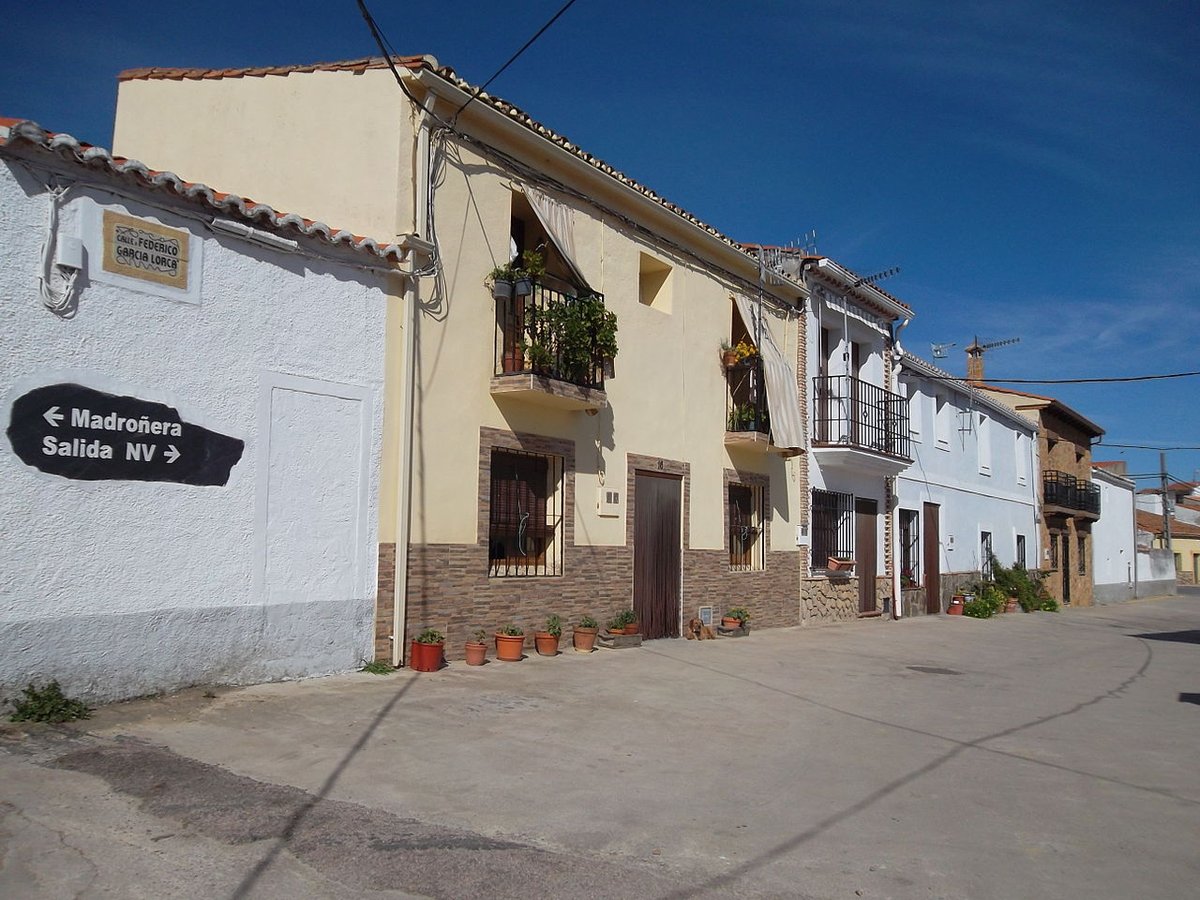
The houses here weren't designed to impress. They're practical arrangements of local slate and granite, built thick to survive winters where temperatures dip below zero for weeks. Chimneys stand tall like sentries, necessary because central heating arrived late to these parts. Wooden balconies sag under geraniums. Doorways shrink from centuries of foot traffic wearing down the granite thresholds.
Walking the single main street takes eight minutes if you dawdle. The parish church anchors one end, its stone bell tower patched so many times it resembles a quilt. Inside, whitewashed walls and simple pews continue the theme of function over flourish. There's no charge to enter, no guide hovering for tips. Light a candle for fifty cents if you wish. The priest visits twice monthly; the rest of the time the building simply waits.
Side alleys reveal hidden courtyards where chickens scratch between vegetable plots. Walls rise head-high, built from stones cleared from fields rather than quarried. Every decade or so a winter storm sends slates skittering down roofs; replacement tiles arrive when someone's cousin can transport them from Cáceres, 90 minutes away on winding mountain roads.
What Grows and What Moves
Autumn transforms the surrounding oak woods into a colour chart of ochres and rusts. This is when locals scatter across the hillsides collecting mushrooms—boletus, níscalos, rebozuelos—knowledge passed down like family recipes. They'll point out the differences if asked, though foreigners often struggle to spot what they see instantly. The season lasts roughly six weeks, depending on rainfall. Too dry and nothing appears; too wet and they rot before anyone finds them.
Spring brings a different palette. Green returns in layers: bright new grass, darker holm oak, silver-grey olive leaves. Wild asparagus pushes through roadside verges; women harvest it with kitchen knives, backs bent, chatting across the slope. Birdlife erupts. Jays flash sapphire wings between trees. Crested tits hang upside-down from pine branches. Griffon vultures circle overhead, wingspans wider than most village kitchens, riding thermals that rise from the warm rock.
Summer arrives harshly. By midday the sun flattens colours and drives people indoors. Shops close from two until five. The single bar fills with men discussing football in slow, measured sentences. Evenings bring relief; temperatures drop fifteen degrees after sunset. Night walking becomes pleasant, the Milky Way clearly visible thanks to zero light pollution. August fiestas draw former residents back from Madrid and Barcelona. The population temporarily triples. There's a foam party in the square, paella for fifty cooked over wood fires, and dancing that continues until the baker arrives next morning.
Tracks and Troubles
Several walking routes start directly from the village. The most straightforward follows an old drove road south towards Cañamero, passing abandoned threshing circles and stone huts where shepherds once sheltered. It's marked sporadically—red paint on the occasional rock—though downloading the track beforehand prevents wrong turns. Allow three hours there and back, including stops to watch butterflies basking on warm stones.
A tougher option climbs 400 metres to a ridge overlooking the entire geopark. The path narrows to a goat track, loose shale skittering underfoot. Reach the top on a clear evening and the view stretches fifty kilometres, taking in three provinces. Haze from African dust storms sometimes ruins the spectacle; check the forecast or ask in the bar. Locals know weather patterns three days ahead by reading cloud formations over the Sierra de Guadalupe.
Winter walking requires proper gear. When Atlantic storms hit, rain turns paths to streams and granite boulders become ice-skating rinks. The upside is having entire hillsides to yourself. The downside is reaching the village in the first place—the CC-19 approach road gains 300 metres in eight kilometres, with hairpin bends that refuse to thaw in weak sunshine. Snow chains live in car boots from December through February.
Eating and Sleeping
There are no hotels. Accommodation means either the municipal albergue—clean, cheap, but closed randomly when the key-holder visits her sister—or renting a village house by the week. Expect to pay €250-350 for a two-bedroom place with functioning fireplace and kitchen basic enough to test culinary creativity. The nearest supermarket sits twenty minutes away in Guadalupe, so stock up before arriving.
Food options within Robledollano itself remain limited. The bar serves coffee, beer, and tortilla made fresh each morning. They'll stretch to toasted sandwiches for hungry walkers. Otherwise you're cooking. Fortunately, regional specialities travel well: ibérico ham from Montánchez, sheep's cheese from the Vera, jarred piquillo peppers that transform simple pasta. The village bakery produces crusty loaves twice weekly; arrive early as neighbours buy by the armful.
For a proper meal, drive to Alía (25 minutes) where Casa Paco grills wild boar until it falls apart under forks. Their set lunch costs €12 including wine. Closer, in Cañamero, La Sierra serves migas—fried breadcrumbs with garlic, grapes and pork belly—perfect after windy ridge walks. Both places close Thursday evenings. Plan accordingly.
The Reality Check
Robledollano won't suit everyone. Public transport reaches the village twice daily, timing that assumes passengers have nowhere particular to be. Mobile signal disappears inside stone houses. Rain can strand visitors for days when the approach road floods. There's no petrol station, cashpoint, or shop selling newspapers. Entertainment means talking to people, walking further, or watching clouds change shape above oak branches.
Yet for those comfortable with self-reliance, the rewards accumulate slowly. Like learning to distinguish acorn varieties by their caps. Like discovering the exact spot where short-toed eagles nest each spring. Like understanding why locals greet strangers with surprise rather than sales pitches. The village operates on principles tourism forgot: seasons matter more than schedules, conversations beat attractions, and silence holds value.
Come prepared, tread gently, and you might leave realising the oak trees had the right idea all along—growing slowly, weathering storms, and standing rooted to one place through centuries of change.