Full Article
about Villar del Pedroso
Large municipality with thousand-year-old holm oaks and a carnival of souls.
Hide article Read full article
When the GPS gives up and you know you're close
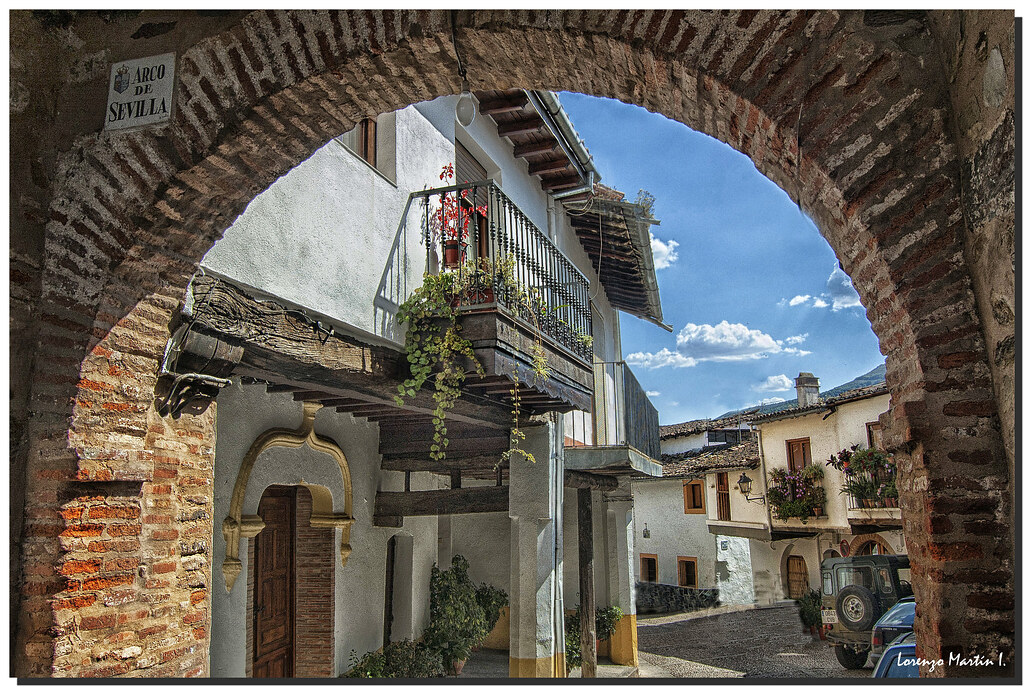
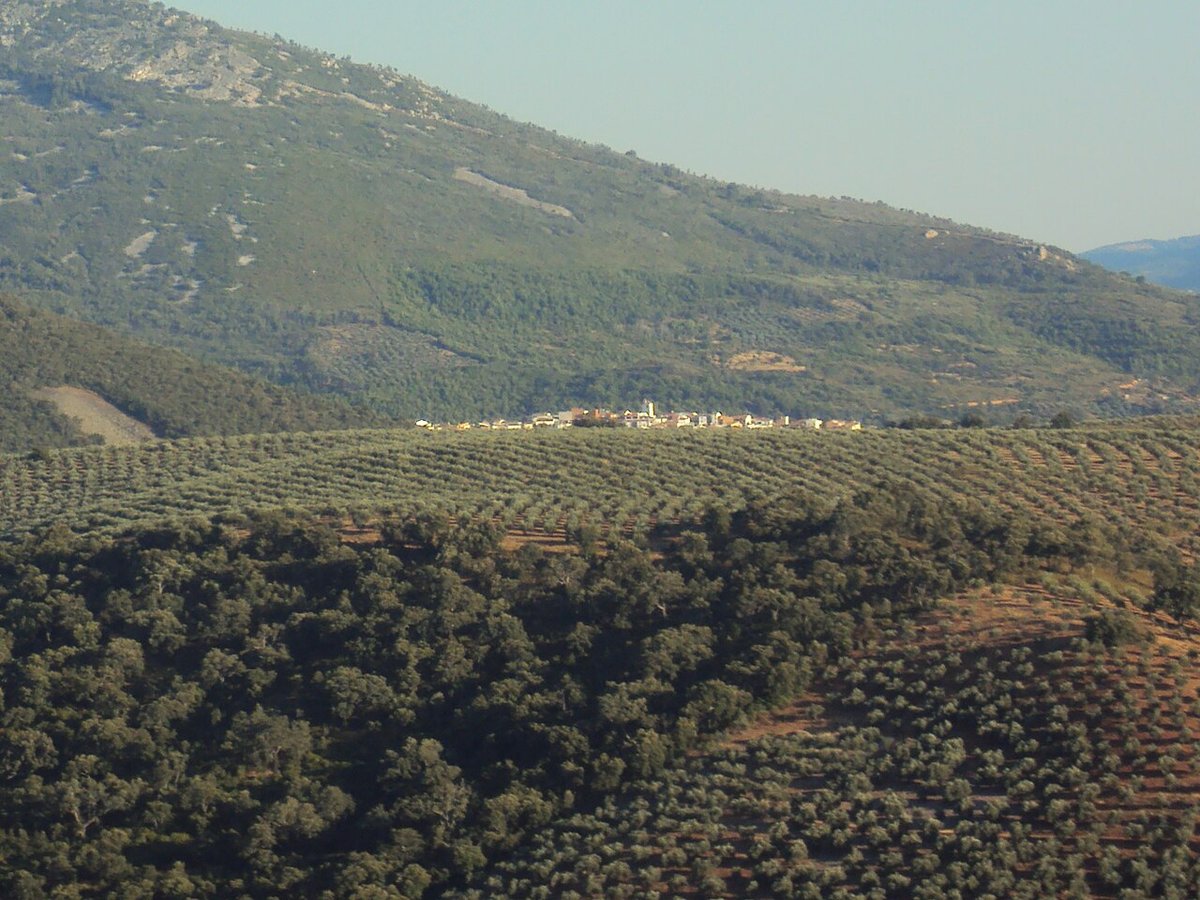
Driving to Villar del Pedroso, the road starts to feel like a suggestion. The tarmac narrows, the holm oaks crowd in, and your satnav just sort of sighs and stops trying. That’s how you know you’re arriving. The village sits in the Villuercas-Ibores-Jara comarca, not hidden, but settled into the land like it’s been there forever.
Around five hundred people live here. You won’t see postcard-perfect streets. What you get is a place that makes sense after you’ve walked it, after you’ve stood in its square and let the quiet sink in.
A church that overshadows everything
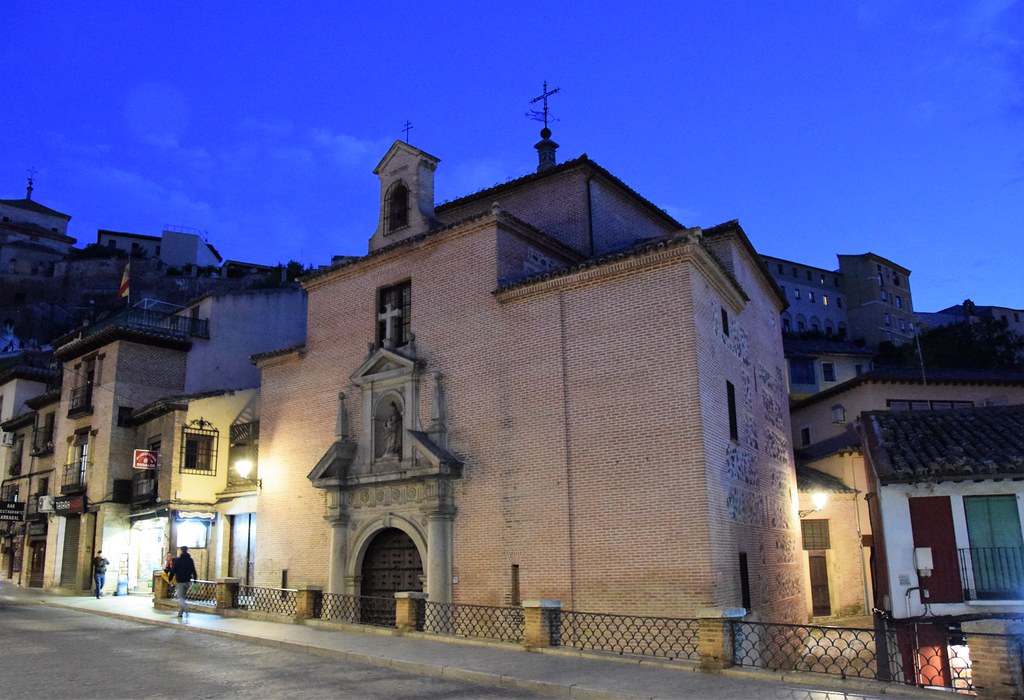
They call the Iglesia de San Pedro the “cathedral of La Jara.” It sounds like local pride until you see it. For a village this size, it’s frankly enormous.
They built it over centuries, so you get a bit of Gothic here, some Renaissance there, and repairs from whenever they had the money. It feels grown, not designed.
Step inside and it’s all cool stone and that heavy silence old churches hold. The door creaks and the sound bounces around forever. Climb up? The tower watches over the whole area. You’ll spot it from trails for miles, a stone thumbprint on the skyline.
Stones with stories no one can quite tell
A short drive out of town brings you to the Castillo de Castros. Forget Disney fortresses. It's more of an idea of a castle now—some walls, a lot of hilltop.
But what a hilltop. You stand there and the Tajo valley unfolds below you. You instantly get why someone would put a lookout here centuries ago.
The older locals around here are made of granite. I mean the verracos, those ancient stone animals carved by the Vetones people. You find them out in the fields among the sheep and oak trees. Nobody’s totally sure what they were for—boundary markers, maybe something spiritual. They just sit there, weathered and mysterious, doing a better job of guarding time than any castle.
A carnival where the masks aren't for fun
Come winter, Villar del Pedroso shakes off its calm. The Carnaval de Ánimas isn't about glitter or pop songs. It's older and stranger.
People wear rough masks, sackcloth, and belts of cowbells. They’re meant to be souls from purgatory, asking for prayers. There's a tiny centre that explains it all; it feels more like someone's front room than a museum.
See it at night? With just the bells clanking in the dark? It’s less party, more ghost story you can walk through.
Walking where water carved the rock
The easiest escape is down into the Desfiladero del Pedroso. It's a short walk, no marathon needed.
The stream has spent ages sculpting the granite into things called marmitas de gigante—giant’s cauldrons. They look like smooth bowls scooped out by some huge, lazy spoon.
If there's been rain, the sound of water changes everything. If it's dry, you still get clean lines of rock and quiet groves of trees. Trails lead from here into the wider geopark network. The signs can be… interpretive sometimes. Bring decent shoes and don't be in a rush.
Eating what works for this land
The food here doesn't do fussy flavours or tiny plates. This is cooking for cold mornings and hard work.
You'll see caldereta de cordero, a lamb stew that sticks to your ribs.Chanfaina turns up too—a hearty mix of rice with pork offal and paprika.It sounds robust because it is.It comes from making use of everything.
It all goes best with bread to mop up the sauce,a glass of local wine,and maybe some Ibores cheese afterwards—the sharp,paprika-rinded kind that has character.The kind that tastes like these hills feel