Full Article
about Alconera
A town devoted to quarrying natural stone and farming, set in a quiet valley of white vernacular architecture.
Ocultar artículo Leer artículo completo
Five hundred metres above sea level, the morning air carries a different weight. It's thinner, cleaner, with a scent that mixes wild herbs and woodsmoke from last night's fires. Alconera sits here, spread across a ridge in the Zafra-Río Bodión region, where the land rolls away in every direction like a crumpled green blanket dotted with ancient holm oaks.
This isn't one of those Spanish villages that screams for attention. With barely seven hundred souls, it's the sort of place where the church bell still marks the hours and where, if you arrive during siesta time, the only sound might be your own footsteps echoing off whitewashed walls. The altitude matters here—it keeps summer temperatures bearable compared to the baking plains below, though July and August afternoons still send sensible villagers indoors until the sun begins its descent.
The Architecture of Daily Life
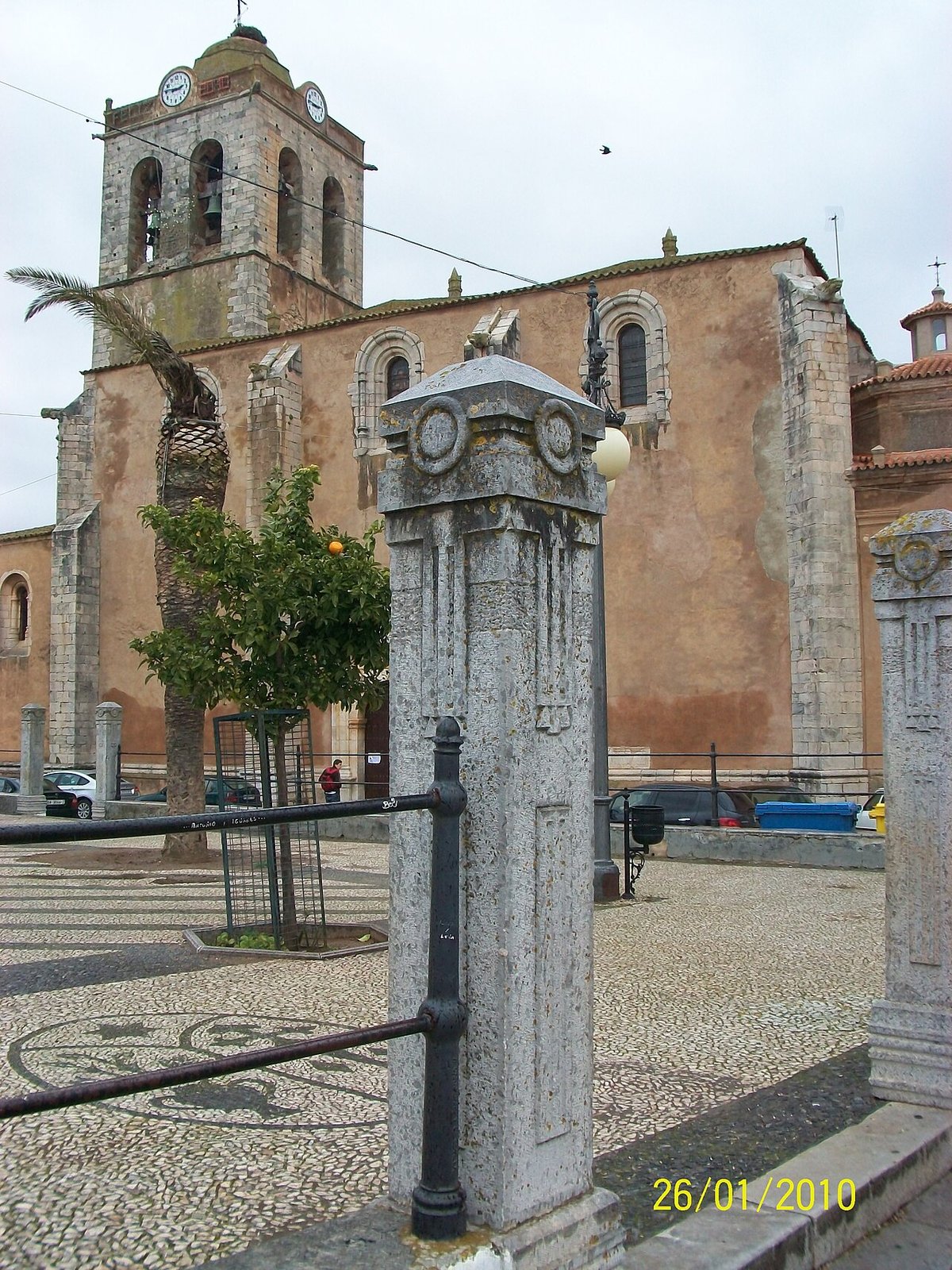
The Church of San Pedro Apóstol anchors the village centre, but calling it a landmark feels grandiose. It's a working building, patched and repaired over centuries, with none of the fancy frills you'd find in cathedral cities. Step inside and you'll see worn flagstones, simple wooden pews, and the kind of baroque touches that speak of rural craftsmen rather than court artisans. The granite doorway has weathered five hundred years of Extremaduran summers; run your hand along it and you'll feel the smooth grooves where countless villagers have done the same.
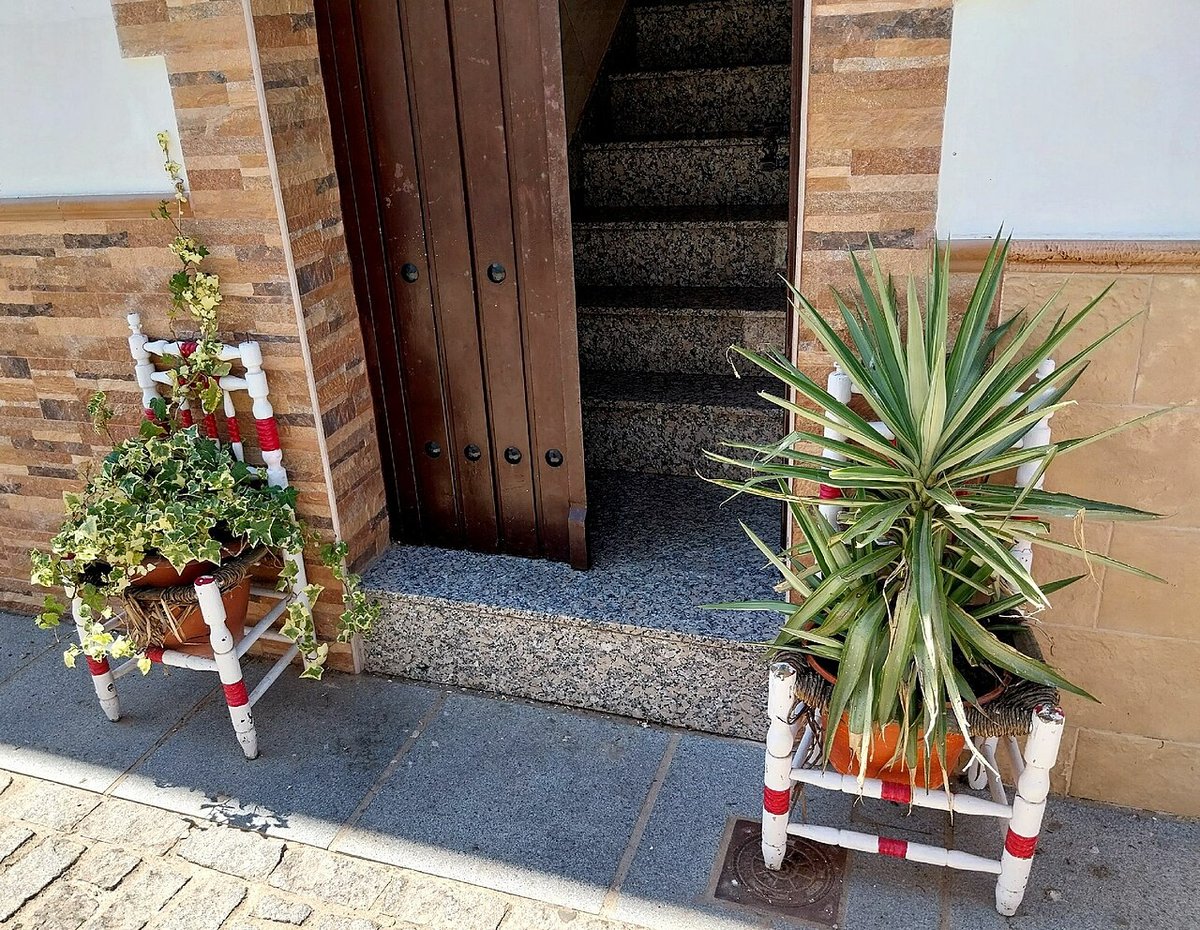
Wander beyond the church and the real character emerges. Houses here stand one or two storeys high, their walls thick enough to keep interiors cool during the fierce afternoon heat. Many retain the original courtyard layouts—outdoor spaces where families once kept chickens and grew vegetables, now often converted to shaded seating areas. The lime wash varies from brilliant white to a gentle cream, depending on when it was last applied. Some facades show influences from across the Portuguese border—note the decorative ironwork on balconies, the arched entranceways that speak of Moorish architectural memories filtered through centuries of regional adaptation.
Walking the Dehesa
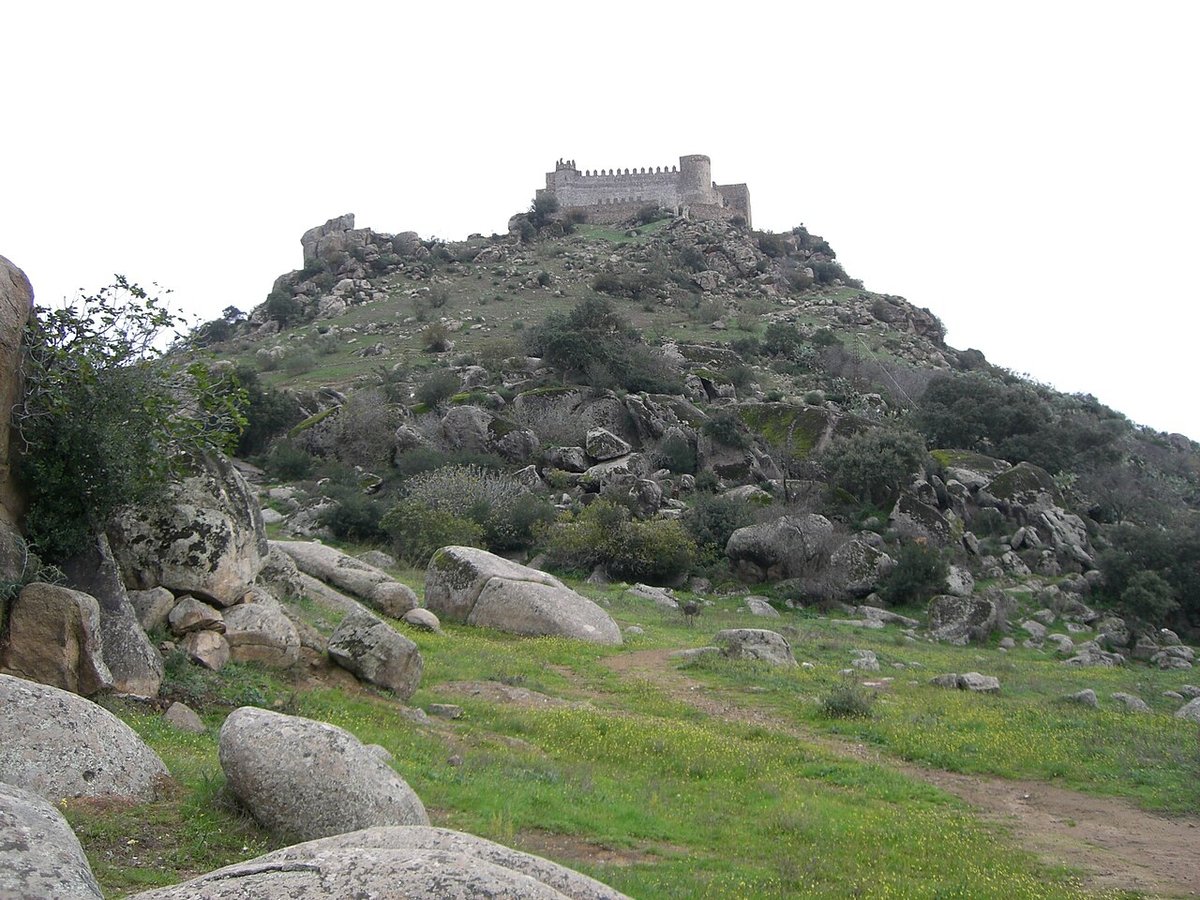
The landscape surrounding Alconera defines daily life here more than any building. This is dehesa country—an ancient agroforestry system that creates one of Europe's most biodiverse habitats. Holm oaks spread their gnarled branches across pastureland where black Iberian pigs root for acorns. The trees grow far enough apart to let light reach the grass below, creating a parkland effect that stretches to every horizon.
Several footpaths strike out from the village edges, though you'd be wise to pick up local advice before setting off. These aren't maintained National Trust routes with colour-coded waymarks. They're working paths—farm tracks that might lead through a field of grazing cattle or past a ruined stone hut where a shepherd once sheltered. Spring brings the best walking weather, when wildflowers paint the meadows and temperatures hover in the low twenties. October works too, when the acorn harvest begins and the landscape glows amber in the slanting light.
Birdwatchers should bring binoculars. The dehesa supports an extraordinary range of species—you might spot hoopoes with their distinctive crests, or booted eagles riding thermals above the ridge. Black vultures nest in the more remote areas, while azure-winged magpies flash blue as they flit between trees. Dawn and dusk offer the best sightings, when the birds are most active and the light turns magical.
What Actually Matters Here
Food in Alconera follows the seasons with no concession to tourist expectations. Migas—fried breadcrumbs with garlic and pork—appear on most menus, along with gazpacho that's nothing like the chilled Andalusian soup Brits might expect. This version arrives hot, thick with paprika and served with chunks of bread. Local lamb grazes on the same herbs that flavour the local cheese, creating a distinctive terroir that supermarket meat can never replicate.
The village supports two small bars, both on the main square. They open early for coffee and pastries, serve lunch from about 1:30 pm until everything's gone, then reopen around 8 pm for evening drinks. Don't expect extensive menus—what's cooking depends on what the proprietor's family felt like preparing that morning. A plate of jamón ibérico, some local cheese, and a glass of regional wine might constitute dinner. Prices hover around €2.50 for a beer, €8-12 for a substantial meal.
The Reality Check
Let's be clear about what Alconera isn't. This isn't a destination for non-stop entertainment or Instagram moments. The village museum closed years ago through lack of interest. Shops amount to a small grocer, a bakery, and a hairdresser. If you arrive on a Tuesday afternoon outside peak season, you might struggle to find anywhere serving food—the bars sometimes close when trade's slow.
Accommodation options remain limited. A handful of village houses offer rooms on Airbnb, typically €35-50 per night for simple but clean accommodation. The nearest hotels cluster in Zafra, twenty minutes' drive away. Public transport reaches Alconera—two buses daily from Badajoz, one on Sundays—but having your own wheels transforms the experience. Roads wind up from the plains in hairpin bends; in winter, morning frost can make them treacherous.
Making It Work
Alconera functions best as part of a broader Extremaduran itinerary. Base yourself here for two or three nights and use it as a springboard for exploring the region. Zafra's medieval quarter lies twenty minutes south, while the Roman ruins at Mérida sit just over an hour's drive north. The Sierra de Aracena, with its chestnut forests and cave systems, begins an hour west.
Time your visit for April-May or September-October. Summer heat restricts serious walking to early morning or late afternoon, while winter brings sharp nights and the possibility of snow, though rarely enough to block roads. Spring offers wildflowers and migrating birds; autumn brings the pig harvest and mushroom foraging in the woods.
Bring decent walking boots—the paths can turn muddy after rain, and thorny vegetation tears at thin soles. Pack a Spanish phrase book too; English speakers remain thin on the ground here, though villagers respond warmly to any attempt at their language. Most importantly, adjust your pace. Alconera rewards those who arrive without rigid schedules, who can sit in the square watching old men play cards, who understand that sometimes the greatest luxury lies in having absolutely nothing to do.
The village won't change your life. It won't feature on glossy magazine covers or tourism board promotional videos. But for travellers seeking an authentic slice of rural Spain, where traditions persist because they still make sense rather than for visitor entertainment, Alconera delivers something increasingly precious: the chance to experience a place that remains fundamentally itself, altitude and all.