Full Article
about Atalaya
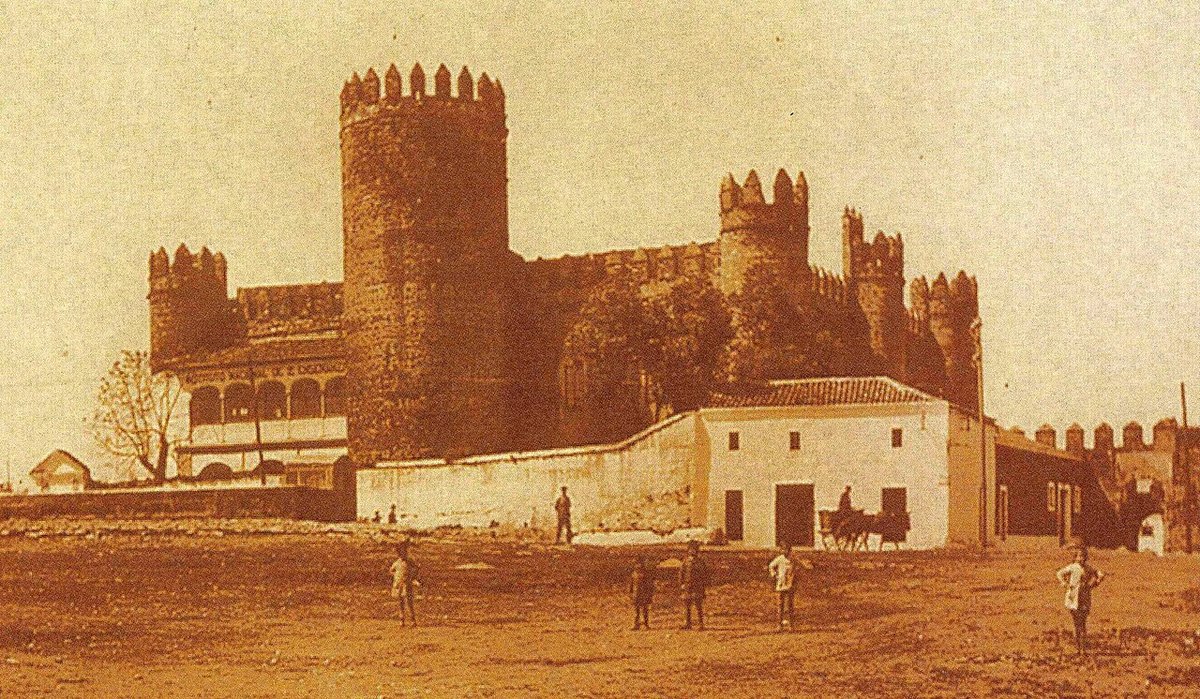
Small rural municipality; highlights include its medieval defensive tower built into the church and complete tranquility.
Hide article Read full article
At eight in the morning, light slips in low through the windows and bounces off whitewashed walls. The street is still empty. A rooster is more likely to be heard than a car, sometimes followed by the sharp thud of a farmyard door. That first stretch of the day says a lot about tourism in Atalaya: things move slowly, and the sounds of the countryside drift straight into people’s homes.
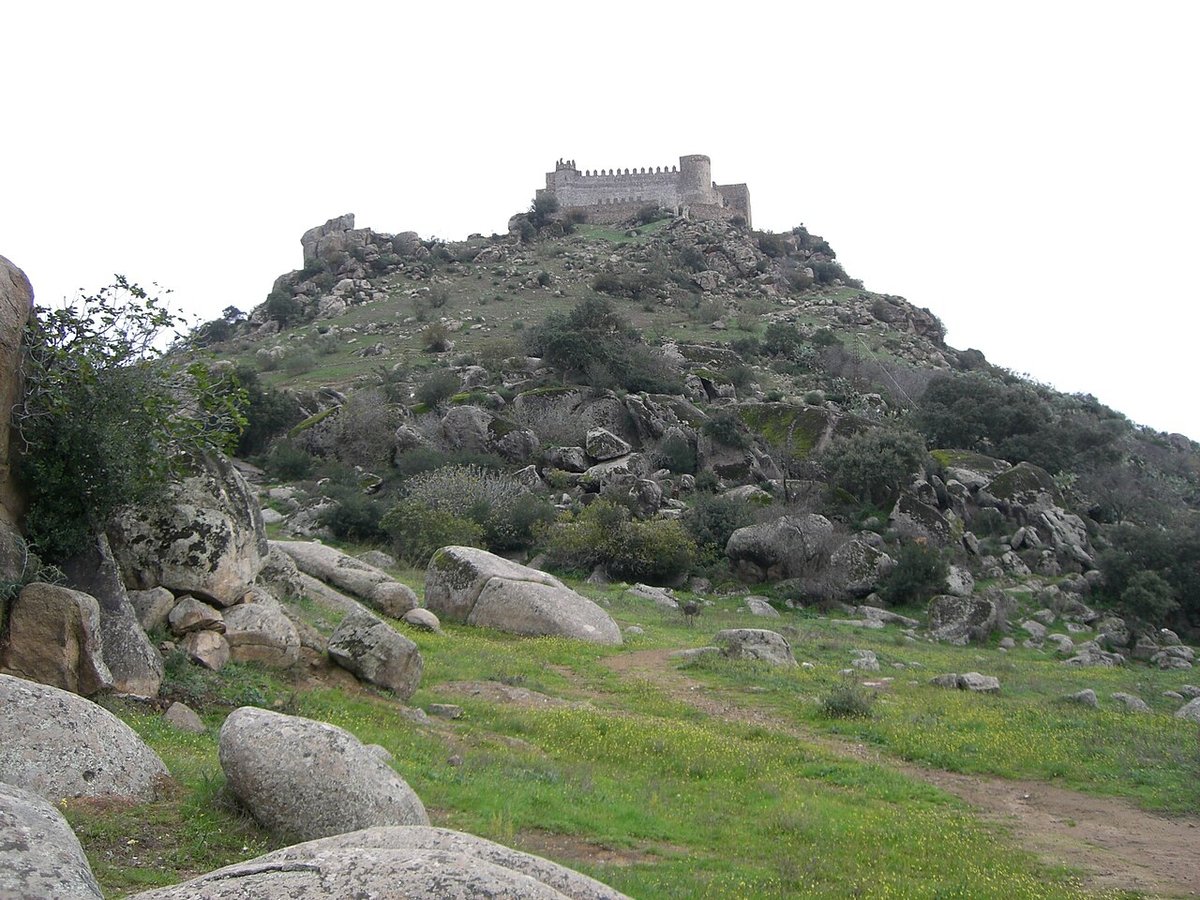
Atalaya sits in the comarca of Zafra–Río Bodión and has just over two hundred and fifty residents. It stands on a slight rise, with views across soft hills shaped by cereal fields, patches of dehesa with scattered holm oaks, and pasture where sheep graze. When there is a bit of wind, it often carries the mixed scent of dry earth and fresh manure. It is simply part of the setting.
A village set on higher ground
The name Atalaya refers to its elevated position. From here, the surrounding fields stretch out clearly, and for centuries this height was, at least in theory, useful for watching movement across the area. Today the view is quieter: farm tracks, low fences and old holm oaks casting rounded shadows on the grass.
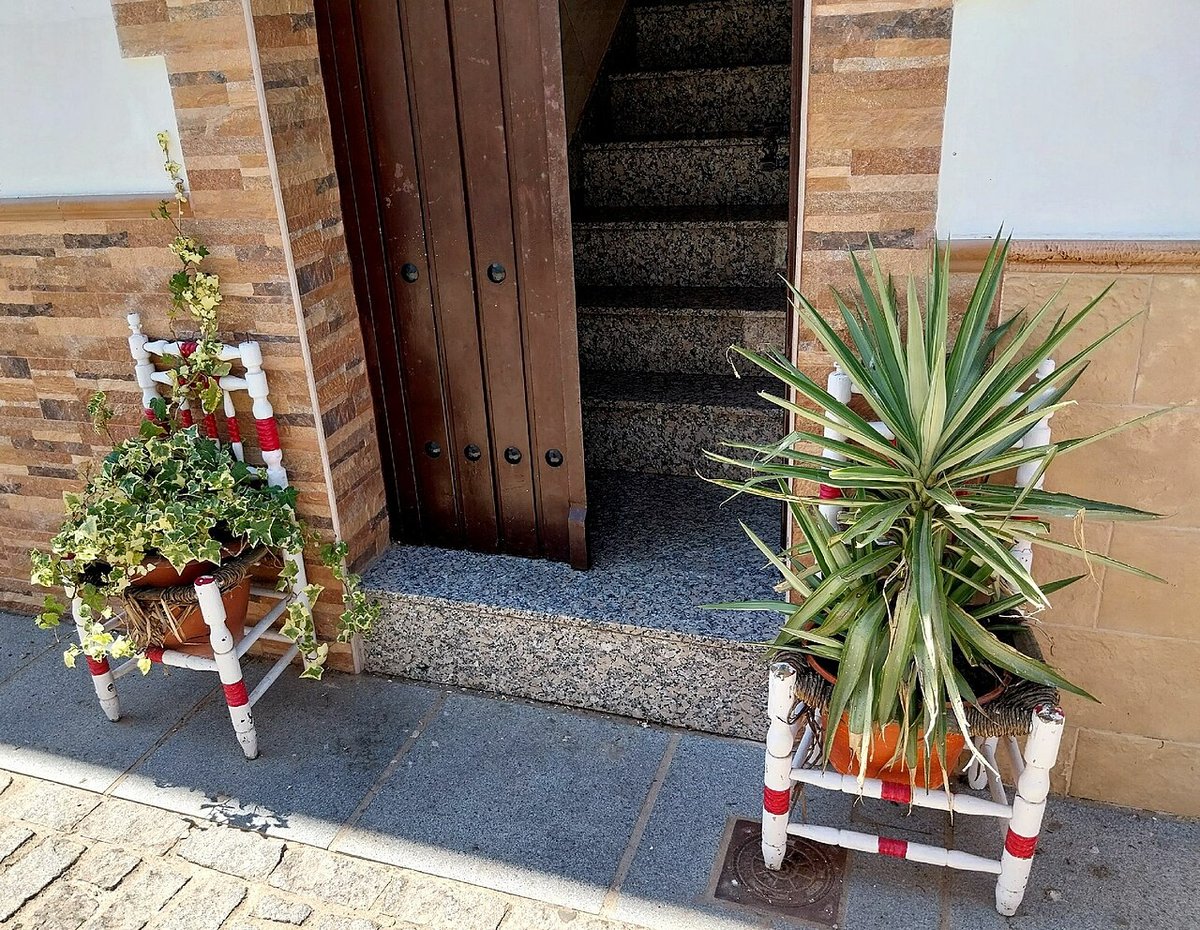
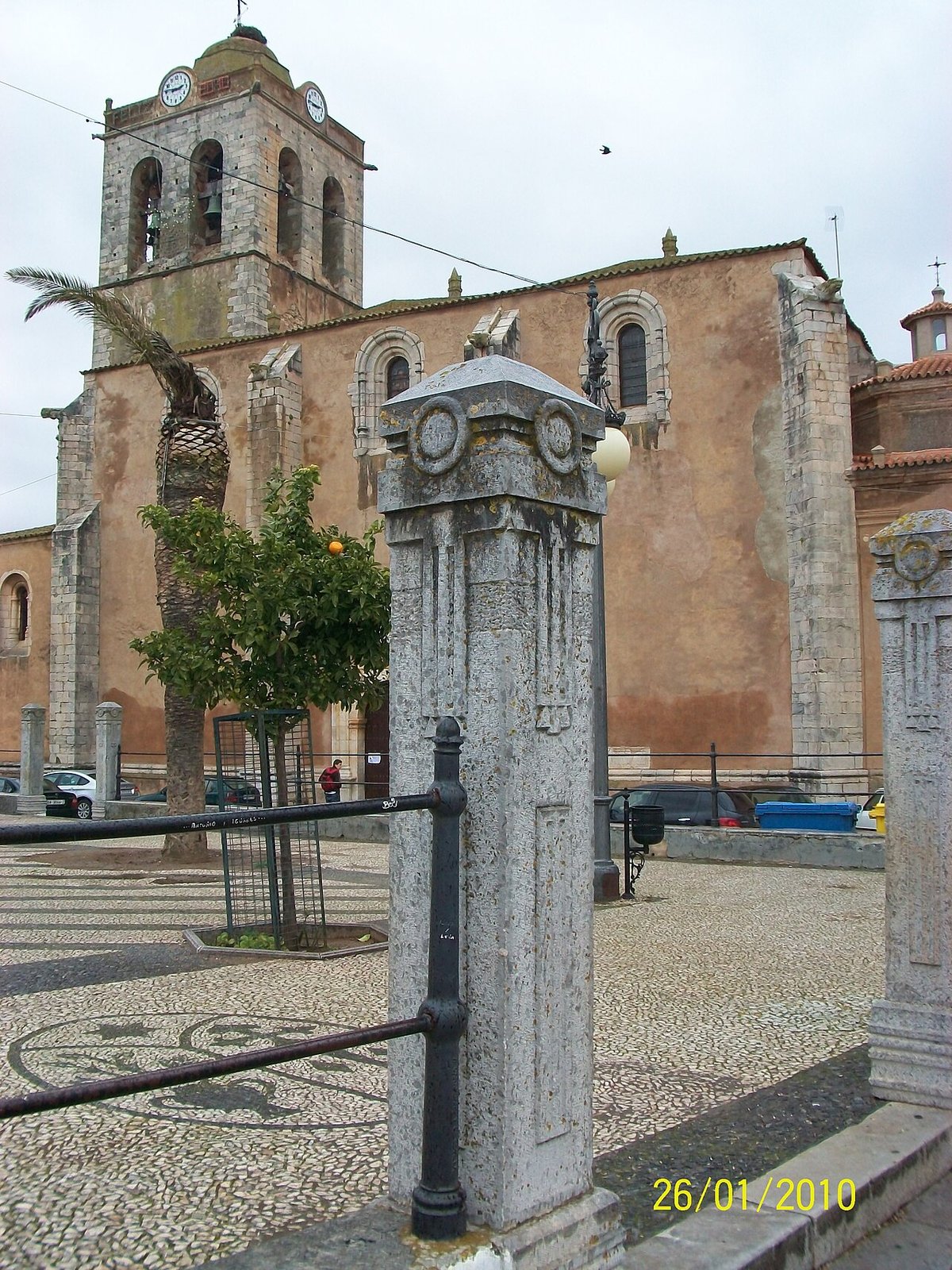
The village centre is compact and practical. White houses line the streets, many with inner courtyards, and some façades show plaster cracked by years of sun. At the centre stands the church of Nuestra Señora de las Nieves, built in the 20th century. Inside, it is simple, with worn wooden benches and an altar that avoids ornament. A low tower holds the bell, which still marks moments of the day that people here recognise easily: midday, mass, or a notice that carries across the whole village.
Tracks and open land around Atalaya
It takes very little effort to leave the village on foot, since almost any street eventually turns into a dirt track. These are not routes designed for hiking but working paths used by tractors, trailers and, from time to time, passing flocks.
Spring brings colour to the edges of the fields, where poppies appear alongside tiny yellow flowers that last only a few weeks. Autumn shifts everything into ochre tones. A slow walk makes it easier to spot partridges taking flight or a bird of prey gliding above the holm oaks. Some locals say that cranes can be seen passing through the area at certain times of year if you have binoculars, although it depends a lot on the season.
It is wise to carry water and protect yourself from the sun. Shade is scarce outside the dehesa, and in summer the heat builds strongly even by mid-morning.
Farming, livestock and the pace of daily life
Agriculture and livestock still shape everyday routines. Fields around the village produce cereals such as wheat and barley, and it is common to see Merino sheep grazing nearby. Iberian pigs are also present on some estates in the area, linked to the acorn season that arrives in autumn.
Holm oaks appear across the landscape, with thick trunks and wide, open crowns. The grass beneath them tends to stay fresher, and there are often remains of acorns nibbled by animals. These trees grow slowly and are a constant feature of this part of Extremadura.
Life follows these cycles closely. Activity rises and falls with the seasons, and much of what happens in the village connects back to the land that surrounds it.
What appears on the table
Cooking in many homes remains straightforward and based on slow pots. Lamb or kid goat stews are common, along with thick gachas during colder months. When summer arrives, tomatoes and peppers from local gardens take their place in everyday meals.
Some families still carry out the matanza, the traditional home slaughter, when the season comes around. During those days the air in the village changes, filled with the smell of paprika, marinated meat and smoke from chimneys where cured sausages hang. It is not organised for visitors or presented as an attraction. It continues as part of local life.
Olive oil produced in the area features in almost everything: spread over toasted bread in the morning, added to simple salads or used in bread-based soups in winter.
Marking the year
Religious celebrations still shape certain moments of the calendar. In summer, the feast of the patron saint is held, usually with a procession through the streets and gatherings among neighbours. These are not large-scale events, but rather a pause in the village’s usual rhythm.
Semana Santa also takes place here in a modest way, with short and restrained processions that move through the streets.
When to go
Spring and early autumn tend to be the most comfortable times for walking in the surrounding countryside. Summer can bring intense heat from mid-morning, and the village grows very still during the central hours of the day.
Atalaya does not offer large tourist infrastructure or signposted viewpoints. What it does offer is something quieter: calm streets, dirt tracks leading out into open land, and the sense that time moves differently here, guided more by the countryside than by the clock.