Full Article
about Calzadilla de los Barros
Small stop on the Vía de la Plata; noted for its Gothic-Renaissance altarpiece declared a National Monument.
Hide article Read full article
A place you understand just by walking it
Some places ask for a map. Others make sense after a single wander. Calzadilla de los Barros belongs firmly to the second group. You arrive, park near the main square, walk for ten minutes, and you already have a clear sense of how things work here.
There are no big surprises waiting around the corner, and that feels entirely intentional. This is a quiet village in the Zafra–Río Bodión area of Extremadura, where daily life moves at its own steady pace. Nothing pushes for attention. Instead, the rhythm comes from small routines, familiar streets and a landscape that still shapes how people live.
It is the kind of place that reveals itself without effort. A short walk is enough to pick up its character, and that simplicity is part of the appeal.
Between whitewashed façades and familiar routines
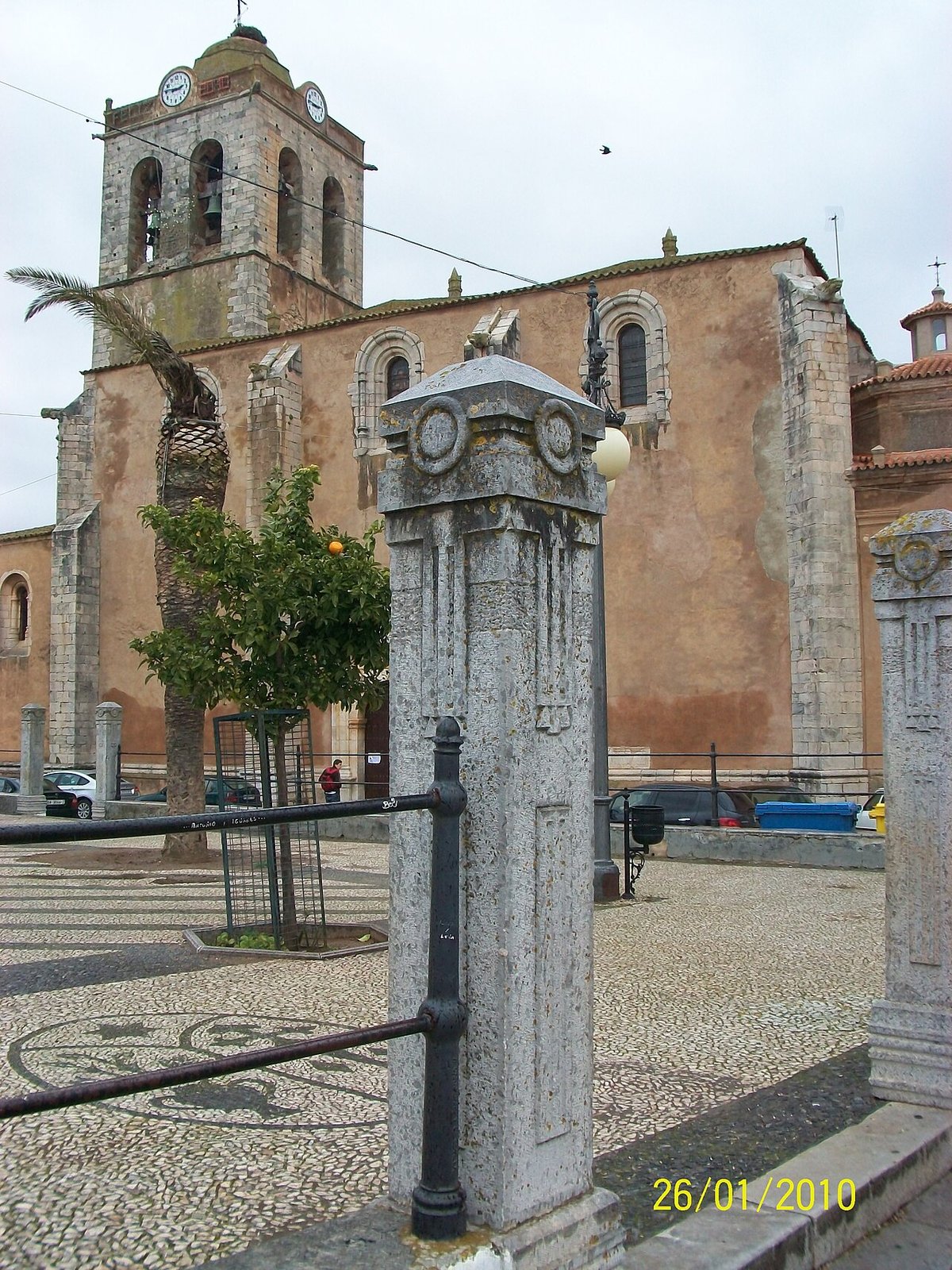
The Iglesia de San Bartolomé, built in the 16th century, is the most noticeable building as you enter the village. It is not elaborate or especially grand. Its appearance is restrained, typical of many churches in the south of Badajoz. Around it, there is usually some movement: people going in, neighbours pausing to talk, someone crossing the square without hurry.
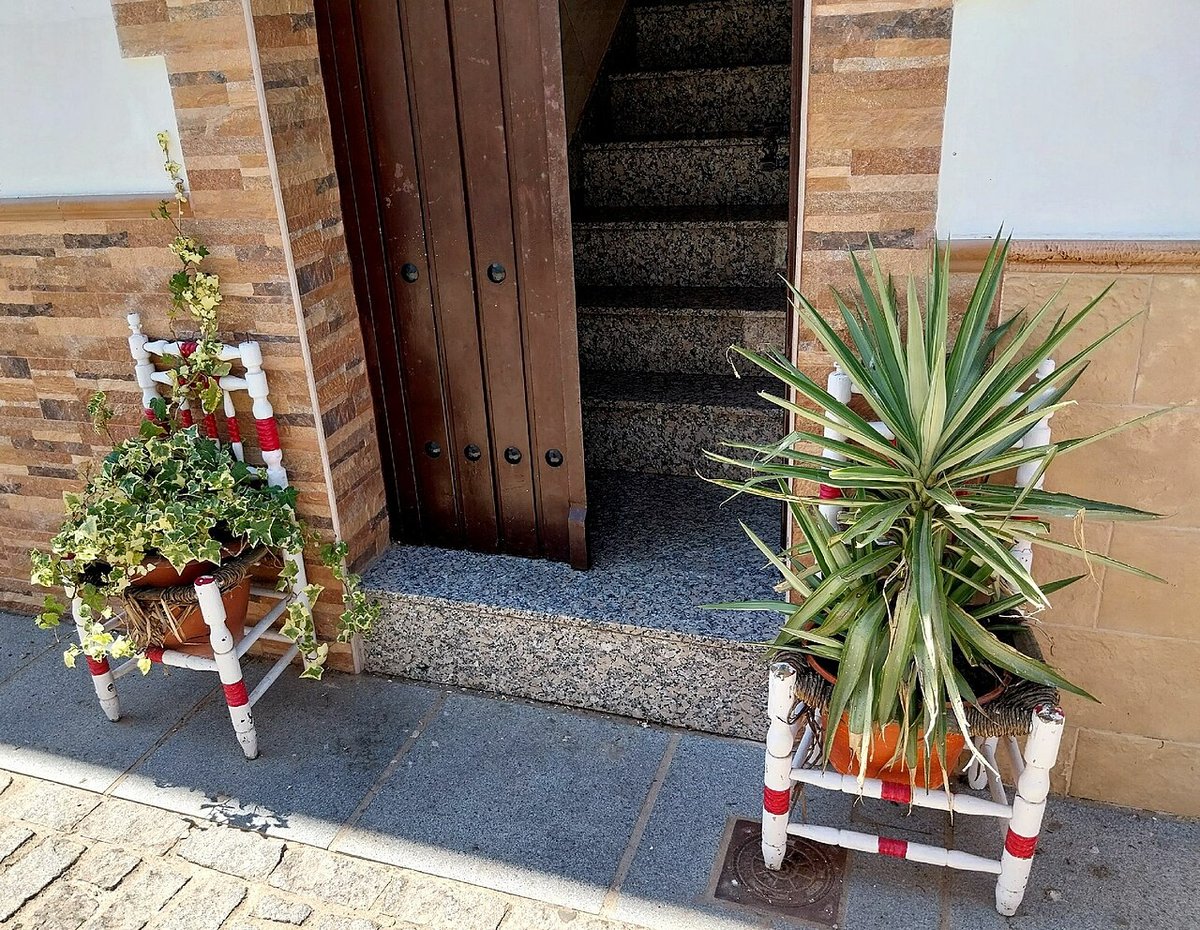
The Plaza Mayor reflects the agricultural roots of the area. Whitewashed houses line the space, with iron window grilles and large wooden doors that look as though they have always been there. There are no major modern interventions breaking the overall feel. Everything fits together in a way that suggests the village has grown slowly, without sudden changes.
Step into streets such as Calle Real or Cantarranas and a more everyday version of Calzadilla appears. Houses often have interior courtyards, with walls that hide small yards or working spaces. The large doorways hint at their past use, whether for storing tools or allowing farm vehicles through. Small details stand out if you look closely: a slightly different iron grille next to another, an old plaque, a name carved into a façade.
Beyond the built area, the landscape shifts quickly. Once outside the village, farmland takes over, with cereal crops and olive groves shaping the yearly cycle. Paths leading towards the BA‑4201 road or in the direction of nearby villages make the connection between the settlement and the land very clear. This is not a decorative countryside. It is part of everyday life.
What brings people here
It helps to arrive with the right expectations. There are no standout monuments or museums that will fill an entire morning. Calzadilla de los Barros works better as a place to pass through slowly, to stop for a while and walk without a set plan.
The surrounding area offers rural paths that are mostly flat and easy to follow. Holm oaks, olive groves and open fields stretch out towards a horizon that seems to go on indefinitely. The atmosphere changes with the seasons. In spring, almond trees and fresh greenery alter the look of the fields. By summer, the land becomes drier, with dust and heat defining the landscape.
Wildlife appears quietly rather than as a main attraction. Birds of prey can sometimes be seen circling above the fields, and storks often perch on rooftops or posts. It is not a destination designed for wildlife observation, but walking slowly and without noise can bring these moments into view.
The appeal lies less in specific sights and more in how everything fits together. The village, the fields and the pace of life form a continuous scene rather than separate experiences.
A simple route through the village
Arriving without a plan works perfectly well here. Starting at the main square and heading towards the Iglesia de San Bartolomé is a natural first step. The interior is simple, yet it gives a sense of the role such buildings still play in daily life.
From there, wandering through the streets is enough. In a village of this size, there is no need for careful planning. In less than an hour, most of it can be covered. The interest comes from noticing ordinary details rather than searching for landmarks.
For those who want to extend the walk, paths begin at the edges of the village and lead out into the surrounding countryside. After rain, these routes can become muddy, so practical footwear is a good idea. Even a short walk beyond the last houses shows how closely the village is tied to its surroundings.
When to go and what to expect
Spring is often the most comfortable time to explore the area, with mild temperatures and fields at their greenest. Autumn also has its appeal once the strongest heat has passed.
Summer, as in much of Extremadura, brings intense heat during the middle of the day. Early mornings and late afternoons are the more reasonable times to be outside, when the sun eases and the village begins to stir again.
It is worth being clear about what Calzadilla de los Barros offers. This is not a destination to build an entire weekend around. It works better as a brief stop within a wider route through the region, or when travelling between Zafra and other nearby towns.
Anyone expecting dramatic landscapes or striking monuments may find it underwhelming. Those who are curious about how small, working villages function, places still closely linked to the land, will find something more meaningful here. Sometimes that appears in very simple scenes: a tractor passing through a street, or a quiet conversation taking place in the shade of the church.